




Technical Articles
ActRIIA
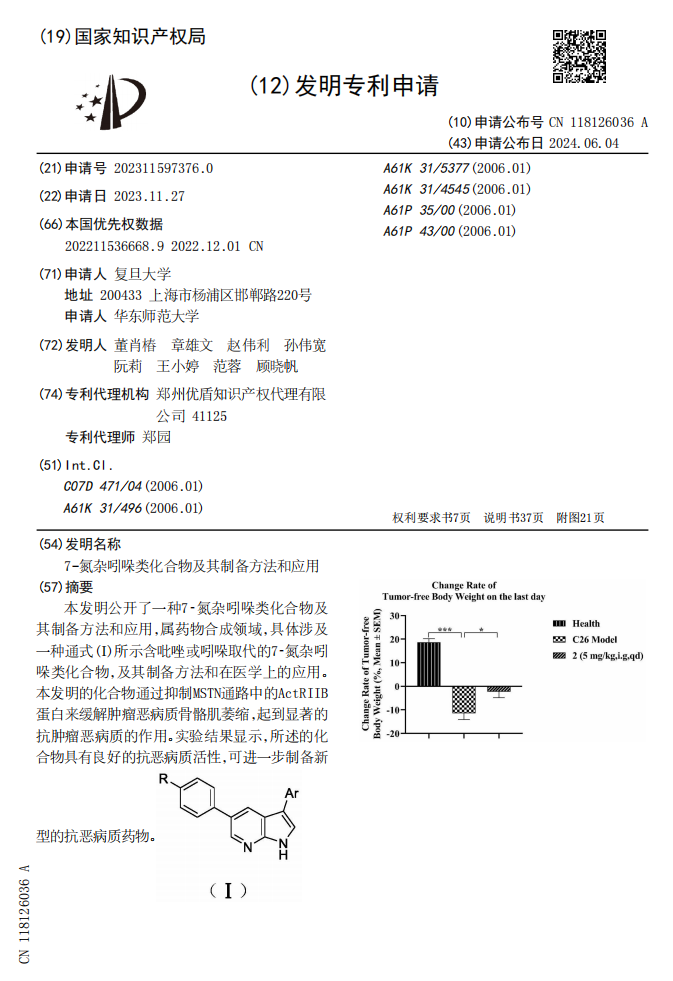
Novel 7-Azaindole Small Molecule Inhibitors Targeting ActRIIB: A New Strategy to Tackle Cancer Cachexia
 2025-10-28
ActRIIB (Activin Type IIB Receptor) and ACTRIIA (Activin Type IIA Receptor) are structurally similar transmembrane receptors belonging to the TGF-β receptor superfamily. They collectively function to receive extracellular "growth regulatory signals," yet exhibit key distinctions in their physiological roles and their value as drug targets.
View details
- Drug Research
- ActRIIB
- ACTRIIA
- TGF-β receptor
- UA BIOSCIENCE
- UA Protein
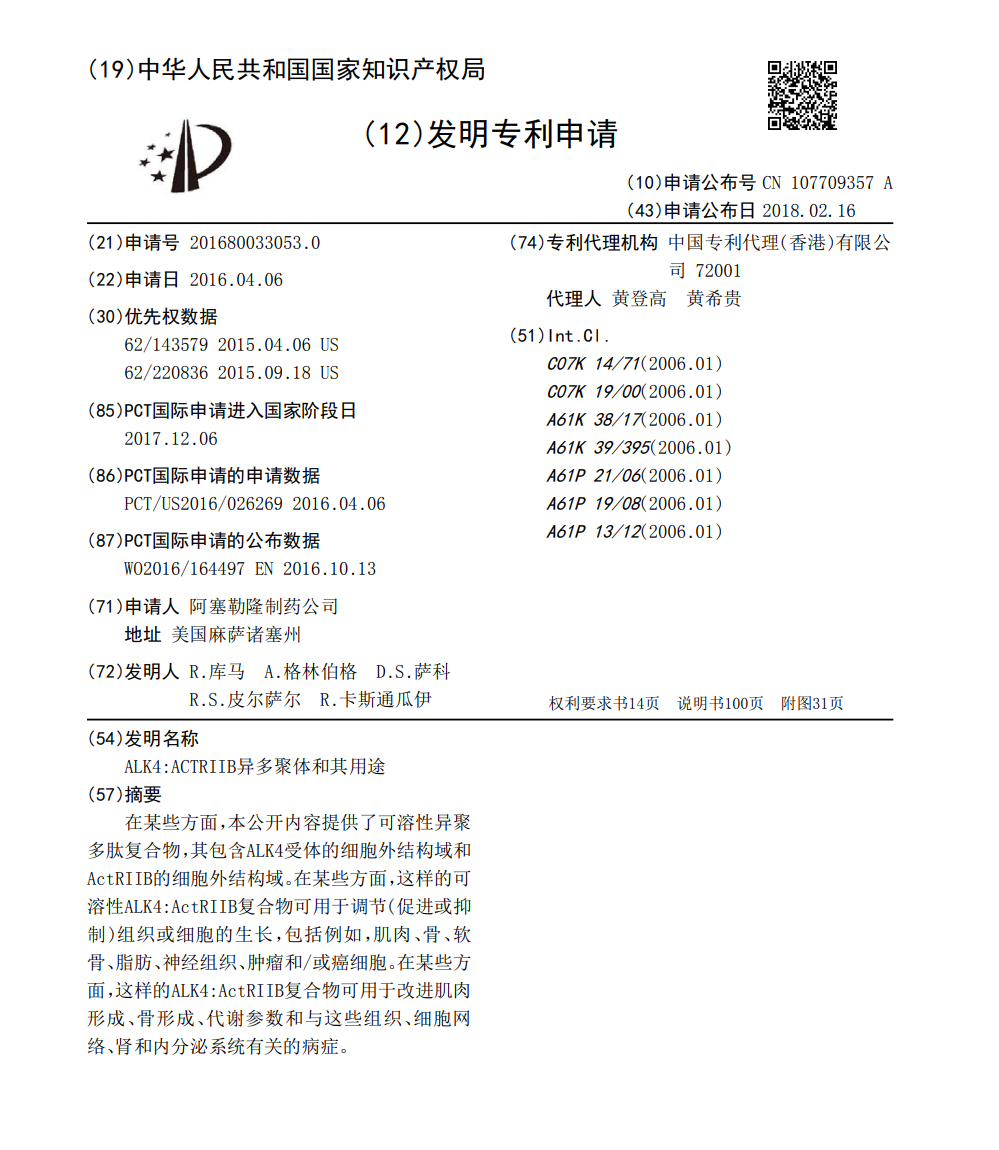
ALK4:ActRIIB heterodimer signaling axis, its cooperative inhibition mechanism, and its application in ligand-selective trapping.
2025-10-21ALK4 and ActRIIB are a functionally coupled pair of type I and type II transmembrane serine/threonine kinase receptors within the transforming growth factor-beta (TGF-β) superfamily signaling pathway. ActRIIB, as the type II receptor, features an extracellular domain that binds with high affinity to various ligands, including activin, GDF8 (myostatin), and GDF11, and possesses constitutive kinase activity. In contrast, ALK4, as the type I receptor, is strictly dependent on the type II receptor for its activation. Together, in the presence of ligand, they form a stable heterotetrameric signal transduction complex.
View details
- Signaling Pathway
- ALK4
- ActRIIB
- ActRIIA
- kinase
- and TGF-β.
- 1

Link:





©2021-2026 all rights reserved UA Biotechnology Co.,Ltd.
Privacy Policy 
网站备案号 浙ICP备2022019033号-2 浙公网安备33010202004867号
 Business license (three certificates in one)
 Tel:+86-25-56221161
E-mail:order@ua-bio.com
All products sold on this website shall not be used for clinical diagnosis or treatment of humans or animals, and shall only be used for non-medical purposes such as industrial or scientific research.
