




Technical Articles
Apoptosis
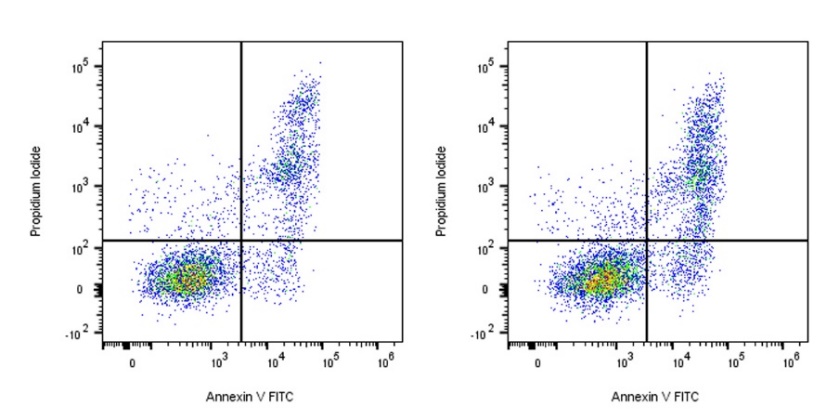
Application of FITC-labeled Annexin V His-tag protein in apoptosis detection
 2026-04-23
Apoptosis, also known as programmed cell death, is an actively initiated cell death process in response to survival conditions. In the early stages of apoptosis, although the integrity of the cell is maintained, changes in its surface structure begin to occur.
View details
- Cell Biology
- Annexin V
- Apoptosis
- Live/Dead Dye
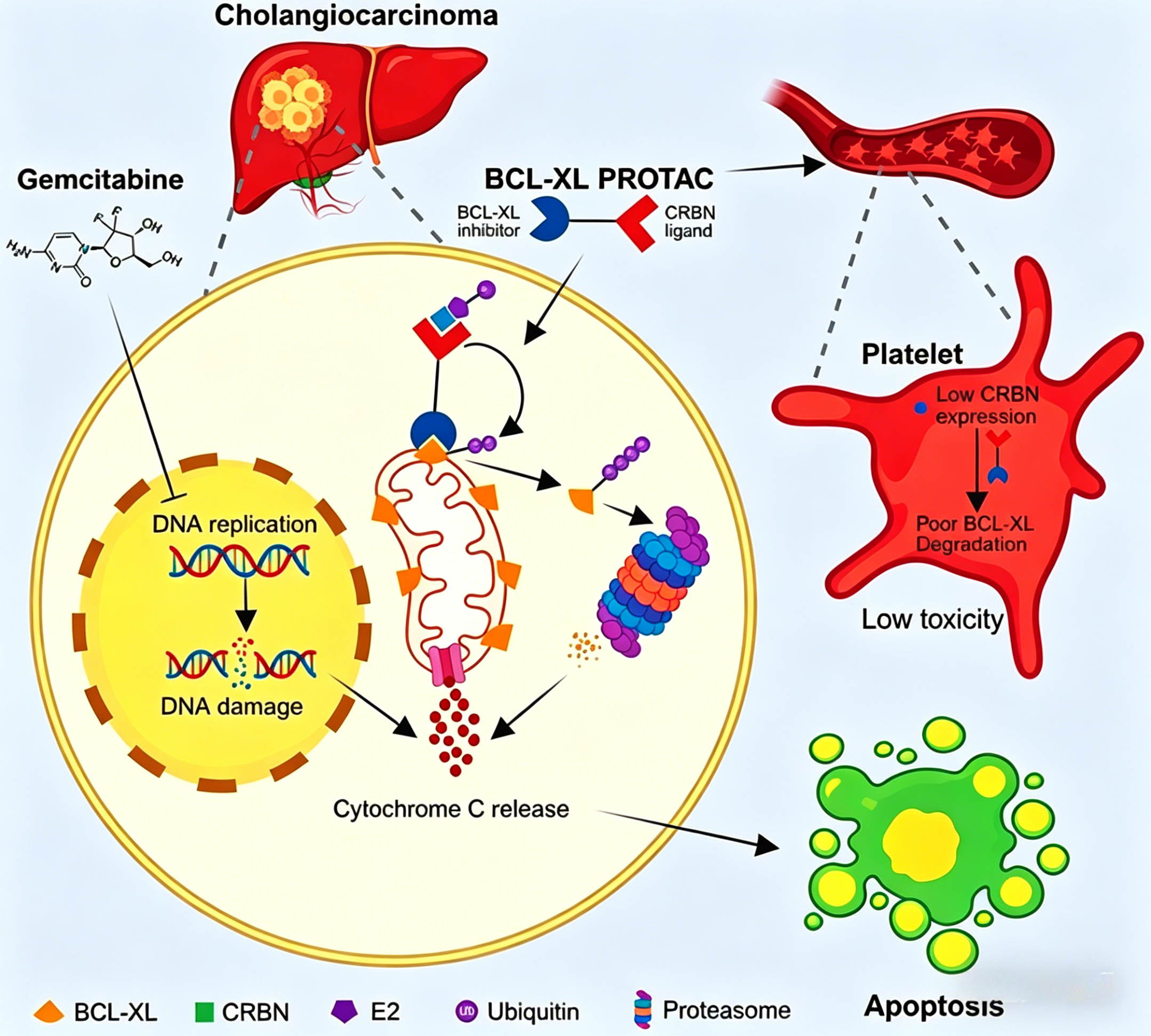
Study on BCL-xL-targeting PROTAC degraders based on TR-FRET technology in myeloid malignancies
2026-04-16Apoptosis is a tightly regulated programmed cell death process that enables cells to maintain tissue homeostasis and prevent tumorigenesis. The intrinsic mitochondrial pathway is activated by various stimuli, with BCL-2 family proteins playing a pivotal role in this pathway.
View details
- Cancer
- BCL-XL/CRBN
- Myeloid Malignancy
- Apoptosis
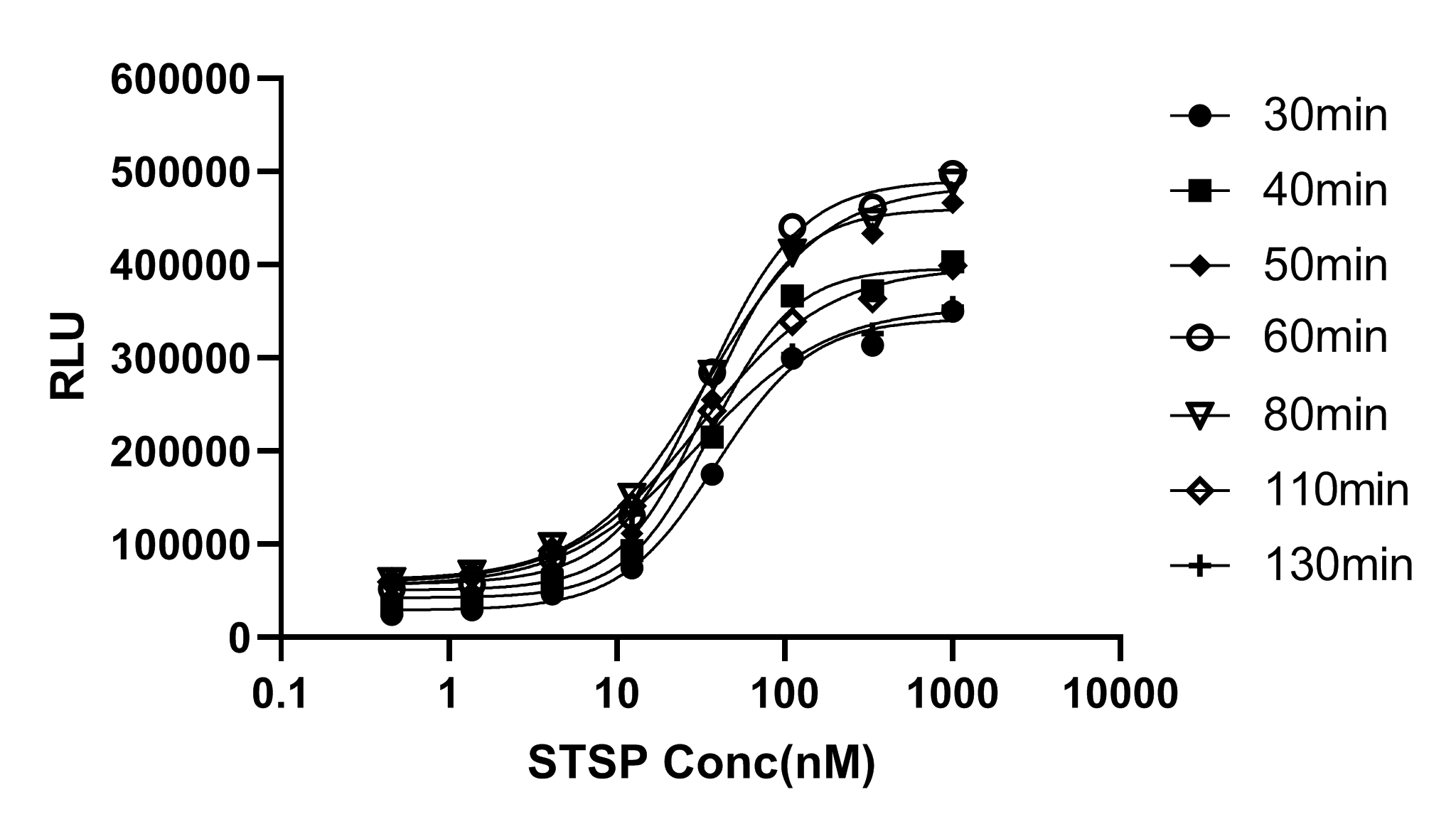
Technical Principles and Applications of UA-Glo® Caspase 3/7 Assay Kit
2026-03-12Apoptosis, as a genetically regulated form of programmed cell death, plays a crucial role in the development, homeostasis, and disease processes of multicellular organisms.
View details
- Immunity/Inflamma
- Apoptosis
- Caspase 3/7
- Programmed Cell Death
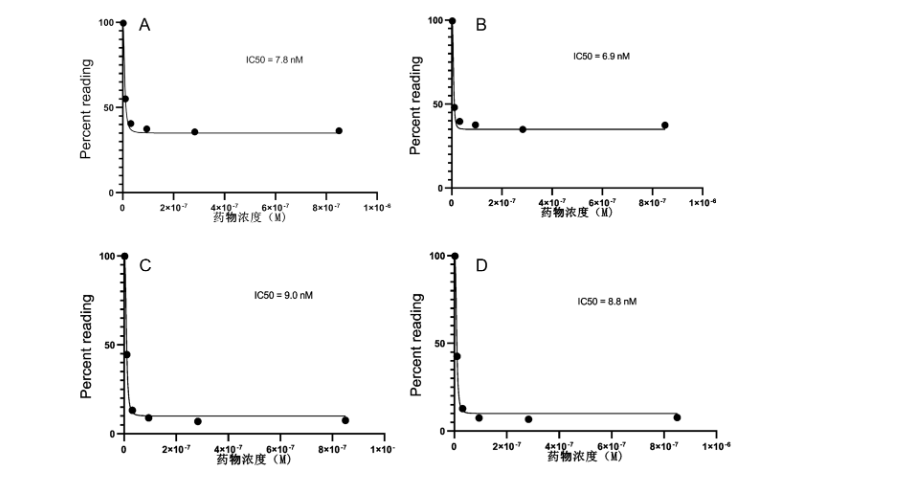
Fluorescent Cell Viability Assay Kit: Simple, Sensitive, and Multiplex-Compatible
2025-11-12Fluorescent Cell Viability Assay Kit: This kit accurately quantifies cell viability by detecting specific esterase activity in live cells and generating corresponding fluorescent signals. Featuring a straightforward procedure, high sensitivity, and excellent compatibility with various downstream assays such as apoptosis detection, it serves as an ideal tool for drug screening and cytotoxicity assessment studies.
View details
- Signaling Pathway
- Fluorescent cell viability assay
- Multiplex detection
- Apoptosis
- Cytotoxicity
- IC50
- 1

Link:





©2021-2026 all rights reserved UA Biotechnology Co.,Ltd.
Privacy Policy 
网站备案号 浙ICP备2022019033号-2 浙公网安备33010202004867号
 Business license (three certificates in one)
 Tel:+86-25-56221161
E-mail:order@ua-bio.com
All products sold on this website shall not be used for clinical diagnosis or treatment of humans or animals, and shall only be used for non-medical purposes such as industrial or scientific research.
