

Technical Articles
Cancer

EPO in Translation: From Anemia Therapy to Tissue Protection and Long-Acting Formats
 2026-10-15
This article reviews the EPO/EPOR pathway in drug development: early recombinant erythropoietins, long-acting formats, tissue-protection directions and what these experiences teach about preclinical study design.
View details
- Cancer
- EPO target
- erythropoietin
- long-acting format
- tissue protection
- hypoxia
- translational research
- UA040004

Working with Recombinant Human EPO: Troubleshooting Cell-Proliferation Activity Readouts
2026-10-15A practical guide to EPO-dependent proliferation assays (TF-1): reconstitution, aliquoting, diluent choice, carrier protein, cell state and dose-response design, with a checklist for inconsistent EC50 values.
View details
- Cancer
- EPO cell treatment
- TF-1
- proliferation assay
- reconstitution
- carrier protein
- EC50
- troubleshooting
- UA040004

Recombinant Human EPO: Why a Hematopoietic Hormone Keeps Showing Up in Vascular and Neural Research
2026-10-15EPO is a four-helix-bundle glycoprotein hormone acting through the EPOR-JAK2/STAT5 axis. This article explains erythroid development, glycosylation-driven molecular-weight heterogeneity and non-hematopoietic activities in vascular and neural research
View details
- Cancer
- EPO
- EPOR
- JAK2
- STAT5
- erythroid progenitor
- glycosylation
- CHO expression
- neuroprotection
- UA040004
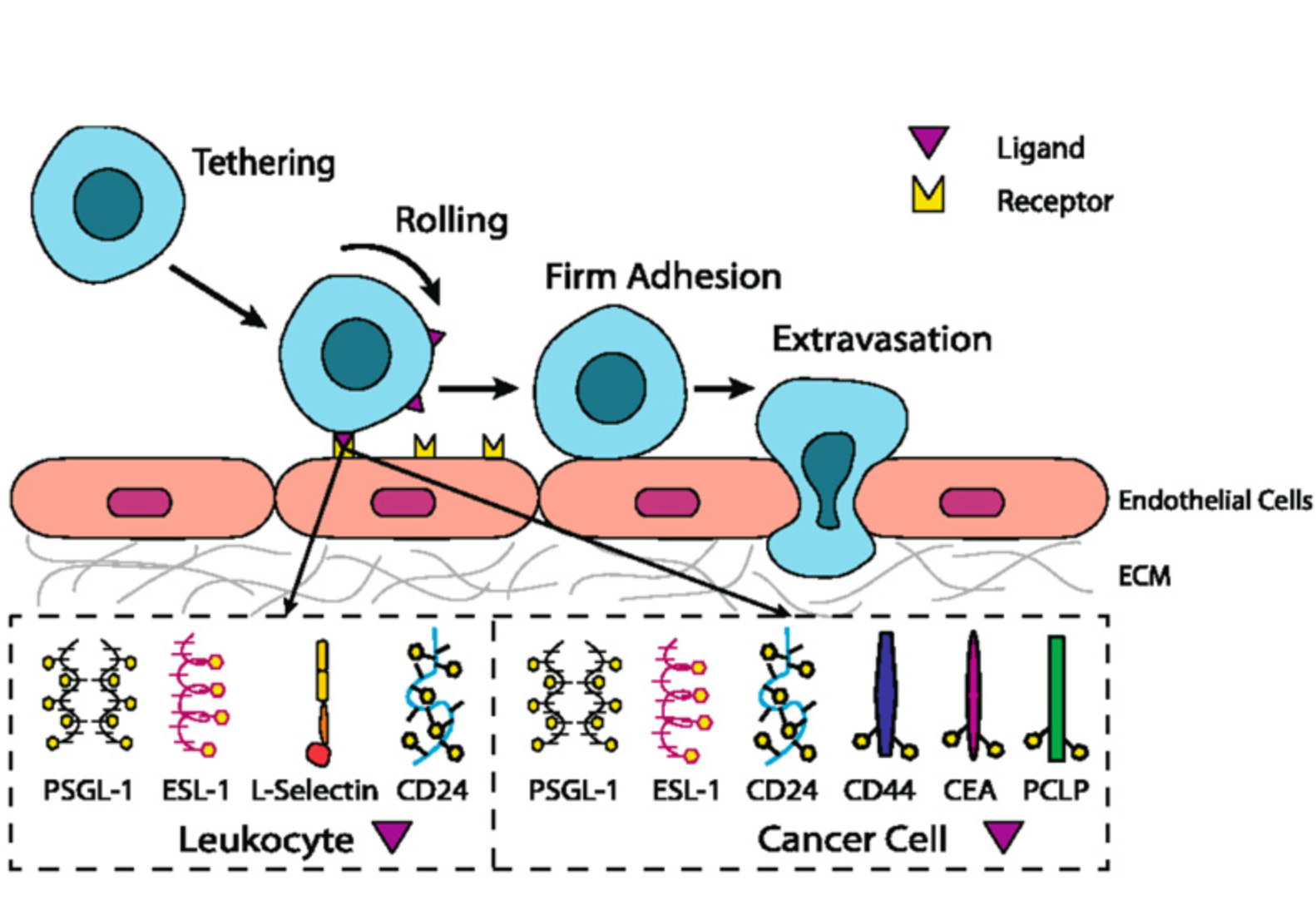
CD44 recombinant protein is an important tool for cancer stem cell marker research and targeted drug development.
2026-10-15CD44, also known as HCAM, PGP-1, and ECMR-III, is a transmembrane glycoprotein located on human chromosome 11 and a receptor for various ligands such as hyaluronic acid and osteopontin.
View details
- Cancer
- CD44 recombinant protein

P53 in Biopharma: From a 40-Year Drug Hunt to Reagent Standardization
2026-10-10Why P53 has driven four decades of drug discovery yet remains unsolved, and how standardized recombinant P53 reagents support target validation, screening and mechanistic studies across the industry.
View details
- Cancer
- P53
- TP53 drug discovery
- targeted therapy
- PROTAC
- reagent standardization
- UA085067

P53 Research Reagents: How to Choose and Use Recombinant P53 Protein
2026-10-10A practical guide to recombinant P53 protein as a research reagent: tag format, purification, activity validation, and how to design DNA-binding, reporter and mutant-comparison experiments around P53.
View details
- Cancer
- P53 protein
- recombinant P53
- His tag
- DNA-binding assay
- reporter assay
- mutant control
- UA085067

P53: Guardian of the Genome and a Persistent Challenge in Cancer Therapy
2026-10-10P53 (TP53) is the most studied tumor suppressor. This article breaks down its domain architecture, stress-activation mechanism, hotspot mutation spectrum, and the functional readouts and experimental interfaces commonly used in tumor research.
View details
- Cancer
- P53
- TP53
- tumor suppressor
- DNA damage
- DNA-binding domain
- hotspot mutation
- MDM2
- apoptosis
- UA085067

Clinical Setbacks of IGF1R Antibodies: From Figitumumab Monotherapy to a Combination-Treatment Paradigm Shift
2026-10-08After figitumumab monotherapy failed, the IGF1R antibody field shifted toward combination treatment and biomarker stratification. This article traces the paradigm shift in IGF1R translational research and its in vitro tool support.
View details
- Cancer
- IGF1R antibodies
- figitumumab
- ganitumab
- combination therapy
- biomarkers
- tumor targeting
- UA016082
- alpha2beta2
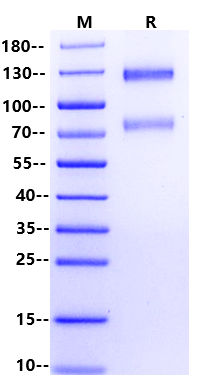
IGF1R/CD221: Structure, alpha2beta2 Assembly and the Tumor Research Landscape of a Receptor Tyrosine Kinase
2026-10-08IGF1R/CD221 is a receptor tyrosine kinase of the insulin receptor family, assembled as an alpha2beta2 heterotetramer. This review covers its molecular architecture, IGF-1/IGF-2 ligand recognition, PI3K-AKT and RAS-RAF-MEK-ERK signaling, and key point
View details
- Cancer
- IGF1R
- CD221
- alpha2beta2
- RTK
- IGF-1
- IGF-2
- PI3K/AKT
- RAS/RAF/MEK/ERK
- UA016082

CD221/IGF1R Fc Chimeric Protein Binding Assays: Ligands, Conditions and Interpretation
2026-10-08CD221/IGF1R Fc chimeric protein is a research tool for IGF-2 binding studies. This article covers Fc fusion design, HEK293-derived antigen QC, ELISA platform parameters and a three-class control troubleshooting path.
View details
- Cancer
- CD221
- IGF1R
- Fc chimeric protein
- IGF-2 binding
- ELISA
- EC50
- UA016082
- alpha2beta2
- RTK
- 1
- 2
- 3
- 4
- 5
- 6
- 33

Link:





©2021-2026 all rights reserved UNIV Biotechnology Co.,Ltd.
Privacy Policy
网站备案号 苏ICP备2025207586号-2 浙公网安备33010202004867号
 Business license (three certificates in one)
 Tel:+86-25-56221161
E-mail:order@ua-bio.com
All products sold on this website shall not be used for clinical diagnosis or treatment of humans or animals, and shall only be used for non-medical purposes such as industrial or scientific research.