

Technical Articles
Cell viability assay

Cell Viability Assays: A Comprehensive Overview from Fluorescent Dyes to Chemiluminescence Technologies
 2026-09-22
This article systematically elaborates on the technical principles and methodological frameworks of cell viability assays, focusing on five major categories: fluorescent dye detection, cell metabolism detection, chemiluminescent cell activity assays, DNA synthesis detection, and cell counting assays. It analyzes the technical characteristics and applicable scenarios of these methods, as well as their differential advantages in terms of sensitivity, throughput, and operational convenience.
View details
- Cell Biology
- Cell viability assay

Love the new! CyQuantiFluor™ Cell Viability Assay Kit
2026-06-03The CyQuantiFluor™ Cell Viability Assay Kit is a homogeneous detection kit based on DNA-specific fluorescent dyes. Its core principle is: DNA-binding dyes can penetrate the membranes of live cells and bind to nuclear DNA to produce strong fluorescence, with fluorescence intensity proportional to the number of viable cells; background-shielding dyes cannot enter live cells but can block fluorescence signals from DNA released by dead cells and extracellular DNA, ensuring detection specificity. This method does not rely on cellular metabolic state and directly quantifies the DNA content of live cells, offering advantages such as simple operation (one-step addition), high signal-to-noise ratio, and excellent stability. It is suitable for tumor cell proliferation assays and high-throughput compound screening.
View details
- Drug Research
- CyQuantiFluor
- Cell Viability Assay
- Cell Proliferation
- Cytotoxicity
- DNA-binding Dye
- High-throughput Screening
- Homogeneous Assay
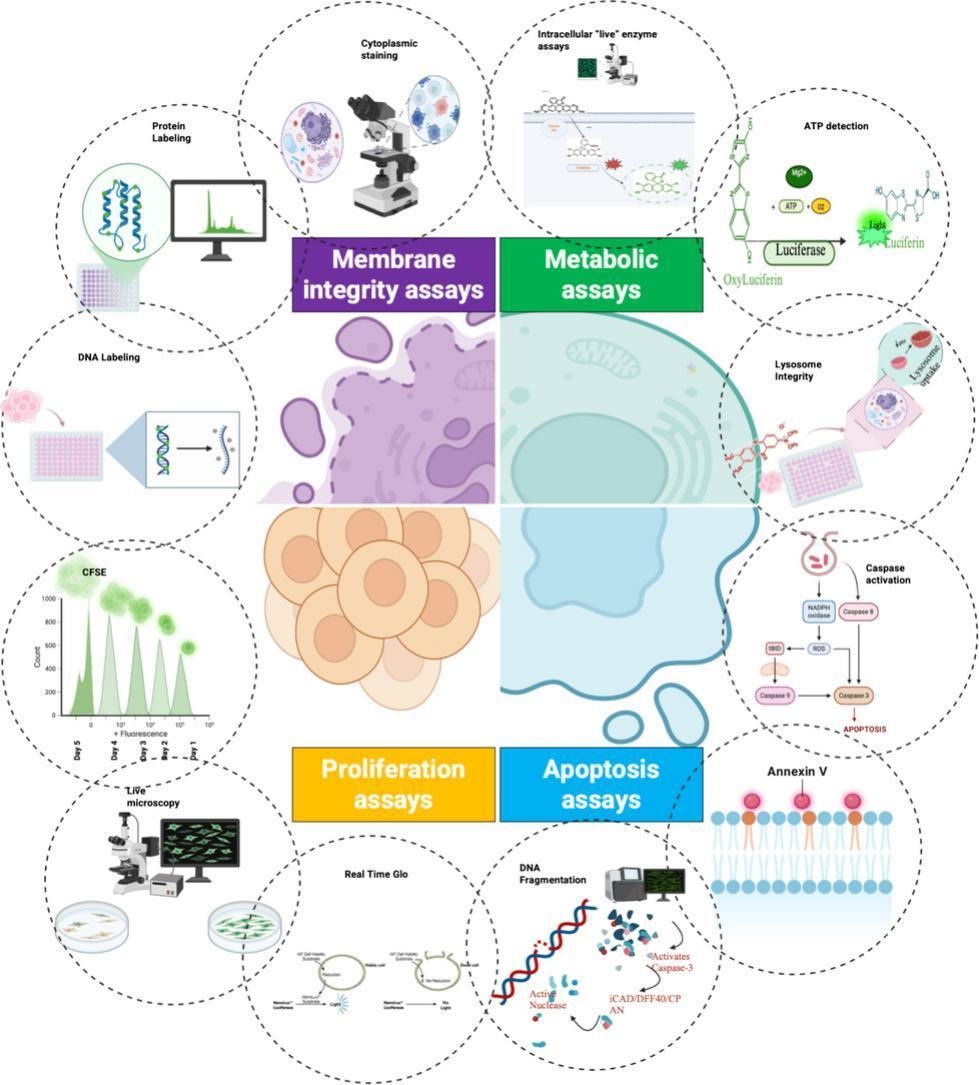
CyQuantiFluor™ Live Cell Quantitative Kit: A New Choice for Homogeneous and Accurate Cell Viability Detection
2026-06-03In cell-based pharmacological screening, tumor proliferation research, and in vitro cytotoxicity evaluation, accurate live cell counting is the core prerequisite for reliable data. Traditional metabolism-dependent detection reagents such as MTT and CCK-8 are prone to interference from metabolic fluctuations and drug effects, leading to frequent numerical deviations. Conventional nucleic acid staining kits often suffer from interference by extracellular free DNA, with non-specific fluorescence elevating background values, hindering the implementation of high-throughput screening. U-爱Bio's self-developed CyQuantiFluor™ Cell Viability Assay Kit leverages dual-dye cooperative shielding technology, breaking free from metabolism-dependent limitations. With its homogeneous operation advantages, it has become the preferred tool for cell proliferation, cytotoxicity, and high-throughput small-molecule drug screening.
View details
- Cancer
- CyQuantiFluor
- Cell Viability Assay
- Cell Proliferation
- Cytotoxicity
- DNA-binding Dye
- High-throughput Screening
- Homogeneous Assay
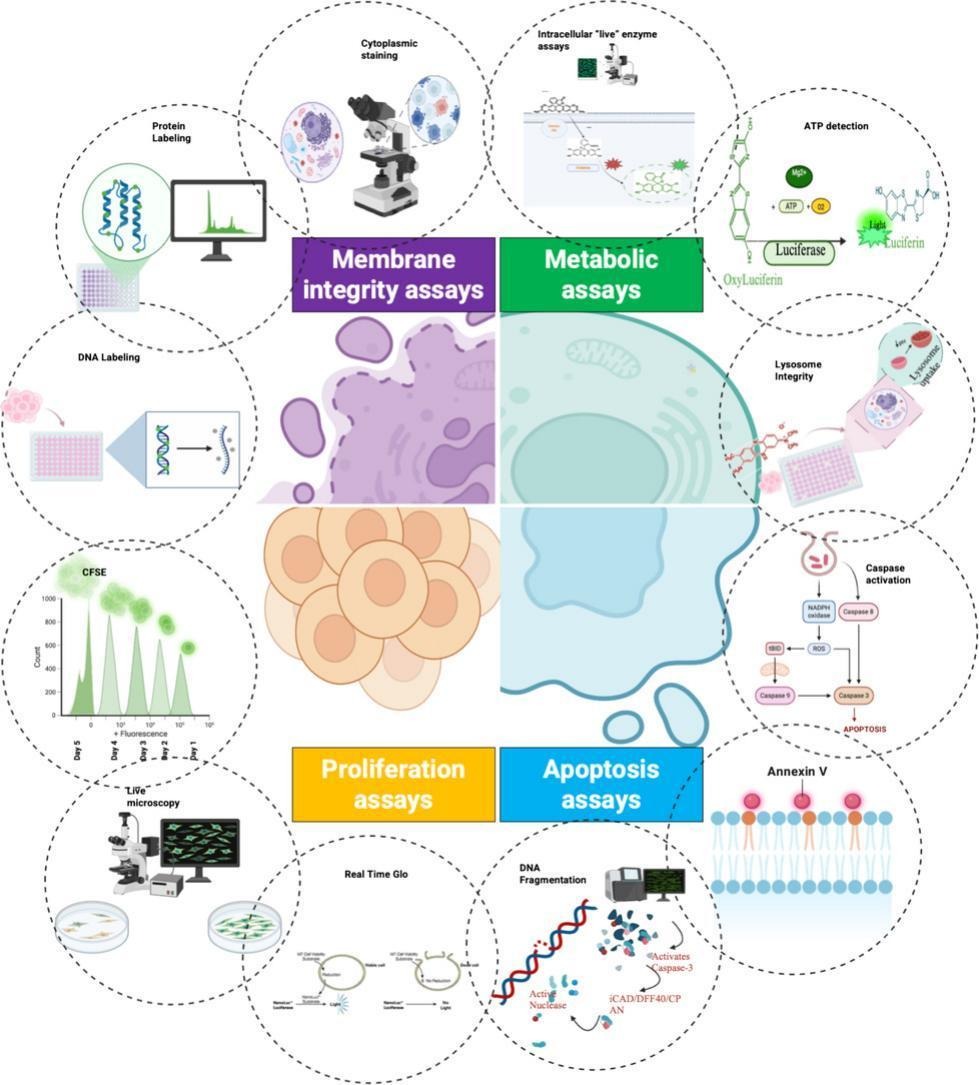
CyQuantiFluor™ Cell Viability Assay Kit: A Precise Live Cell Quantification Solution Based on DNA-Specific Dyes
2026-06-03Cell viability and proliferation assays are among the most fundamental and essential experimental techniques in cell biology, drug screening, and toxicology research. Traditional methods such as MTT and CCK-8 rely on the activity of intracellular metabolic enzymes to convert substrates into colored or fluorescent products, thereby indirectly reflecting the number of viable cells.
View details
- Drug Research
- CyQuantiFluor
- Cell Viability Assay
- Cell Proliferation
- Cytotoxicity
- DNA-binding Dye
- High-throughput Screening
- Homogeneous Assay
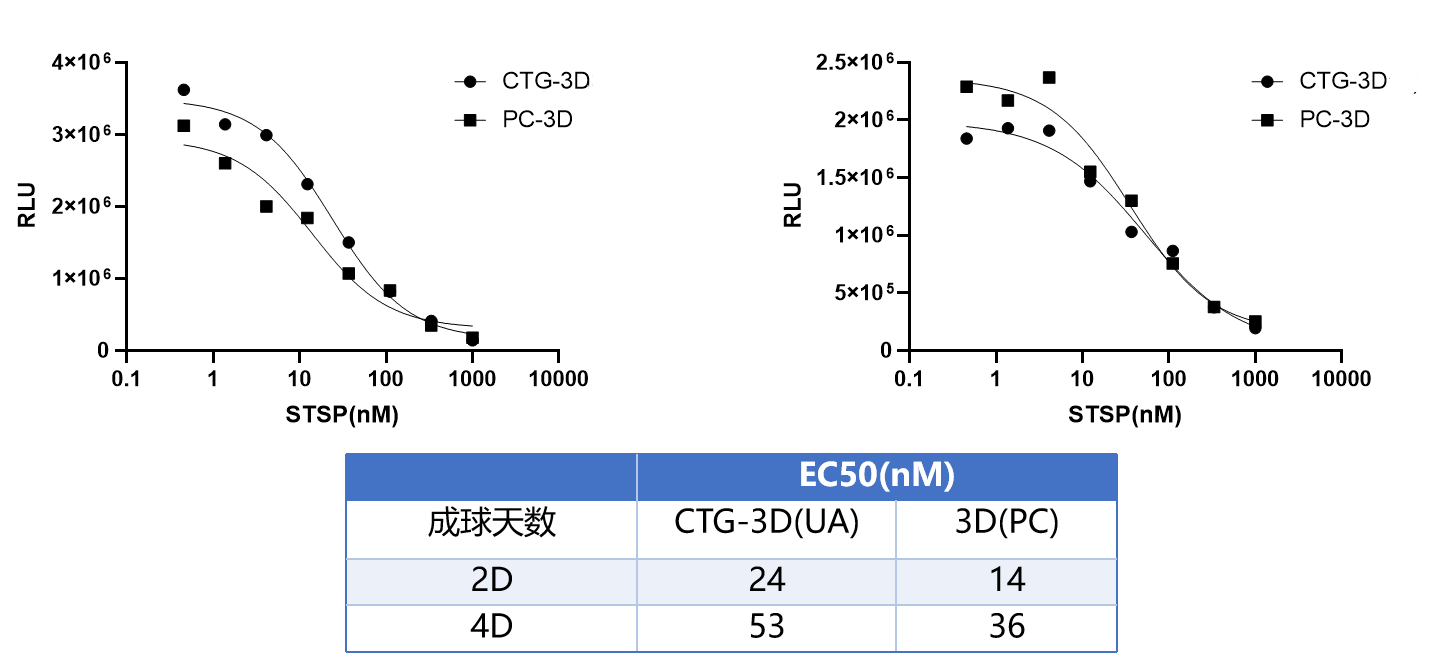
The Principle and Application of 3D Cell Viability Assay
2026-03-12With the increasing popularity of three-dimensional (3D) cell culture technology in life sciences research, there is a growing demand for analytical methods capable of accurately assessing the physiological status of 3D cell models.
View details
- Cell Biology
- Cell Viability Assay
- ATP
- Cell Culture Technique
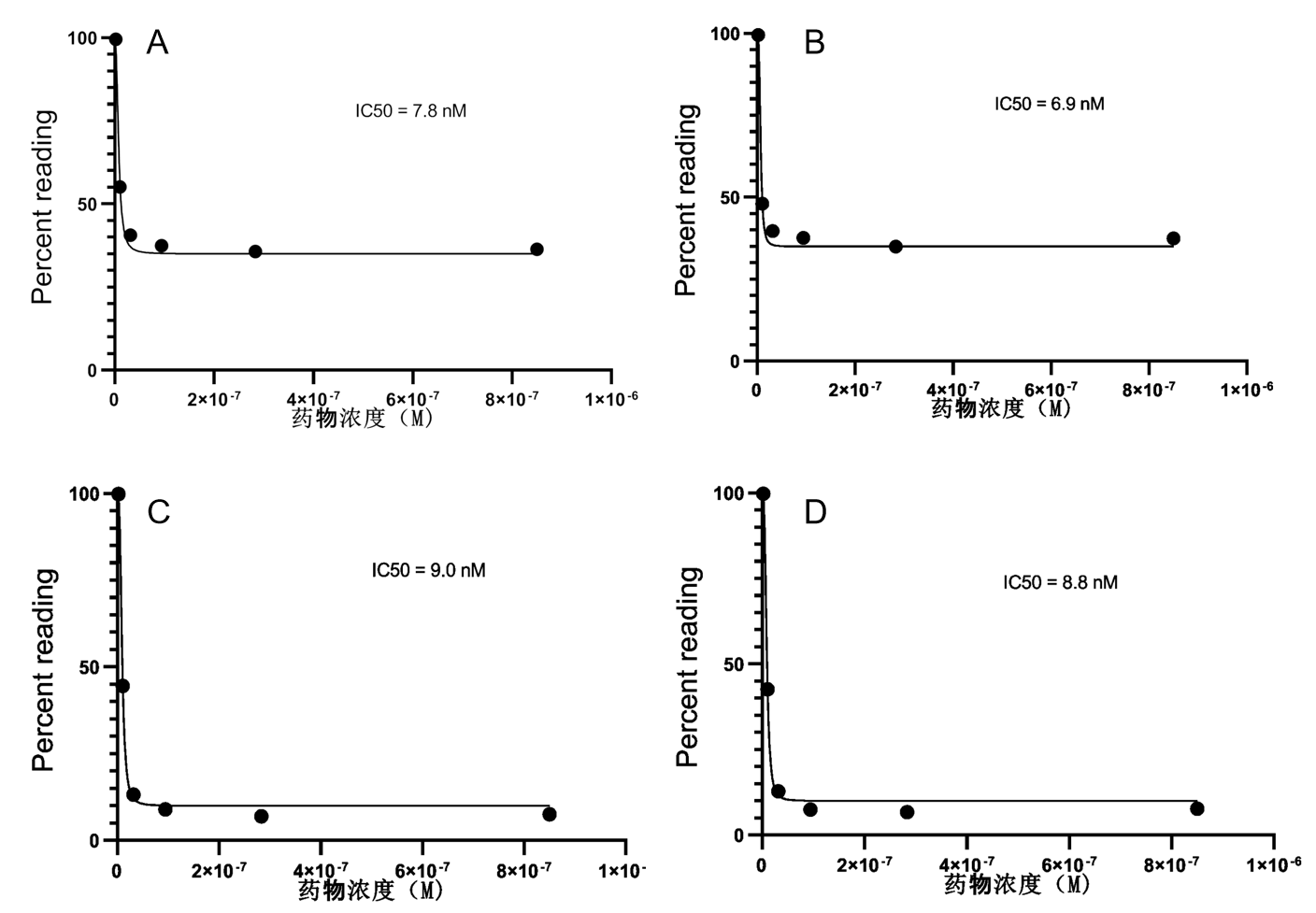
UA-Glo® Fluorescent Cell Viability Assay Kit Technical Principle and Applications
2026-03-12Cell viability assay is a fundamental experimental technique in cell biology, drug development, and toxicity evaluation. Assessing cell viability helps in understanding cellular physiological status, compound effects, and environmental influences.
View details
- Cell Biology
- Cell Viability Assay
- Fluorescence Method
- Drug Discovery
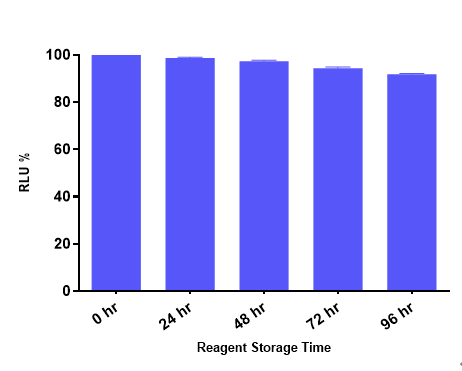
Technical Principle and Applications of UA-Glo® Luminescent Cell Viability Assay Kit
2026-03-12Cell viability assay is a fundamental experimental technique in cell biology research, drug screening, and toxicity evaluation. Accurately, rapidly, and reproducibly assessing cell viability is crucial for understanding cellular physiological states, compound effects, and environmental influences.
View details
- Cell Biology
- Cell Viability Assay
- Drug Screening
- Toxicity Assessment
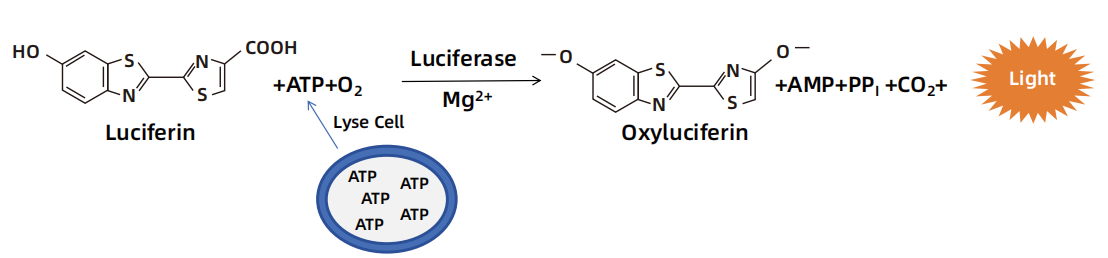
Luminescent vs. Fluorescent: How to Choose a Cell Viability Assay?
2026-01-07In the fields of life sciences and drug development, accurately, rapidly, and high-throughput assessing cell viability is a fundamental and critical step. Whether evaluating compound toxicity, screening anticancer drugs, or optimizing cell culture conditions, reliable cell viability detection technologies are essential.
View details
- Signaling Pathway
- Cell viability assay
- compound toxicity
- screening of anticancer drugs
- Fluorescent Cell Viability Assay.
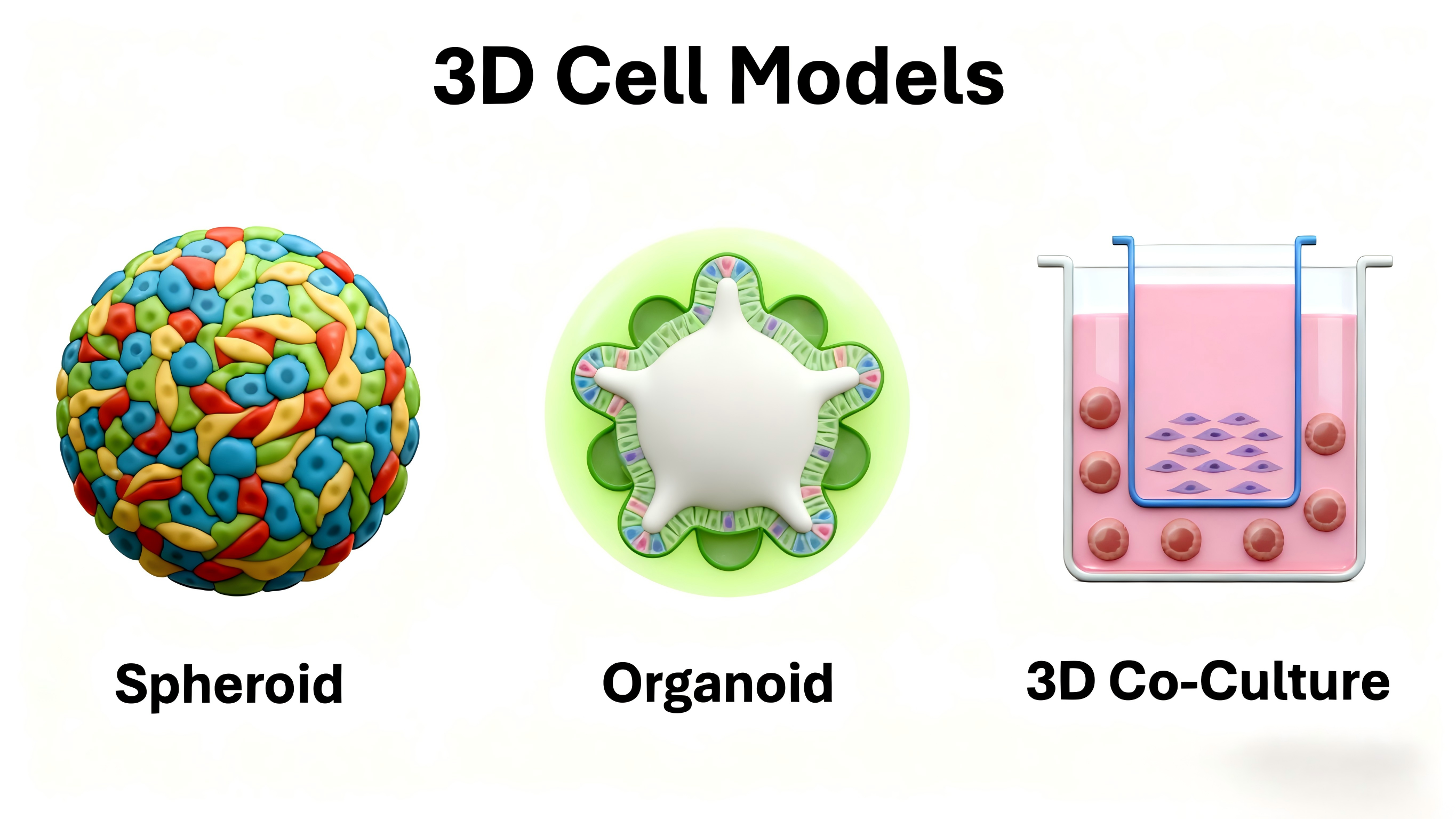
Unveiling the Dynamic Code of Life: pH-sensitive IgG IgG Labeling Reagents Max(Green)
2025-11-13In the traditional fields of life sciences and drug development, the vast majority of cellular experiments are conducted in two-dimensional culture dishes. However, this monolayer cell model differs significantly from the complex three-dimensional microenvironment in which cells reside within the human body, leading to a substantial gap between experimental data and actual in vivo responses. To bridge this divide, 3D cell viability assay technology has emerged, becoming a powerful tool for revolutionizing disease research, drug screening, and toxicology assessment.
View details
- Cancer
- Cell Viability Assay
- Drug Development
- 1

Link:





©2021-2026 all rights reserved UNIV Biotechnology Co.,Ltd.
Privacy Policy
网站备案号 苏ICP备2025207586号-2 浙公网安备33010202004867号
 Business license (three certificates in one)
 Tel:+86-25-56221161
E-mail:order@ua-bio.com
All products sold on this website shall not be used for clinical diagnosis or treatment of humans or animals, and shall only be used for non-medical purposes such as industrial or scientific research.