

Technical Articles
Cytokine

What Is IL-6: Immune Function and Experimental Use of Recombinant Human IL-6
 2026-10-10
IL-6 is a pleiotropic pro-inflammatory cytokine. This article reviews its immune roles, receptor signaling and how recombinant human IL-6 is applied in cell-culture and functional assays.
View details
- Immunity/Inflamma
- IL-6
- interleukin 6
- cytokine
- inflammation
- recombinant IL-6
- cell culture
- UA040052
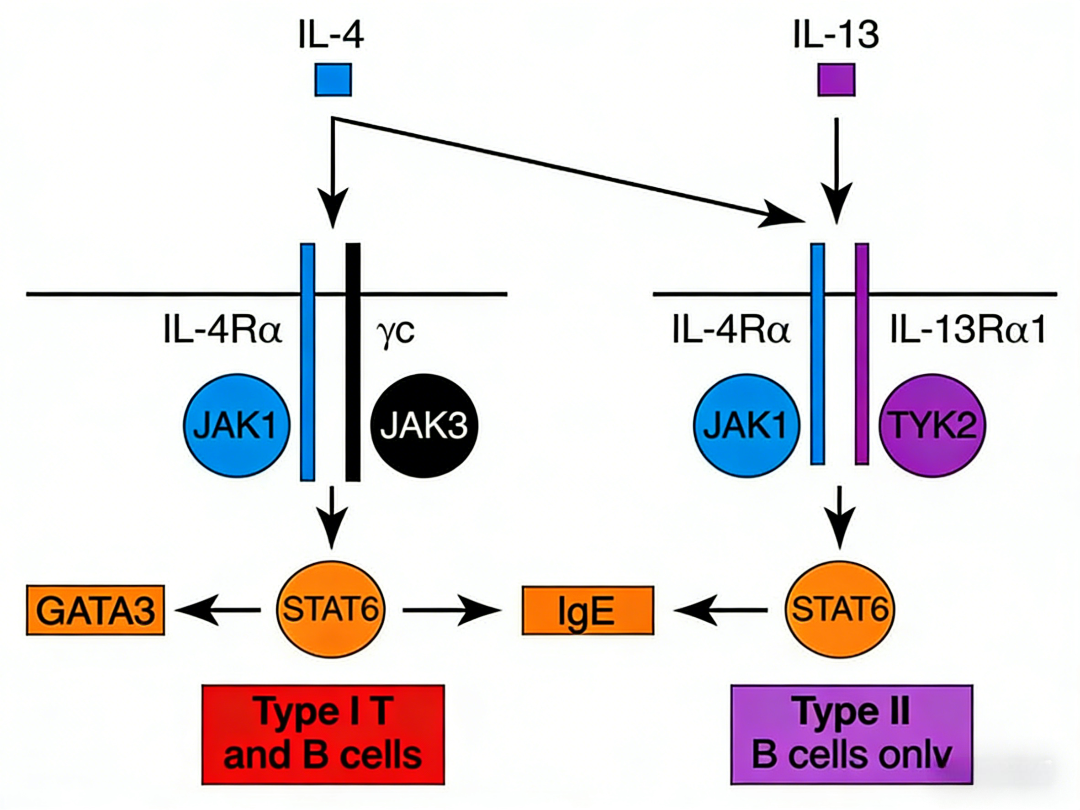
The role of IL-13 in exercise-induced skeletal muscle metabolic remodeling and its protein function study
2026-01-14Exercise is an important way to prevent and improve metabolic syndrome and other diseases, and its beneficial effects independent of weight changes suggest the involvement of humoral factors in regulating metabolic adaptation during exercise.
View details
- Metabolism
- Osteoclast
- Cytokine
- Bone metabolic disease
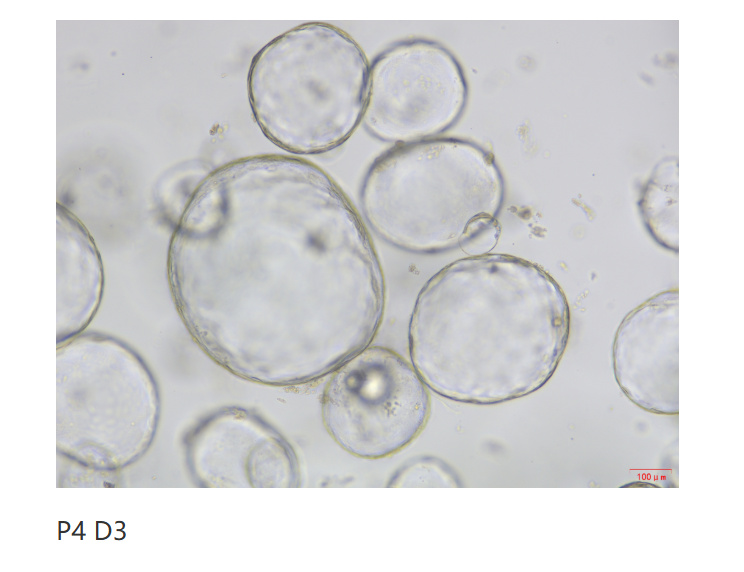
IL-17F Protein: Structure and Function, Signaling Pathways, and Clinical Targeting Significance
2025-12-28IL-17F (Interleukin-17F) is one of the six members (IL-17A to F) of the IL-17 cytokine family and shares the highest amino acid sequence homology with IL-17A (approximately 50%).
View details
- Immunity/Inflamma
- IL-17F protein
- cytokine
- immunity.
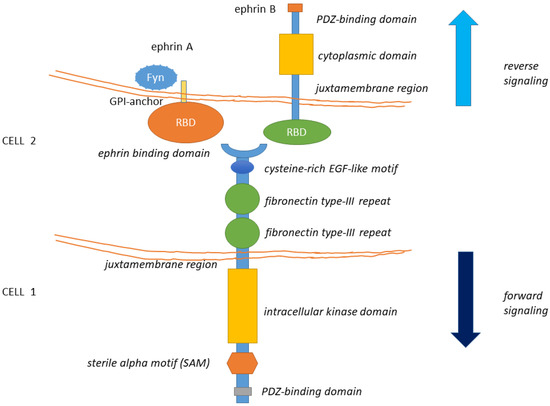
TGF-β2 Protein: Structure and Function, Regulatory Mechanisms, and Research Progress as a Therapeutic Target
2025-12-28TGF-β2 (Transforming Growth Factor-β2) is a key member of the Transforming Growth Factor β (TGF-β) cytokine superfamily. As a pivotal pleiotropic regulator, TGF-β2 plays an indispensable and highly context-dependent role in embryonic development, tissue homeostasis, immune regulation, and various disease processes.
View details
- Immunity/Inflamma
- TGF-β2 protein
- cytokine
- embryonic development.
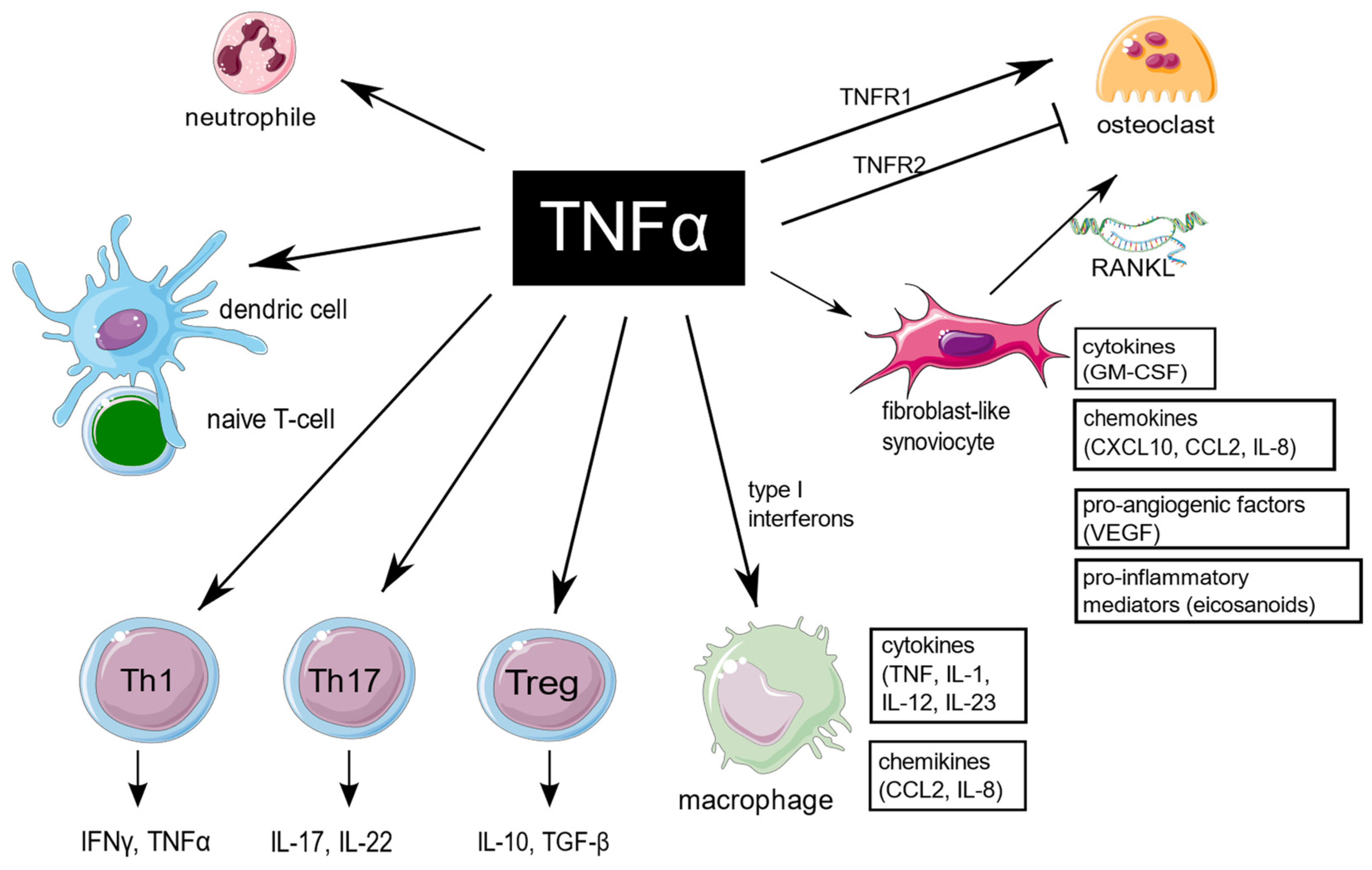
TSLP His Tag Protein: The "Alarm Initiator" of Type 2 Immune Response
2025-12-28TSLP His Tag protein (Thymic Stromal Lymphopoietin) is a four-helix bundle cytokine that plays a critical role at epithelial barrier sites, regarded as the core "alarm initiator" for initiating type 2 immunity and allergic inflammation.
View details
- Immunity/Inflamma
- TSLP His Tag
- cytokine
- type 2 immunity
- allergic inflammation.
TSLP His Tag Protein: The "Alarm Initiator" of Type 2 Immune Response
2025-12-28TSLP His Tag protein (Thymic Stromal Lymphopoietin) is a four-helix bundle cytokine that plays a critical role at epithelial barrier sites, regarded as the core "alarm initiator" for initiating type 2 immunity and allergic inflammation.
View details
- Immunity/Inflamma
- TSLP His Tag
- cytokine
- type 2 immunity
- allergic inflammation.
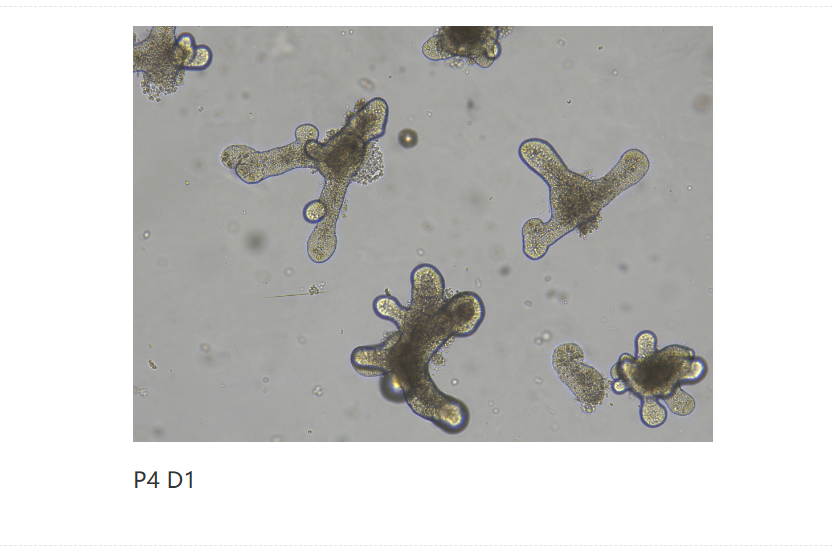
VEGF 120 protein: The "Diffusible Signal Navigator" of Angiogenesis
2025-12-26VEGF 120 protein (commonly referred to as VEGF-A₁₂₁ or VEGF-A₁₆₅, depending on the species nomenclature) is a key splice isoform of vascular endothelial growth factor A (VEGF-A) and serves as a pivotal soluble cytokine regulating both physiological and pathological angiogenesis.
View details
- Stem Cells
- VEGF120
- cytokine
- vascular endothelial growth factor (VEGF).
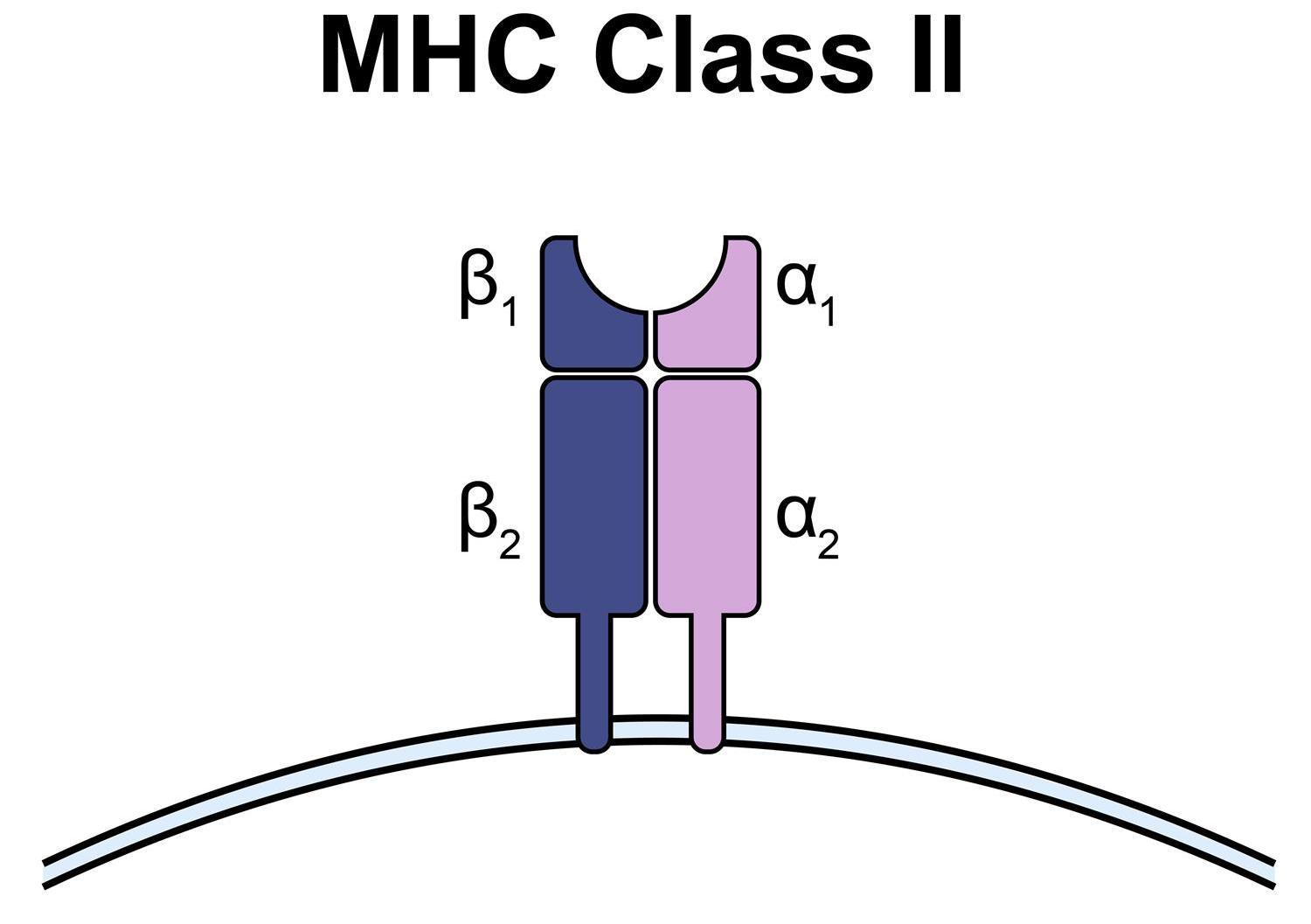
Human IL10/IL10RA Binding Kit: The "Precision Calibrator" of Immunosuppressive Signaling
2025-12-26The Human IL10/IL10RA Binding Kit is an advanced in vitro biophysical research toolkit specifically designed for the precise quantification and kinetic analysis of the binding interactions between interleukin-10 and its high-affinity receptor IL-10Rα.
View details
- Signaling Pathway
- Cytokine
- Human IL-10/IL-10RA Binding Kit
- IL-10.
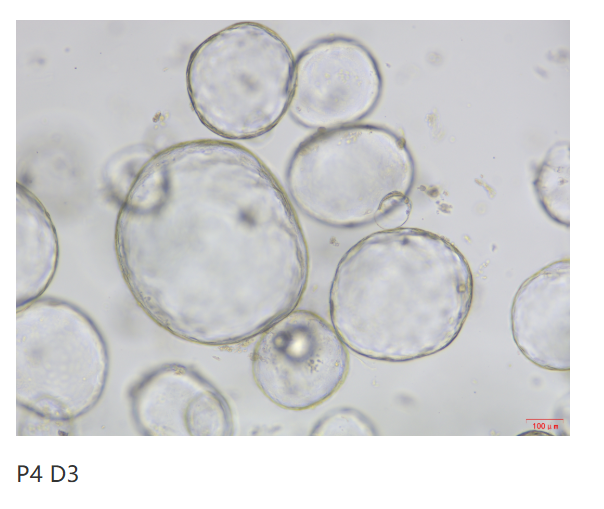
IL-6 (Interleukin-6): The "Versatile Core Coordinator" of Immunity and Inflammation
2025-12-25IL-6 (Interleukin-6) is one of the most versatile and widely influential core members in the cytokine network. It serves not only as a primary inducer of the acute-phase response but also as a critical messenger linking innate and adaptive immunity, while regulating hematopoietic, metabolic, and neuroendocrine systems.
View details
- Immunity/Inflamma
- IL-6
- cytokine
- adaptive immunity
- regulation of hematopoiesis.
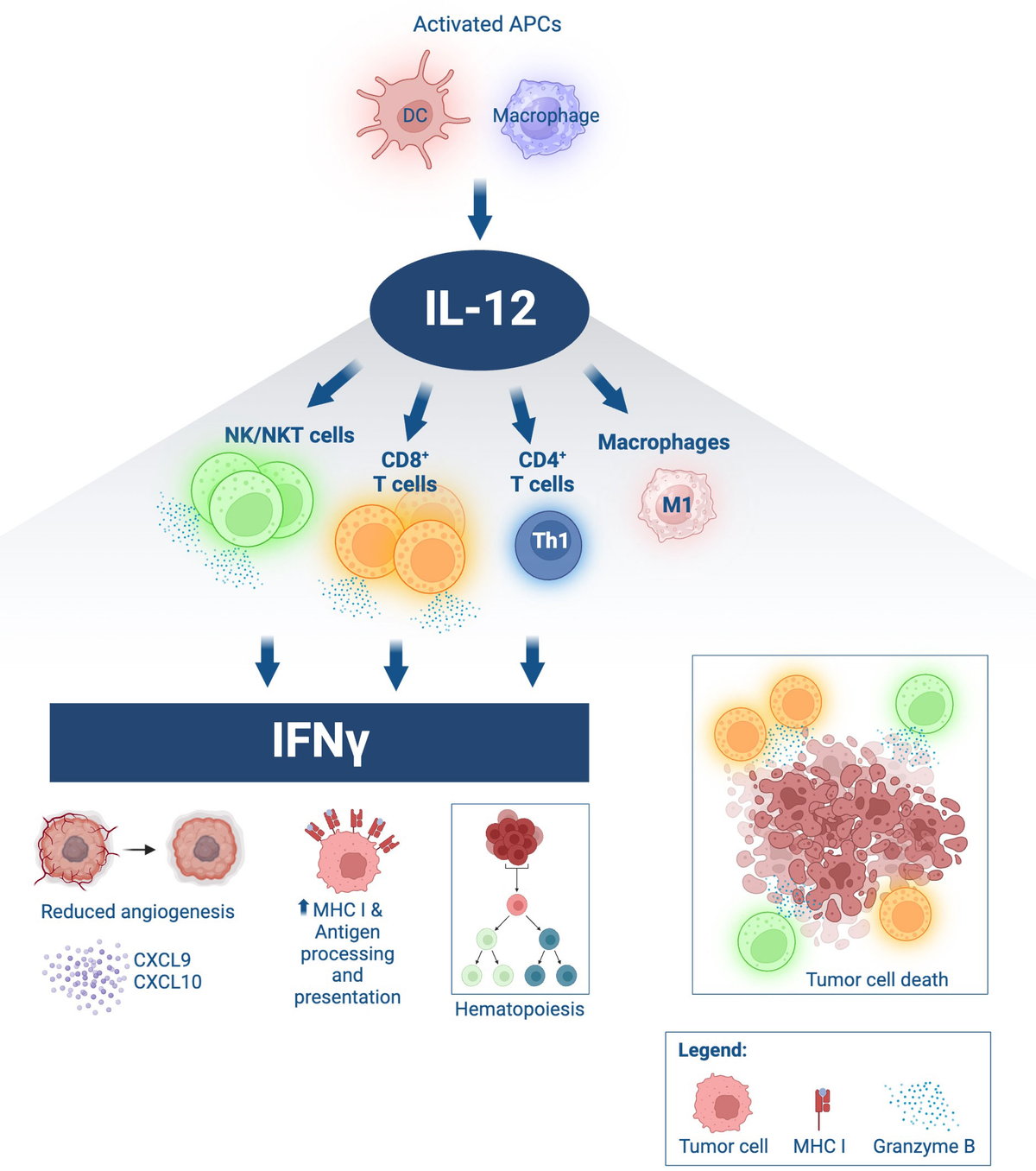
Interleukin-13 (IL-13): The "Executor" of Tissue Repair and Pathological Remodeling
2025-12-17Interleukin-13 (IL-13) is a key effector cytokine in type II immune responses, sharing highly overlapping functions with IL-4 but exhibiting significant differences in target cells. The core role of IL-13 is not to initiate immune responses but to directly act on structural cells in tissues (e.g., epithelial cells, fibroblasts, smooth muscle cells), executing terminal effects such as mucus secretion, tissue fibrosis, and airway hyperresponsiveness. It serves as the central "executor" in the pathogenesis of allergic diseases and tissue repair/fibrosis processes, with its dysfunction directly leading to chronic pathological states characterized by tissue remodeling.
View details
- Immunity/Inflamma
- Interleukin-13 (IL-13)
- cytokine
- tissue fibrosis
- UA protein
- 1
- 2

Link:





©2021-2026 all rights reserved UNIV Biotechnology Co.,Ltd.
Privacy Policy
网站备案号 苏ICP备2025207586号-2 浙公网安备33010202004867号
 Business license (three certificates in one)
 Tel:+86-25-56221161
E-mail:order@ua-bio.com
All products sold on this website shall not be used for clinical diagnosis or treatment of humans or animals, and shall only be used for non-medical purposes such as industrial or scientific research.