Technical Articles
Drug Research
How to Choose a Claudin-4 Protein: His Tag, Detergent and Full-Length Specs
 2026-10-10
A selection guide for Claudin-4 reagents: full-length vs. extracellular domain, His-tag and detergent formulation, and how to pick a membrane protein prep for binding and structural work.
View details
- Drug Research
- Claudin-4 selection
- full-length membrane protein
- His tag
- detergent
- Claudin-4 reagent
- UA060001
What Is Claudin-4: Tight Junctions, Full-Length Membrane Protein and Drug Target
2026-10-10Claudin-4 is a tight-junction protein and an emerging drug target. This article explains its role in barrier integrity and why full-length, detergent-solubilized Claudin-4 matters for research.
View details
- Drug Research
- Claudin-4
- tight junction
- full-length membrane protein
- drug target
- barrier function
- UA060001
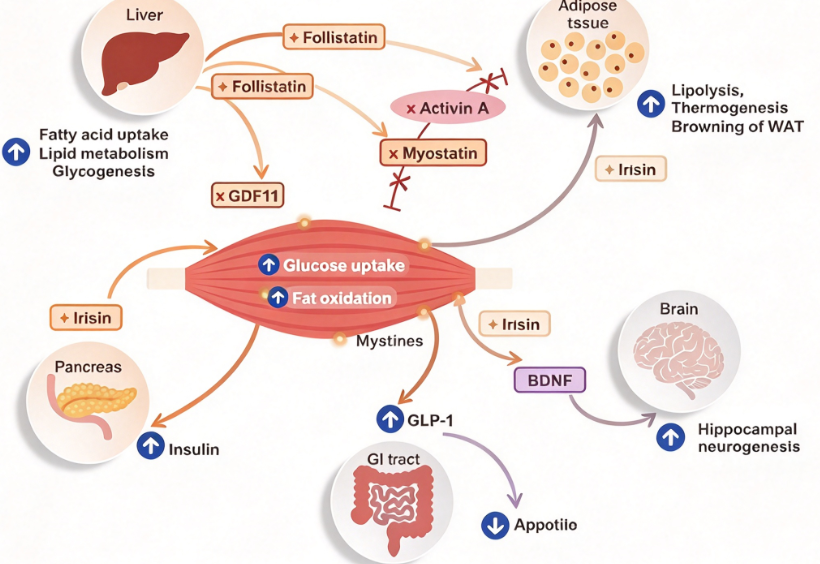
ActRIIA Kinase Activity Inhibitor Screening Kit: A Core Tool from Signal Pathway Analysis to Targeted Drug Discovery
2026-10-09This article systematically elaborates on the molecular characteristics of ActRIIA as a TGF-β superfamily receptor and its core functions in muscle growth, metabolic regulation, and tissue fibrosis, centered on the technical principles and application systems of the ActRIIA kinase activity inhibitor screening kit. It analyzes the critical role of kinase activity detection in ActRIIA-targeted drug screening and explores the application strategies of the inhibitor screening kit in compound activity evaluation and structure-activity relationship studies.
View details
- Drug Research
- ActRIIA kinase activity inhibitor screening kit
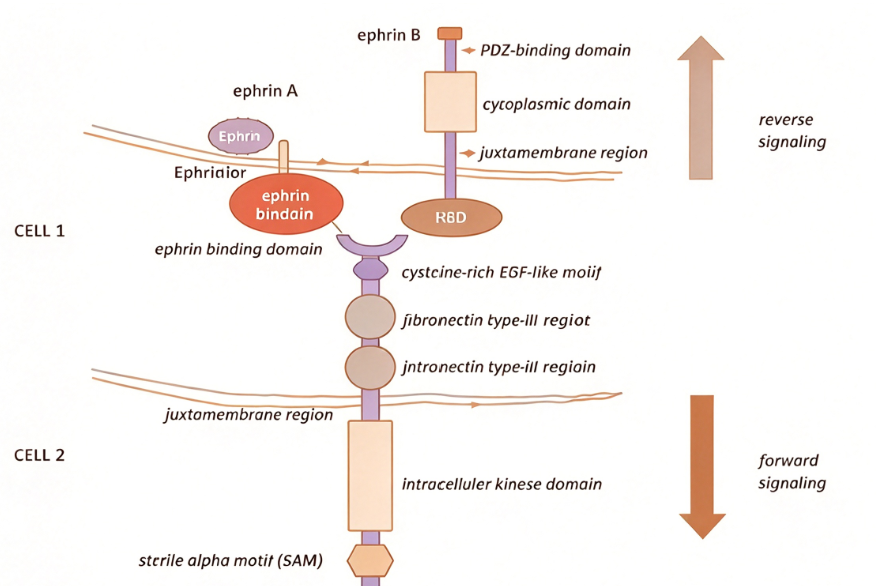
ActRIIB Kinase Activity Inhibitor Screening Kit: From Signaling Pathway Analysis to Targeted Drug Discovery
2026-10-09This article systematically elaborates on the technical principles and application systems of the ActRIIB kinase activity inhibitor screening kit, highlighting the central role of activin receptor type IIB in TGF-β superfamily signal transduction and its value as a drug target in disease areas. It analyzes key technical aspects of kinase activity detection in inhibitor screening and explores the application strategies of this kit in drug development for indications such as muscular atrophy, metabolic diseases, and anemia.
View details
- Drug Research
- ActRIIB kinase activity inhibitor screening kit
"Perfect in Every Way · Gifts for Research"
2026-10-08"Perfect in Every Way · Gifts for Research"
View details
- Drug Research
- cytokines
- target proteins
- enzyme preparations
- bioluminescence detection
- activation polarization kits
- drug screening kits

Molecular Glue Drugs: From Event-Driven Mechanisms to Chemically Induced Proximity Effects—A New Generation of Therapeutic Strategies
2026-10-08This article systematically elucidates the "event-driven" pharmacological characteristics of molecular glue drugs, distinguishing them from traditional small molecules, by focusing on their mechanisms of action and therapeutic applications. It analyzes the molecular basis by which molecular glues induce the proximity of two proteins to form ternary complexes, thereby triggering target protein degradation, and explores the broad applications of chemically induced proximity effects in fields such as protein degradation, signal regulation, and gene editing.
View details
- Drug Research
- Molecular glue drugs
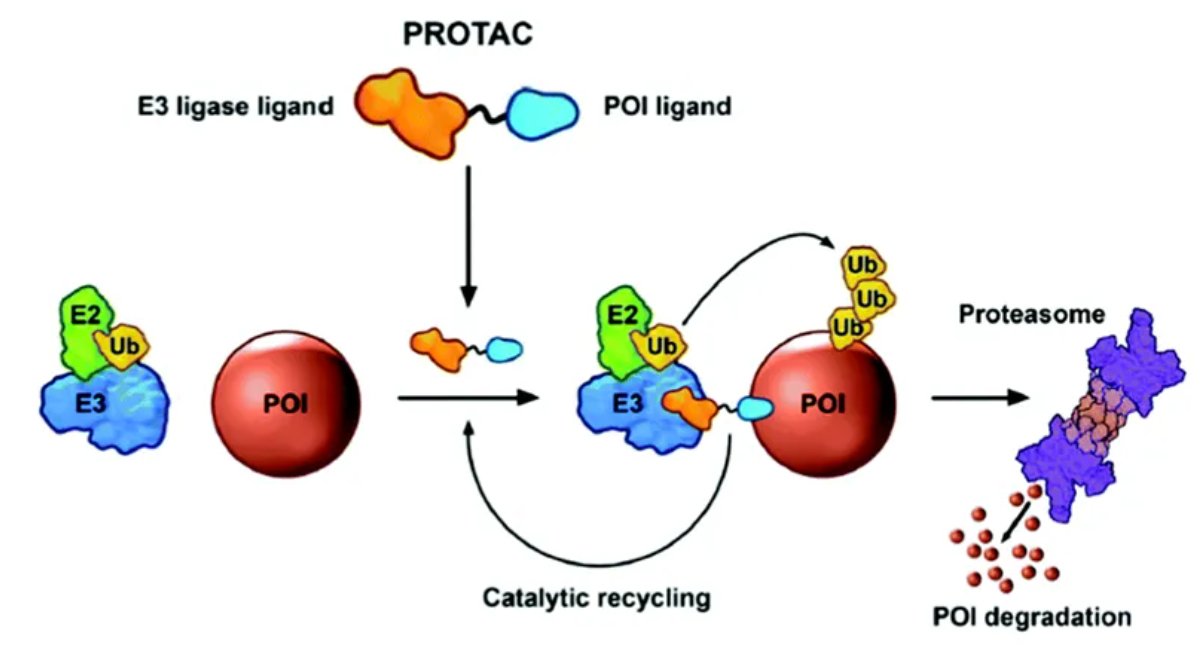
PROTAC Degrader Development: Core Technological Advances from Target Selectivity to Tissue Specificity
2026-10-08This article systematically elaborates on the advantages of targeted protein degradation strategies over traditional small-molecule inhibitors, focusing on the core technical challenges and latest advancements in PROTAC degrader development. It analyzes key design principles of PROTACs in terms of target selectivity, E3 ligase pairing, and ternary complex cooperativity, and explores emerging strategies such as tissue-specific E3 ligases, photo-controllable PROTACs, and antibody-PROTAC conjugates in enhancing tissue selectivity.
View details
- Drug Research
- PROTAC Degrader Development
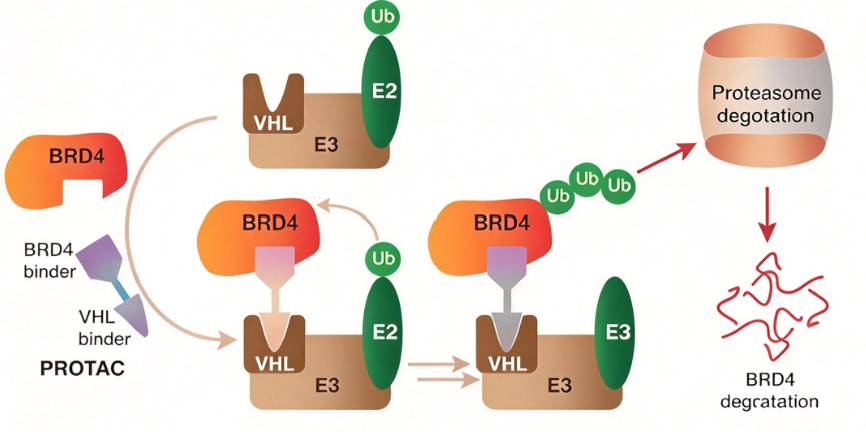
BRD4(BD2)/H4 Binding Assay Kit: From TR-FRET Principle to Isoform-Selective Inhibitor Screening
2026-09-30This article systematically elucidates the molecular characteristics of BRD4's second bromodomain (BD2) recognizing histone H4 acetylation modifications and its functional role in gene transcription regulation and tumorigenesis, centered on the technical principles and application systems of the BRD4(BD2)/H4 binding detection kit. It analyzes the detection principle and signal generation mechanism based on homogeneous time-resolved fluorescence resonance energy transfer (HTRF) technology and explores the application strategies of this kit in the screening of BRD4 isoform-selective inhibitors and high-throughput drug discovery.
View details
- Drug Research
- BRD4(BD2)/H4 Binding Detection Kit
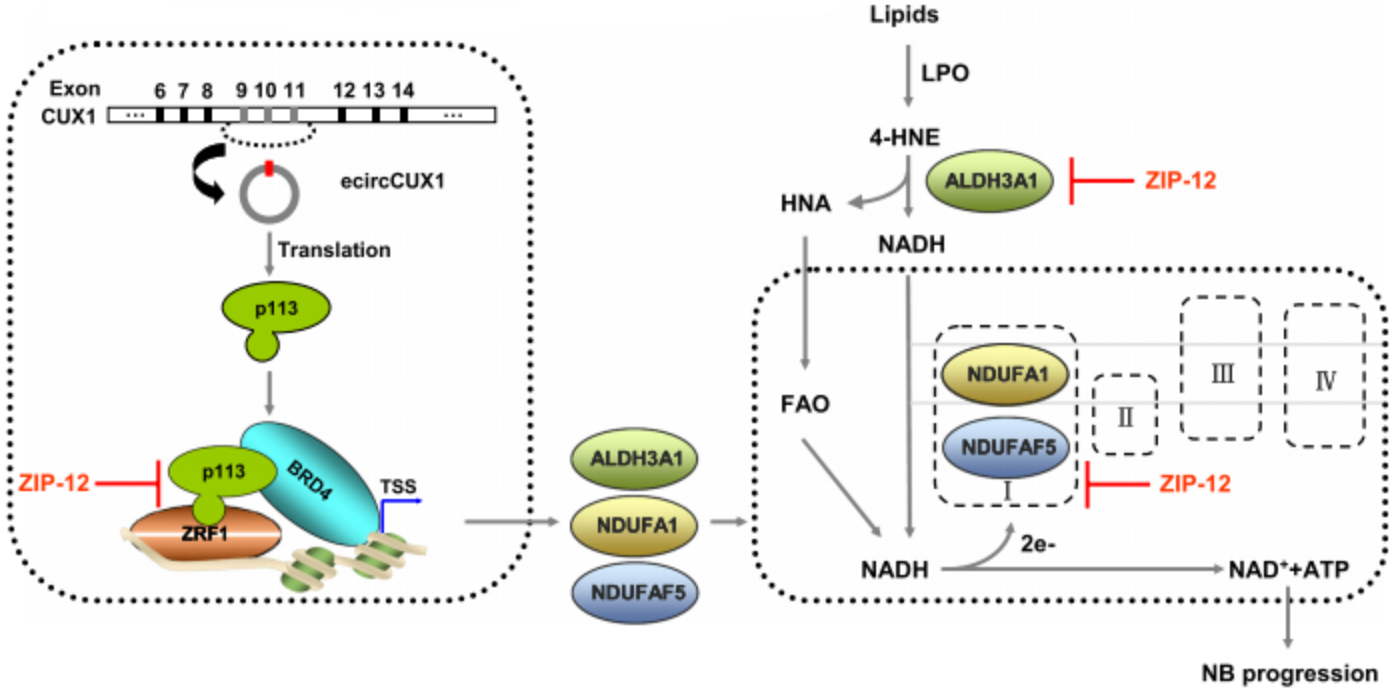
BRD4(BD1)/H4 Binding Assay Kit: From TR-FRET Principle to High-Throughput Screening of Small Molecule Inhibitors
2026-09-30This article systematically elucidates the molecular basis of BRD4 bromodomain recognition of histone H4 acetylation modifications and its central role in gene transcription regulation, focusing on the technical principles and application systems of the BRD4(BD1)/H4 binding detection kit. It analyzes the detection principle and signal generation mechanism based on homogeneous time-resolved fluorescence resonance energy transfer (HTRF) technology and explores the application strategies of this kit in evaluating small molecule-mediated protein-peptide interactions and high-throughput screening.
View details
- Drug Research
- BRD4(BD1)/H4 Binding Assay Kit

ITK/CRBN PROTAC Binding Detection Kit: The Core Tool for Targeted Degradation Research in Sepsis-Associated Neuroinflammation
2026-09-30This article systematically elucidates the molecular mechanism by which ITK participates in sepsis-induced depressive-like behaviors through regulating the Th17/Treg balance, focusing on the pathological role of ITK in sepsis-related neuroinflammation and its potential as a target for degradation research. It analyzes the regulatory role of the ITK signaling pathway in oxidative neuroinflammation and antioxidant defense, and explores the novel approach provided by CRBN-based PROTAC technology for targeted degradation of ITK.
View details
- Drug Research
- ITK/CRBN PROTAC Binding Detection Kit
- 1
- 2
- 3
- 4
- 5
- 6
- 14

Link:





©2021-2026 all rights reserved UNIV Biotechnology Co.,Ltd.
Privacy Policy
网站备案号 苏ICP备2025207586号-2 浙公网安备33010202004867号
 Business license (three certificates in one)
 Tel:+86-25-56221161
E-mail:order@ua-bio.com
All products sold on this website shall not be used for clinical diagnosis or treatment of humans or animals, and shall only be used for non-medical purposes such as industrial or scientific research.