




Technical Articles
Embryonic Development
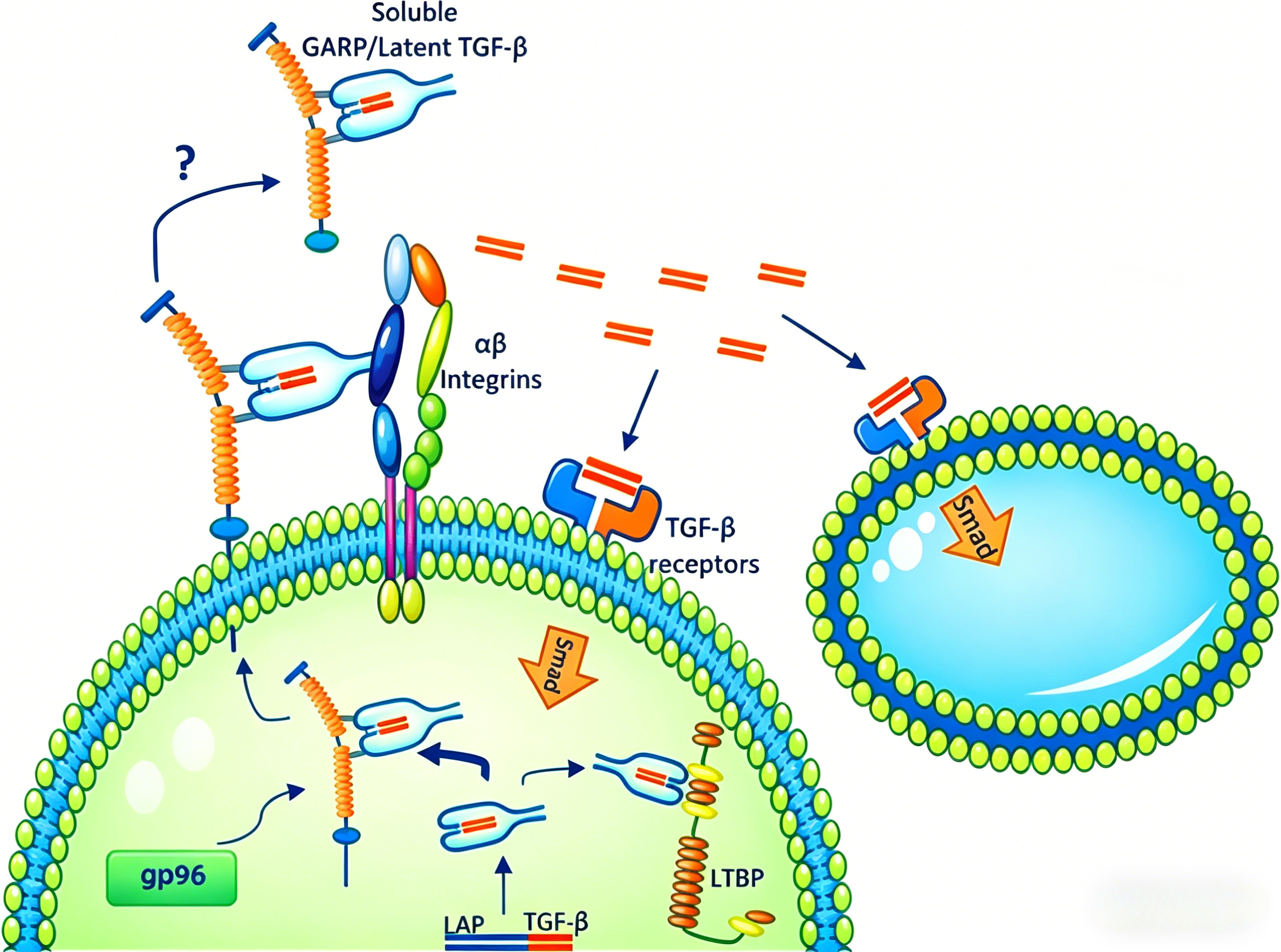
Study on the interaction between TGF-β1 protein and GARP and its role in tumor immunity
 2026-04-21
TGF-β1 protein is a multifunctional cytokine that plays an important role in biological processes such as cell proliferation, development, apoptosis, fibrosis, angiogenesis, wound healing, and cancer.
View details
- Cancer
- TGF-β1 Protein
- Tumor Immunity
- Embryonic Development

Structural characteristics and biological functions of RSPO3 protein
2026-04-20The RSPO3 protein is a member of the R-spondin protein family, which includes four members: RSPO1, RSPO2, RSPO3, and RSPO4. The RSPO3 protein consists of approximately 270 amino acids, has a molecular weight of about 30 kilodaltons, and is a secreted glycoprotein.
View details
- Stem Cells
- RSPO3 Protein
- Signal Transduction
- Embryonic Development
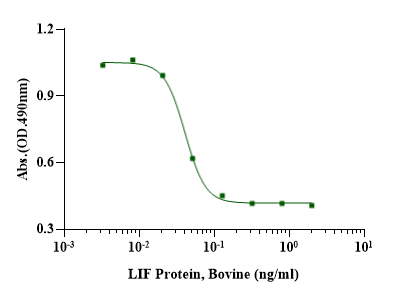
Structural Characteristics and Biological Functions of LIF Protein
2026-04-03Leukemia inhibitory factor belongs to the IL-6 cytokine family and is a multifunctional glycoprotein. This protein consists of 180 amino acid residues, with a molecular weight of approximately 20 to 25 kilodaltons, and contains seven α-helical domains, forming a typical four-helix bundle structure.
View details
- Cell Biology
- LIF Protein
- Signal Transduction
- Embryonic Development

Research and Application of FGF-basic Protein in the Fibroblast Growth Factor Family
2026-03-25The fibroblast growth factor protein family is a group of multifunctional cell growth factors that play a broad and critical role in the development, growth, and repair processes of organisms.
View details
- Cell Biology
- FGF-basic (154aa) Protein
- Cell Growth Factor
- Embryonic Development
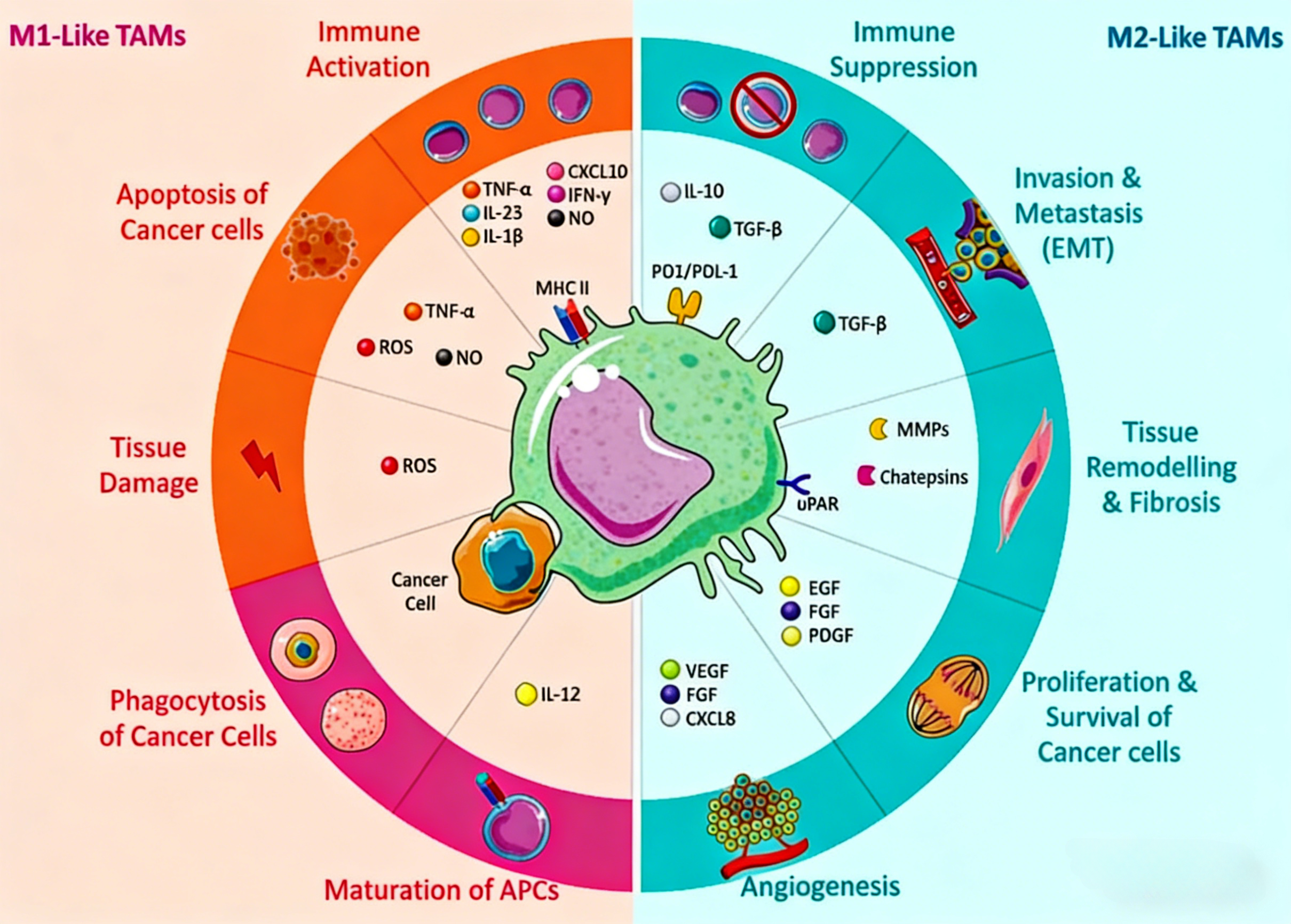
Macrophage Polarization and Its Role in the Tumor Microenvironment
2026-03-18Macrophages are highly heterogeneous immune cells with significant ontogenic differences in their origins. During embryonic development, certain tissue-resident macrophages, such as Langerhans cells in the skin, microglia in the central nervous system, Kupffer cells in the liver, and alveolar macrophages, originate from yolk sac and fetal liver precursors. These cells maintain tissue homeostasis through self-renewal.
View details
- Cancer
- Macrophages
- Tumor Microenvironment
- Embryonic Development
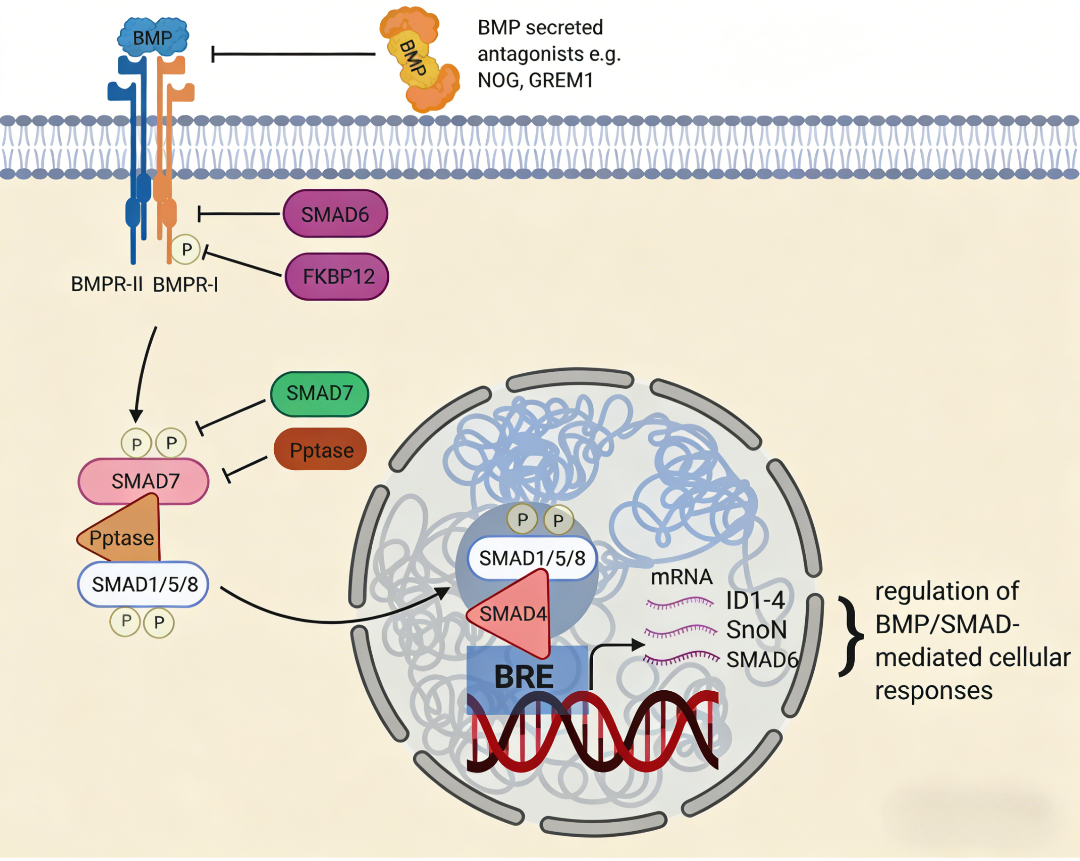
Regulation of the Bone Morphogenetic Protein Pathway, Detection Techniques, and Evaluation Applications of the Core Inhibitor Noggin
2026-01-28Bone Morphogenetic Proteins (BMPs) belong to the transforming growth factor-β (TGF-β) superfamily and are key signaling molecules that regulate embryonic development, organ formation, and postnatal tissue homeostasis.
View details
- Signaling Pathway
- Noggin protein
- Bone morphogenetic protein
- Embryonic development
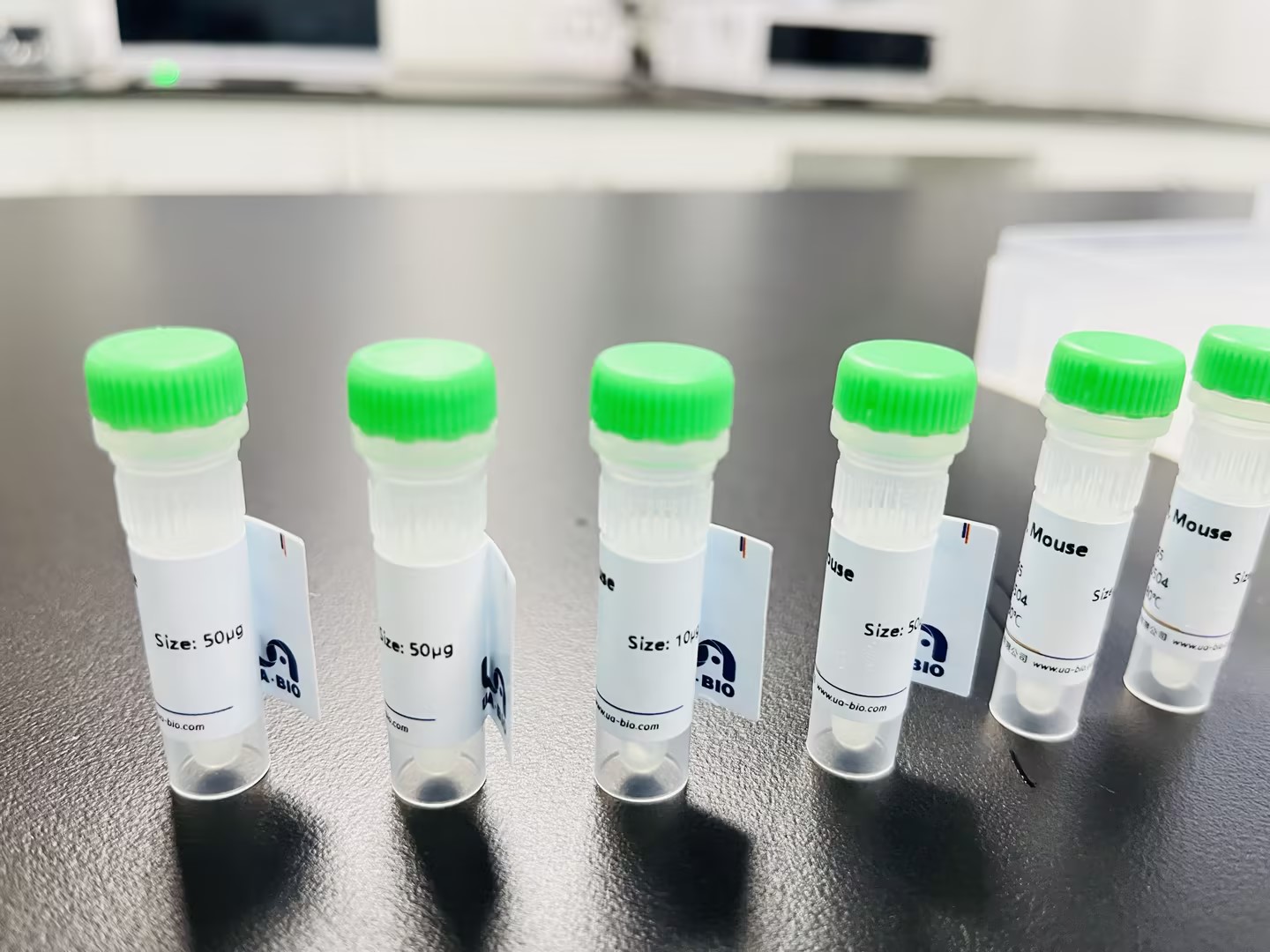
Noggin protein: The "molecular sculptor" of developmental patterns
2025-12-26Noggin is a secreted glycoprotein and a key morphogen antagonist that regulates embryonic development and organ formation.
View details
- Stem Cells
- Noggin
- recombinant protein
- embryonic development
- antagonist.
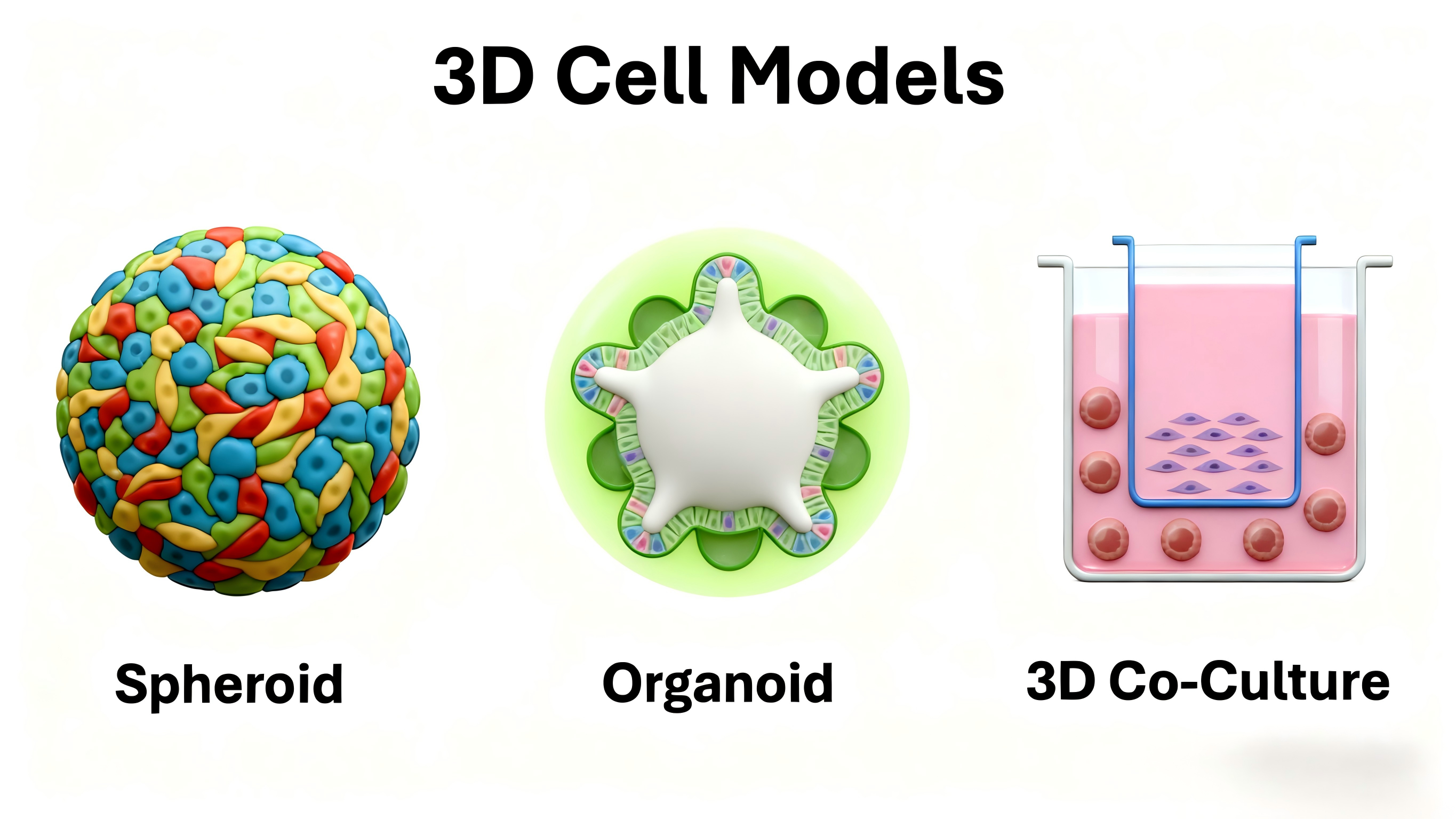
DKK-1 Protein: The "Gatekeeper" of Bone Metabolism and the "Double-Edged Sword" in Cancer Therapy
2025-12-02Dickkopf-1 protein is a key endogenous inhibitor of the Wnt/β-catenin signaling pathway, hailed as the "molecular brake" of bone metabolism. It plays a central regulatory role in embryonic development, bone formation, and tissue homeostasis.
View details
- Cell Biology
- DKK-1
- Wnt/β-catenin
- Embryonic Development
- Bone Formation
- 1

Link:





©2021-2026 all rights reserved UA Biotechnology Co.,Ltd.
Privacy Policy 
网站备案号 浙ICP备2022019033号-2 浙公网安备33010202004867号
 Business license (three certificates in one)
 Tel:+86-25-56221161
E-mail:order@ua-bio.com
All products sold on this website shall not be used for clinical diagnosis or treatment of humans or animals, and shall only be used for non-medical purposes such as industrial or scientific research.
