Technical Articles
FGF-10
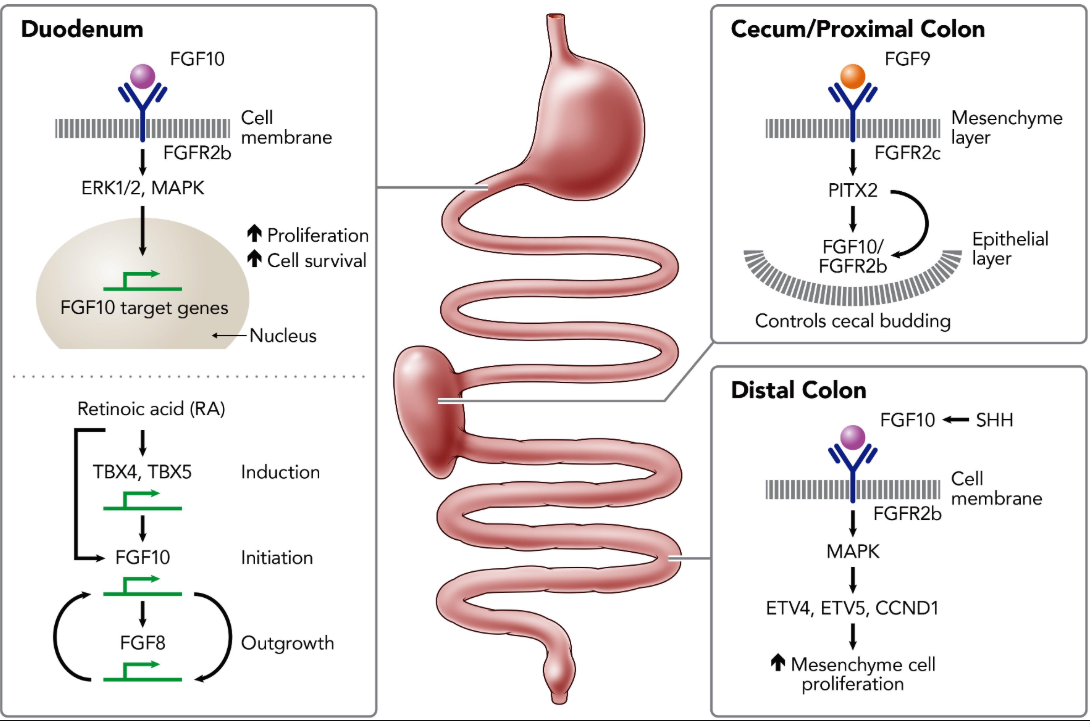
The neuroprotective and tissue-repairing functions of FGF-10 in ischemic stroke
 2026-08-13
This article systematically elucidates the molecular basis of the neuroprotective effects of FGF-10 in the treatment of ischemic stroke, highlighting its multiple mechanisms, including suppressing neuroinflammation, preserving blood-brain barrier integrity, and promoting angiogenesis.
View details
- Stem Cells
- FGF-10
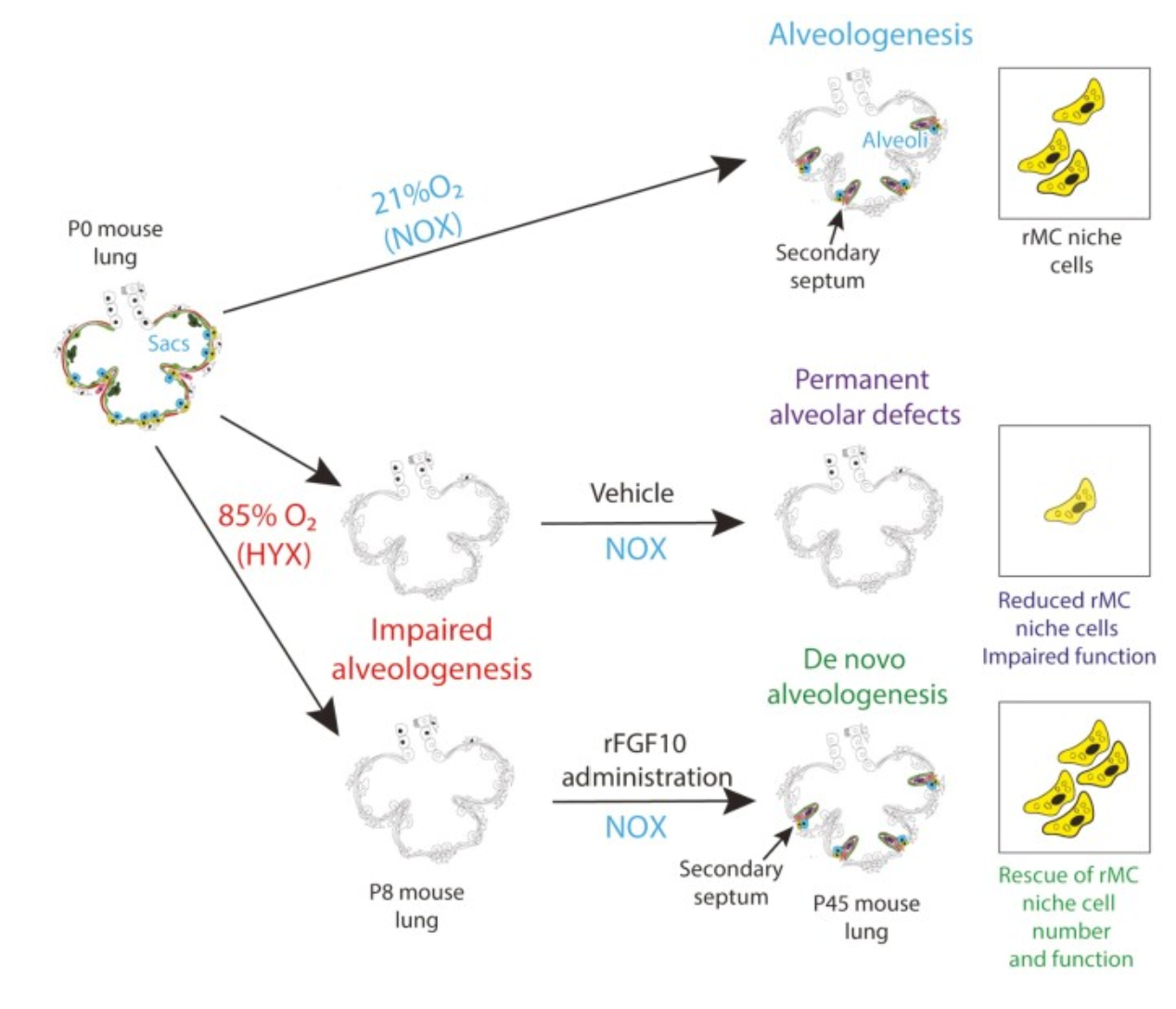
Thermostable FGF Technology: A Revolutionary Tool for Enhancing Cell Culture Efficiency and Its Applications in Organoid Research
2026-08-05This article systematically elucidates the central role of fibroblast growth factor (FGF) family members in cell culture and the technical challenges posed by their thermal instability. It highlights the principles of thermally stable FGF technology in enhancing stability and bioactivity through protein engineering, and analyzes the unique application value of FGF-10 as a key member in organoid research.
View details
- Stem Cells
- FGF-10
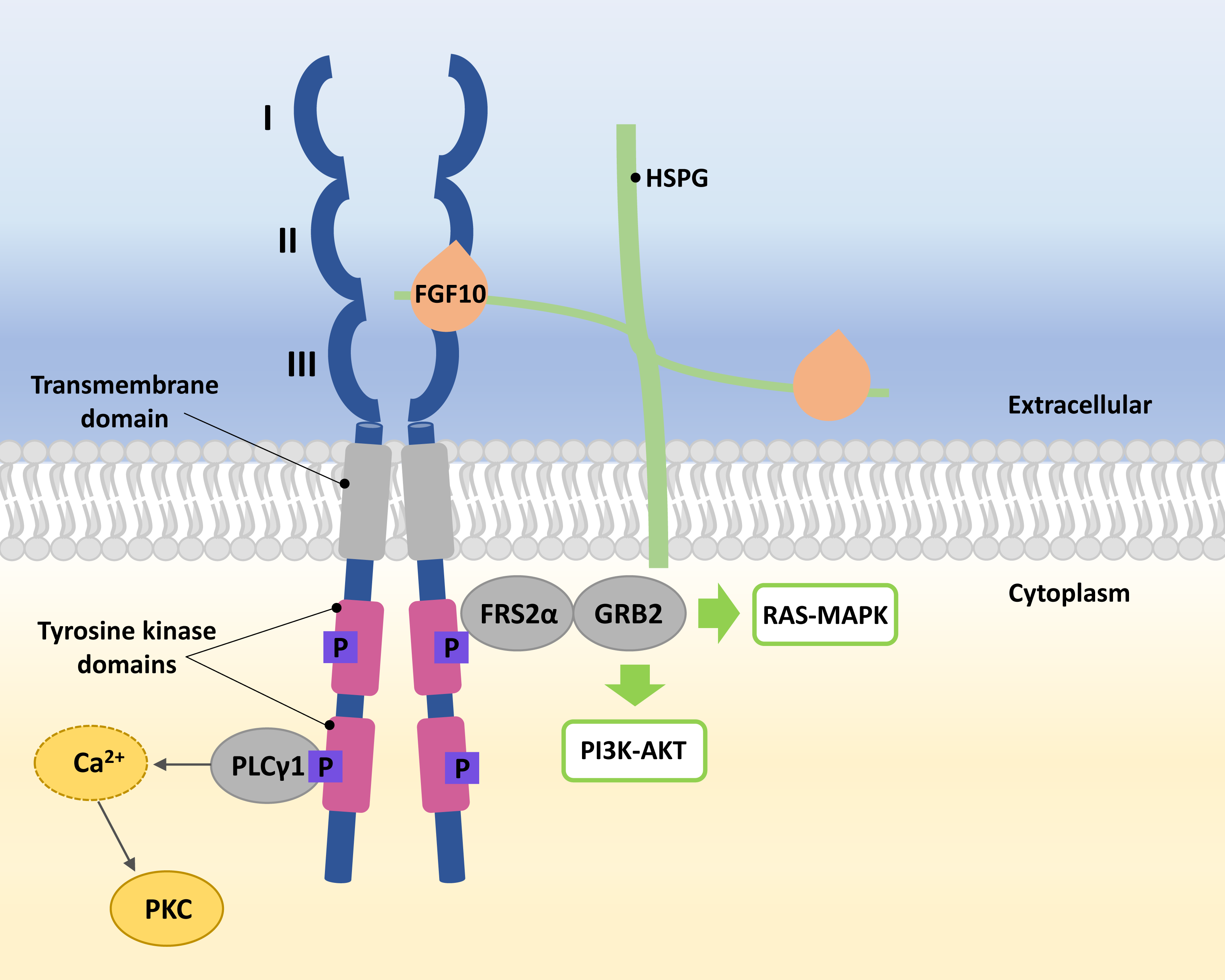
FGF-10: The "Architect" of Organ Morphogenesis and the "Double-Edged Sword" in Disease Repair
2025-11-21FGF-10, fully known as fibroblast growth factor-10, is a member of the FGF-7 subfamily within the FGF family. One of its most notable features is that it primarily functions through a paracrine mechanism, meaning it is secreted by mesenchymal cells and acts on neighboring epithelial cells.
View details
- Immunity/Inflamma
- FGF-10
- Metabolic diseases
- Congenital lung disease.
- 1

Link:





©2021-2026 all rights reserved UNIV Biotechnology Co.,Ltd.
Privacy Policy
网站备案号 苏ICP备2025207586号-2 浙公网安备33010202004867号
 Business license (three certificates in one)
 Tel:+86-25-56221161
E-mail:order@ua-bio.com
All products sold on this website shall not be used for clinical diagnosis or treatment of humans or animals, and shall only be used for non-medical purposes such as industrial or scientific research.