

Technical Articles
IFN-γ

Cytokine Quantification Standards: Why Standardization Matters Across Platforms
 2026-10-15
This article reviews the growing role of cytokine quantification standards in infection and tumor immunology research, the challenge of cross-platform comparability, traceability and the industrial significance of calibrated standards.
View details
- Immunity/Inflamma
- cytokine quantification
- standardization
- traceability
- cross-platform comparability
- IFN-γ
- Luminex
- MSD
- UA040272-STD
T-cell detection for tuberculosis infection: Application and value of interferon-gamma release assays
2026-08-11This article focuses on the central role of gamma interferon in T-cell detection of tuberculosis infection, systematically elaborating on the immunological principles and methodological procedures of IGRA technology, and analyzing its clinical application value and limitations in latent tuberculosis screening and auxiliary diagnosis of active tuberculosis.
View details
- Immunity/Inflamma
- IFN-γ
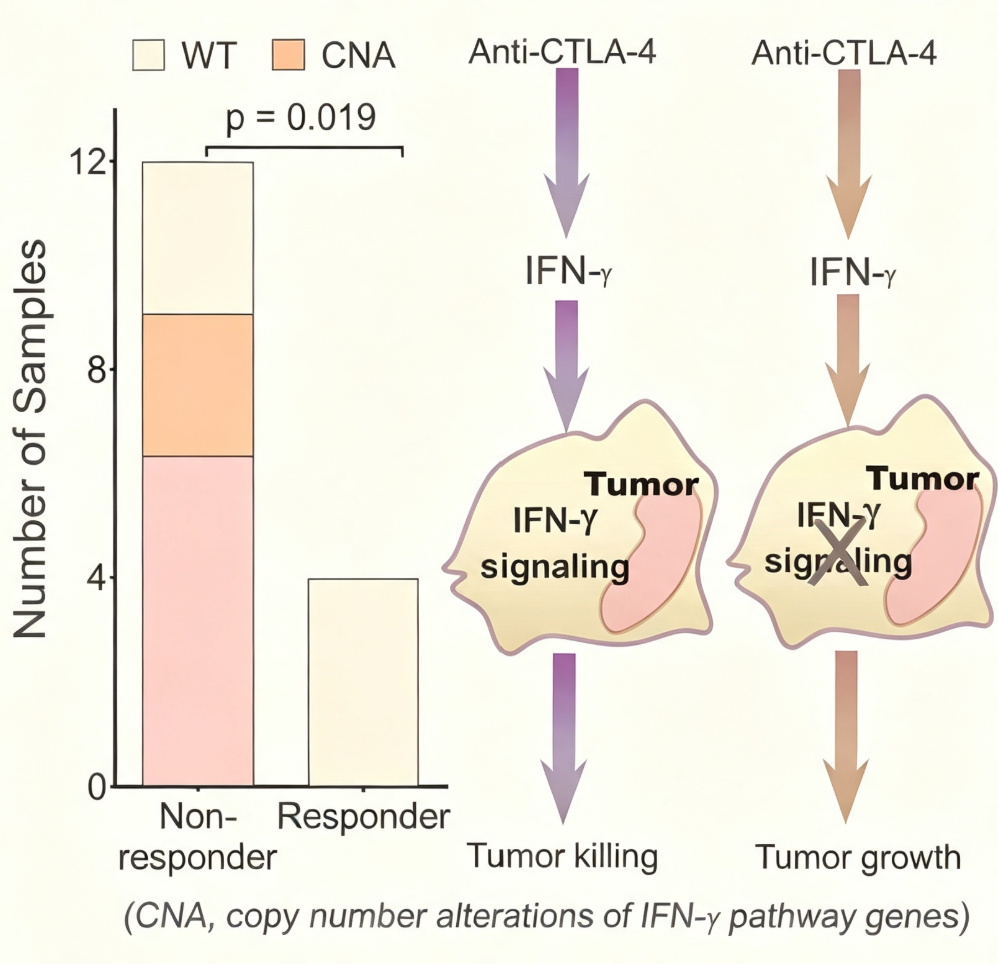
The Dual Role of IFN-γ: A Double-Edged Sword Effect in Tumor Immunity
2026-08-05This article focuses on the complex role of interferon-gamma (IFN-γ) in tumor immunity, systematically elucidating its anti-tumor mechanisms mediated through activating immune cells, promoting antigen presentation, and inducing chemokine production, while also analyzing its pro-tumor effects under specific conditions, such as inducing immune cell apoptosis, upregulating immune checkpoint molecules, and promoting angiogenesis.
View details
- Immunity/Inflamma
- IFN-γ
Th1 cell polarization cytokines: The "central command" of cellular immunity and its double-edged role in defense and autoimmunity
2025-12-05Th1 cell polarization is a core process in adaptive immune responses, precisely driven by key cytokines such as IL-12 and IFN-γ. This process shapes type 1 immunity characterized by macrophage activation and cytotoxic T cell responses, serving as a cornerstone for eliminating intracellular pathogens.
View details
- Immunity/Inflamma
- Th1 Cells
- Cytokines
- IL-12
- IFN-γ
IFN-γ: The immune system's "conductor," maintaining a delicate balance between defense and self-attack
2025-12-01Interferon-gamma (IFN-γ) is a crucial cytokine in the immune system, serving as a bridge between innate and adaptive immunity, and plays a complex and pivotal role in combating infections, suppressing tumors, and the development of autoimmune diseases.
View details
- Immunity/Inflamma
- IFN-γ
- Interferon-gamma
- Immunoregulation
- Autoimmune Diseases
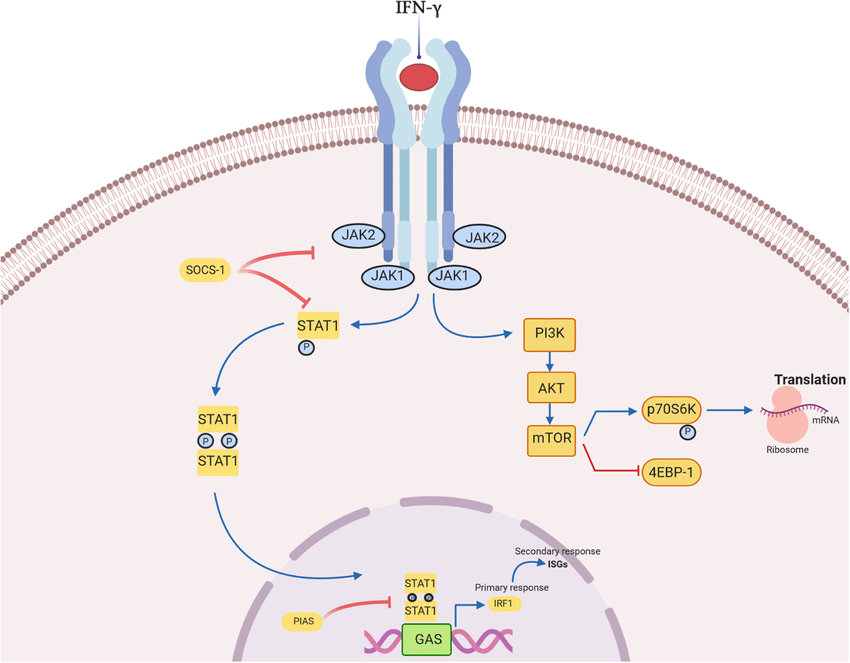
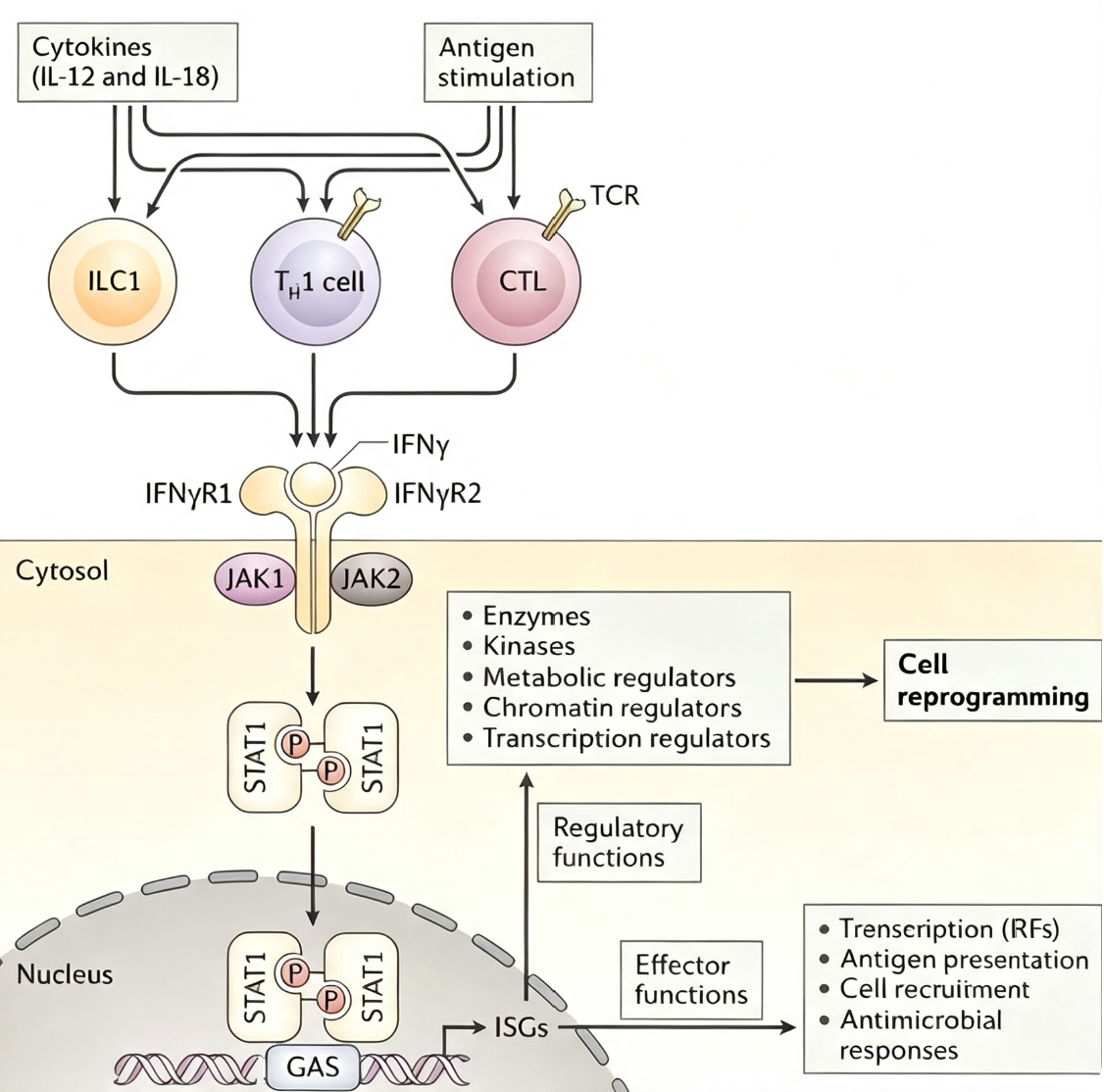
IFN-γ: The Immune System's "Messenger and Commander"
2025-11-14**Interferon-gamma (IFN-γ)**, the sole member of the type II interferon family, differs from the primarily antiviral type I interferons by specializing in immune regulation. It is predominantly produced by activated immune cells, including **Natural Killer (NK) cells** which serve as the innate immune system's rapid-response force and are the primary early source of IFN-γ.
View details
- Cancer
- IFN-γ
- immunoregulation
- cancer
Efficient Expansion of Highly Active CIK Cells: The Central Role of Cytokines in Adoptive Immunotherapy for Tumors
2025-10-28Cytokine-induced killer (CIK) cells demonstrate broad application prospects in adoptive immunotherapy for tumors. As a highly efficient, non-MHC-restricted killer cell population, CIK cells can effectively recognize and eliminate various tumor cells with minimal side effects.
View details
- Cell Biology
- CIK cells
- IL-1
- IL-2
- IFN-γ
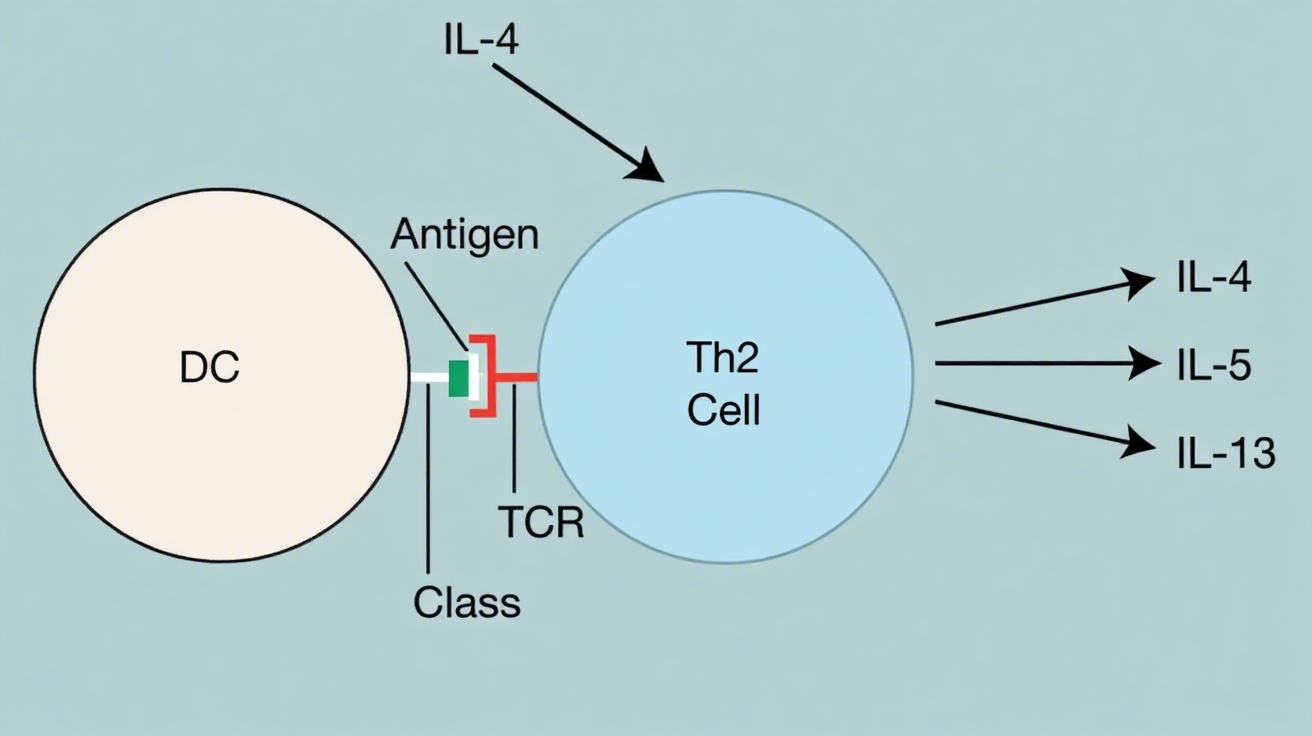
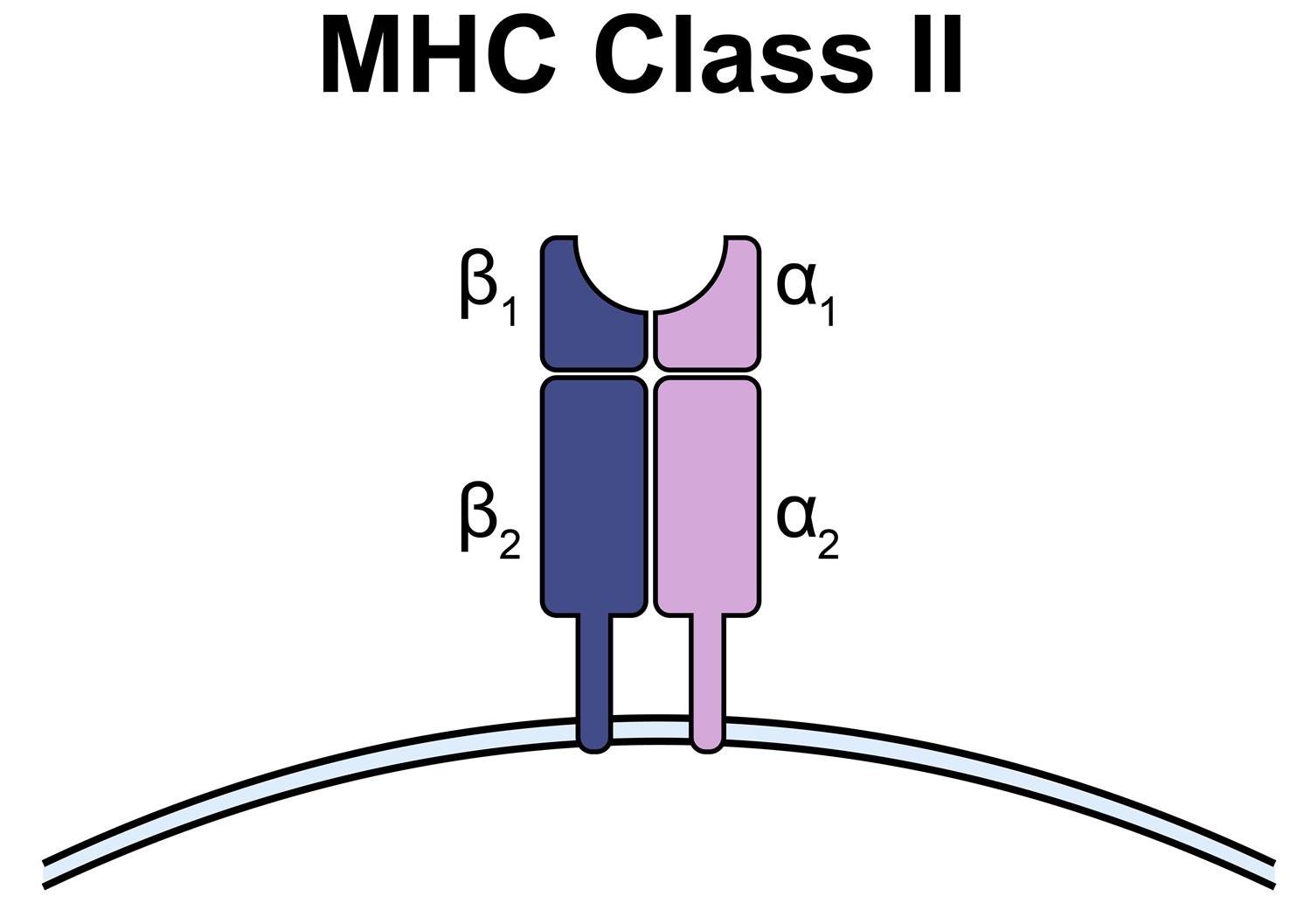
Th2 Cells: How Do They Orchestrate Immune Regulation and Drive Disease Pathogenesis?
2025-10-12Th2 cells, as a crucial subset of CD4+ helper T cells, undergo a precisely regulated differentiation process. Naïve CD4+ T cells recognize the MHC class II-peptide complex on the surface of antigen-presenting cells through their T cell receptor, receiving the first signal; simultaneously, they obtain the second signal through costimulatory molecules such as CD28, thereby completing the dual-signal activation.
View details
- Immunity/Inflamma
- IL-2
- IL-4
- CD3
- CD28
- IFN-γ

Research progress of IFN - γ in immune regulation and disease treatment: from molecular mechanism to clinical translation
2025-07-10IFN - γ, as the only member of type II interferon, plays a central regulatory role in the immune system. Its biological function far exceeds the initially discovered antiviral effect, and it has been confirmed that IFN - γ is involved in regulating multiple immune response processes, including innate and adaptive immunity.
View details
- Immunity/Inflamma
- IFN-gamma
- IFN-γ
- 1

Link:





©2021-2026 all rights reserved UNIV Biotechnology Co.,Ltd.
Privacy Policy
网站备案号 苏ICP备2025207586号-2 浙公网安备33010202004867号
 Business license (three certificates in one)
 Tel:+86-25-56221161
E-mail:order@ua-bio.com
All products sold on this website shall not be used for clinical diagnosis or treatment of humans or animals, and shall only be used for non-medical purposes such as industrial or scientific research.