




Technical Articles
Immune regulation
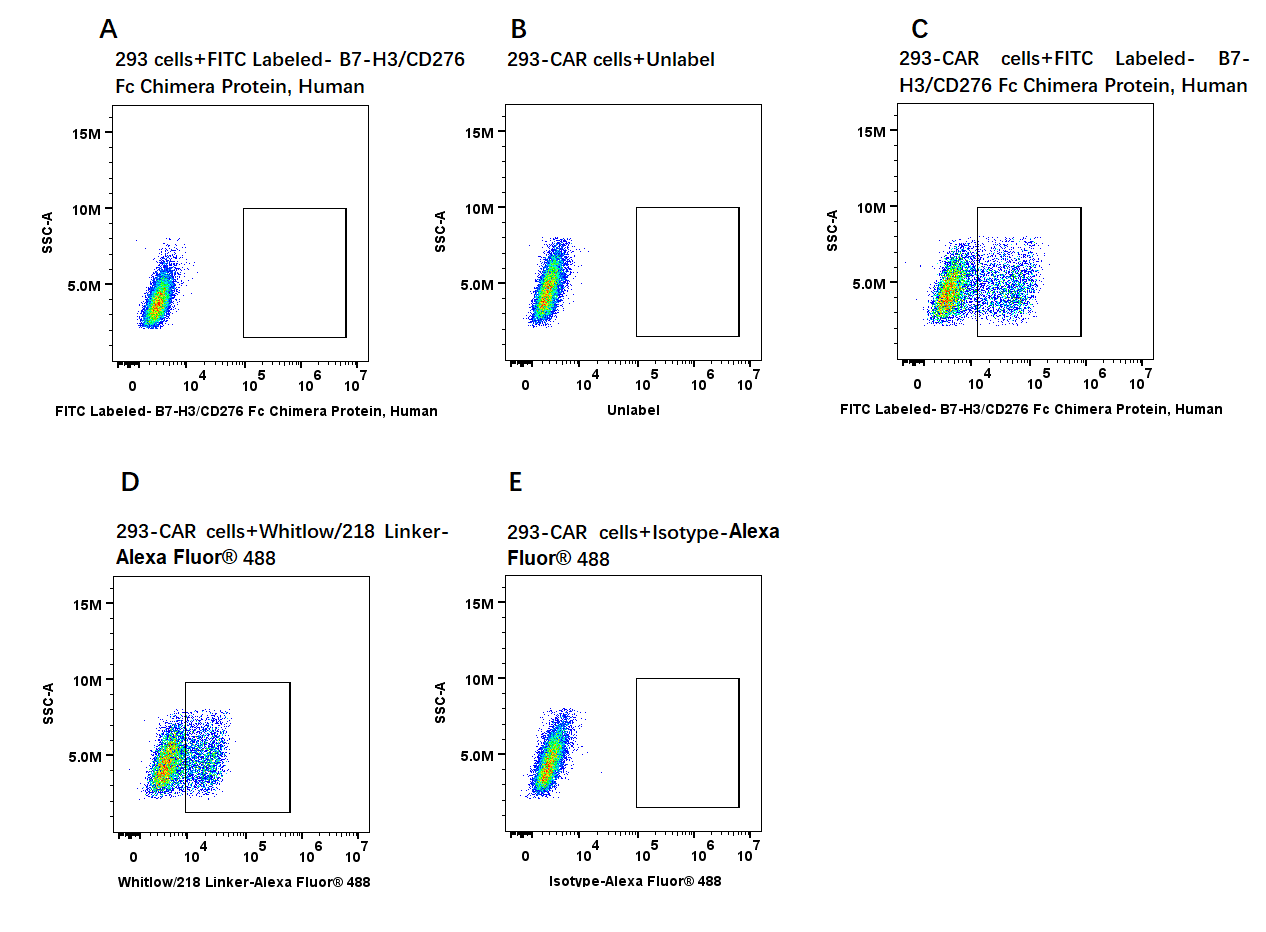
Application of FITC-labeled B7-H3/CD276 Fc chimeric protein in tumor immune-targeted therapy research
 2026-04-29
B7-H3 is a type I transmembrane protein belonging to the B7 family of immune co-stimulatory and co-inhibitory molecules, encoded by chromosome 15q24. It consists of an extracellular domain, a transmembrane domain, and a short intracellular domain, with no known signaling motifs.
View details
- Cancer
- B7-H3/CD276 Protein
- Tumor Immunity
- Immune Regulation
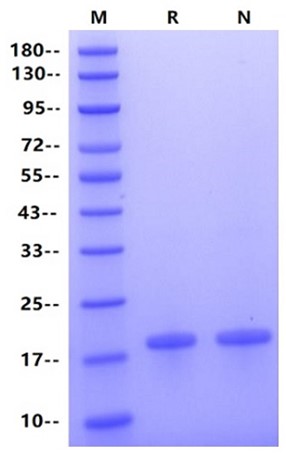
Study on the Role of TNF-α Protein in the Pathogenesis of Recurrent Miscarriage
2026-04-22Recurrent miscarriage refers to the loss of three or more fetuses before the 28th week of pregnancy. Since the risk of another miscarriage after two occurrences is similar to that after three, domestic experts recommend that attention and evaluation should be given after two miscarriages.
View details
- Stem Cells
- TNF-α Protein
- Recurrent Miscarriage
- Immune Regulation
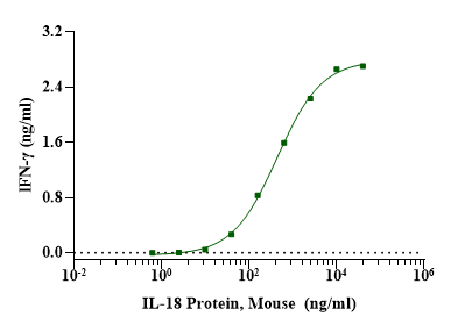
Biological Activity and Clinical Application Research of IL-18 Protein
2026-04-02IL-18 protein is a multifunctional cytokine whose biological functions are not species-specific and play an important role in inflammatory responses, immune regulation, and disease development.
View details
- Immunity/Inflamma
- IL-18 Protein
- Inflammatory Response
- Immune Regulation
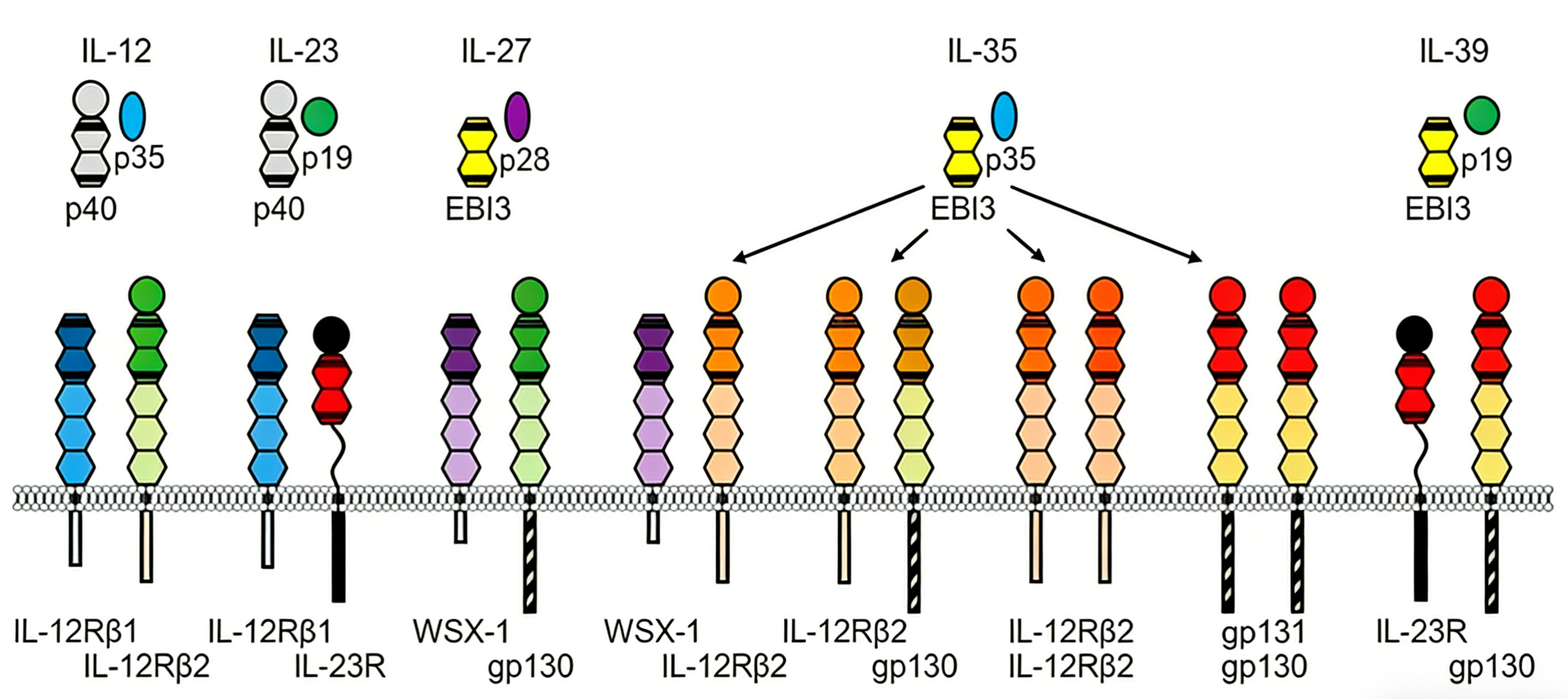
Structural characteristics, signaling pathways, and immunoregulatory functions of IL-12 protein
2026-04-01Cytokines are a broad category of soluble proteins, including monokines, glycoproteins, lymphokines, interferons, and interleukins. These secreted proteins act on targets through various immunological pathways such as apoptosis, growth, development, and differentiation, regulated by a series of control and negative feedback mechanisms.
View details
- Immunity/Inflamma
- IL-12 Protein
- Signaling Pathway
- Immune Regulation
Biological Functions and Clinical Research Progress of IL-5 Protein
2026-03-31IL-5 protein is a pleiotropic cytokine, also known as T-cell replacing factor, eosinophil colony-stimulating factor 1, and eosinophil differentiation factor. This protein is primarily produced by T cells and plays a significant role in immune regulation.
View details
- Cell Biology
- IL-5 Protein
- T Cells
- Immune Regulation
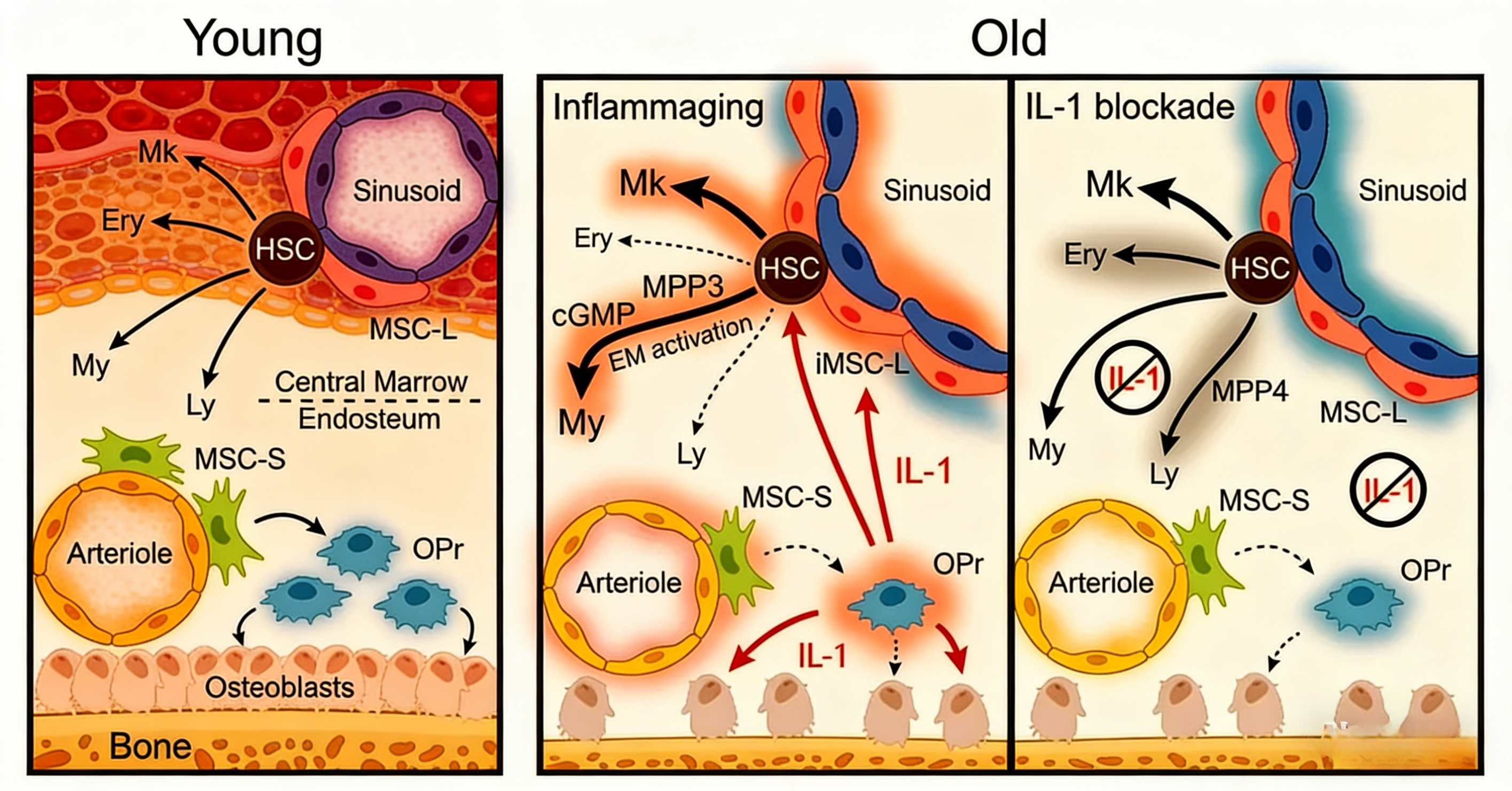
Study on the Dual Role of IL-1β Protein in Tumorigenesis and Immune Regulation
2026-03-30IL-1β protein is an important member of the interleukin-1 family and belongs to the major pro-inflammatory cytokines, expressed by various cell types.
View details
- Cancer
- IL-1β Protein
- Immune Regulation
- Inflammatory Response
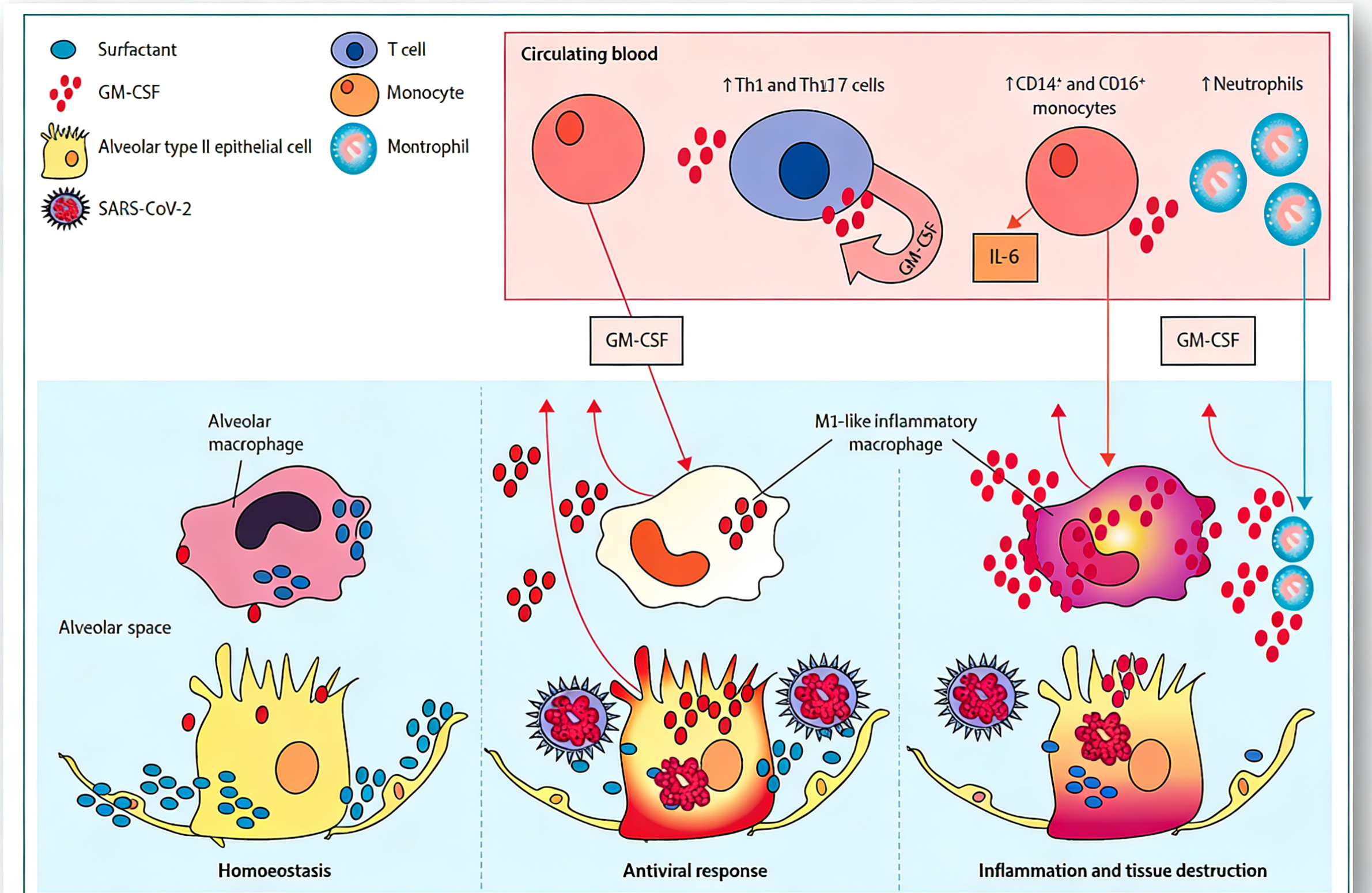
Functional Mechanisms of GM-CSF Protein and Research Advances in Inflammatory Diseases
2026-03-27GM-CSF protein is a glycoprotein, initially defined as a hematopoietic growth factor, capable of stimulating the differentiation of bone marrow precursor cells into granulocytes and macrophages.
View details
- Immunity/Inflamma
- GM-CSF Protein
- Inflammatory Disease
- Immune Regulation
IFNGR1 Fc Chimera Protein: The "Precision Interceptor" of Gamma Interferon Signaling and a Key Probe in Immune Disease Research
2025-12-08IFNGR1 Fc Chimera is an innovative recombinant fusion protein created by fusing the extracellular ligand-binding domain of human gamma interferon receptor 1 with the antibody Fc fragment. It serves as a "high-affinity decoy receptor" for IFN-γ signaling, enabling precise modulation or blockade of this pivotal immune pathway in scientific research and translational medicine.
View details
- Immunity/Inflamma
- IFNGR1 Fc Chimera
- Gamma Interferon Receptor (IFN-γR)
- IFN-γ Signaling Pathway
- Decoy Receptor
- Immune Regulation
The mechanism and research progress of IL-21 in immune regulation and autoimmune diseases
2025-07-15IL-21 is a four alpha helix cytokine composed of 133 amino acids, belonging to the gamma chain cytokine family (gamma c family). The family members include IL-2, IL-4, IL-7, IL-9, IL-15, and IL-21, all of which utilize a common gamma chain (γ c, CD132) as a receptor signaling subunit. Structurally, IL-21 contains four conserved alpha helical domains (A, B, C, D) that bind to receptors through specific spatial conformations.
View details
- Immunity/Inflamma
- IL-21
- Immune regulation
- autoimmune diseases

Research progress of interferon alpha 2a: from molecular basis to clinical application
2025-07-10Interferon alpha 2a (IFN - α 2a), as a type I interferon, plays a crucial role in antiviral, anti-tumor, and immune regulation. This article elaborates on the molecular structure, mechanism of action, pharmacokinetic properties, clinical application progress, adverse reactions, and coping strategies of IFN - α 2a in detail.
View details
- Immunity/Inflamma
- IFN-α2a
- Immune regulation
- clinical application
- 1
- 2

Link:





©2021-2026 all rights reserved UA Biotechnology Co.,Ltd.
Privacy Policy 
网站备案号 浙ICP备2022019033号-2 浙公网安备33010202004867号
 Business license (three certificates in one)
 Tel:+86-25-56221161
E-mail:order@ua-bio.com
All products sold on this website shall not be used for clinical diagnosis or treatment of humans or animals, and shall only be used for non-medical purposes such as industrial or scientific research.
