Technical Articles
Immune response
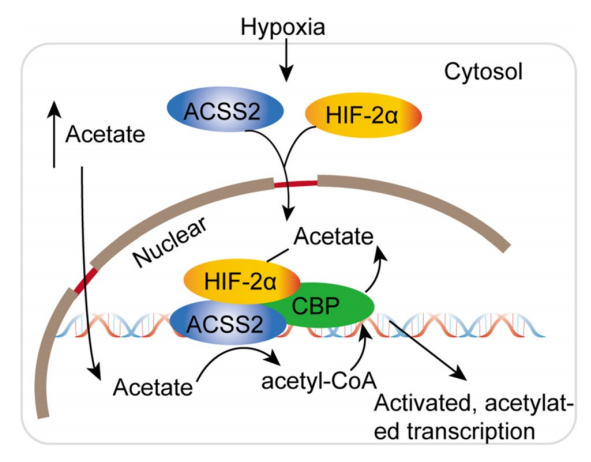
MHC Tetramer: The Key Tool to Unlocking Immune Mysteries
 2026-05-18
MHC molecules can bind antigenic peptides derived from pathogens and present them to T cells, thereby initiating an immune response. MHC tetramers are a powerful tool designed based on this principle.
View details
- Immunity/Inflamma
- MHC tetramer
- UA Bio protein
- immune response
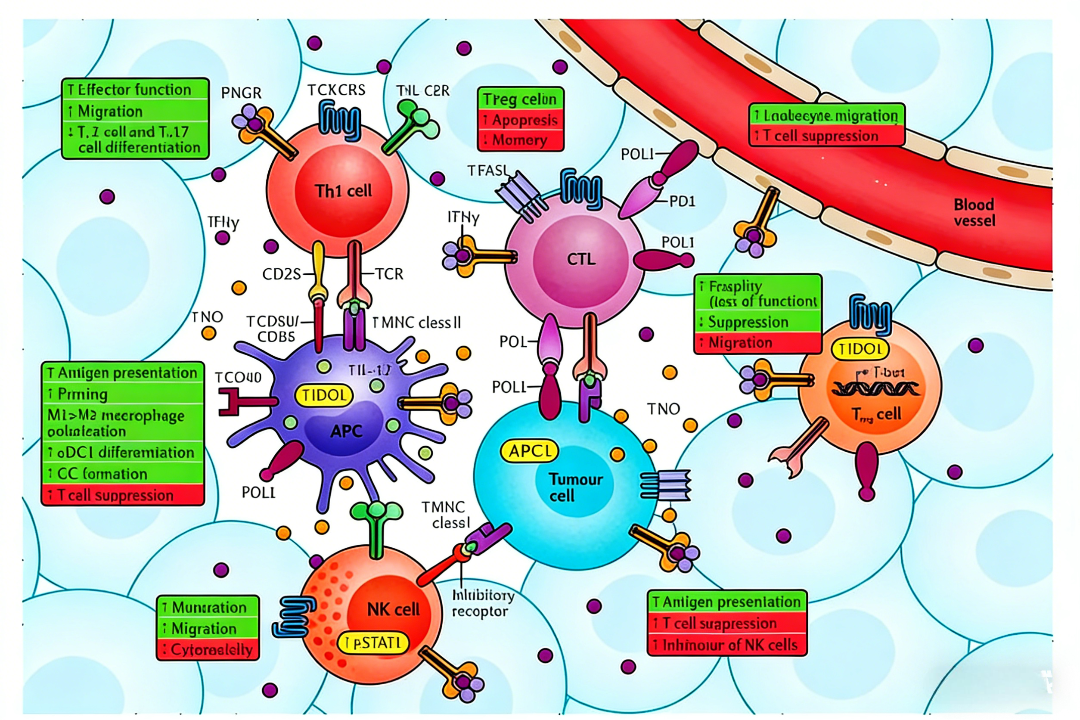
Application of FITC-labeled GPC3 His-tagged protein in targeted therapy research for liver cancer
2026-04-24GPC3 is a heparan sulfate proteoglycan located on the cell membrane surface and is a hepatocellular carcinoma-specific associated antigen. This protein is composed of a complex glycoconjugate formed by the covalent linkage of proteins, lipids, and sugars, and is anchored to the cell membrane surface via a glycosylphosphatidylinositol (GPI) anchor.
View details
- Cancer
- GPC3 Protein
- Liver Cancer Therapy
- Immune Response
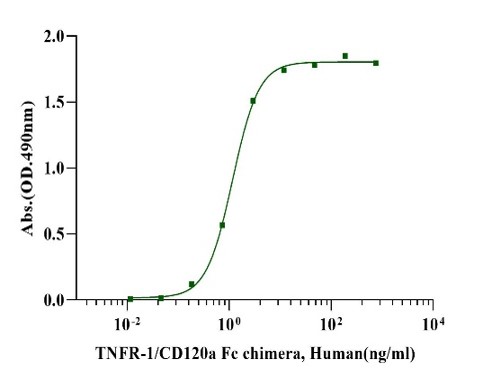
The structural and functional characteristics of TNFR-1/CD120a protein
2026-04-22TNFR-1/CD120a protein is a typical member of the tumor necrosis factor receptor superfamily, and its gene is located on the short arm of human chromosome 12. This protein consists of 455 amino acid residues, with a theoretical molecular weight of approximately 55 kilodaltons, and belongs to the type I transmembrane glycoprotein.
View details
- Signaling Pathway
- TNFR-1/CD120a Protein
- Signal Transduction
- Immune Response
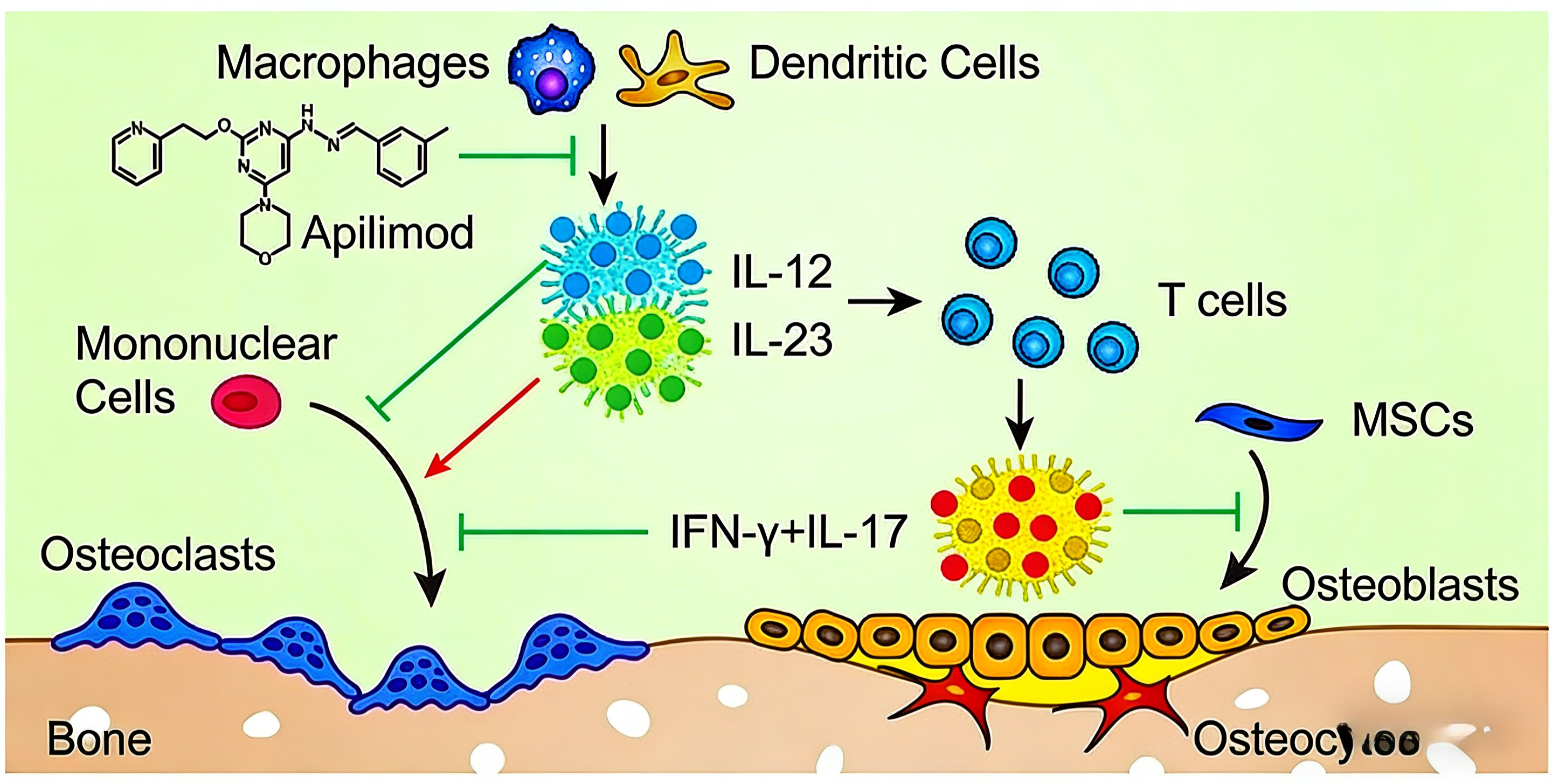
The mechanism of IL-3 protein in hematopoietic regulation and immune response
2026-03-31Interleukin-3 belongs to the hematopoietic growth factor family, a structurally stable class of small glycoprotein cytokines with a molecular weight of approximately 14 to 28 kilodaltons.
View details
- Immunity/Inflamma
- IL-3 Protein
- Hematopoietic Regulation
- Immune Response
Application of UA-MHC H-2K(d)/IYSTVASSL Influenza HA Tetramer-PE Labeling in Antigen-Specific T Cell Detection
2026-03-20T细胞介导的免疫应答在抗病毒免疫中发挥核心作用。准确识别和定量分析病毒抗原特异性CD8+ T细胞是解析抗病毒免疫机制、评估疫苗效果和监测感染后免疫状态的关键技术环节。
View details
- Cell Biology
- T Cell Detection
- Immune Response
- Viral Immunity
UA-MHC H-2D(b)/EGSRNQDWL gp100四聚体-APC标记在抗原特异性T细胞检测中的应用
2026-03-20T cell-mediated immune responses play a central role in tumor immune surveillance and autoimmune regulation. The accurate identification and quantitative analysis of antigen-specific CD8+ T cells are key technical steps in deciphering immune response mechanisms and evaluating the efficacy of immunotherapy.
View details
- Cell Biology
- T Cell Detection
- Immune Response
- Tumor Immunity
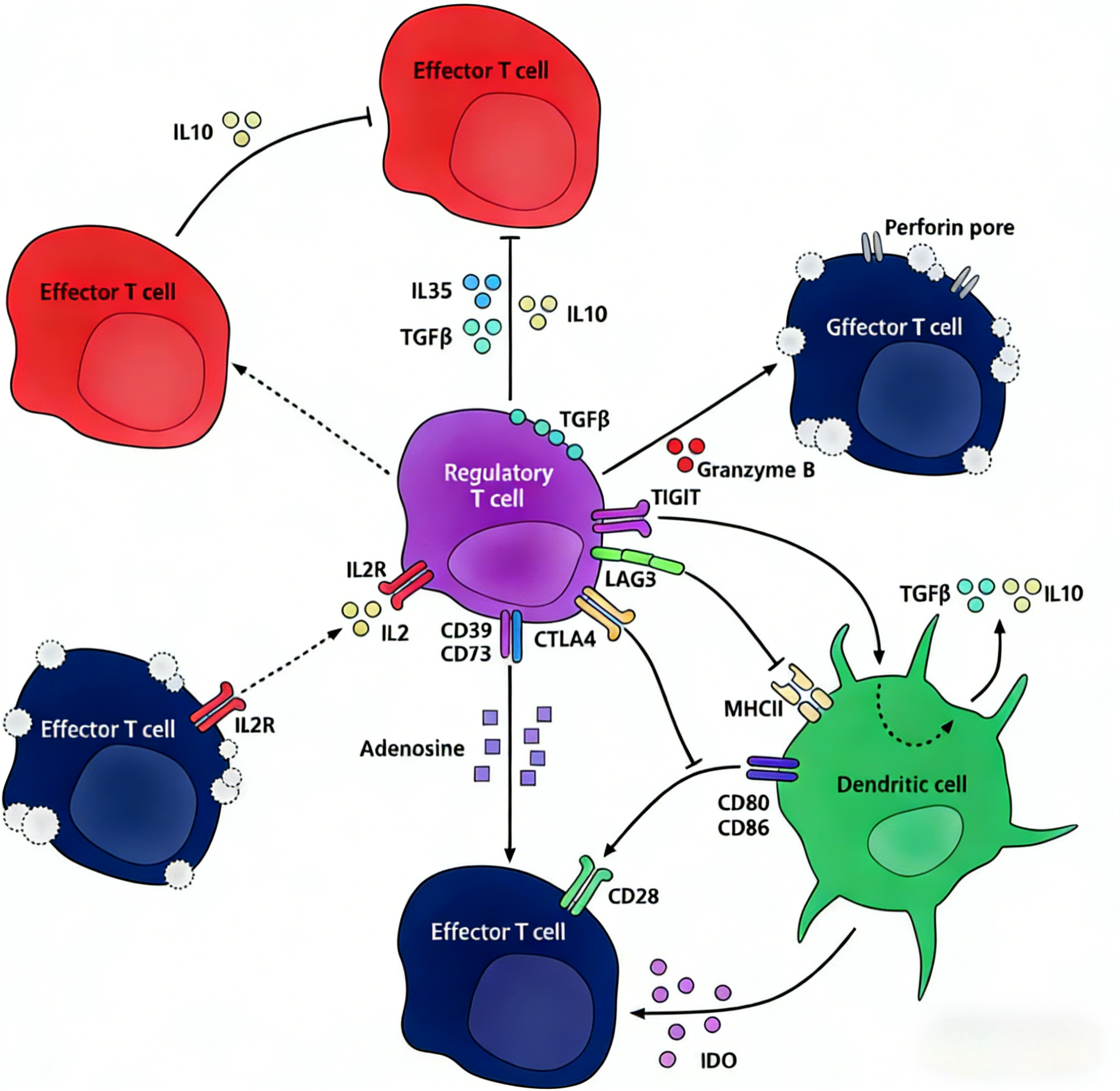
Technical Principles and Applications of Mouse Treg Polarization Kit
2026-03-17Regulatory T cells are a subset of CD4+ T cells with immunosuppressive functions, playing a central role in maintaining immune system homeostasis, preventing autoimmune responses, and regulating the intensity of immune responses.
View details
- Cell Biology
- Treg Cells
- Regulatory T Cells
- Immune Response
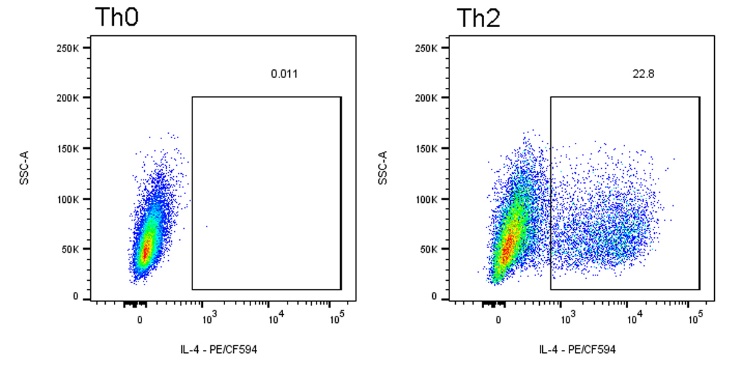
Composition and Application Research of Human Th2 Polarization Kit
2026-03-16Helper T cell 2, as an important functional subset of CD4⁺ T cells, plays a central role in humoral immune responses, allergic reactions, and anti-parasitic infections.
View details
- Immunity/Inflamma
- Helper T Cell 2
- CD4⁺ T Cell
- Immune Response
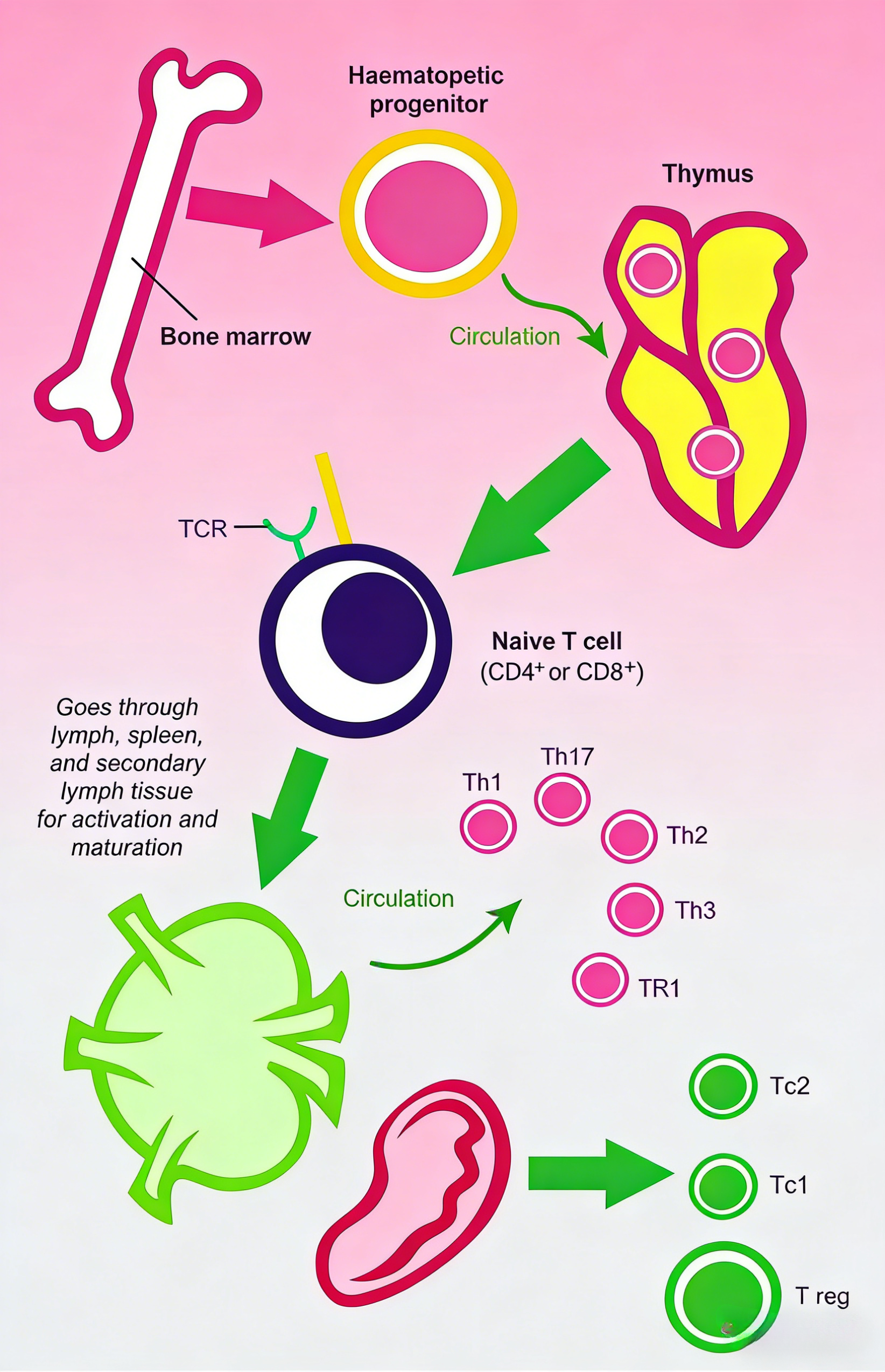
Human Th1 Polarization Kit: Technical Principles and Applications
2026-03-16Helper T cells are the central regulatory cells of the adaptive immune response, coordinating different types of immune reactions by secreting characteristic cytokines and expressing specific transcription factors.
View details
- Immunity/Inflamma
- Th1 Polarization
- Immune Response
- Helper T Cells

The biological characteristics of IL-1β and its mechanism in inflammation regulation
2026-02-26The interleukin-1 (IL-1) family holds a unique position in the immune system, primarily participating in innate immune responses compared to other cytokine families.
View details
- Immunity/Inflamma
- Human IL-1β Kit (HICA)
- Inflammation regulation
- Immune response
- 1
- 2

Link:





©2021-2026 all rights reserved UNIV Biotechnology Co.,Ltd.
Privacy Policy
网站备案号 苏ICP备2025207586号-2 浙公网安备33010202004867号
 Business license (three certificates in one)
 Tel:+86-25-56221161
E-mail:order@ua-bio.com
All products sold on this website shall not be used for clinical diagnosis or treatment of humans or animals, and shall only be used for non-medical purposes such as industrial or scientific research.