

Technical Articles
Immune system

Structural characteristics of TNF-α protein and its signaling transduction mechanism
 2026-04-22
Tumor necrosis factor α is a pleiotropic cytokine that acts on various cell types and has been identified as a key regulator of inflammatory responses, playing a role in the pathogenesis of numerous inflammatory and autoimmune diseases.
View details
- Signaling Pathway
- TNF-α Protein
- Signal Transduction
- Immune System
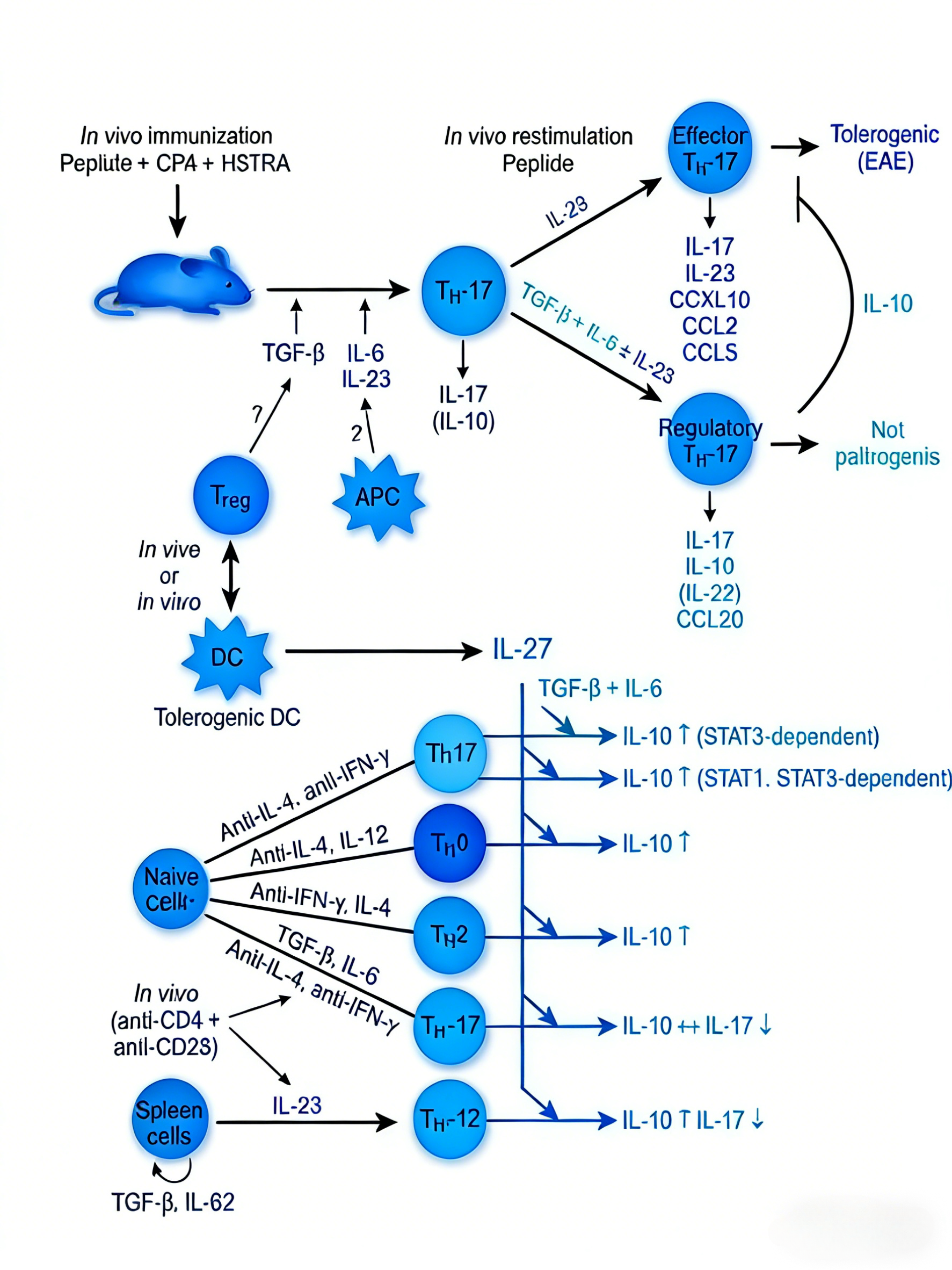
Molecular mechanisms and immunoregulatory functions of the interleukin-10 signaling pathway
2026-02-14The immune system relies on precise regulation to avoid excessive inflammation and autoimmune damage while defending against pathogens and maintaining internal homeostasis.
View details
- Signaling Pathway
- Human IL-10 Kit (HICA)
- Immune system
- Hyperinflammation
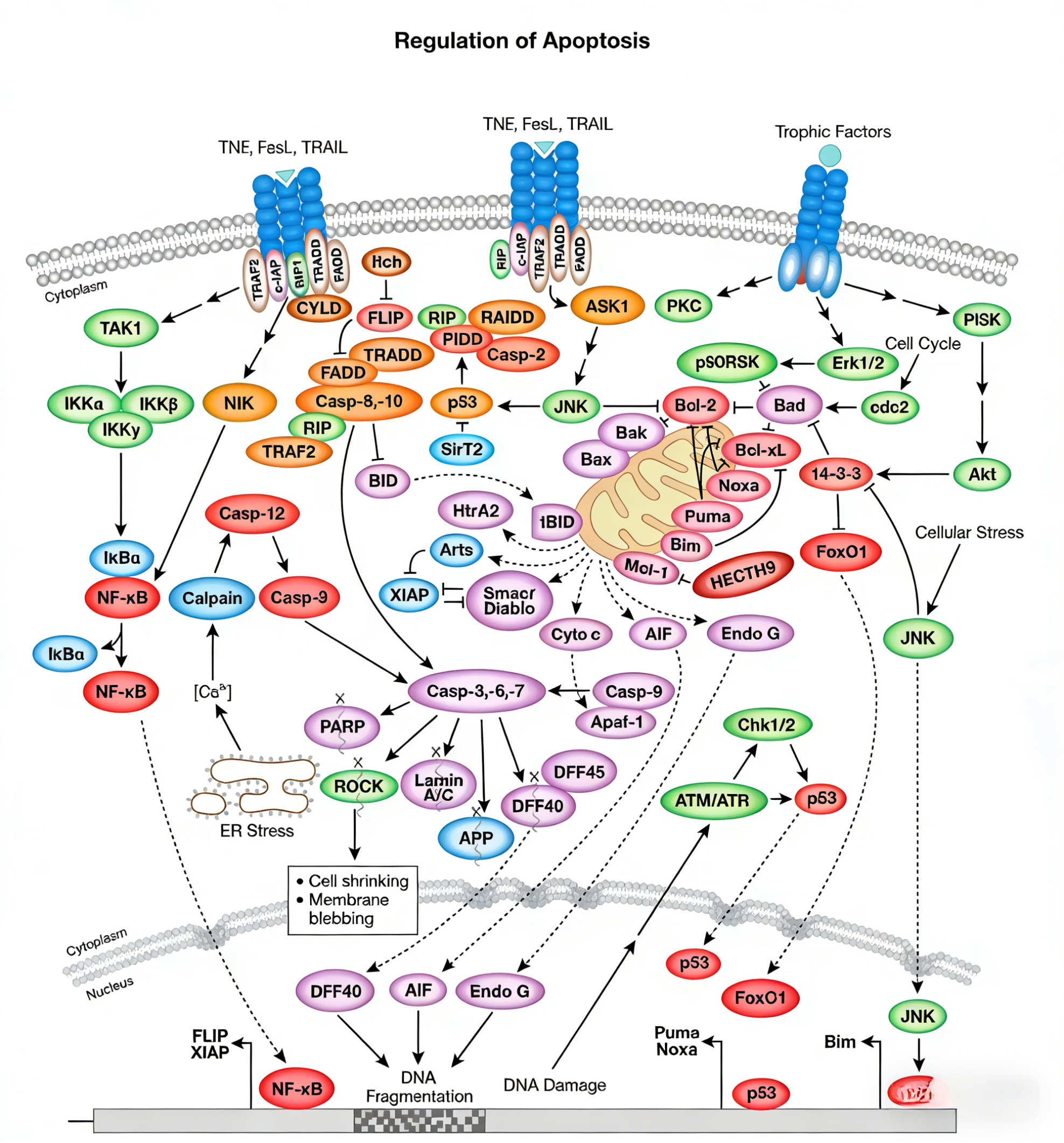
Annexin V-FITC/7-AAD Apoptosis Detection Kit Principle and Applications
2026-02-04Apoptosis is a highly conserved form of programmed cell death in organisms, playing a crucial role in various physiological and pathological processes such as embryonic development, tissue homeostasis maintenance, immune system regulation, and disease progression.
View details
- Immunity/Inflamma
- Apoptosis detection kit
- Programmed cell death
- Immune system
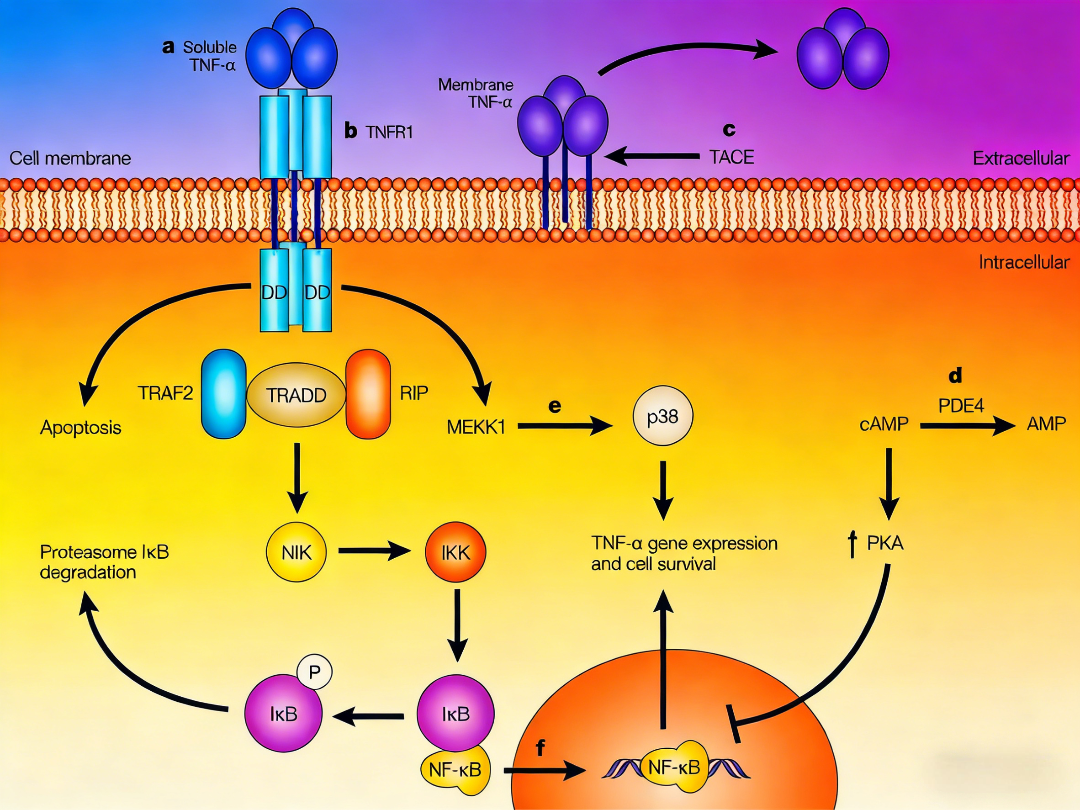
Tumor Necrosis Factor-α: Dual Mechanisms of Physiological and Pathological Roles and Detection Applications
2026-01-08Tumor necrosis factor-α (TNF-α), as a key regulator of the immune system, is primarily secreted by activated macrophages and T lymphocytes
View details
- Signaling Pathway
- TNF-α/TNFR2 Kit
- Immune system
- Macrophage
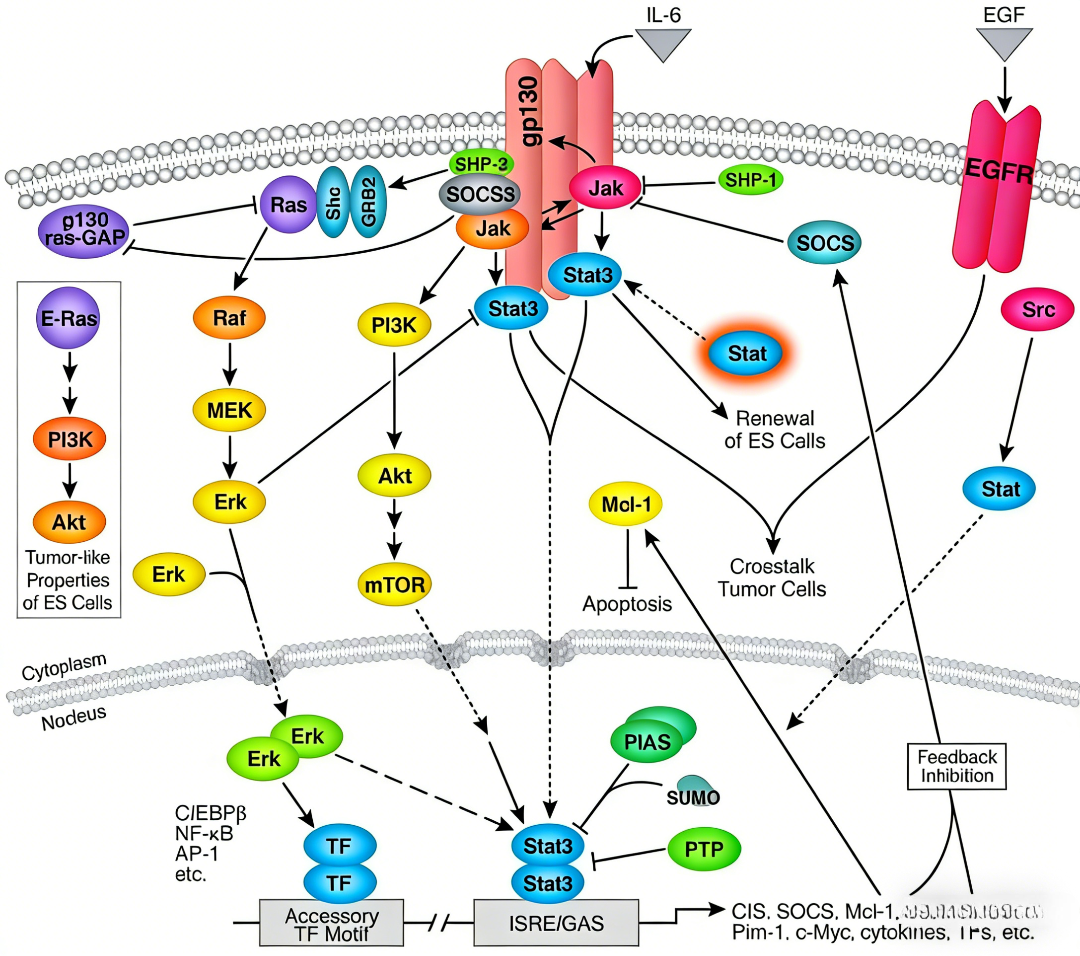
Molecular Biological Characteristics and Clinical Detection Applications of Interleukin-6 (IL-6)
2026-01-07Interleukin-6 (IL-6) is a single-chain multifunctional cytokine composed of 212 amino acids, and its encoding gene is located on human chromosome 7.
View details
- Immunity/Inflamma
- IL6/IL6R Kit
- Biological properties
- Immune system
Interleukin-7 (IL-7): The "Lifeline" for Lymphocyte Development and Homeostasis
2025-12-15Interleukin-7 (IL-7) is a pivotal cytokine in the immune system that regulates lymphocyte production, homeostasis, and survival. Unlike IL-2, which primarily activates effector functions, or IL-4, which drives specific differentiation, the core role of IL-7 lies in providing continuous survival signals for T cells and B cells, serving as the "fundamental life-support factor" for maintaining the size and diversity of the adaptive immune cell repertoire.
View details
- Immunity/Inflamma
- Interleukin-7 (IL-7)
- immune system
- cytokine.
IFN-α4/IFNA4: The "Rapid Response Force" at the Forefront of Antiviral Defense and a Key Molecule in Disease Regulation
2025-11-23In the intricate immune defense network of the human body, the interferon family constitutes the first line of defense against pathogen invasion. Among them, IFN-α4, as a key member of type I interferons, serves as the most rapid and functionally potent "rapid response force" in the immune system. This article will delve into what IFN-α4/IFNA4 protein is and comprehensively explore its complex associations with various diseases and their clinical significance.
View details
- Drug Research
- IFN-α4
- FNA4
- Interferon
- Immune system
- Viral infection.
IL-7: The Immune System’s “Survival Signal” — Guardian of Health or Trigger of Disease?
2025-09-09IL-7 is a soluble secreted protein encoded by the IL7 gene, with a molecular weight of approximately 25 kDa.
View details
- Immunity/Inflamma
- IL-7
- Immune System
- Soluble Secreted Protein
Interleukin: the "signal commander" of the immune system and the code for disease regulation
2025-08-14In the complex mechanism of resisting external invasion and maintaining internal environmental stability in the body, interleukin (IL) plays a key role as a "signal commander" as a core member of the cytokine family. These seemingly tiny protein molecules regulate the activation, proliferation, and differentiation of immune cells through precise signaling, maintaining the balance and efficiency of immune responses.
View details
- Immunity/Inflamma
- Interleukin
- immune system

In depth introduction of interleukin-2 receptor alpha subunit (IL-2R α)
2025-07-15The interleukin-2 receptor alpha subunit (IL-2R alpha, also known as CD25) plays a crucial role in the precise regulatory network of the immune system. Since its discovery, IL-2R α has become a focal molecule for researchers to delve into immune regulation mechanisms, disease occurrence and development, and treatment strategies.
View details
- Immunity/Inflamma
- IL-2Rα
- immune system
- 1
- 2

Link:





©2021-2026 all rights reserved UNIV Biotechnology Co.,Ltd.
Privacy Policy
网站备案号 苏ICP备2025207586号-2 浙公网安备33010202004867号
 Business license (three certificates in one)
 Tel:+86-25-56221161
E-mail:order@ua-bio.com
All products sold on this website shall not be used for clinical diagnosis or treatment of humans or animals, and shall only be used for non-medical purposes such as industrial or scientific research.