

Technical Articles
Immunity/Inflamma

Cytokine Quantification Standards: Why Standardization Matters Across Platforms
 2026-10-15
This article reviews the growing role of cytokine quantification standards in infection and tumor immunology research, the challenge of cross-platform comparability, traceability and the industrial significance of calibrated standards.
View details
- Immunity/Inflamma
- cytokine quantification
- standardization
- traceability
- cross-platform comparability
- IFN-γ
- Luminex
- MSD
- UA040272-STD
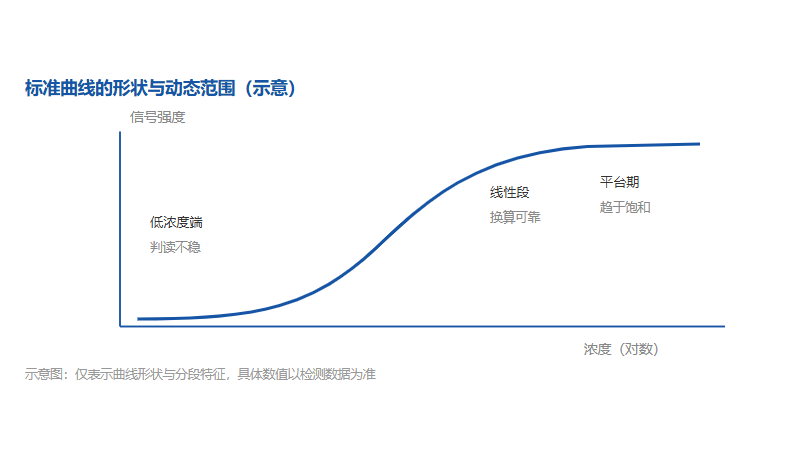
IFN-γ Standard Curves Keep Drifting: A Step-by-Step Troubleshooting Guide
2026-10-15A practical troubleshooting guide for IFN-γ standard curves: reconstitution, serial dilution, four-parameter fitting, matrix effects and platform differences, with a checklist for drifting or flat curves.
View details
- Immunity/Inflamma
- standard curve
- four-parameter fit
- matrix effect
- serial dilution
- ELISA
- Luminex
- troubleshooting
- UA040272-STD

Human IFN-γ Standard for Quantitative Assays: Why the Standard Matters More Than the Sample
2026-10-15A calibrator-grade human IFN-γ standard underpins cytokine quantification. This article explains IFN-γ JAK-STAT1 signaling, its position in Th1 responses, and why quantitative assays depend on a stable standard.
View details
- Immunity/Inflamma
- IFN-γ standard
- interferon gamma
- JAK1
- JAK2
- STAT1
- Th1
- ELISA
- Luminex
- MSD
- UA040272-STD

IFN-α Recombinant Protein Empowers Antiviral and Immunomodulatory Research
2026-10-15IFN-α belongs to the type I interferon family and is produced by leukocytes and other immune-related cells upon stimulation by viruses, bacteria, or double-stranded RNA. It includes multiple subtypes and has functions such as antiviral activity, immune regulation, enhancement of antigen presentation, and activation of antitumor immunity.
View details
- Immunity/Inflamma
- IFN-α recombinant protein

TNF-α recombinant protein supports inflammatory immune regulation and biologics evaluation
2026-10-15TNF-α is a key inflammatory cytokine produced by activated macrophages, T cells, neutrophils, and other cells. It exists in two active forms, transmembrane and secreted, and can participate in immune homeostasis regulation and disease progression by inducing inflammation, apoptosis, angiogenesis, and bone destruction.
View details
- Immunity/Inflamma
- TNF-α recombinant protein
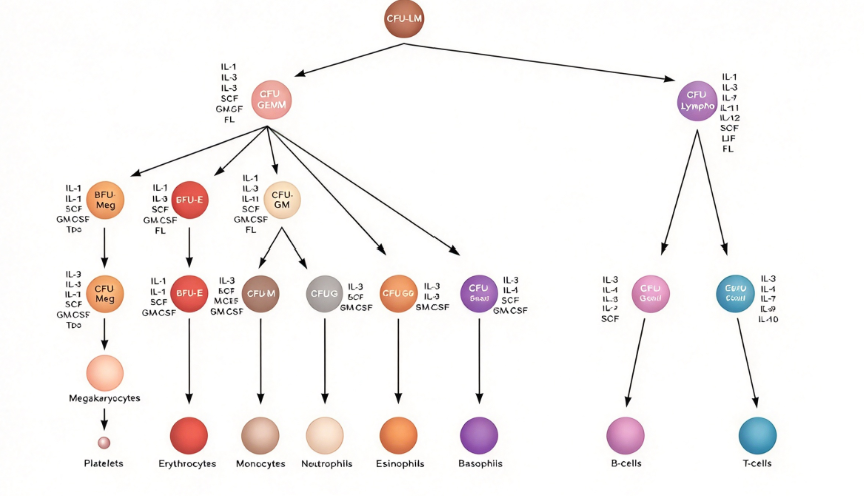
Cytokine Detection: A Core Tool for Mechanistic Analysis and Diagnostic Evaluation of Autoimmune Diseases
2026-10-14This article focuses on the core regulatory role of cytokines in autoimmune diseases, systematically elaborating the key position of the imbalance between pro-inflammatory and anti-inflammatory cytokines in the pathogenesis of AID, analyzing the differential manifestations of Th1/Th2 cytokine imbalance in rheumatoid arthritis, Sjögren's syndrome, multiple sclerosis, systemic lupus erythematosus, and other diseases, and exploring the application value of cytokine detection in the diagnosis, disease monitoring, and biologic treatment evaluation of AID.
View details
- Immunity/Inflamma
- Cytokine detection

Cytokine Panel: A Core Tool for Immune Status Assessment and Th1/Th2 Balance Research
2026-10-14This article focuses on the molecular characteristics and biological functions of cytokines, systematically elaborating their core role as low-molecular-weight soluble proteins in the regulation of innate and adaptive immunity, deeply analyzing the key role of Th1/Th2 cytokine balance in pregnancy maintenance and recurrent miscarriage, and exploring the application value of 15-cytokine combined detection in immune status assessment and clinical treatment guidance.
View details
- Immunity/Inflamma
- Cytokine Set
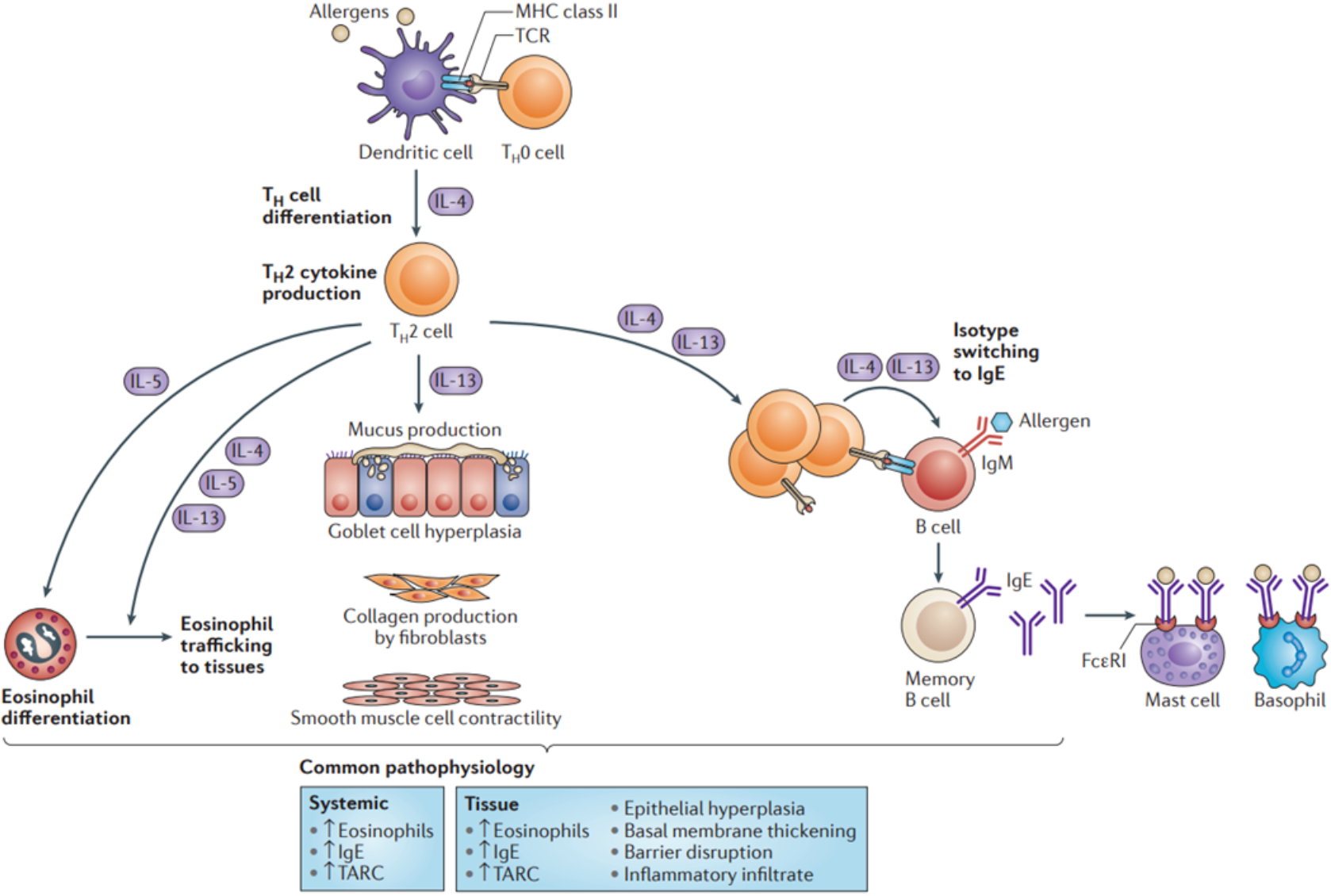
IL-13 Detection Kit: A Core Tool for Quantitative Analysis of Type 2 Immune Responses and Disease Mechanism Research
2026-10-14This article focuses on the molecular characteristics and biological functions of interleukin-13 (IL-13), systematically elaborating its molecular mechanism as a core member of the Th2 cytokine family in activating the JAK-STAT6 signaling pathway through the type II receptor complex, analyzing the pathological driving roles of IL-13 in allergic airway diseases, fibrotic diseases, and tumor immunity, and exploring the application value of IL-13 detection in disease mechanism research, efficacy evaluation, and biomarker development.
View details
- Immunity/Inflamma
- IL-13 Detection Kit

IL-5 standard: A core regulatory factor in eosinophil expansion and immune checkpoint therapy response
2026-10-14This article focuses on the molecular characteristics and biological functions of interleukin-5 (IL-5), systematically elaborating its core mechanism in immune checkpoint inhibitor therapy by driving systemic expansion of eosinophils and local tumor infiltration to enhance antitumor immune responses, analyzing the role of IL-5 in bone marrow eosinophilopoiesis and CD4+ T cell-dependent regulation, and exploring the clinical significance of the IL-5/IL-33 axis in immune cell synergy within the tumor microenvironment.
View details
- Immunity/Inflamma
- IL-5 standard

How to Choose M-CSF: Activity Acceptance, Format and Specification Q&A
2026-10-14A selection guide for M-CSF: activity acceptance criteria, format and specification strategy, and supplier comparison for reproducible macrophage experiments.
View details
- Immunity/Inflamma
- M-CSF selection
- activity acceptance
- specification
- macrophage culture
- UA040128
- 1
- 2
- 3
- 4
- 5
- 6
- 51

Link:





©2021-2026 all rights reserved UNIV Biotechnology Co.,Ltd.
Privacy Policy
网站备案号 苏ICP备2025207586号-2 浙公网安备33010202004867号
 Business license (three certificates in one)
 Tel:+86-25-56221161
E-mail:order@ua-bio.com
All products sold on this website shall not be used for clinical diagnosis or treatment of humans or animals, and shall only be used for non-medical purposes such as industrial or scientific research.