




Technical Articles
Immunoglobulin
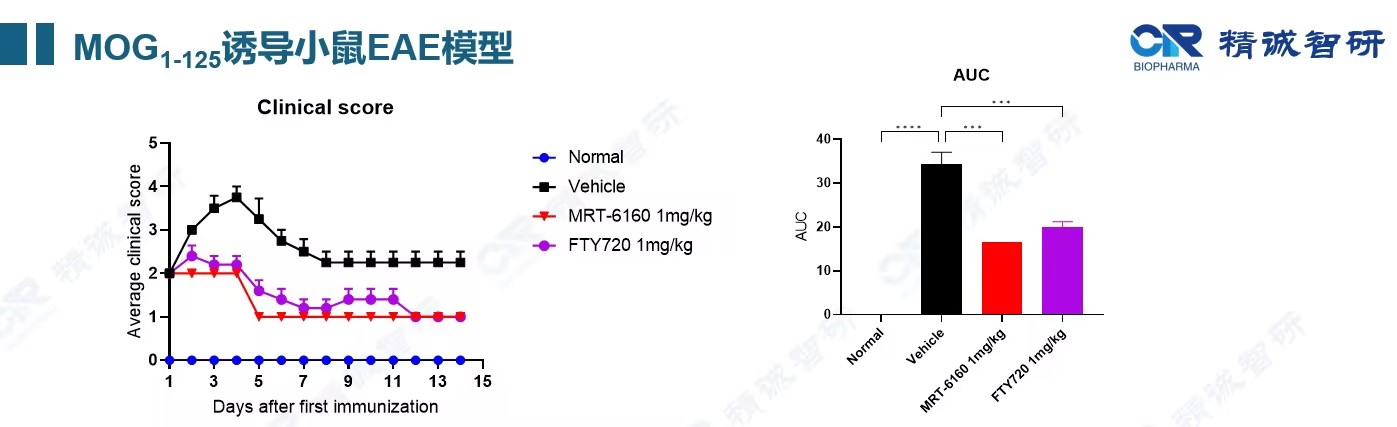
Application of MOG(1-125) Protein in the Research of MOG Antibody-Associated Diseases
 2026-03-10
Myelin oligodendrocyte glycoprotein is a myelin protein specifically expressed on the surface of oligodendrocytes in the central nervous system, located in the outermost layer of the myelin sheath. It consists of 218 amino acids and belongs to the immunoglobulin superfamily.
View details
- Immunity/Inflamma
- MOG (1-125) protein
- Central nervous system
- Immunoglobulin
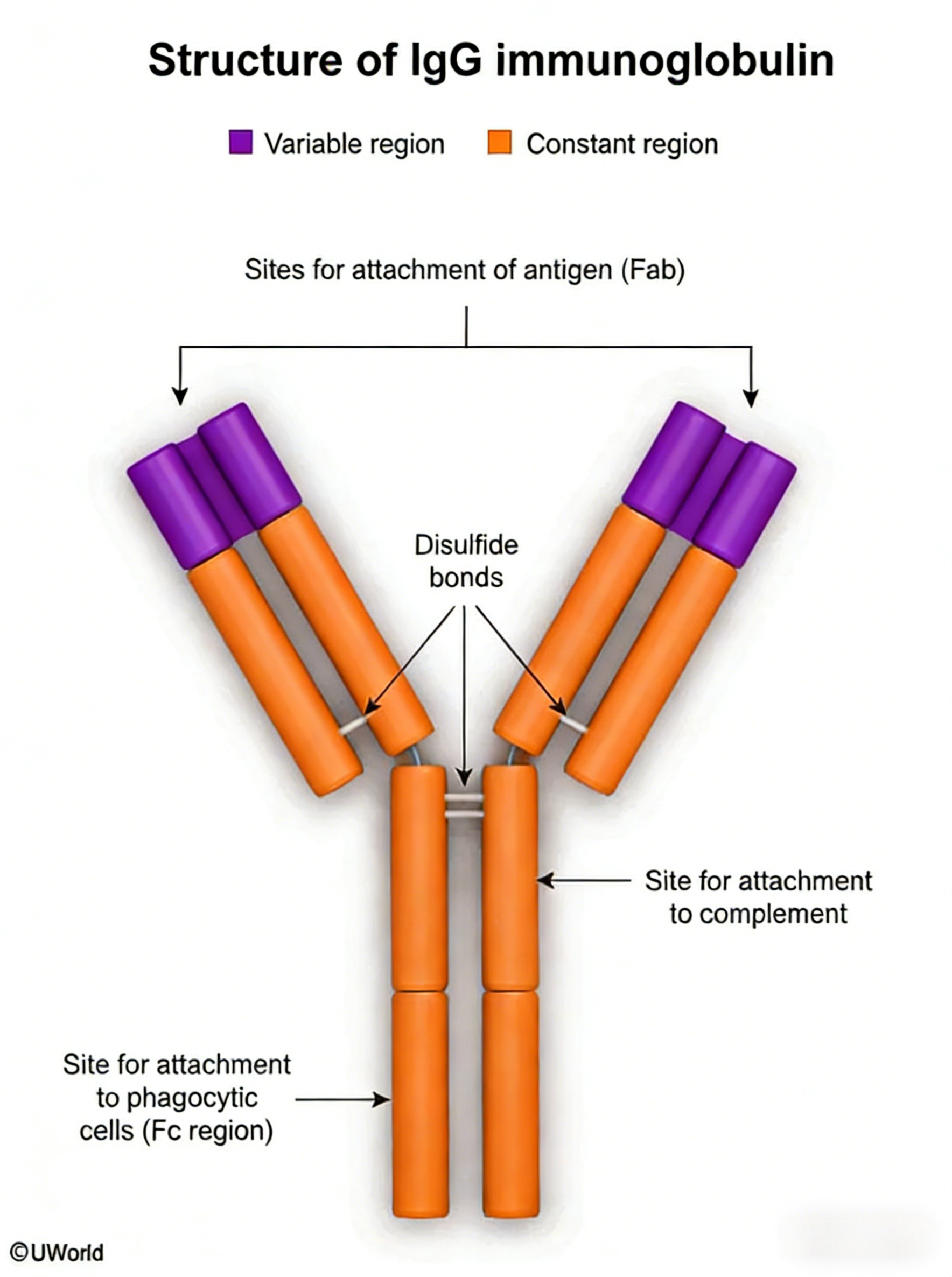
Immunoglobulin G: Structure, Function, and Biological Significance
2026-02-13Immunoglobulins are the core effector molecules of the body's adaptive immune response, produced by plasma cells derived from activated B lymphocytes.
View details
- Immunity/Inflamma
- Human IgG Kit (HICA)
- Immunoglobulin
- Immune response
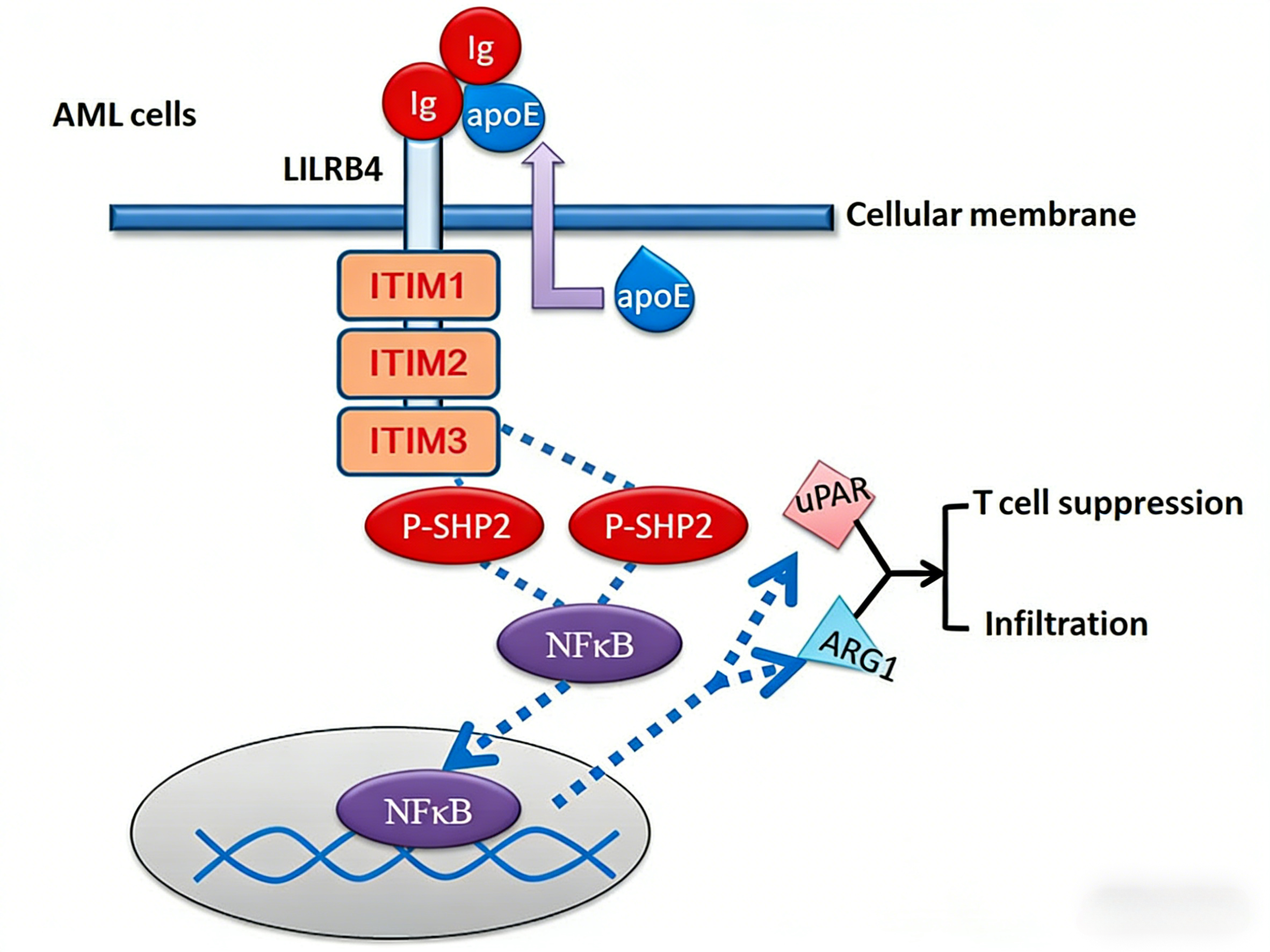
LILRB4: An Emerging Therapeutic Target with Multiple Immunomodulatory Functions
2026-02-09Leukocyte immunoglobulin-like receptor B4 is an important inhibitory receptor member of the leukocyte immunoglobulin-like receptor family.
View details
- Immunity/Inflamma
- LILRB4/CD85K/ILT3
- Immunoregulation
- Immunoglobulin
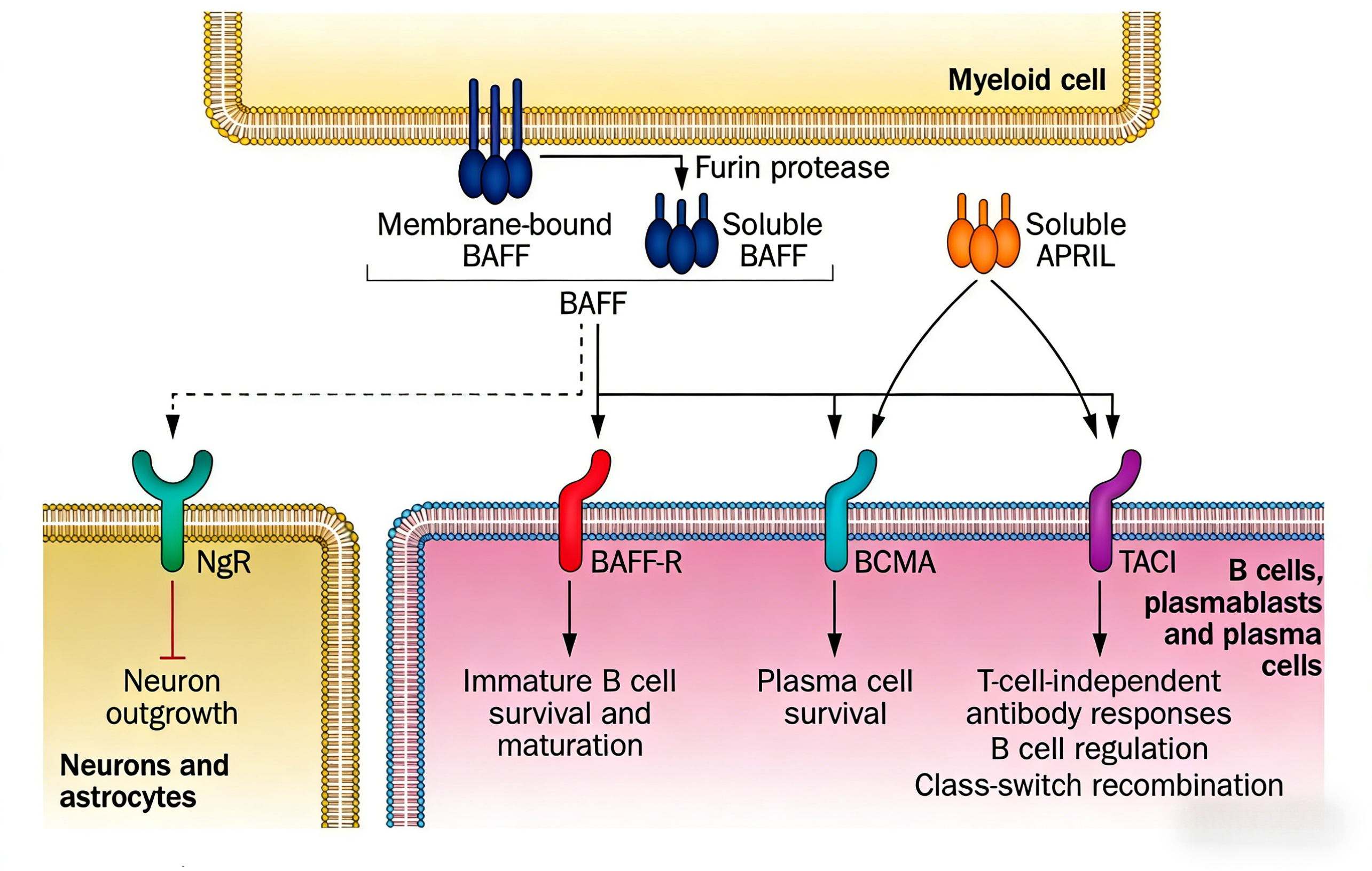
The role of BAFF/APRIL in B cell development and autoimmunity and recombinant protein research tools
2026-02-05B-cell activating factor (BAFF, also known as BLyS) and a proliferation-inducing ligand (APRIL) are important members of the tumor necrosis factor ligand superfamily, playing a central role in the survival, maturation, and functional differentiation of B cells.
View details
- Immunity/Inflamma
- BTN1A1/Butyrophilin Fc Chimera protein
- Mammary gland
- Immunoglobulin
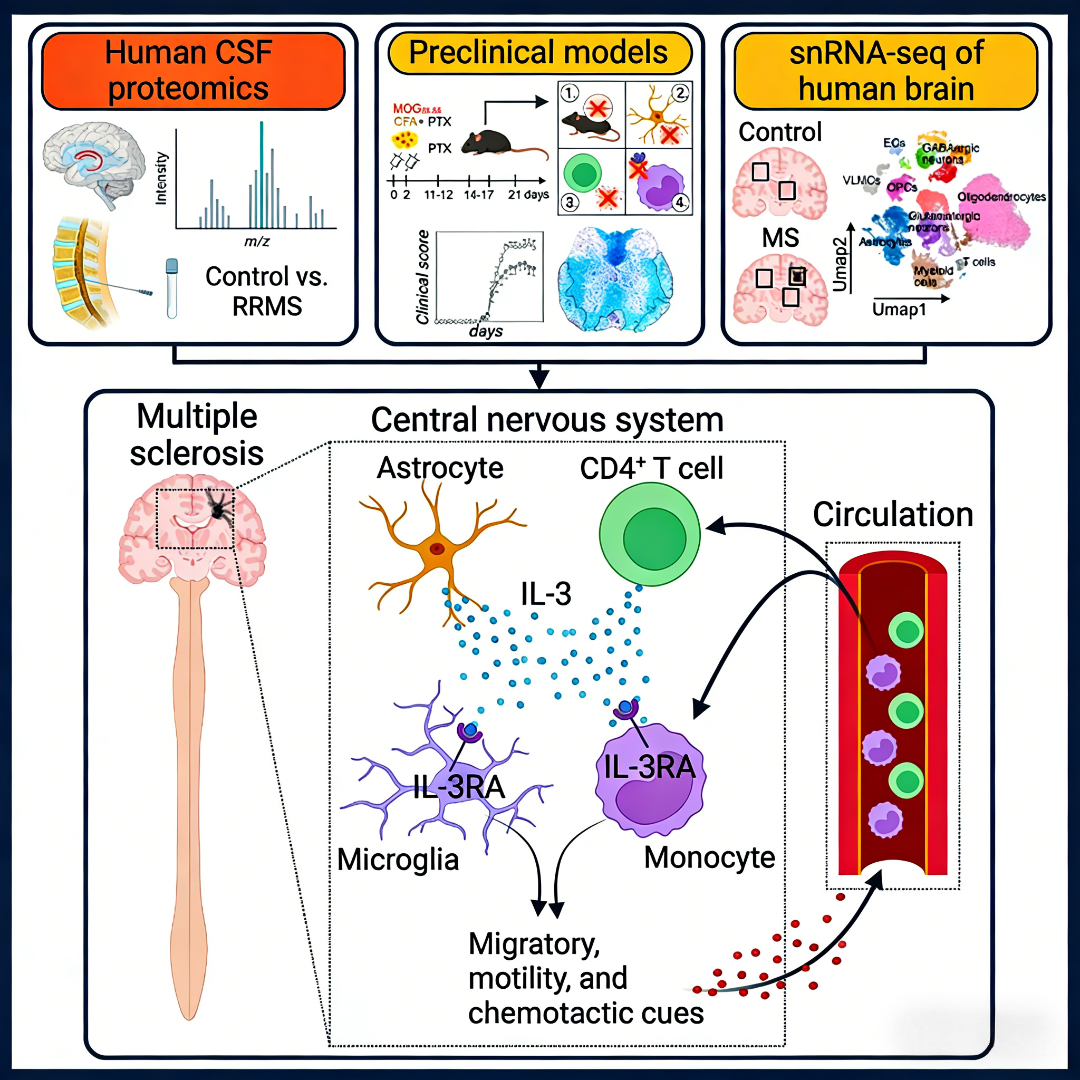
BTN1A1/Butyrophilin Fc Chimera Protein: An Important Tool for Structural and Functional Research
2026-02-05BTN1A1 (Butyrophilin Subfamily 1 Member A1) is a key member of the butyrophilin family, initially discovered in mammary epithelial cells during lactation, and is closely associated with the formation and secretion of milk fat globule membranes.
View details
- Immunity/Inflamma
- BTN1A1/Butyrophilin Fc Chimera protein
- Mammary gland
- Immunoglobulin
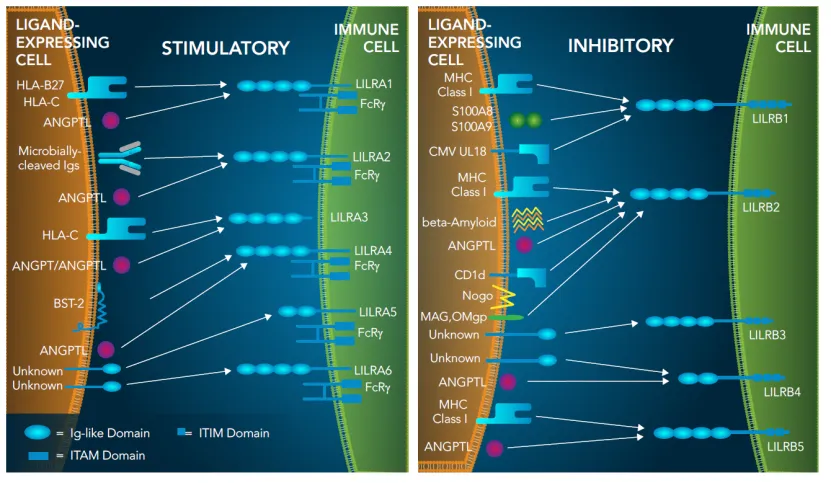
Leukocyte Immunoglobulin-like Receptors: "Master Regulators" in the Immune System and New Hope for Tumor Treatment
2025-05-07LILRs are a group of immune regulatory receptors expressed by a variety of hematopoietic cell types, including monocytes, macrophages, dendritic cells, granulocytes, natural killer (NK) cells, T cells and B cells.
View details
- Immunity/Inflamma
- White blood cells
- immunoglobulin
- tumors
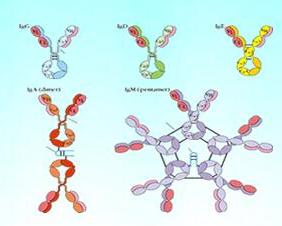
Diversity of mammalian immunoglobulins: genes, structure and evolution
2025-04-29Immunoglobulins (Ig) are key molecules in the animal immune system. They play a vital role in humoral immunity, helping the body to identify and eliminate foreign antigens.
View details
- Immunity/Inflamma
- Mammalian
- immunoglobulin
- gene
- Nanjing Youai
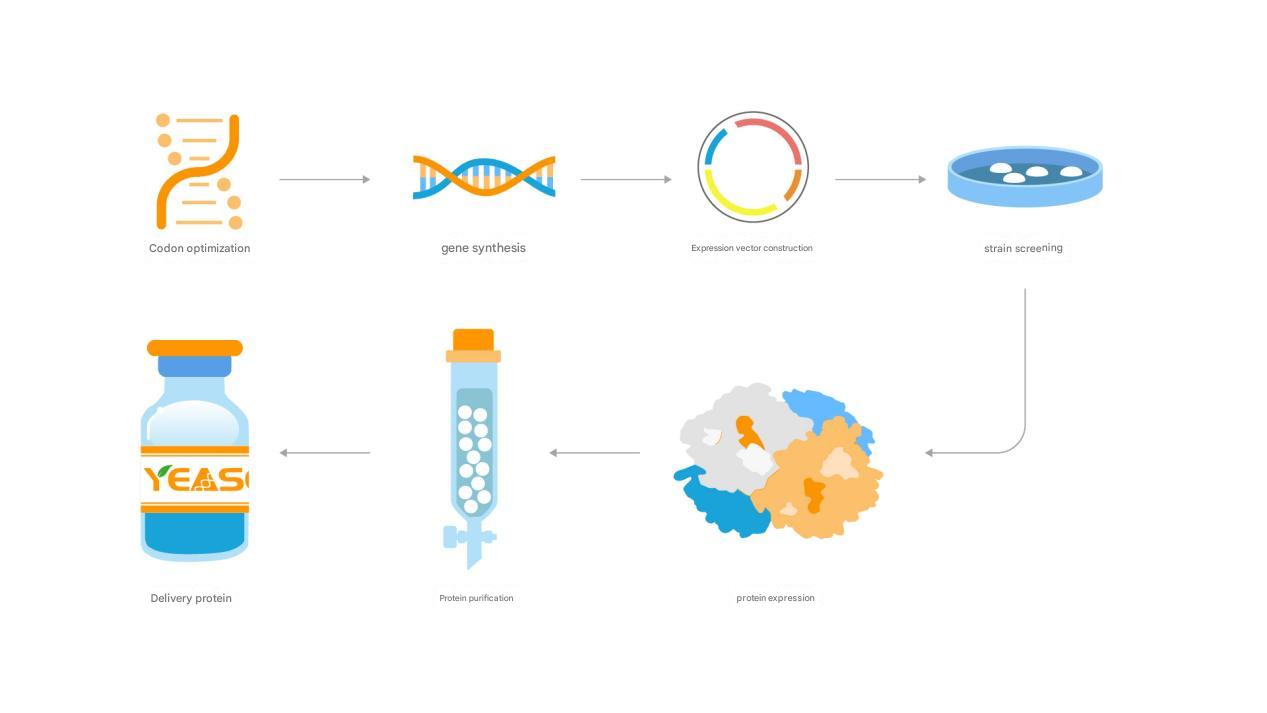
MYD1 Recombinant Protein: Structural Features, Production Technologies, and Advances in Biomedical Applications
2025-04-21MYD1 (Macrophage-Derived 1 protein), a member of the immunoglobulin superfamily, exhibits distinct structural features. Encoded by the SHPS1 gene, MYD1 comprises three functional domains: Extracellular domain: Three immunoglobulin-like V-type domains (IgV-IgV-IgC) enabling ligand recognition. Transmembrane domain: α-helical structure ensuring membrane localization. Intracellular domain: Immunoreceptor tyrosine-based inhibitory motif (ITIM) mediating signal transduction.
View details
- Stem Cells
- MYD1 recombinant protein
- immunoglobulin
- 1

Link:





©2021-2026 all rights reserved UA Biotechnology Co.,Ltd.
Privacy Policy 
网站备案号 浙ICP备2022019033号-2 浙公网安备33010202004867号
 Business license (three certificates in one)
 Tel:+86-25-56221161
E-mail:order@ua-bio.com
All products sold on this website shall not be used for clinical diagnosis or treatment of humans or animals, and shall only be used for non-medical purposes such as industrial or scientific research.
