

Technical Articles
Immunotherapy

Engineering IL-2: From Biased Agonists to Immunotherapy Design
 2026-10-13
Engineered IL-2 variants bias signaling toward effector or regulatory T cells. This article reviews the engineered IL-2 landscape and how recombinant mouse IL-2 supports target evaluation in immunotherapy research.
View details
- Immunity/Inflamma
- IL-2
- engineered IL-2
- biased agonism
- Treg
- immunotherapy
- target evaluation
- UA040171

MOG in Industry: From Anti-MOG Antibody Diagnostics to Immunotherapy Research
2026-10-12How recombinant MOG supports anti-MOG antibody research, demyelination studies and immunotherapy development across the autoimmune pipeline.
View details
- Immunity/Inflamma
- MOG
- anti-MOG antibody
- MOGAD
- demyelination
- immunotherapy
- reagent
- UA010998

The Banner of Effector T Cells: Human CD8alpha-beta and the Narrative of Tumor Immunity Research
2026-09-30From HIV progression markers to tumor-infiltrating lymphocyte density, and further to immunotherapy response evaluation, this article follows the industry narrative to dissect how human CD8alpha-beta became a common yardstick for effector T cell rese
View details
- Immunity/Inflamma
- human CD8 alpha beta
- CD8A
- CD8B
- tumor-infiltrating lymphocyte
- immunotherapy
- effector T cell
- EC50
- UA016094
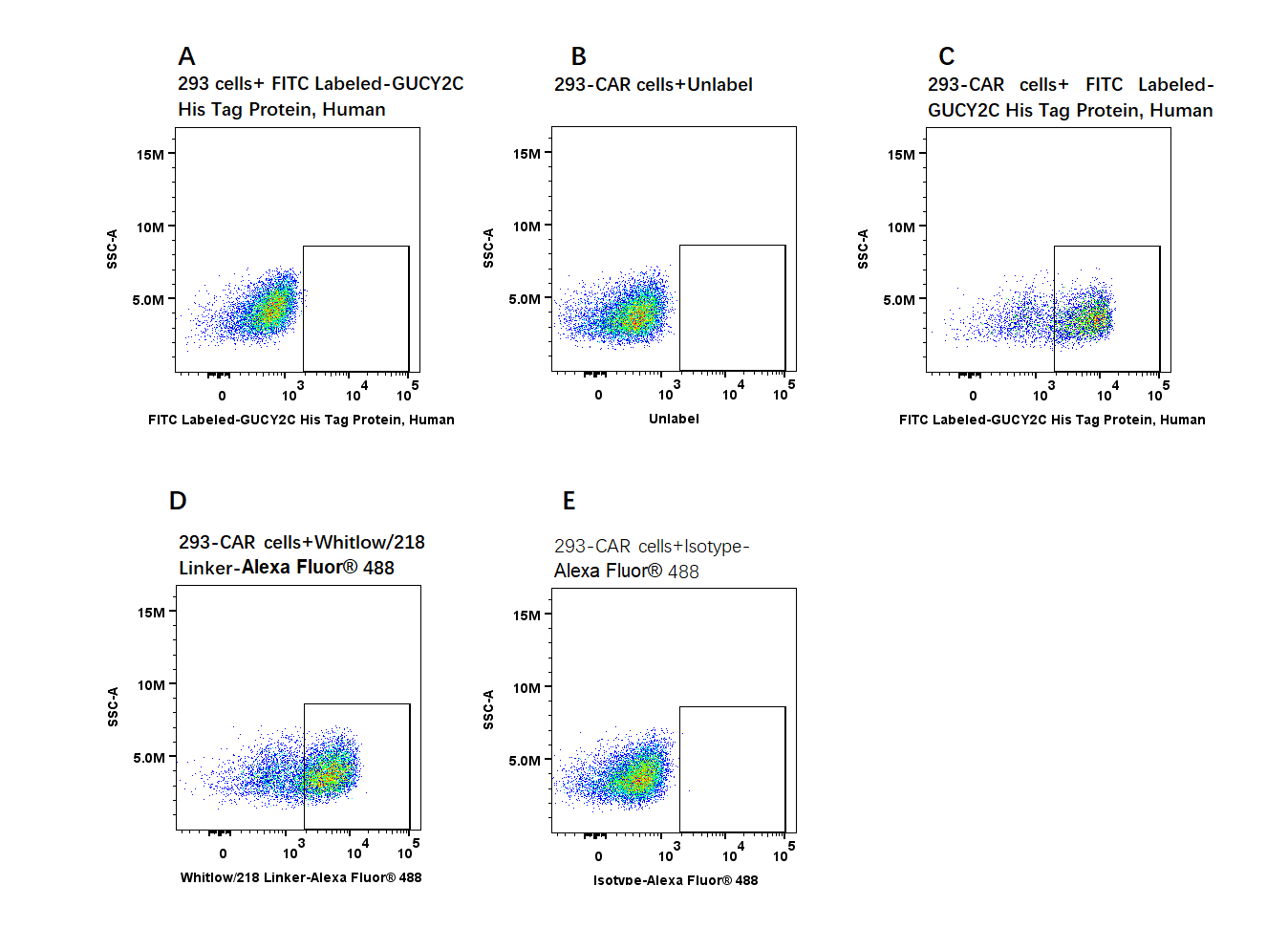
Application of FITC-labeled GUCY2C His-tagged protein in solid tumor immunotherapy research
2026-04-30Guanylyl cyclase C is a transmembrane protein belonging to the receptor guanylyl cyclase family. It is activated by Escherichia coli heat-stable enterotoxin, guanylin, and uroguanylin, transmitting extracellular signals to the intracellular environment and participating in the regulation of intestinal function.
View details
- Cancer
- GUCY2C Protein
- Solid Tumors
- Immunotherapy
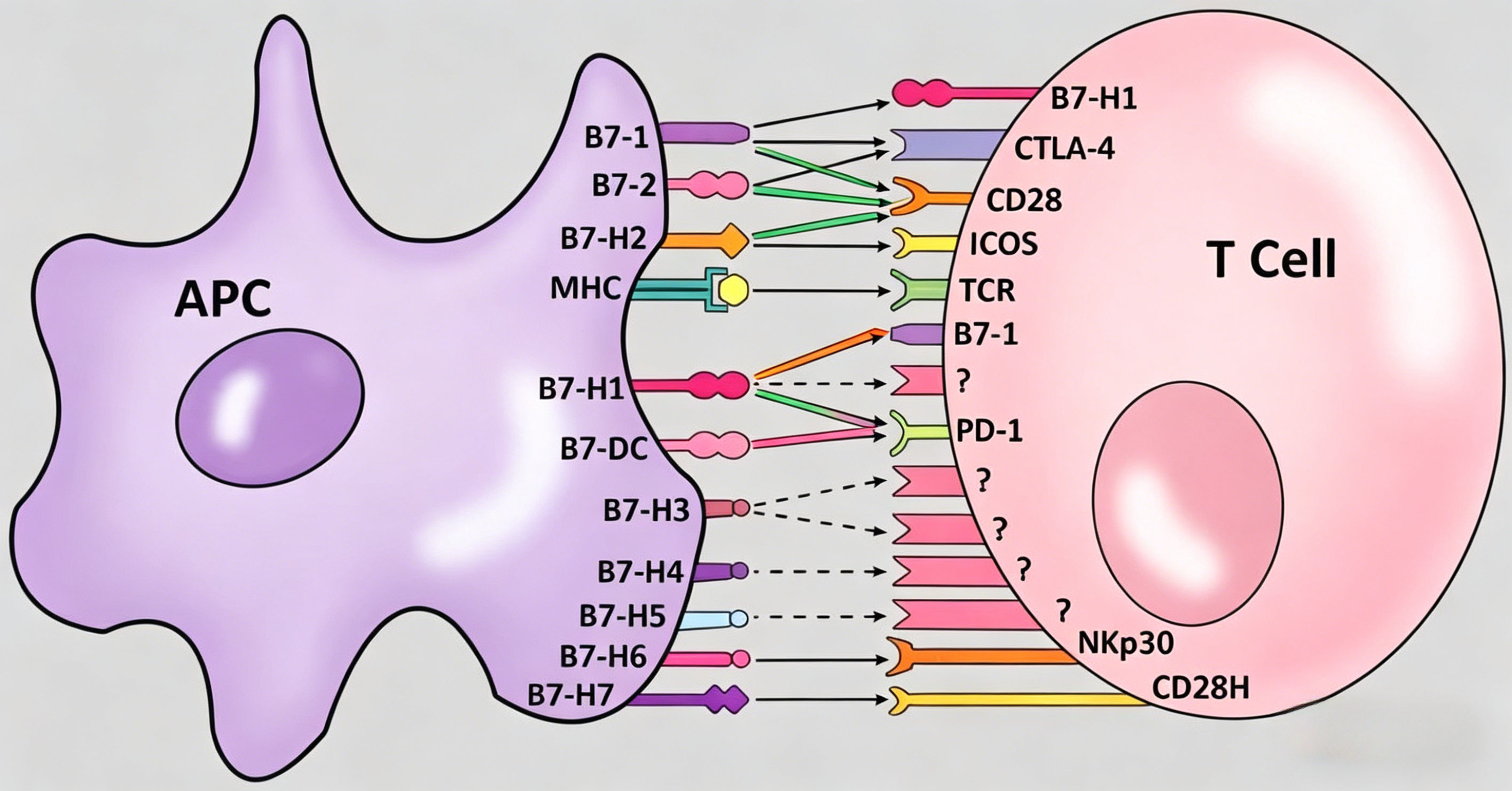
Application of Alexa Fluor 647-labeled B7-H3/CD276 Fc chimeric protein in tumor immune-targeted therapy research
2026-04-30B7-H3 is a newly discovered immune checkpoint in recent years, belonging to the B7 superfamily, and is a type I transmembrane glycoprotein. Human B7-H3 possesses four conserved structural cysteines, an extracellular domain composed of IgC-like and IgV-like domains, and distinct intracellular domains.
View details
- Cancer
- B7-H3/CD276
- Tumor Immunity
- Immunotherapy
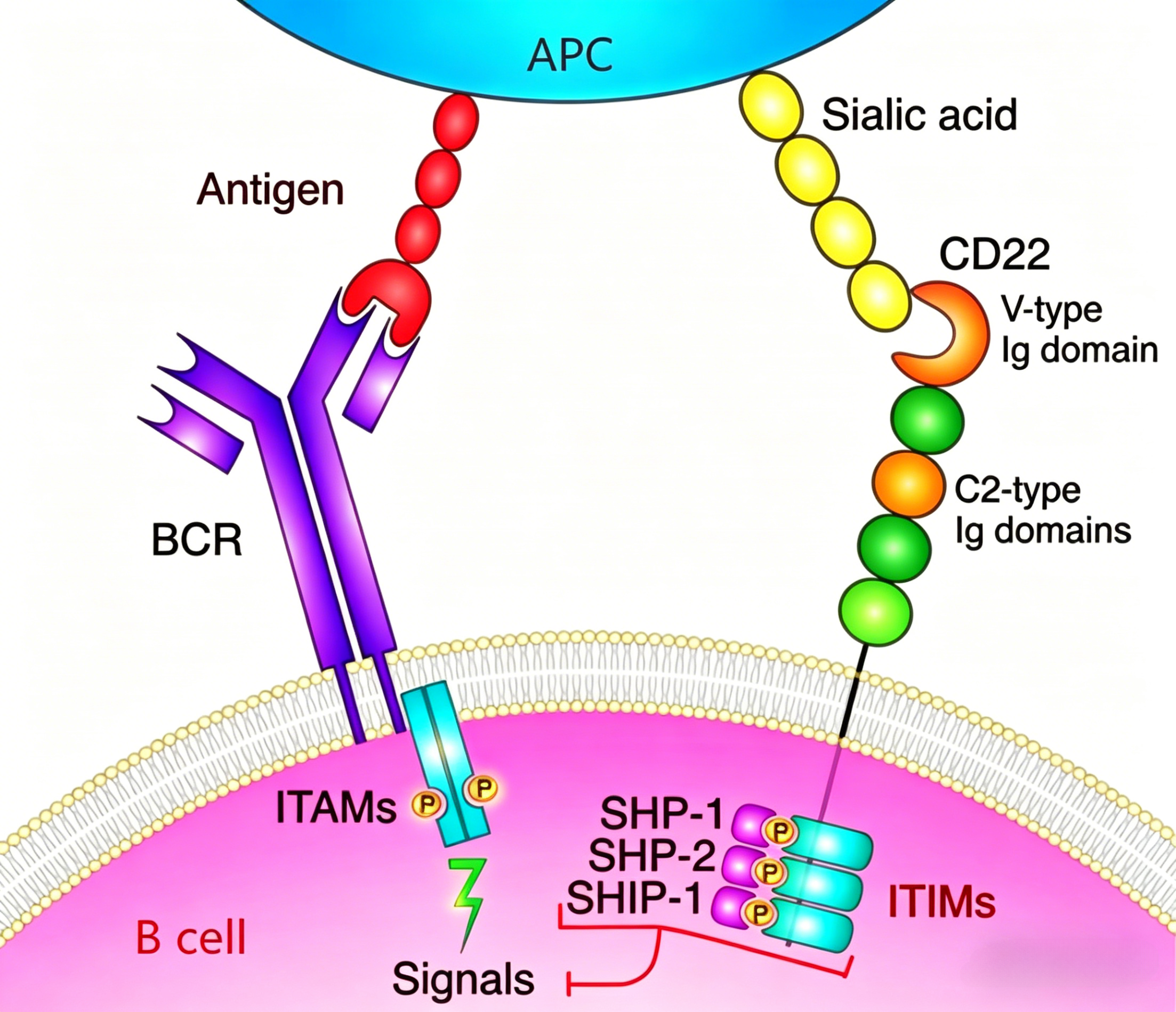
Application of FITC-labeled Siglec-2/CD22 Fc chimeric protein in B-cell immunotherapy research
2026-04-29CD22, also known as Siglec-2, is a key member of the sialic acid-binding immunoglobulin-like lectin family, belonging to type I transmembrane proteins with a molecular weight of 140 kDa.
View details
- Immunity/Inflamma
- Siglec-2/CD22
- B Cells
- Immunotherapy
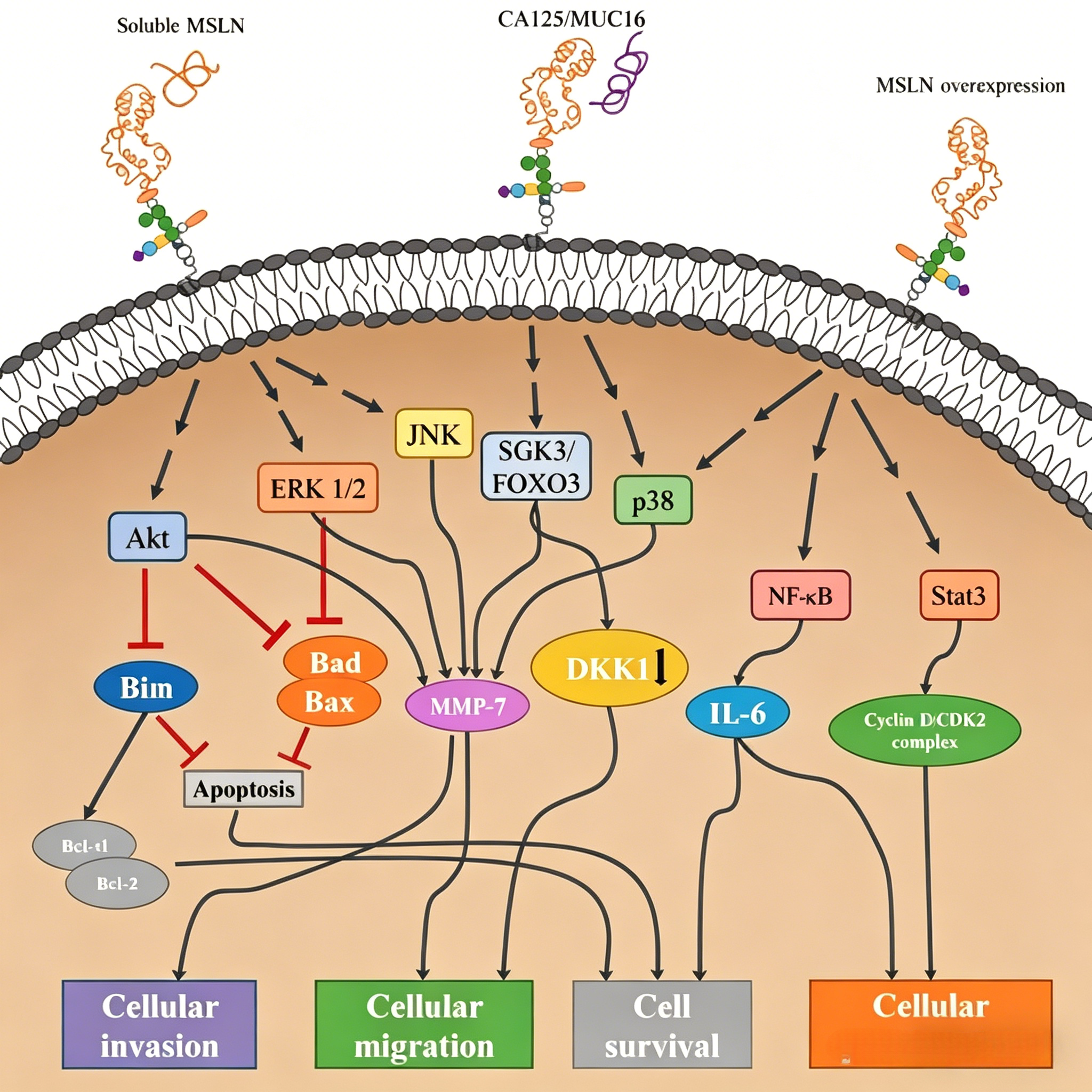
Application of PE-labeled MSLN Fc and Avi-tagged proteins in solid tumor immunotherapy research
2026-04-27Mesothelin is a glycosylphosphatidylinositol-anchored cell surface glycoprotein. The MSLN gene is located at 16p13.3 and encodes the MSLN precursor protein, which is proteolytically cleaved to yield two protein products: megakaryocyte potentiating factor and mesothelin.
View details
- Cancer
- MSLN Protein
- Solid Tumors
- Immunotherapy

Application of FITC-labeled GUCY2C Fc chimeric protein in targeted therapy research for colorectal cancer
2026-04-24Guanylyl cyclase C belongs to the receptor guanylyl cyclase family and is the intestinal receptor for bacterial heat-stable enterotoxins, hence it is also known as the heat-stable enterotoxin receptor. The human GUCY2C gene is located on chromosome 12q12, and its encoded product is a type I transmembrane protein with a molecular weight of approximately 120 kDa.
View details
- Cancer
- GUCY2C Protein
- Colorectal Cancer
- Immunotherapy
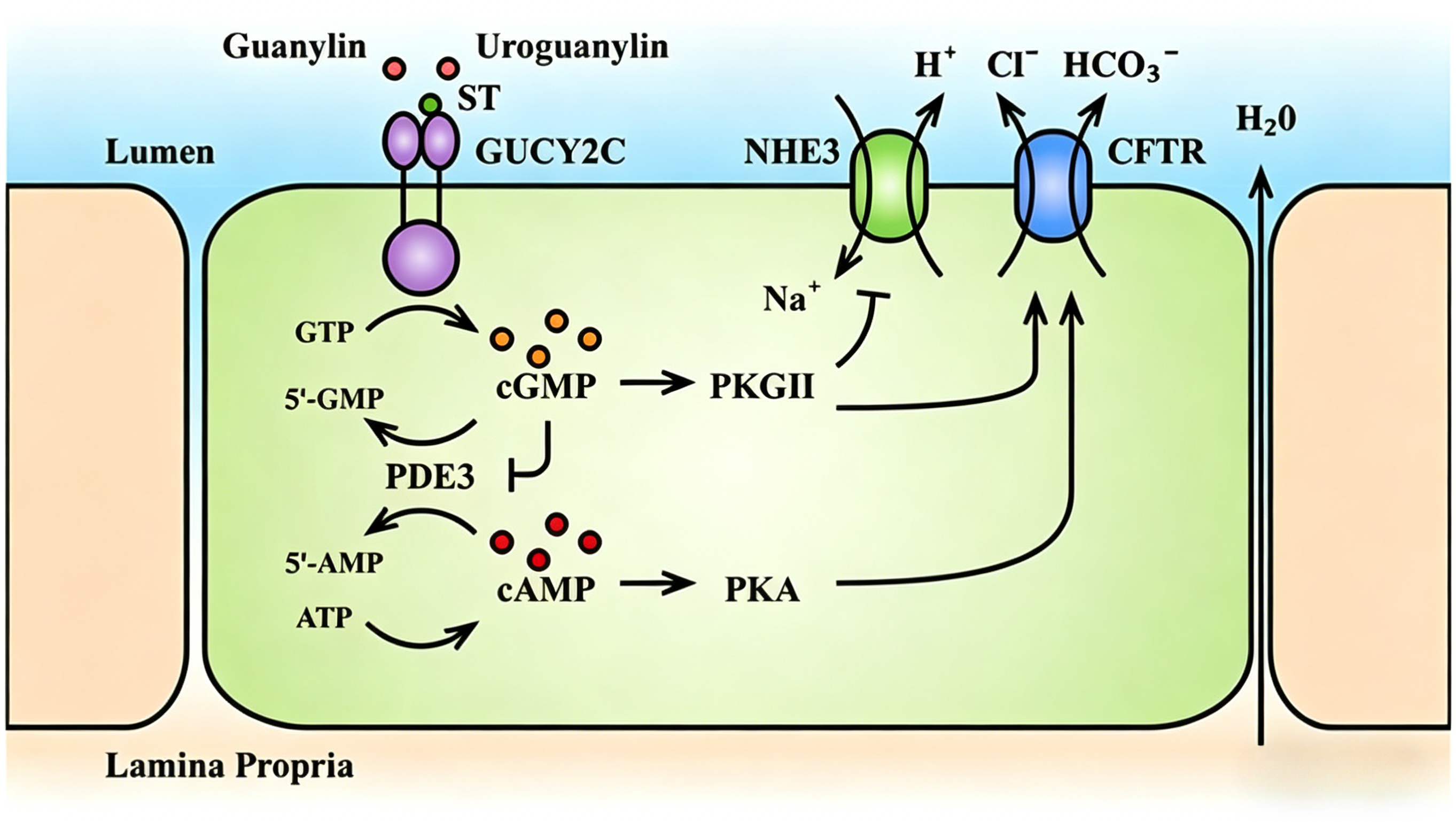
Application of PE-labeled GUCY2C Fc and Avi-tagged proteins in colorectal cancer immunotherapy research
2026-04-24鸟苷酸环化酶C是一种在人体中由GUCY2C基因编码的酶,属于受体鸟苷酸环化酶家族。该酶是细菌热稳定肠毒素的肠道受体,因此又称为热稳定肠毒素受体。
View details
- Cancer
- GUCY2C Protein
- Colorectal Cancer
- Immunotherapy
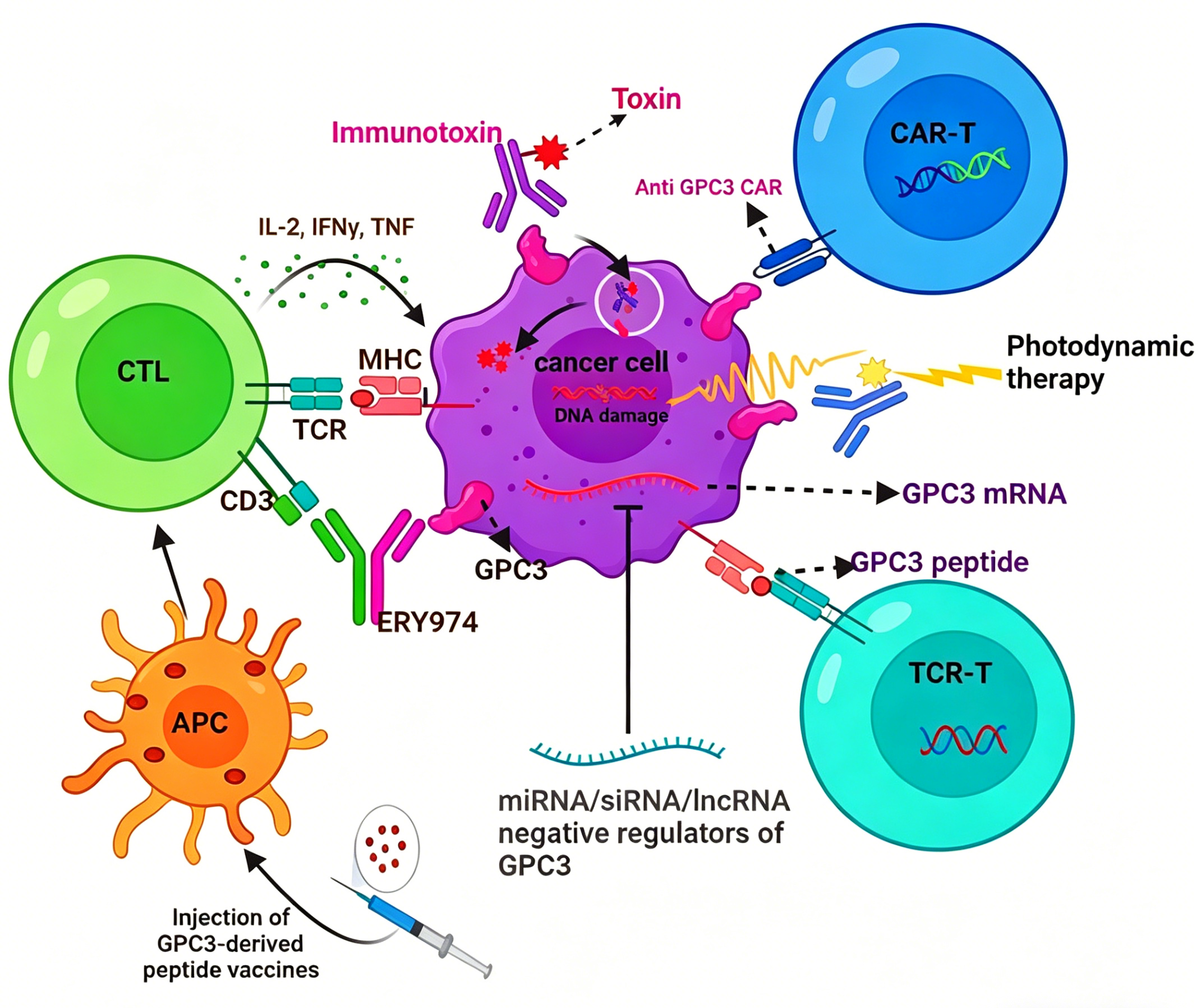
Application of Alexa Fluor 647-labeled GPC3 His-tagged protein in liver cancer immunotherapy research
2026-04-24GPC3 is a member of the heparan sulfate proteoglycan family, primarily involved in cell proliferation, differentiation, migration, and apoptosis. This protein is expressed in the liver and kidneys of healthy fetuses but is nearly absent in adult tissues.
View details
- Cancer
- GPC3 Protein
- Liver Cancer
- Immunotherapy
- 1
- 2
- 3

Link:





©2021-2026 all rights reserved UNIV Biotechnology Co.,Ltd.
Privacy Policy
网站备案号 苏ICP备2025207586号-2 浙公网安备33010202004867号
 Business license (three certificates in one)
 Tel:+86-25-56221161
E-mail:order@ua-bio.com
All products sold on this website shall not be used for clinical diagnosis or treatment of humans or animals, and shall only be used for non-medical purposes such as industrial or scientific research.