




Technical Articles
MHC
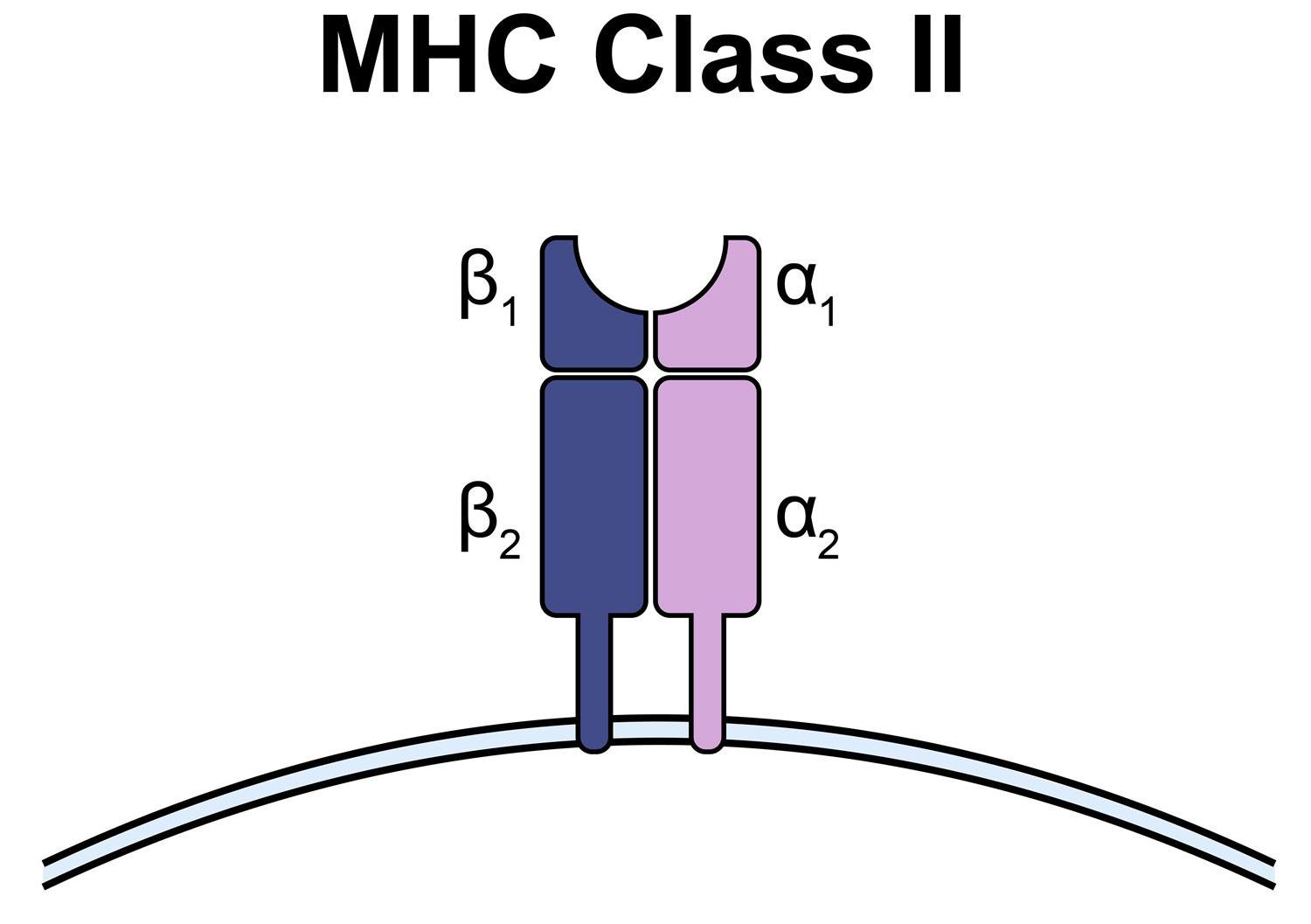
MHC HLA-A*0201/SLLMWITQC NY-ESO-1 Tetramer-PE: The Gold Standard Tool for Cancer-Testis Antigen-Specific T Cell Research
 2025-11-20
In the field of tumor immunology research, cancer-testis antigens have emerged as highly attractive targets for immunotherapy due to their unique expression pattern—highly expressed in various tumor tissues while restricted to immune-privileged testicular tissues in normal organs.
View details
- Cancer
- Specific T cells
- MHC
- cancer
- UA Protein
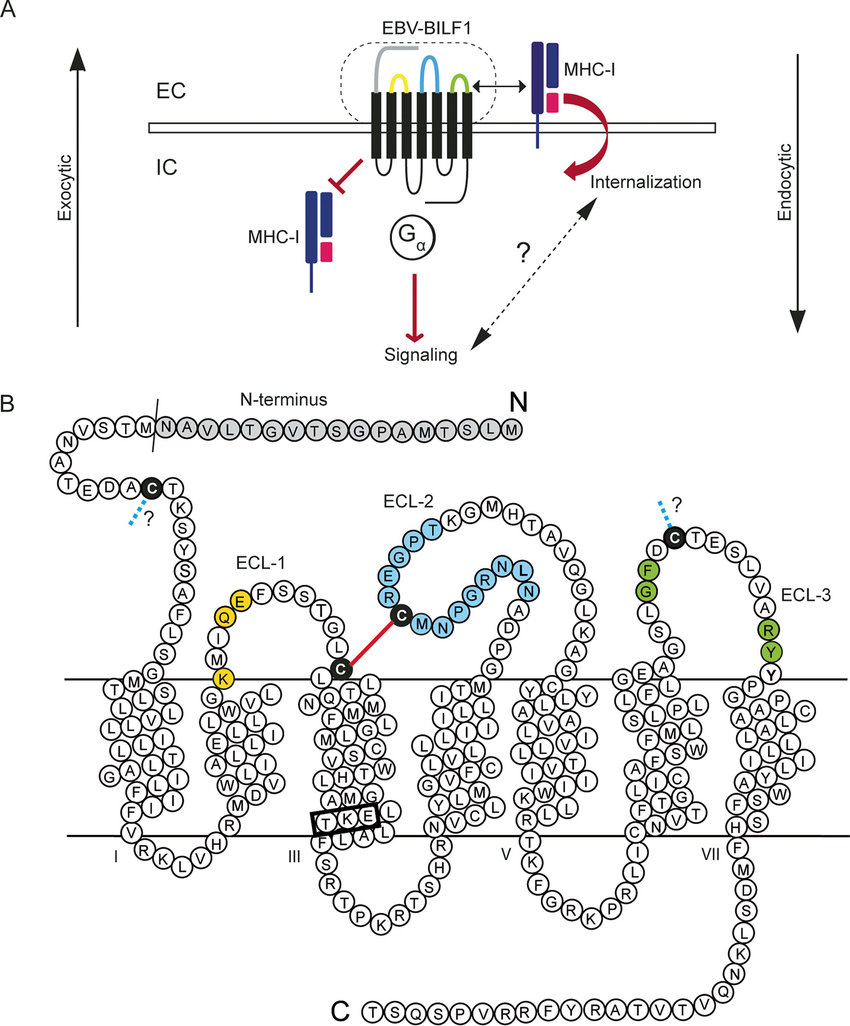
EBV MHC Tetramer Technology: Principles, Applications, and Cutting-Edge Advances
2025-08-21The MHC tetramer technique utilizes the biotin-streptavidin system to assemble four biotinylated pMHC complexes with a fluorochrome-labeled streptavidin, forming a multimer that significantly enhances binding affinity to TCRs. This enables efficient fluorescent labeling, flow cytometry-based detection, and sorting of antigen-specific T cells.
View details
- Immunity/Inflamma
- MHC
- EBV
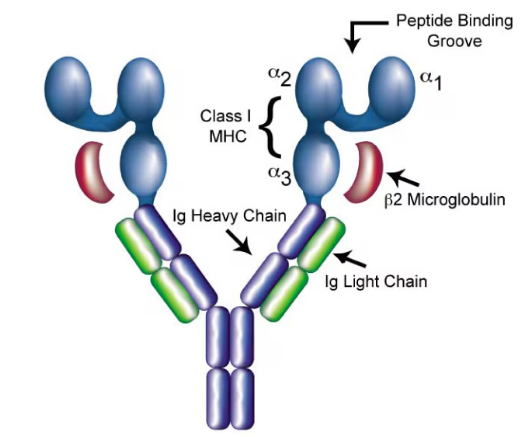
H-2Kb MHC Tetramer: The Gold Standard Tool for Decoding Antigen-Specific CD8+ T Cell Immune Responses
2025-08-21Developed by John Altman and Mark Davis in the late 1990s, MHC tetramer technology revolutionized the detection and analysis of antigen-specific T cells. By leveraging the high-affinity (Ka ~10^15 M⁻¹) biotin-streptavidin interaction, biotinylated pMHC complexes bind to fluorescent streptavidin, forming tetravalent probes. This enables direct visualization and quantification of specific T cells, representing a major milestone in immunology research.
View details
- Immunity/Inflamma
- MHC
- CD8+ T Cell
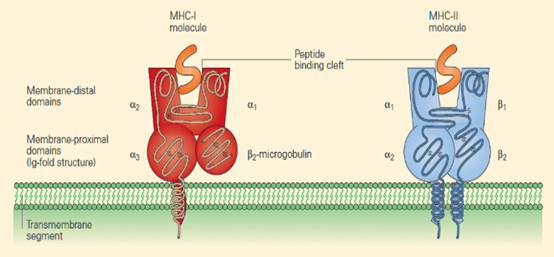
H-2Db MHC Tetramer: A Precision Key to Decoding Cellular Immune Responses
2025-08-21The Major Histocompatibility Complex (MHC) tetramer technology, pioneered by John Altman and Mark Davis in the late 1990s, is a revolutionary tool in immunology. It utilizes biotinylated MHC-peptide monomers bound to fluorescently labeled streptavidin to form a multivalent complex, dramatically enhancing TCR binding affinity. This enables precise flow cytometry-based detection and sorting of antigen-specific T cells, greatly advancing cellular immunology research.
View details
- Immunity/Inflamma
- MHC
- CyTOF

HLA-A MHC Tetramer Technology: A Precision Key to Decoding Specific T-Cell Immune Responses
2025-08-21Prior to the 1990s, antigen-specific T cells were primarily detected using functional assays like LDA or ELISPOT, which indirectly measured T cell frequency through proliferation or cytokine secretion. These methods lacked TCR information, could not distinguish cell states, and had limited sensitivity for rare populations (<0.01%). Furthermore, their reliance on cell viability often altered native states, failing to accurately reflect the in vivo T cell repertoire.
View details
- Cell Biology
- MHC
- TILs
- LDA
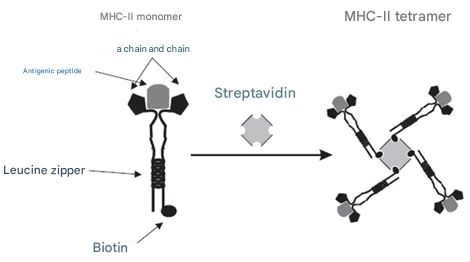
The Molecular Architecture, Genetic Polymorphism, and Immune Regulation Mechanisms of the Major Histocompatibility Complex (MHC)
2025-05-12The Major Histocompatibility Complex (MHC) is a highly polymorphic genetic system composed of a group of tightly linked genes. Its encoded products form the core molecular system for T lymphocyte recognition and antigen presentation. This antigen system is crucial for regulating allograft rejection in organ transplantation, with its molecular polymorphism directly impacting the specificity of immune responses.
View details
- Immunity/Inflamma
- MHC
- T lymphocytes
- MHC antigens

Engineered MHC class II tetramers enhance the detection sensitivity of antigen-specific T cells by strengthening CD4 binding.
2025-05-12T cells play a core role in cell-mediated immune responses by recognizing specific peptide antigens bound to MHC molecules. Fluorescently labeled peptide:MHC class I (pMHC I) tetramers are standard for identifying antigen-specific CD8⁺ T cells via flow cytometry. However, extending this technology to detect CD4⁺ T cells faces technical challenges.
View details
- Immunity/Inflamma
- MHC class II tetramer
- MHC
- T cell
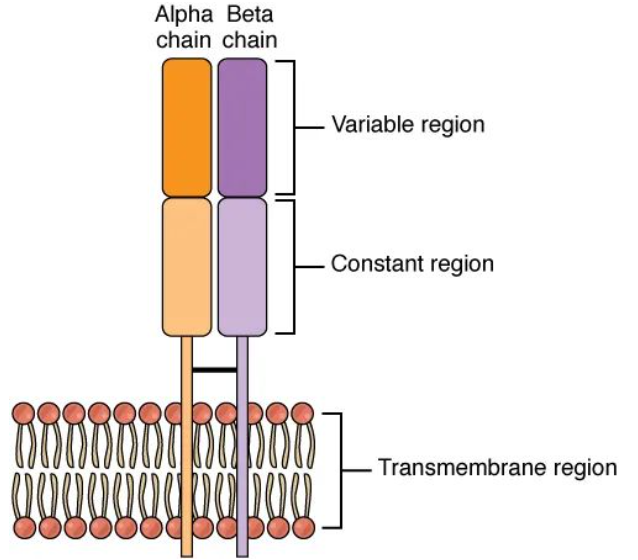
MHC-Peptide Complex: Central Hub of Immune Response and Core Mechanism of Antigen Presentation
2025-05-12The innate immune system establishes a multi-layered antigen-monitoring network to counter persistent pathogenic microbial threats. In contrast, the adaptive immune system demonstrates more sophisticated regulatory sophistication: when specific B cells or T cells encounter no cognate antigens during their lifespan, their immune receptors remain in a state of functional dormancy.
View details
- Immunity/Inflamma
- MHC peptide complex
- MHC
- Natural immune system
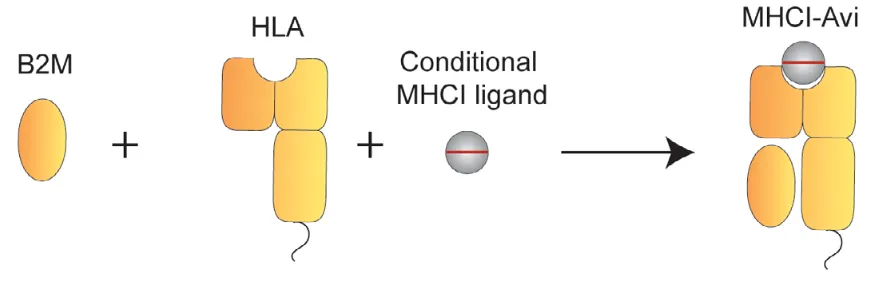
Quantitative Assessment of Antigen Peptide-MHC Binding Affinity and High-Throughput ELISA Screening Platform for Population Adaptability
2025-05-12This technical platform offers precise evaluation services for the binding affinity between antigenic peptides and HLA-I molecules, enabling efficient screening of antigenic epitopes with HLA-I-restricted presentation potential. The technological system has been maturely applied in the following domains: 1) Development of immunotherapy targets for tumors (e.g., tumor neoantigen screening), 2) Personalized tumor vaccine preparation (including custom synthesis of MHC-I multimers), and 3) Vaccine research for infectious diseases (e.g., monitoring of virus-specific T cell immune responses).
View details
- Immunity/Inflamma
- Antigen peptide MHC binding affinity
- ELISA
- MHC
- 1

Link:





©2021-2026 all rights reserved UA Biotechnology Co.,Ltd.
Privacy Policy 
网站备案号 浙ICP备2022019033号-2 浙公网安备33010202004867号
 Business license (three certificates in one)
 Tel:+86-25-56221161
E-mail:order@ua-bio.com
All products sold on this website shall not be used for clinical diagnosis or treatment of humans or animals, and shall only be used for non-medical purposes such as industrial or scientific research.
