




Technical Articles
MHC peptide complexes
Immunological core mechanism: How MHC peptide complexes achieve antigen presentation and T cell immune response?
 2025-08-22
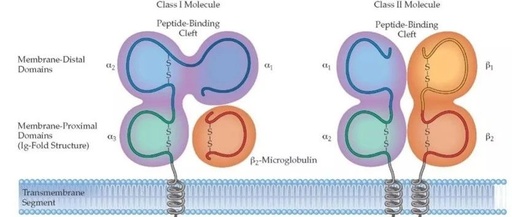
The major histocompatibility complex (MHC) was initially discovered for its role in organ transplant rejection, but with the development of immunology, we gradually realize that its more fundamental function is to participate in antigen presentation. MHC molecules can be divided into class I, class II, and class III, among which class I and class II glycoproteins form complexes on the cell surface, which can bind to antigenic peptides and present them to T cells, thereby initiating specific immune responses. This mechanism not only helps distinguish between "self" and "non self", but also plays a key role in infections, tumors, and autoimmune diseases.
View details
- Immunity/Inflamma
- Immunity
- MHC peptide complexes
- antigen presentation
- T cell immune response
- 1

Link:





©2021-2026 all rights reserved UA Biotechnology Co.,Ltd.
Privacy Policy 
网站备案号 浙ICP备2022019033号-2 浙公网安备33010202004867号
 Business license (three certificates in one)
 Tel:+86-25-56221161
E-mail:order@ua-bio.com
All products sold on this website shall not be used for clinical diagnosis or treatment of humans or animals, and shall only be used for non-medical purposes such as industrial or scientific research.
