




Technical Articles
Macrophages
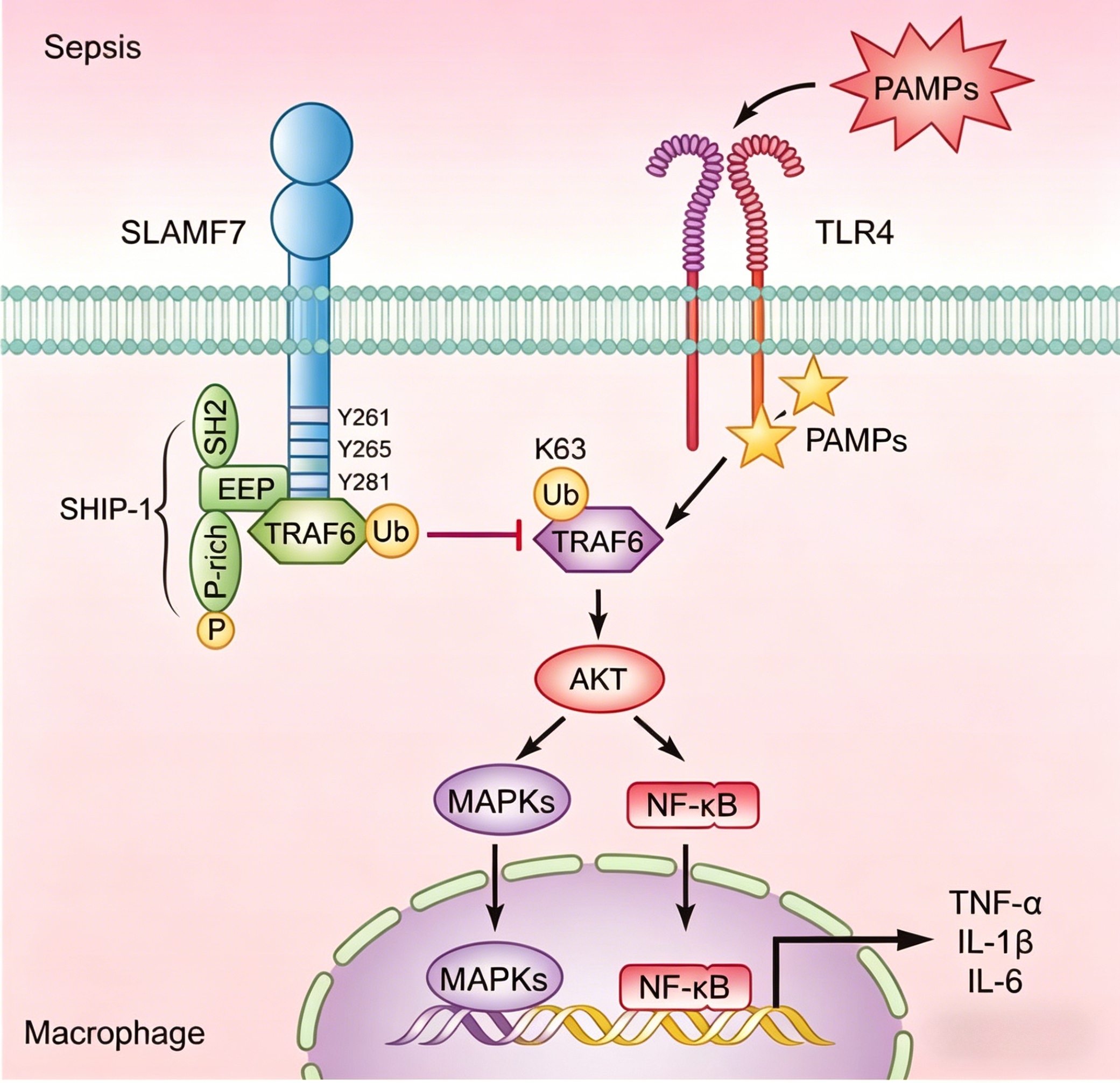
Application of FITC-labeled SLAMF7/CRACC/CD319 Fc chimeric protein in the study of macrophage hyperactivation
 2026-04-28
Macrophages play an important role in defending against microbial infections, but abnormal activation of macrophage function can trigger inflammation and lead to significant histopathological changes. In atherosclerotic plaques, there are notable histopathological alterations, and abnormal activation of macrophage function is also evident in autoimmune diseases such as rheumatoid arthritis and inflammatory bowel disease.
View details
- Cell Biology
- SLAMF7/CRACC/CD319
- Macrophages
- Rheumatoid Arthritis
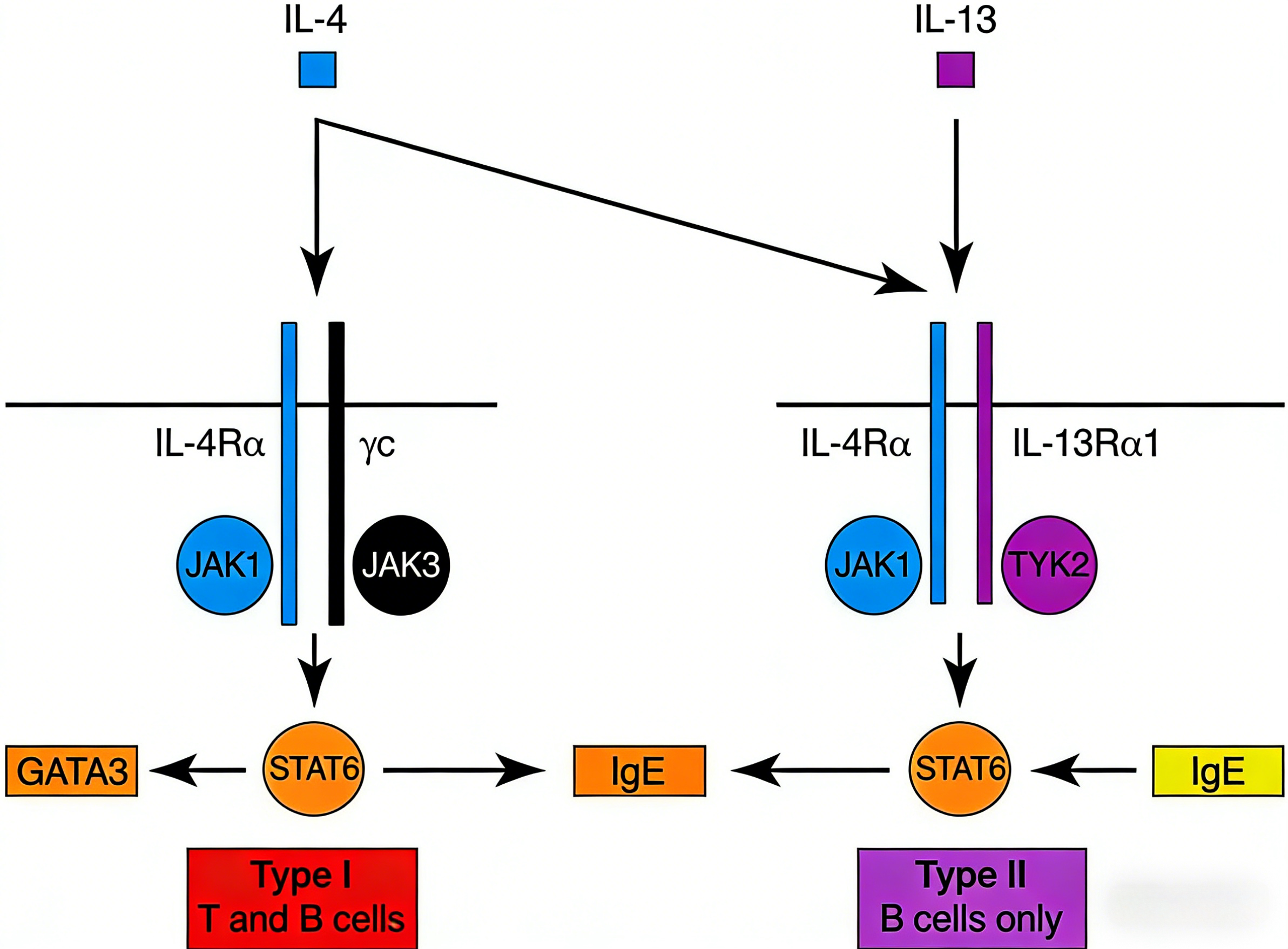
Biological Functions and Clinical Research Advances of IL-13 Protein
2026-04-01IL-13 protein is a pleiotropic cytokine secreted by various cells, including CD4-positive T cells, CD8-positive T cells, mast cells, basophils, eosinophils, and natural killer cells, with type 2 helper T cells being its primary source.
View details
- Cell Biology
- IL-13 Protein
- Macrophages
- B Lymphocytes
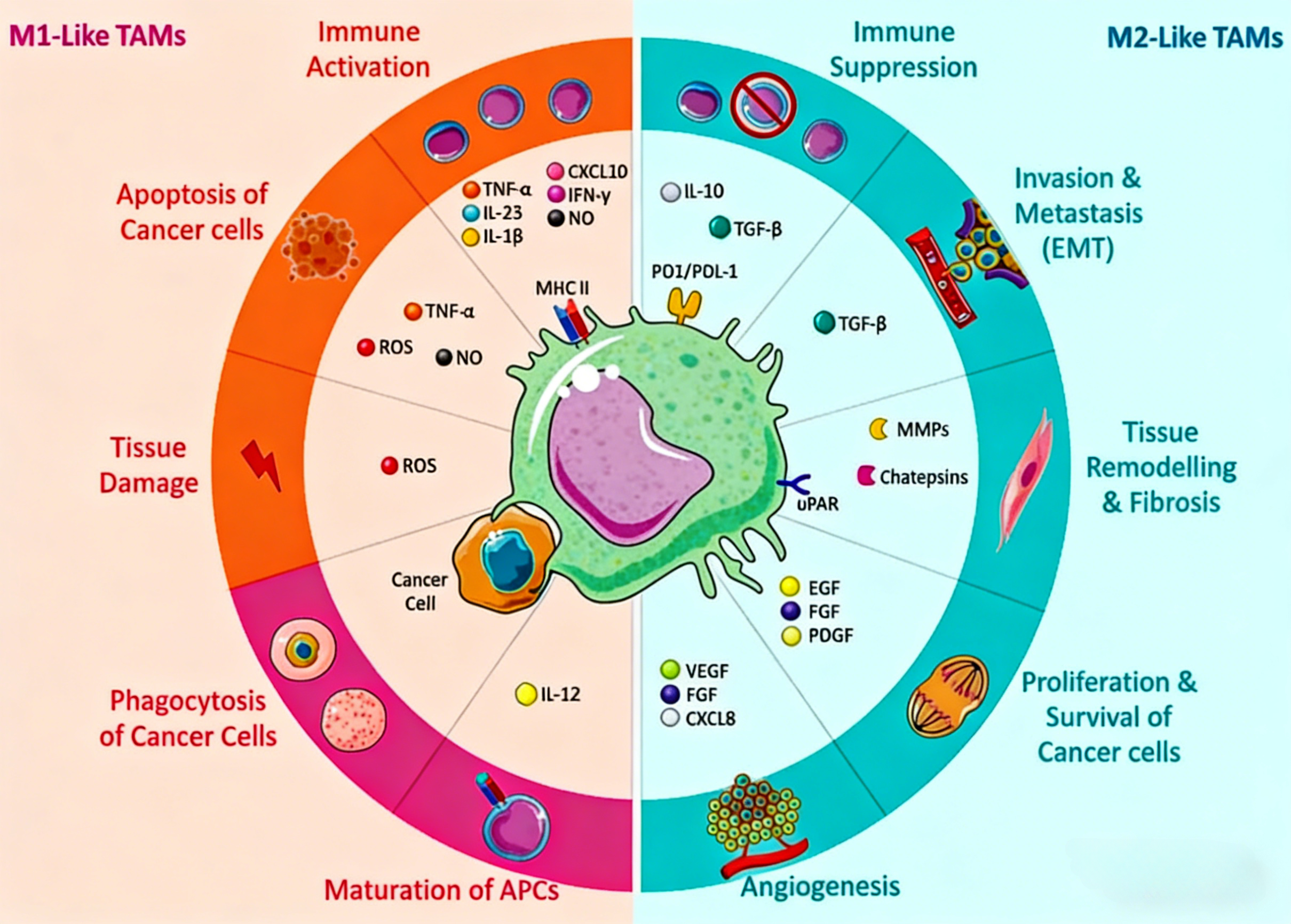
Macrophage Polarization and Its Role in the Tumor Microenvironment
2026-03-18Macrophages are highly heterogeneous immune cells with significant ontogenic differences in their origins. During embryonic development, certain tissue-resident macrophages, such as Langerhans cells in the skin, microglia in the central nervous system, Kupffer cells in the liver, and alveolar macrophages, originate from yolk sac and fetal liver precursors. These cells maintain tissue homeostasis through self-renewal.
View details
- Cancer
- Macrophages
- Tumor Microenvironment
- Embryonic Development
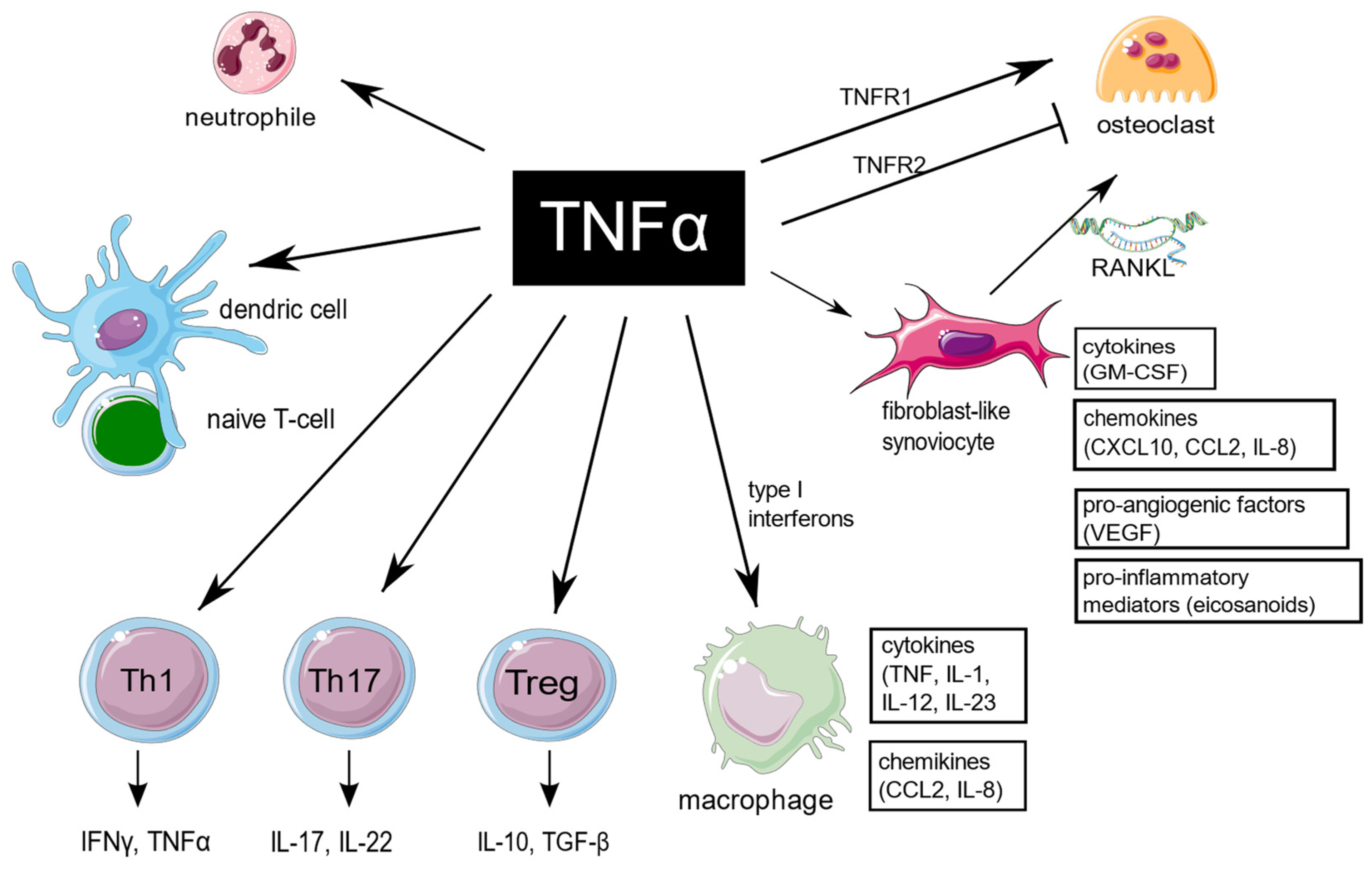
M-CSF: The "Supreme Commander" of Macrophages and Its Double-Edged Sword Role in the Disease Battlefield
2025-11-24M-CSF, or macrophage colony-stimulating factor, is a key regulator in the hematopoietic system that determines the fate of mononuclear macrophages. It is far more than just a "growth factor" for macrophages; it is the "supreme commander" of their survival, differentiation, and function.
View details
- Immunity/Inflamma
- M-CSF
- macrophage colony-stimulating factor
- CSF-1
- macrophages
- tumor-associated macrophages
- osteoclasts
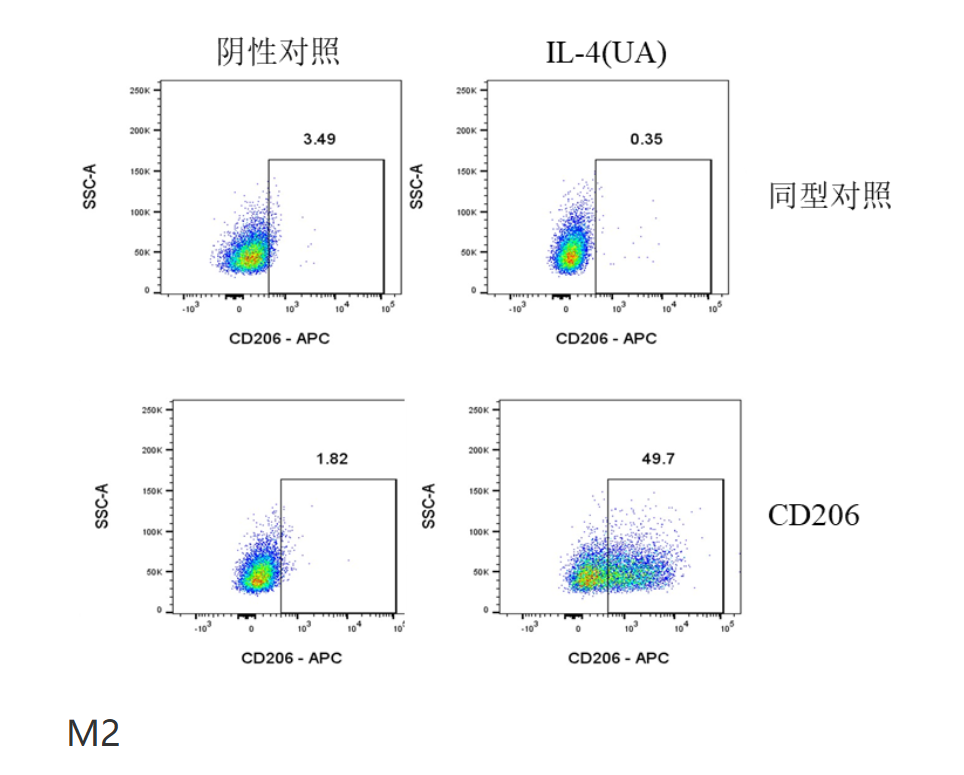
Navigating RAW264.7 macrophage polarization? Partner with U&I Bio to clearly define M1/M2.
2025-10-21Macrophage polarization refers to the process by which macrophages, stimulated by specific signals in the microenvironment, undergo functional reprogramming and differentiate into distinct subsets with different phenotypes and functions. This is not a simple "on" or "off" switch, but rather a complex functional spectrum, with the most classic types being M1 (classically activated) and M2 (alternatively activated).
View details
- Immunity/Inflamma
- Mouse RAW264.7 cells
- macrophages
- the M1 phenotype
- and the M2 phenotype.
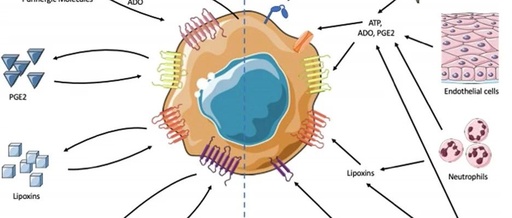
The core role and research progress of M-CSF in macrophage biology
2025-07-22Macrophage Colony Stimulating Factor (M-CSF) is a key cytokine that regulates the biological behavior of macrophages, and its discovery is closely related to research on the hematopoietic system.
View details
- Cell Biology
- M - CSF
- Macrophages
- Biology
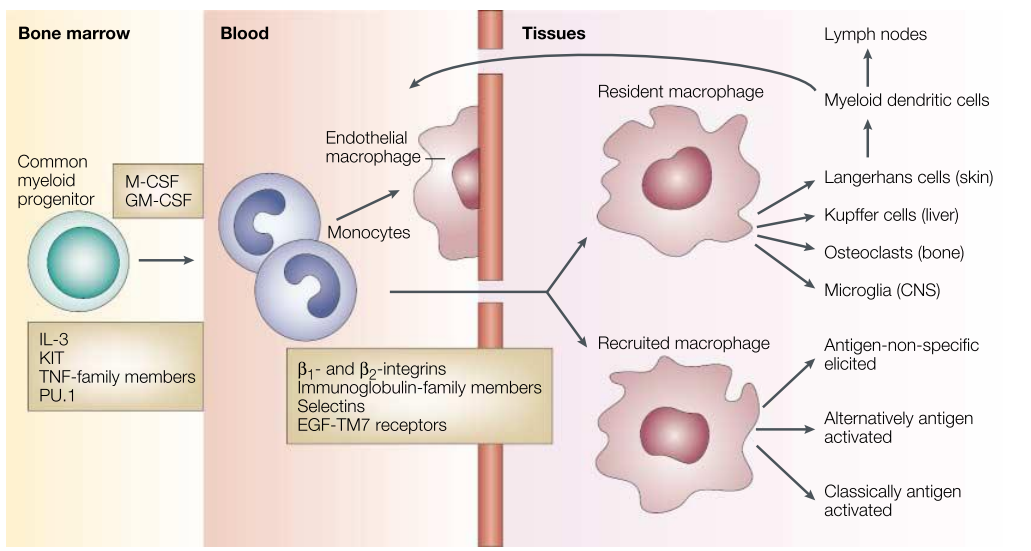
Immunological Exploration: Solutions for Inducing Macrophage Differentiation
2025-03-20Macrophages, as pivotal constituents of the immune system, play a crucial role in immune defense and the modulation of inflammatory responses. To gain a deeper understanding of their biological characteristics and functions, the cultivation of murine macrophages has become an indispensable research methodology. Through meticulously designed culture experiments, researchers are able to simulate diverse immunological environments, thereby facilitating in-depth investigations into the proliferation, differentiation, and immune responses of macrophages.
View details
- Immunity/Inflamma
- Immunological exploration
- macrophages
- Nanjing Youai (UA BIO)

Detailed Protocols for the Cultivation of Macrophages, Dendritic Cells (DCs), and Natural Killer (NK) Cells
2025-03-19The mononuclear phagocyte system comprises monocytes in the blood and fixed or mobile macrophages in tissues, which possess phagocytic functions. Dendritic cells (DCs) are named for their numerous dendritic or pseudopod-like protrusions upon maturation. Natural Killer (NK) cells primarily originate from the bone marrow, where they gradually mature within the bone marrow microenvironment before distributing into the peripheral blood.
View details
- Immunity/Inflamma
- Macrophages
- DC cells
- NK cells
- 1

Link:





©2021-2026 all rights reserved UA Biotechnology Co.,Ltd.
Privacy Policy 
网站备案号 浙ICP备2022019033号-2 浙公网安备33010202004867号
 Business license (three certificates in one)
 Tel:+86-25-56221161
E-mail:order@ua-bio.com
All products sold on this website shall not be used for clinical diagnosis or treatment of humans or animals, and shall only be used for non-medical purposes such as industrial or scientific research.
