Technical Articles
Multiple sclerosis

What Is MOG Protein: A Myelin Self-Antigen and Core Target in MS Research
 2026-10-12
MOG (myelin oligodendrocyte glycoprotein) is a myelin self-antigen and a core target in multiple-sclerosis research. This article explains its biology, epitopes and experimental uses.
View details
- Immunity/Inflamma
- MOG
- myelin oligodendrocyte glycoprotein
- multiple sclerosis
- self-antigen
- anti-MOG
- UA010998
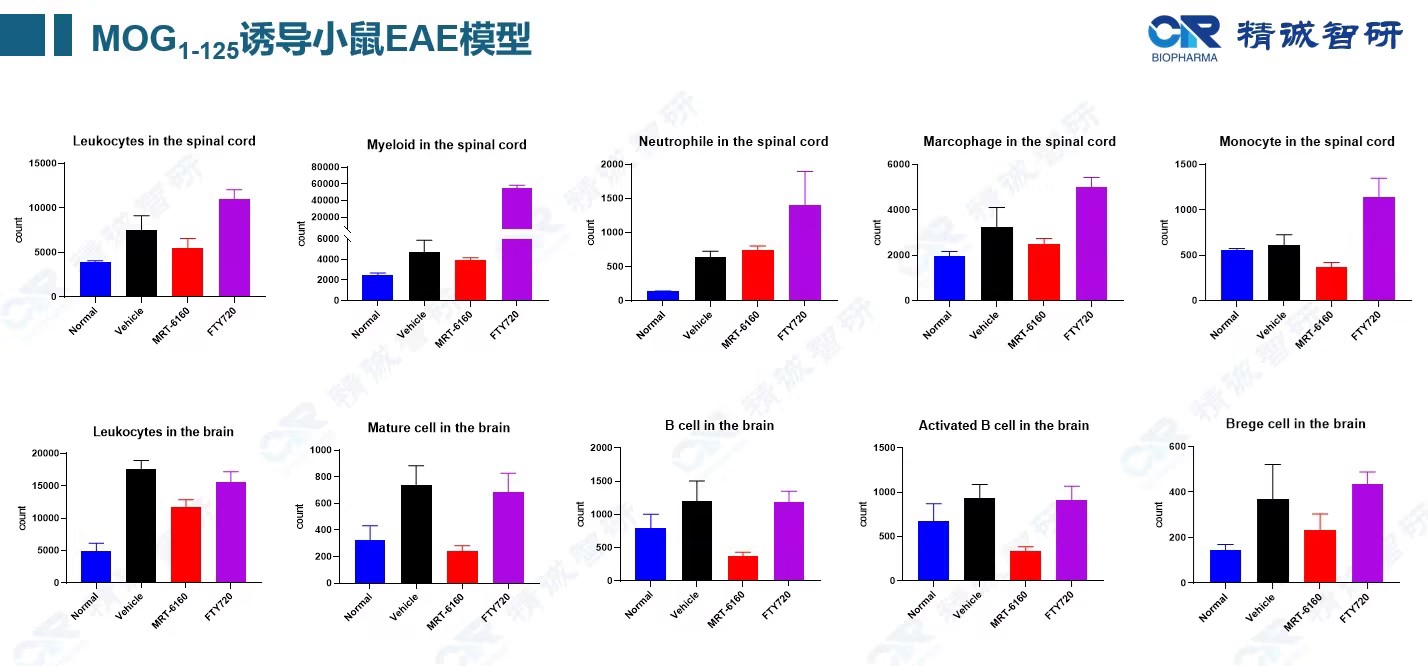
MOG (1-125) in Autoimmunity Research: From EAE Models to Translational Use
2026-10-12How recombinant MOG (1-125) underpins experimental autoimmune encephalomyelitis models and supports multiple-sclerosis and autoimmunity research workflows.
View details
- Immunity/Inflamma
- MOG 1-125
- EAE model
- multiple sclerosis
- autoimmunity
- translational research
- UA010471

Recombinant Human MOG (1-125): The EAE Inductive Antigen Explained
2026-10-12MOG (1-125) is the extracellular IgV domain of myelin oligodendrocyte glycoprotein. This article explains its truncation range, immunodominant epitopes, glycosylation effect, and the EAE induction workflow.
View details
- Immunity/Inflamma
- MOG
- MOG 1-125
- myelin oligodendrocyte glycoprotein
- EAE
- multiple sclerosis
- IgV domain
- glycosylation
- UA010471
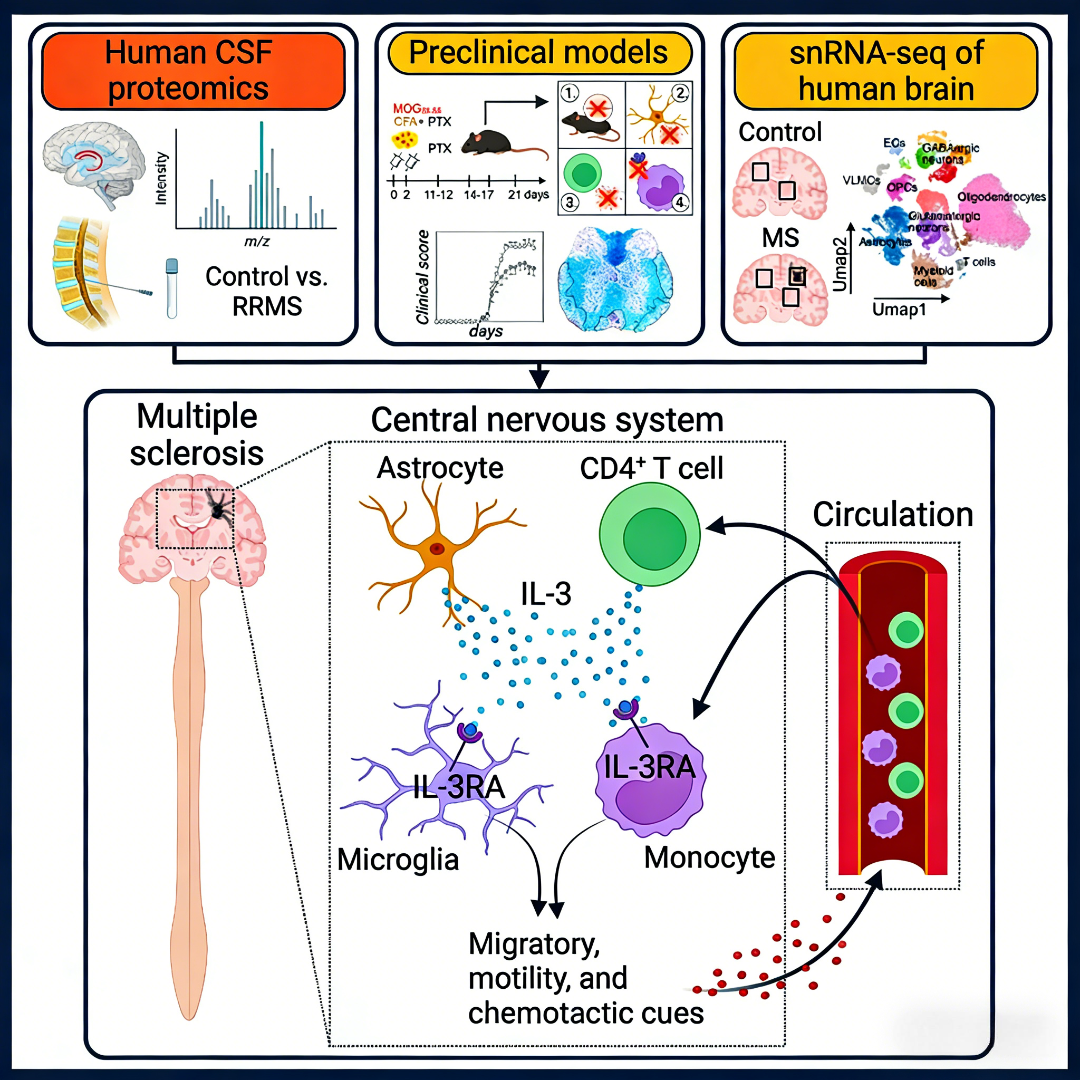
The regulatory mechanism and detection application of interleukin-3 in multiple sclerosis
2026-01-07Interleukin-3 (IL-3), as a critical hematopoietic growth factor and inflammatory regulator, plays a pivotal role in the pathogenesis of multiple sclerosis (MS) and its animal model, experimental autoimmune encephalomyelitis (EAE).
View details
- Immunity/Inflamma
- IL3/IL3R Kit
- Multiple sclerosis
- Inflammatory regulator
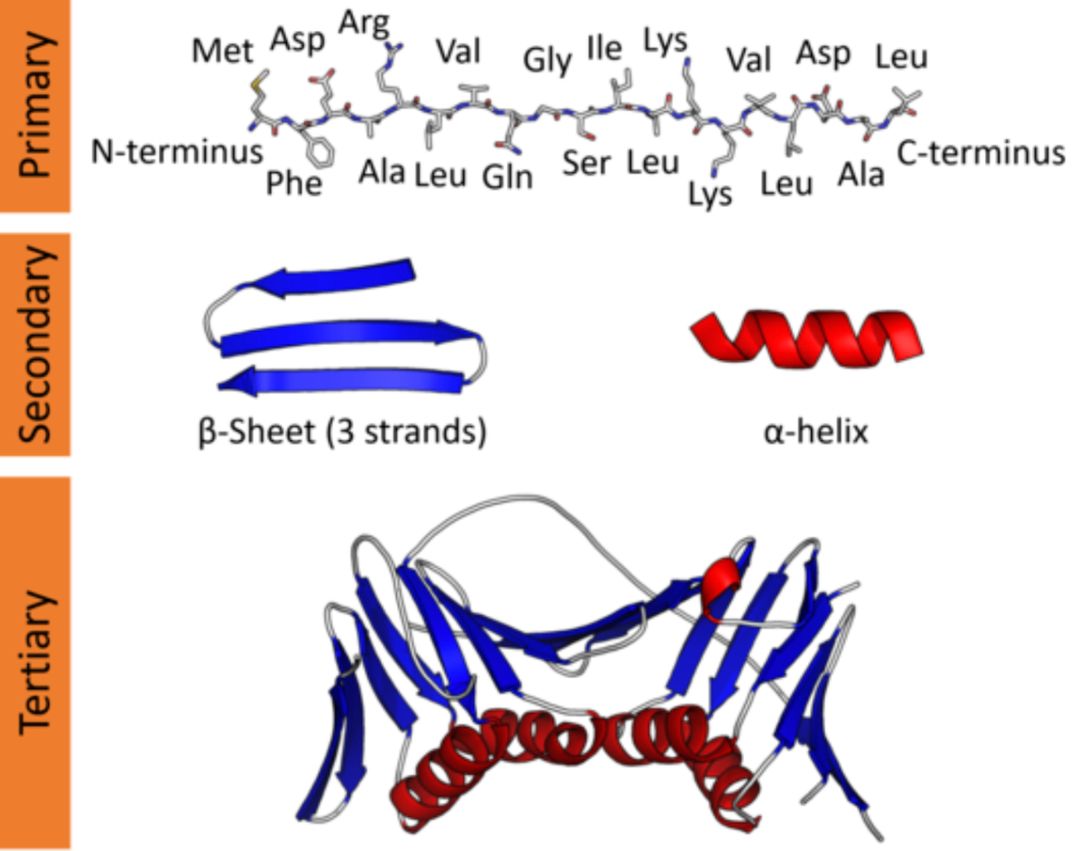
MBP (68-86) Protein: Deciphering the "Key Peptide" in Multiple Sclerosis and the Initiating Factors of Autoimmune Attack
2025-11-27MBP (68-86) is the highly immunogenic core peptide segment of myelin basic protein, serving as the most representative autoantigen in the central nervous system and playing a critical role in the development and progression of demyelinating diseases such as multiple sclerosis.
View details
- Immunity/Inflamma
- MBP (68-86) protein
- Multiple Sclerosis
- Autoimmunity
Exploring New Therapeutic Targets for Multiple Sclerosis: Opening the Door to Health
2025-05-08Multiple sclerosis (MS) is a complex central nervous system disease that poses significant challenges to patients' lives. However, with continuous advancements in medical research, scientists have discovered numerous potential therapeutic targets, bringing new hope for overcoming this disease.
View details
- Neuroscience
- Multiple sclerosis
- MS
- Nanjing Youai
The MOG-induced EAE animal model: An effective tool for studying autoimmune diseases.
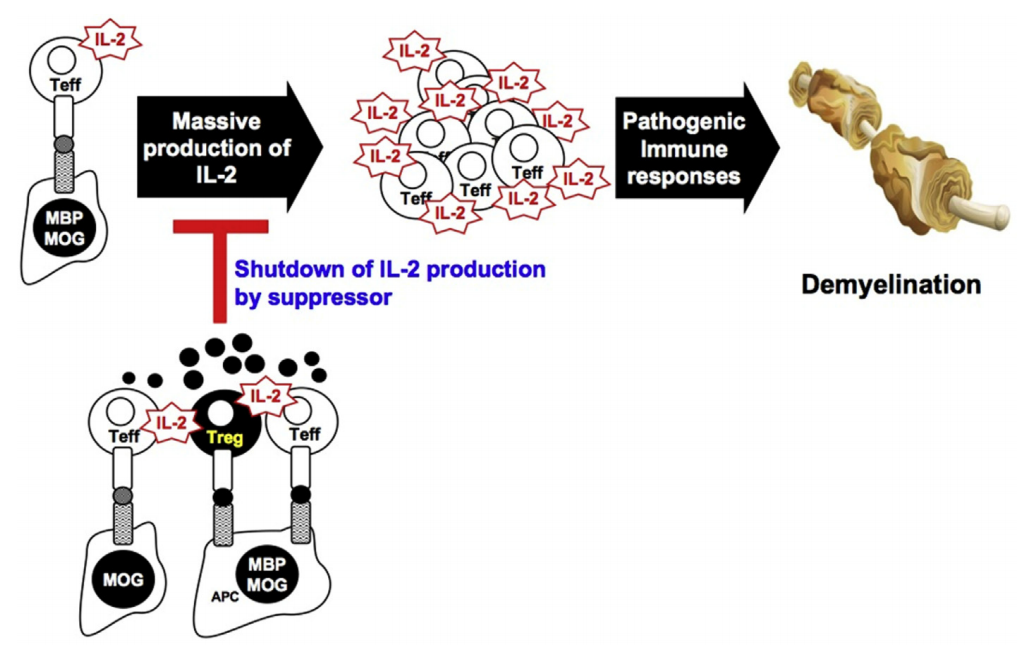
2025-03-20Multiple Sclerosis (MS) is a classic autoimmune disease whose pathological mechanisms are not yet fully understood. To further investigate and comprehend the pathogenesis of MS, researchers widely employ the Experimental Autoimmune Encephalomyelitis (EAE) animal model. In these models, Myelin Oligodendrocyte Glycoprotein (MOG) is utilized as an immunogen to induce autoimmune lesions, mimicking the progression of MS. This article reviews the establishment and characteristics of the MOG-induced EAE animal model, its applications in studying autoimmune diseases, and explores the potential role of this model in elucidating the pathophysiology of MS.
View details
- Immunity/Inflamma
- Multiple sclerosis
- MOG
- EAE
- 1

Link:





©2021-2026 all rights reserved UNIV Biotechnology Co.,Ltd.
Privacy Policy
网站备案号 苏ICP备2025207586号-2 浙公网安备33010202004867号
 Business license (three certificates in one)
 Tel:+86-25-56221161
E-mail:order@ua-bio.com
All products sold on this website shall not be used for clinical diagnosis or treatment of humans or animals, and shall only be used for non-medical purposes such as industrial or scientific research.