

Technical Articles
Nanjing Youai
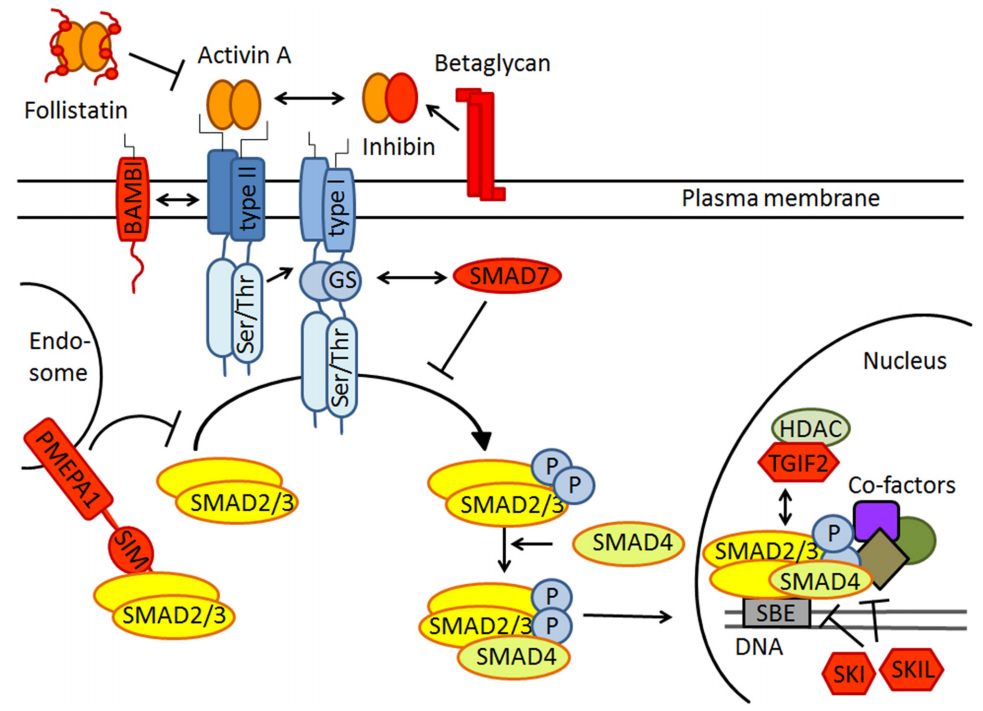
ActRII Target: The "Gold Mine" for Next-Generation Fat-Reducing and Muscle-Enhancing Drug Development
 2025-06-26
In the field of metabolic disease treatment, the Activin Type II Receptor (ActRII) is emerging as a focal point of competition among global pharmaceutical companies. As a core member of the TGF-β superfamily, ActRII regulates the metabolic balance between fat and muscle, offering a novel therapeutic paradigm for metabolic disorders such as obesity and sarcopenia. With major players like Eli Lilly, Merck, and China's innovative biopharma companies such as Laekna Therapeutics making significant investments, the ActRII target is propelling metabolic drug research into a new era of "simultaneous fat reduction and muscle enhancement."
View details
- Drug Research
- Activin type II receptor
- ActRII target
- Nanjing Youai
- TGF-β

STAT6—The New Focus of PROTAC and Molecular Glues
2025-06-12Cell signaling is crucial for cellular communication and regulation within organisms, and the STAT protein family plays a central role in this process. STAT6, a member of this family, is involved in regulating the functions of various cell types, including immune responses, cell differentiation, proliferation, and survival. Abnormal activation or dysfunction of STAT6 is closely linked to the development of numerous diseases, making the study of STAT6 highly significant in biology and medicine.
View details
- Drug Research
- Cell signal
- Nanjing Youai
- UA
- STAT6
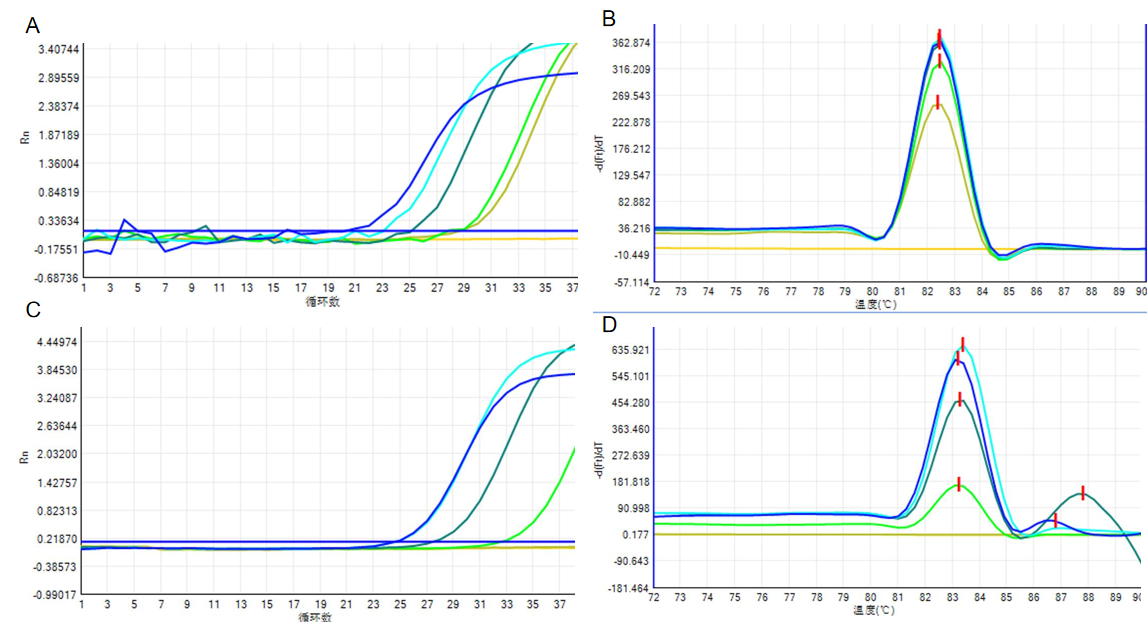
Efficient and Precise, One-Step Solution丨Extraction-free One-Step RT-qPCR Kit (SYBR Green/TaqMan Probe) Empowers Research and Diagnostics
2025-05-22In fields such as molecular biology research, pathogen detection, and gene expression analysis, reverse transcription quantitative polymerase chain reaction (RT-qPCR) is the gold standard technology due to its high sensitivity, specificity, and quantitative capabilities.
View details
- Cell Biology
- One-Step RT-qPCR Kit
- Dye method
- probe method
- RT-qPCR
- Nanjing Youai
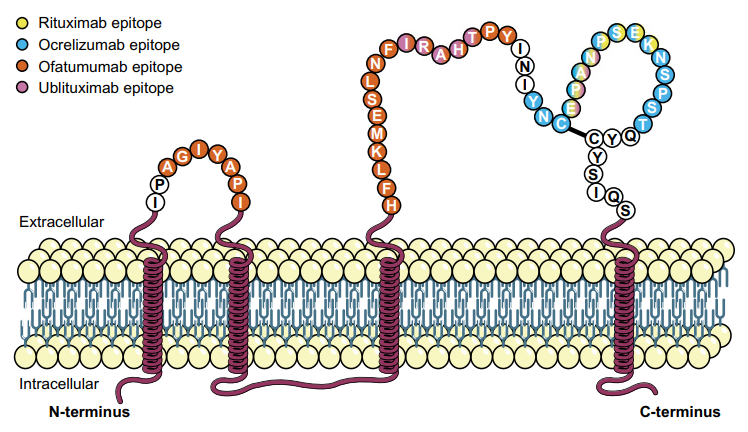
CD20: B Cells' "Beacon" and the "Evergreen Target" of Immunotherapy
2025-05-22CD20 (Cluster of Differentiation 20), also known as B-lymphocyte antigen CD20 or MS4A1, is a 33-37 kDa non-glycosylated phosphoprotein belonging to the transmembrane 4 superfamily A (MS4A) protein family. It consists of four hydrophobic transmembrane domains, one intracellular domain, and two extracellular loops, with both N- and C-termini located in the cytoplasm.
View details
- Immunity/Inflamma
- CD20-B cells
- Nanjing Youai
- UA BIO
- B lymphocytes
- CD20
- Cluster of Differentiation 20
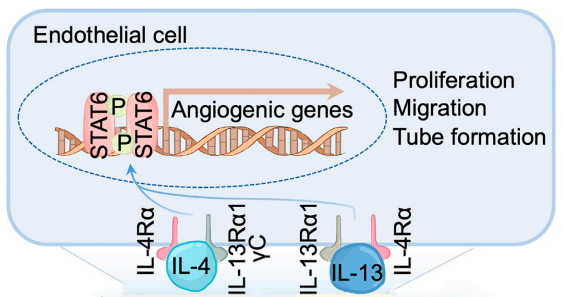
IL-4Rα: The Janus Receptor Underlying Contrasting Fates in Allergy and Cancer
2025-05-12In Type 2 immune response-mediated allergic diseases, IL-4Rα serves as the shared subunit of interleukin-4 (IL-4) and interleukin-13 (IL-13) receptors, emerging as one of the most sought-after targets in the global biopharmaceutical sector. Through dual inhibition of IL-4/IL-13 signaling pathways, it has not only revolutionized therapeutic paradigms for conventional conditions like atopic dermatitis and asthma but also demonstrated remarkable potential across interdisciplinary fields including tumor immunology and viral infections.
View details
- Cancer
- IL-4Rα
- Nanjing Youai
- interleukin-4
- IL-4
- Interleukin-13
- IL-13

Youai Target Proteins: Precision Treatment Options for Autoimmune Diseases
2025-05-08Autoimmune diseases, such as rheumatoid arthritis, psoriasis, and ankylosing spondylitis, are chronic inflammatory conditions caused by the immune system erroneously attacking the body's own tissues, significantly impairing patients' quality of life. In recent years, with the deepening understanding of the pathogenesis of these diseases, several key target proteins have been discovered and applied in treatment, bringing new hope to patients.
View details
- Immunity/Inflamma
- Autoimmune diseases
- Nanjing Youai
- immune diseases
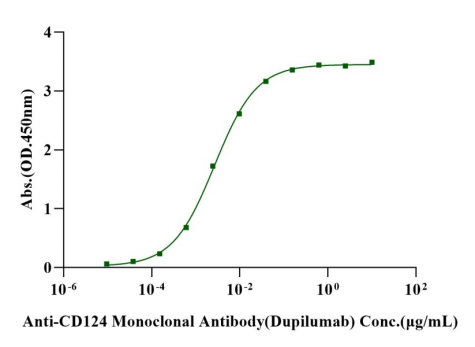
Exploring the Frontiers of Atopic Dermatitis: From Pathogenesis to Therapeutic Strategies
2025-05-08Atopic dermatitis (AD) is a common chronic inflammatory skin disease characterized by intense pruritus and recurrent eczematous lesions. In recent years, with the deepening understanding of AD pathogenesis, scientists have discovered that various cytokines and signaling pathways play pivotal roles in the disease process, providing a theoretical basis for the development of novel therapeutic targets.
View details
- Immunity/Inflamma
- Atopic dermatitis
- AD
- Chronic inflammatory skin disease
- Nanjing Youai
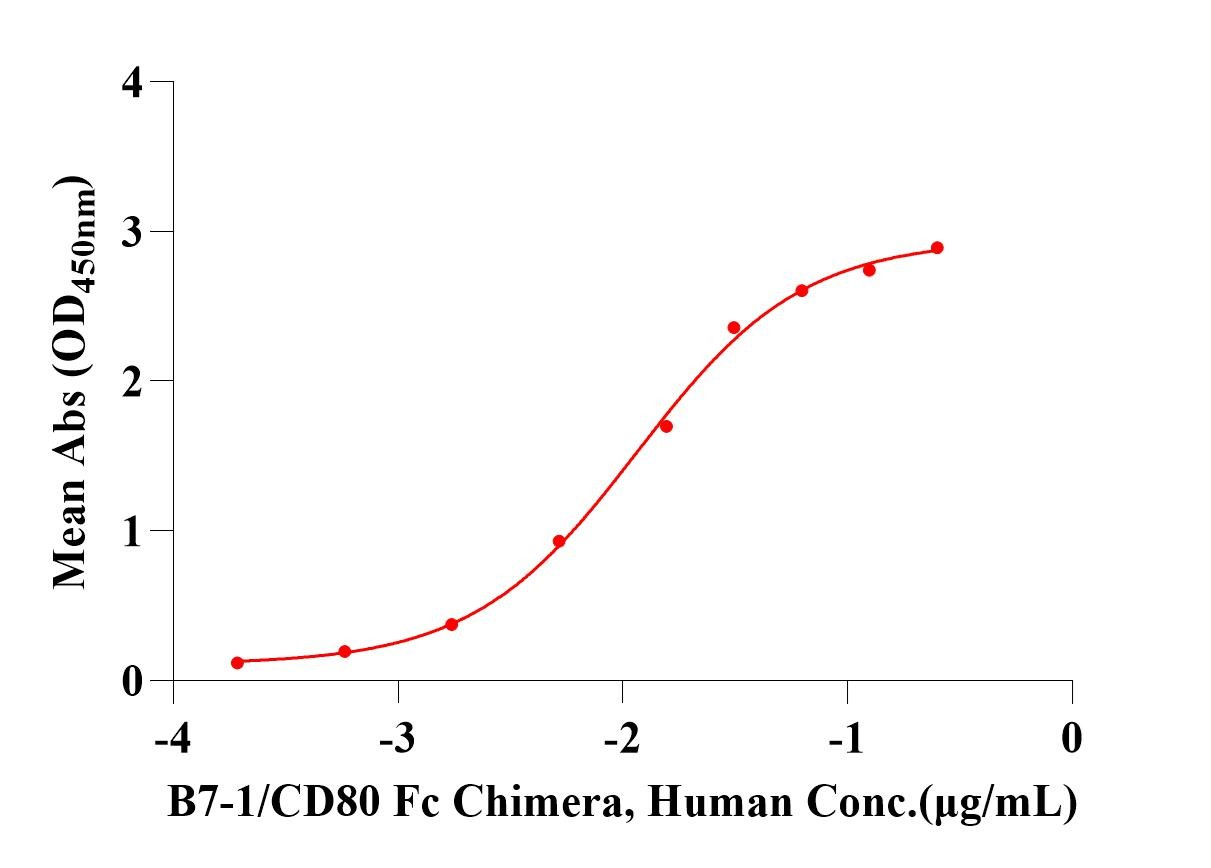
Exploring New Therapeutic Targets for Rheumatoid Arthritis: Pioneering the Future of Immunomodulation
2025-05-08Rheumatoid arthritis (RA) is a complex chronic autoimmune disease affecting approximately 0.5%-1% of the global population. RA not only causes joint inflammation and pain but also leads to various complications, significantly impacting patients' quality of life. In recent years, with a deeper understanding of the pathological mechanisms of RA, scientists have identified several key immunomodulatory target proteins, offering new possibilities for developing innovative treatment strategies.
View details
- Immunity/Inflamma
- Rheumatoid arthritis
- RA
- Nanjing Youai
- UA BIO
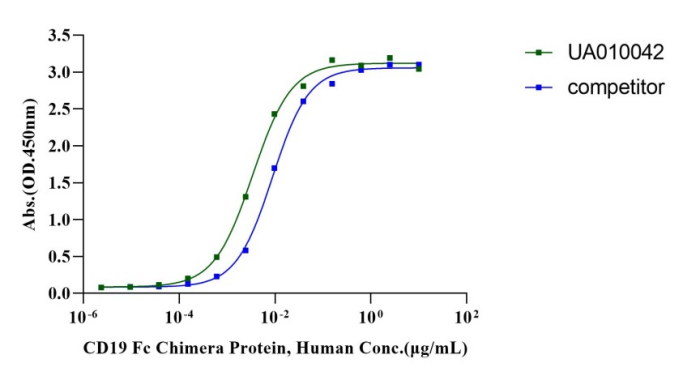
Exploring New Therapeutic Targets for Multiple Sclerosis: Opening the Door to Health
2025-05-08Multiple sclerosis (MS) is a complex central nervous system disease that poses significant challenges to patients' lives. However, with continuous advancements in medical research, scientists have discovered numerous potential therapeutic targets, bringing new hope for overcoming this disease.
View details
- Neuroscience
- Multiple sclerosis
- MS
- Nanjing Youai
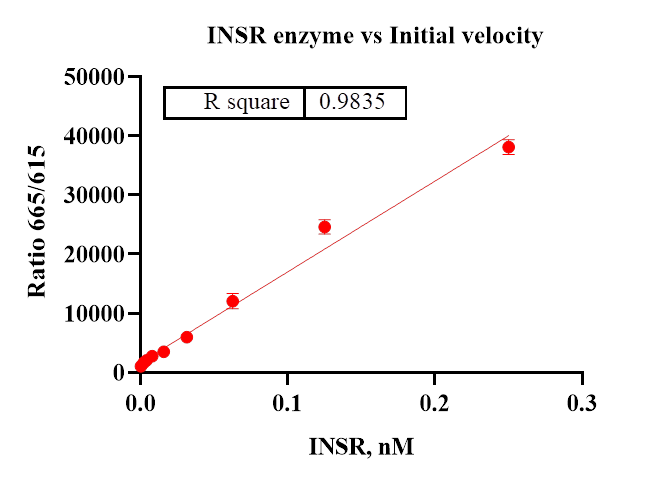
The Precision Key to Diabetes Treatment: Target Proteins Paving New Paths
2025-05-08Diabetes, a highly prevalent metabolic disease globally, has emerged as a significant public health challenge. It is primarily classified into type 1 diabetes mellitus (T1DM) and type 2 diabetes mellitus (T2DM),
View details
- Drug Research
- Diabetes
- Nanjing Youai
- target protein
- 1
- 2
- 3
- 4

Link:





©2021-2026 all rights reserved UNIV Biotechnology Co.,Ltd.
Privacy Policy
网站备案号 苏ICP备2025207586号-2 浙公网安备33010202004867号
 Business license (three certificates in one)
 Tel:+86-25-56221161
E-mail:order@ua-bio.com
All products sold on this website shall not be used for clinical diagnosis or treatment of humans or animals, and shall only be used for non-medical purposes such as industrial or scientific research.