

Technical Articles
PD-1
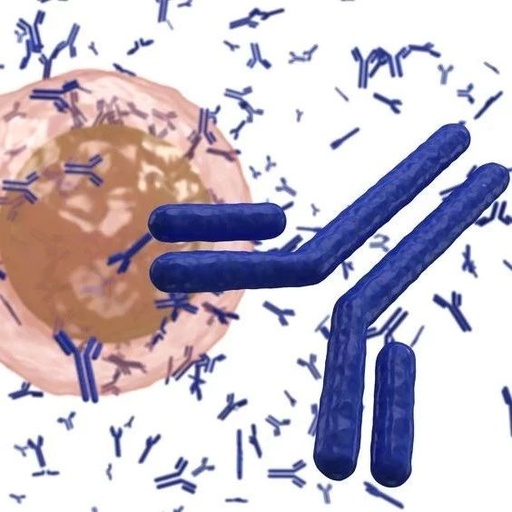
New Trends in Global PD-L1 Antibody Clinical Development: Combination, Scale, and Regional Breakthroughs
 2025-08-20
PD-L1 targeted antibodies, as the core force of tumor immunotherapy, restore the killing ability of T cells against tumors by blocking the immunosuppressive binding of PD-L1 and PD-1. Currently, it has become the standard treatment for 16 specific cancers and unlimited indications.
View details
- Cancer
- PD-1
- PD-L1
- Tumor
- immunity
Panorama of PD-1 Immunotherapy: From Mechanism Breakthrough to Clinical New Exploration
2025-08-20Programmed death receptor 1 (PD-1) is a core member of the immune checkpoint family, mainly expressed on the surface of activated immune cells. It transmits immunosuppressive signals by binding to PD-L1/PD-L2, maintaining peripheral immune tolerance. But tumor cells often overexpress PD-L1 and achieve "immune escape" through the PD-1 pathway. Inhibitors targeting PD-1/PD-L1 have become a revolutionary approach in cancer treatment, and in recent years, research has expanded to include factors affecting efficacy, combination therapy, new mechanisms, and other dimensions, providing new directions for precision immunotherapy
View details
- Immunity/Inflamma
- PD-1
- immunotherapy
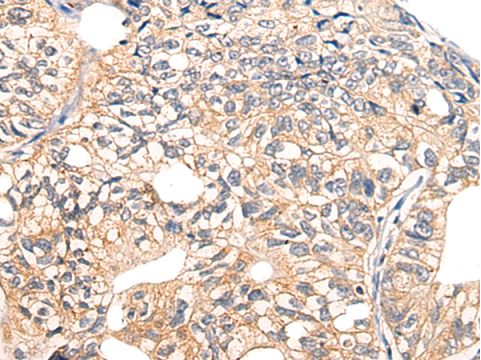
HAVCR2 (TIM-3): A novel mechanism of immune checkpoint regulation and its potential in tumor therapy
2025-07-08As an important member of the TIM family (TIM1/HAVCR1, TIM3/HAVCR2, TIM4/TIMD4), TIM-3 has attracted much attention for its critical role in autoimmune and tumor immune regulation
View details
- Immunity/Inflamma
- HAVCR2
- TIM-3
- PD-1
- 1

Link:





©2021-2026 all rights reserved UNIV Biotechnology Co.,Ltd.
Privacy Policy
网站备案号 苏ICP备2025207586号-2 浙公网安备33010202004867号
 Business license (three certificates in one)
 Tel:+86-25-56221161
E-mail:order@ua-bio.com
All products sold on this website shall not be used for clinical diagnosis or treatment of humans or animals, and shall only be used for non-medical purposes such as industrial or scientific research.