




Technical Articles
PROTAC
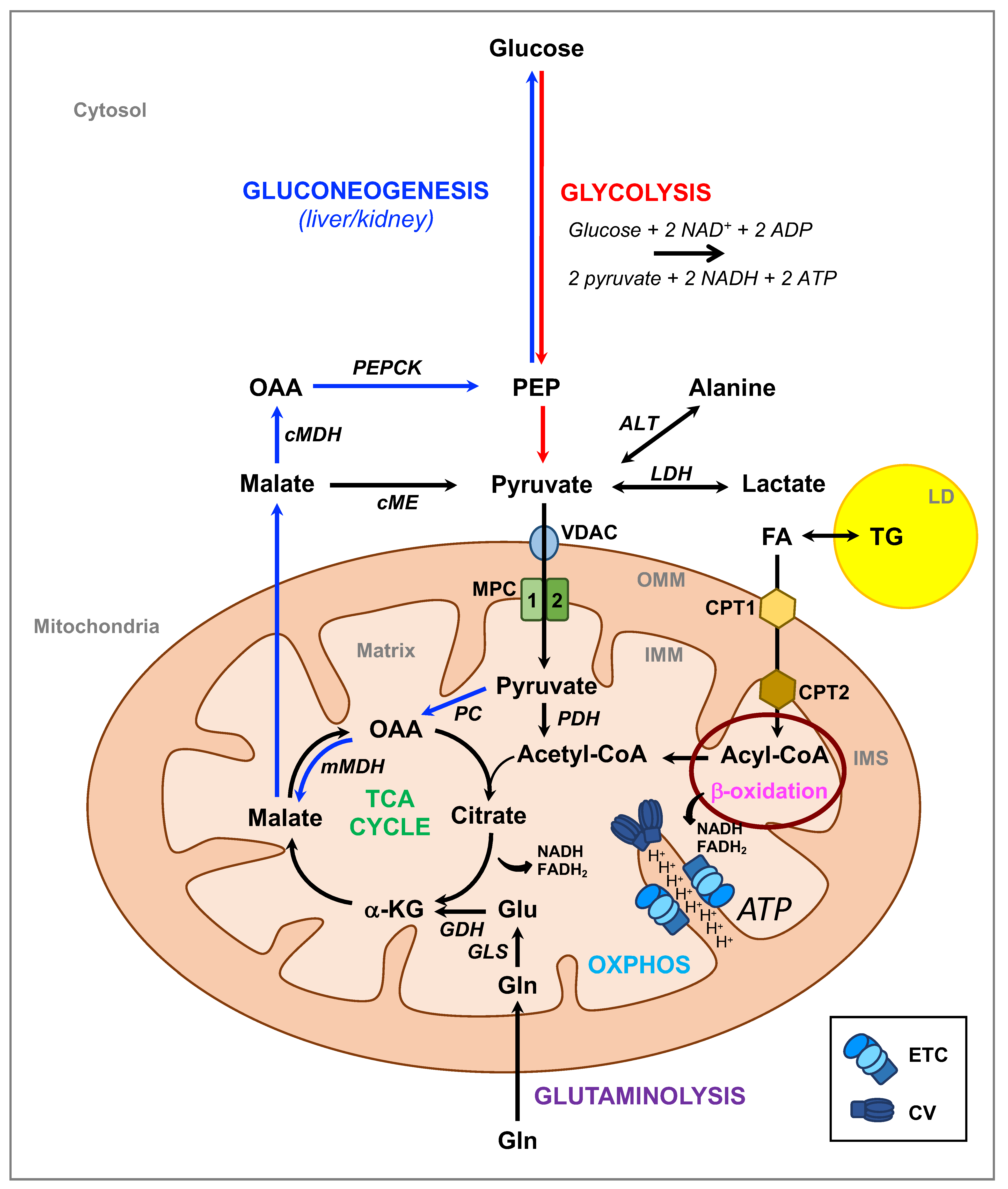
Drug Discovery Strategies for KRAS Small-Molecule Inhibitors—From Covalent Locking to Protein Degradation
 2026-06-10
The development history of KRAS inhibitors spans over thirty years, with the first two decades nearly stagnant and the last decade witnessing an explosion. The turning point lies in the new understanding of KRAS's dynamic conformations and advancements in chemical technologies—particularly the application of covalent chemistry, fragment-based drug design, and targeted protein degradation.
View details
- Immunity/Inflamma
- KRAS inhibitors
- covalent inhibitors
- non-covalent inhibitors
- PROTAC
- molecular glues
- fragment screening
- high-throughput screening

ITK/CRBN axis: Molecular tools for T-cell signaling regulation and targeted protein degradation
2026-06-05ITK is a core non-receptor tyrosine kinase in the T cell receptor signaling pathway, playing a regulatory role in T cell subset differentiation by controlling PLCγ1 activation and calcium signal intensity.
View details
- Cancer
- ITK
- CRBN
- PROTAC
- T cell receptor
- signaling pathway
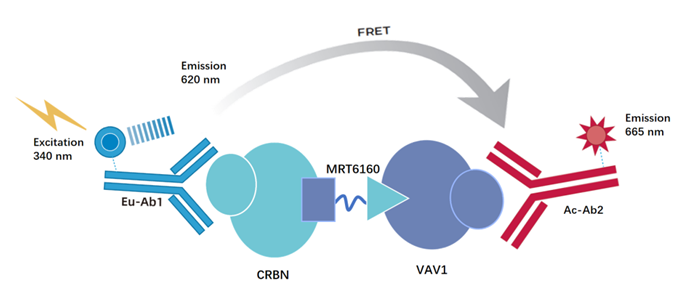
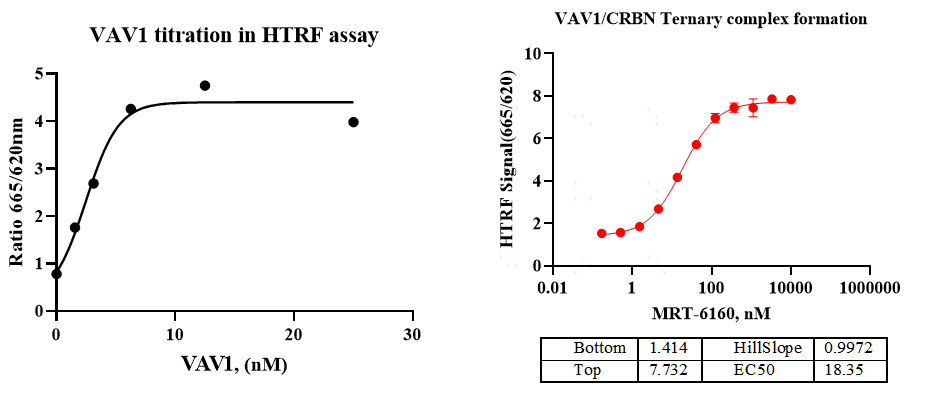
Application of TR-FRET Technology in Quantitative Evaluation of VAV1/CRBN-Targeting PROTACs
2026-04-16Targeted protein degradation technology has become a key research direction in the field of chemical biology. Among these, PROTAC technology achieves selective degradation of specific proteins by inducing interactions between the target protein and E3 ubiquitin ligase.
View details
- Drug Research
- TR-FRET Technology
- VAV1/CRBN
- PROTAC

STAT6 Protein: The "Command Center" of Immune Response and a Novel Therapeutic Target for Th2-Related Diseases
2025-12-02Signal transducer and activator of transcription 6 is a key member of the JAK-STAT signaling pathway family, serving as a central effector for interleukin-4 and interleukin-13 signaling, and plays a decisive role in allergic responses, parasitic immunity, and shaping specific tumor microenvironments.
View details
- Cancer
- STAT6
- Interleukins
- PROTAC
- Inflammation
- Immune Response
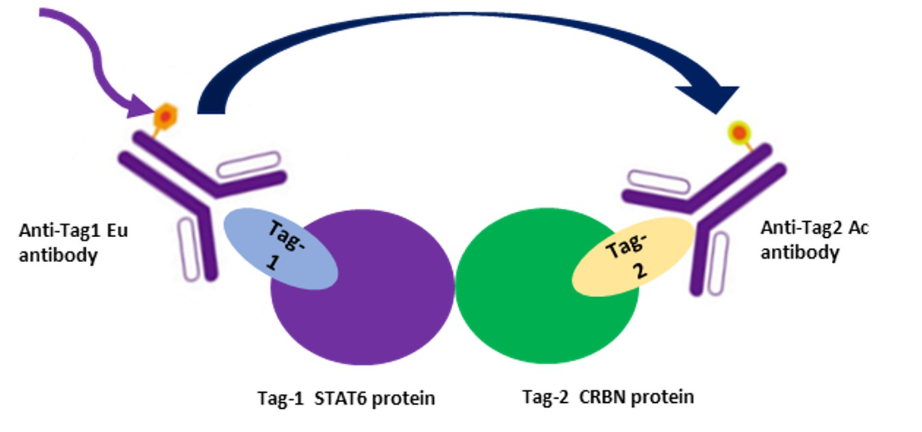
Precision interaction, one "probe" reveals all
2025-11-26TR-FRET Technology Empowers PROTAC/Molecular Glue Research
View details
- Drug Research
- TR-FRET
- PROTAC
How to address the relationship between Nerandomilast (BI 1015550), PROTAC, and PDE4B, along with key questions in drug development?
2025-10-14PDE4B, a subtype of the phosphodiesterase 4 (PDE4) family, has the core function of specifically hydrolyzing the intracellular second messenger cyclic adenosine monophosphate (cAMP). By regulating cAMP levels, it influences physiological processes such as inflammatory responses and immune activation, making it a key target for inflammatory and neurological diseases. Nerandomilast (BI 1015550), a selective PDE4 inhibitor in the clinical stage, has a clearly defined molecular mechanism of action targeting PDE4B: by binding to the catalytic domain of PDE4B, it competitively inhibits the enzyme's hydrolytic activity toward cAMP, increases intracellular cAMP concentration, subsequently activates the protein kinase A (PKA) signaling pathway, and inhibits the release of pro-inflammatory cytokines (such as IL-6, TNF-α) and the activation of inflammatory cells (such as macrophages, T cells).
View details
- Immunity/Inflamma
- PDE4B
- Nerandomilast(BI 1015550)
- PROTAC
U&I Protein's PROTAC "Magic Show": Making Target Proteins "Disappear" with a Click!
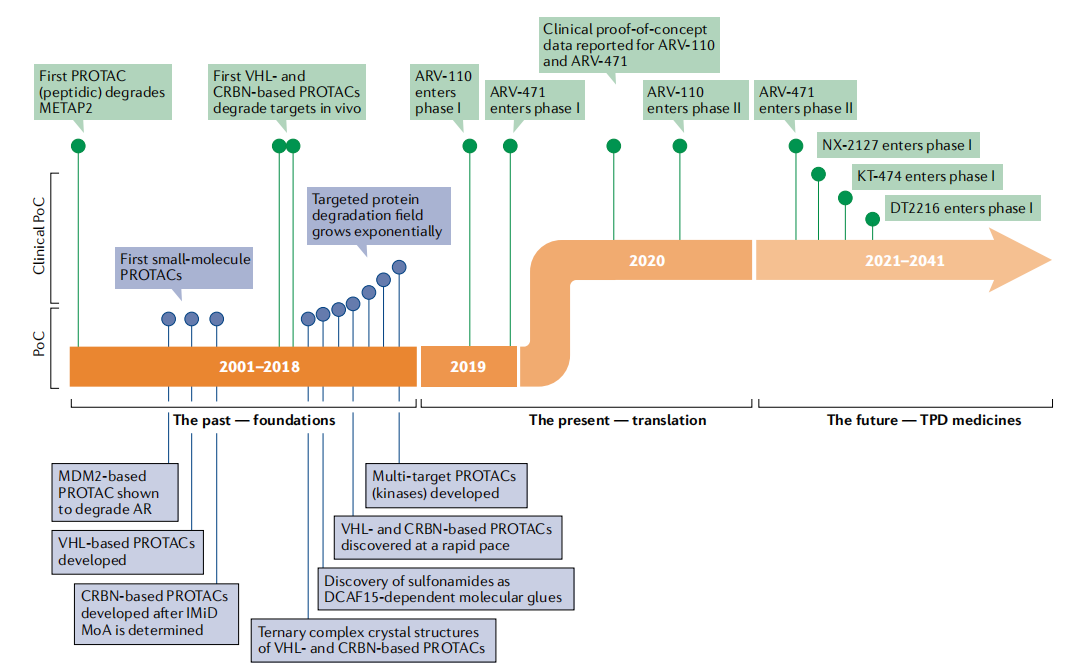
2025-04-15In recent years, the field of biomedicine has witnessed a technological revolution—the development of new drug research and development technologies based on protein degradation-targeting chimeras (PROTACs). PROTACs guide the ubiquitin-proteasome system (UPS) within cells to degrade specific target proteins, enabling precise regulation of disease-related proteins. This mechanism not only breaks through the limitations of traditional small-molecule drugs but also brings new hope for "undruggable" targets.
View details
- Drug Research
- Youai protein
- PROTAC
- UPS
PROTAC—Unlocking the Infinite Potential of Protein Degradation!
2025-03-21In recent years, the innovative drug development technology based on Proteolysis-Targeting Chimeras (PROTACs) has sparked a revolution in the field of biomedicine. PROTACs facilitate the degradation of specific target proteins by harnessing the ubiquitin-proteasome system (UPS) within cells, enabling precise modulation of disease-related proteins. This mechanism not only overcomes the limitations of traditional small-molecule drugs but also demonstrates significant advantages in targeting "undruggable" proteins.
View details
- Drug Research
- PROTAC
- protein degradation
- 1

Link:





©2021-2026 all rights reserved UA Biotechnology Co.,Ltd.
Privacy Policy 
网站备案号 浙ICP备2022019033号-2 浙公网安备33010202004867号
 Business license (three certificates in one)
 Tel:+86-25-56221161
E-mail:order@ua-bio.com
All products sold on this website shall not be used for clinical diagnosis or treatment of humans or animals, and shall only be used for non-medical purposes such as industrial or scientific research.
