




Technical Articles
Protein
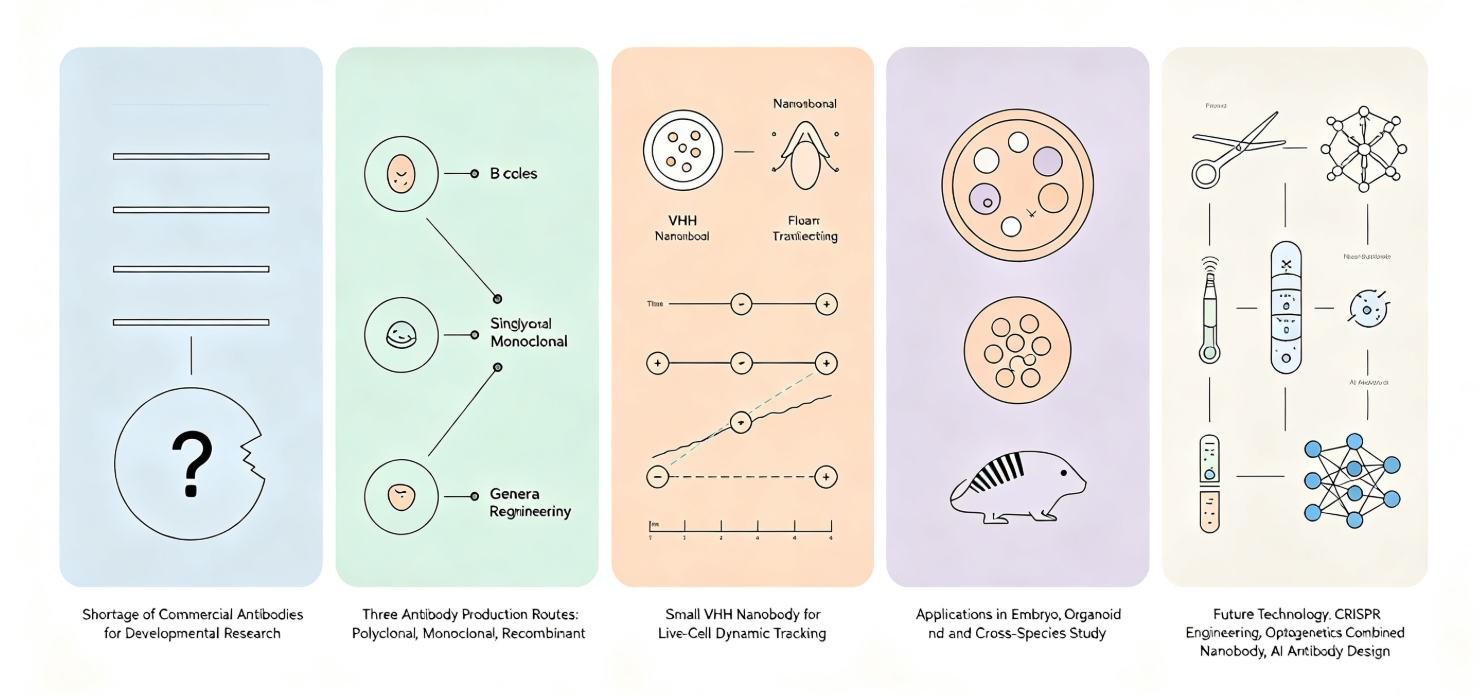
Regulation of Stem Cell Differentiation and the Application Value of Rat-Derived β-Nerve Growth Factor Protein
 2026-07-16
Stem cell biology is a core research focus in the fields of regenerative medicine and tissue engineering.
View details
- Neuroscience
- Rat β-Nerve Growth Factor Protein
- Protein
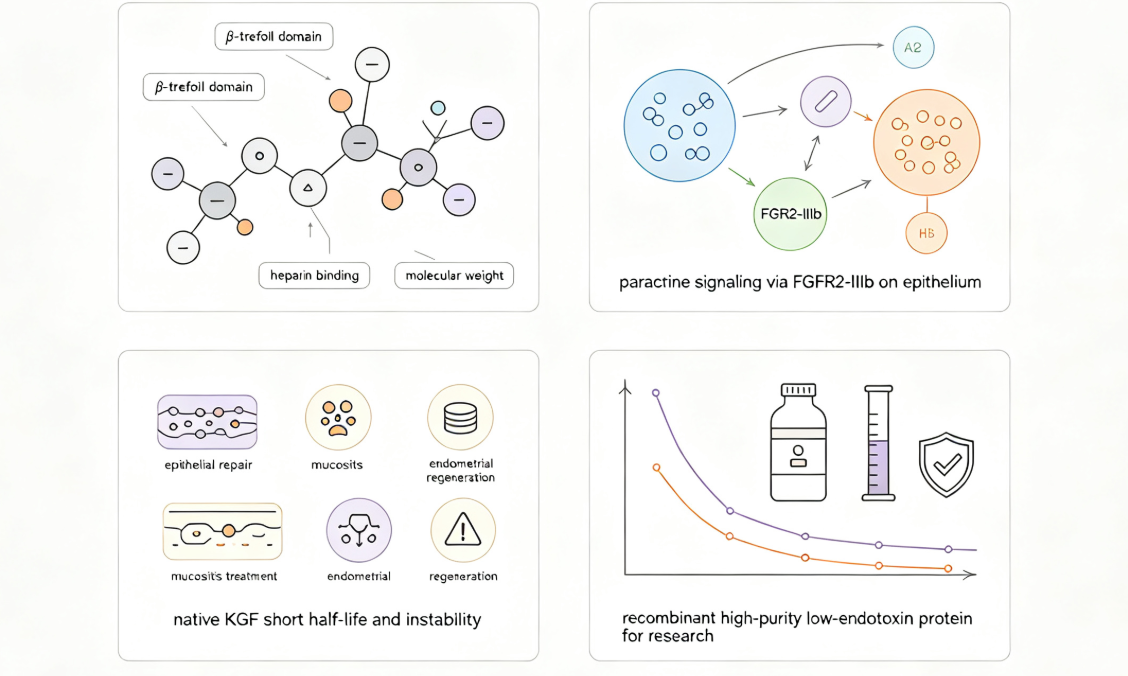
Characteristics and Application Potential of Human Keratinocyte Growth Factor/Fibroblast Growth Factor 7 (KGF/FGF-7) Protein
2026-07-16Keratinocyte growth factor (KGF), also known as fibroblast growth factor 7 (FGF-7), is a key member of the fibroblast growth factor family. It is secreted by mesenchymal-derived cells and exerts paracrine regulatory effects by specifically binding to its epithelial cell receptor. This factor plays a critical role in promoting epithelial cell proliferation, tissue damage repair, and organ development, particularly demonstrating potential value in the regenerative treatment of endometrial damage. However, its inherent structural instability and rapid clearance in vivo hinder clinical translation. Advances in recombinant protein technology provide a feasible pathway to overcome this bottleneck.
View details
- Signaling Pathway
- Human Keratinocyte Growth Factor/Fibroblast Growth Factor 7 Protein
- Protein
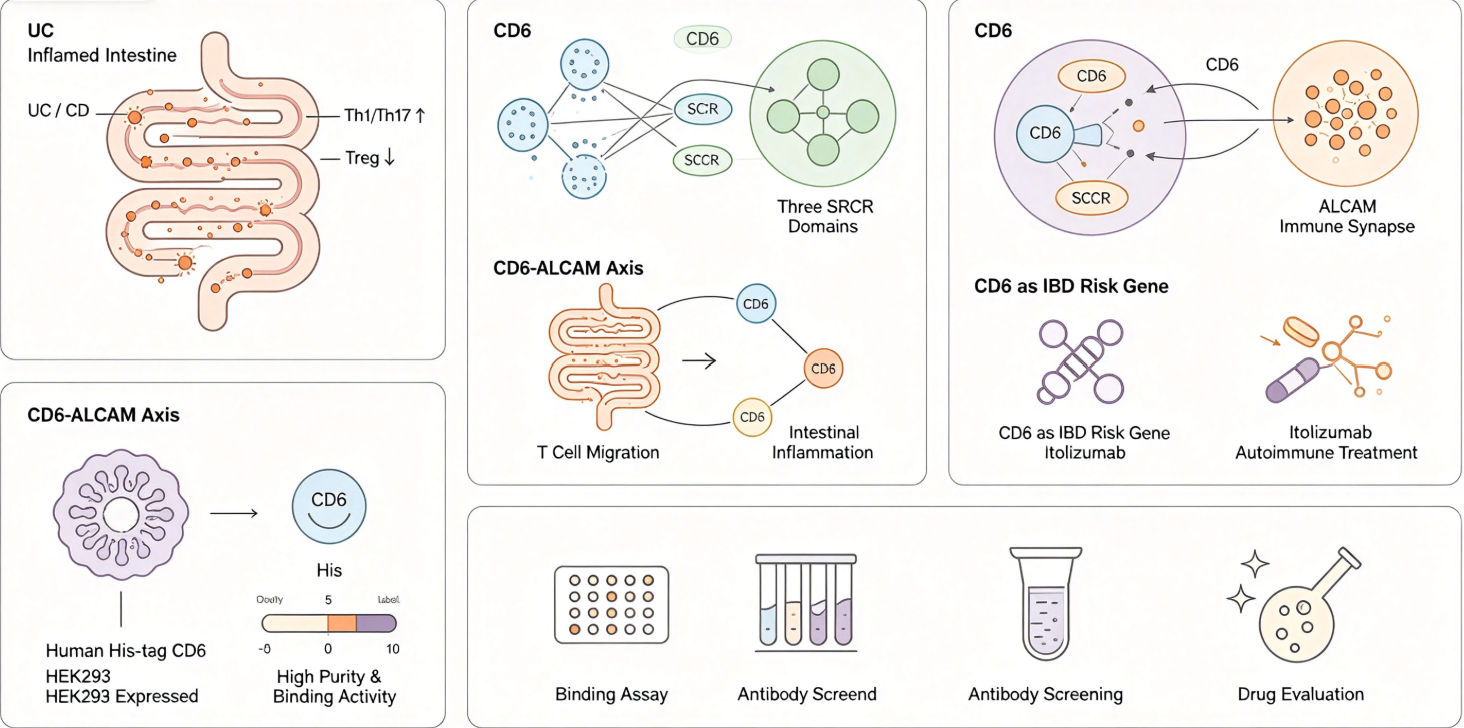
The Key Role of CD6 Molecule in Immune Regulation of Inflammatory Bowel Disease and the Application Value of Its Recombinant Protein Tools
2026-07-14Inflammatory bowel disease (IBD) is a chronic immune-mediated intestinal disorder characterized by alternating periods of remission and relapse. Its pathogenesis involves complex interactions among genetic susceptibility, environmental factors, and abnormal intestinal immune responses. CD6, a transmembrane glycoprotein expressed on the surface of T lymphocytes, plays a critical regulatory role in T cell activation, proliferation, and immune synapse stabilization through its interaction with its ligand ALCAM. Genetic association studies suggest that CD6 is a potential risk gene for IBD, and the efficacy of humanized anti-CD6 monoclonal antibodies in various autoimmune diseases further supports its translational potential as a therapeutic target. High-quality human CD6 His-tagged recombinant protein serves as a key tool for related mechanistic studies and drug screening.
View details
- Immunity/Inflamma
- Human CD6 & CD37 Protein
- Protein
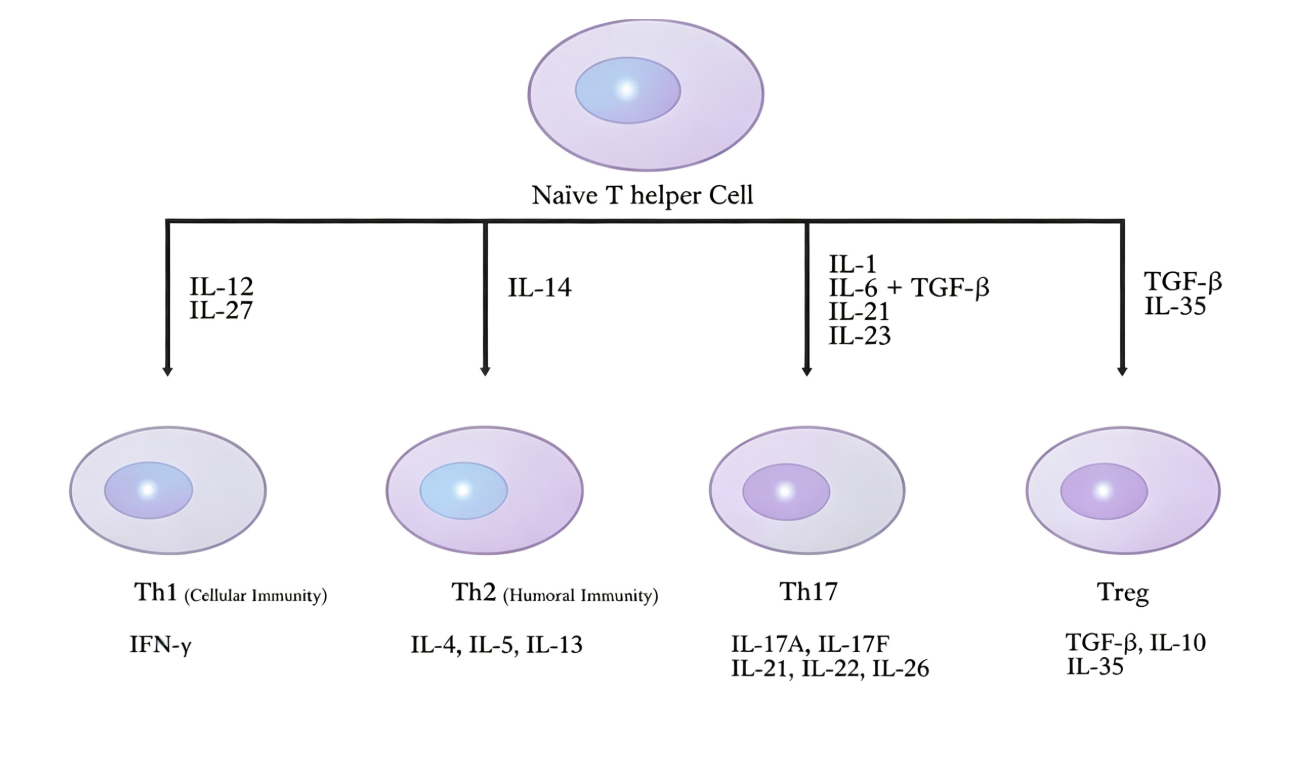
Structural Diversity and Immunoregulatory Functions of the Interleukin Family and Its Application in the Study of Crab-Eating Monkey IL-27
2026-07-13Interleukins (ILs) are a functionally diverse family of cytokines that play a central role in infection defense, inflammation regulation, autoimmune tolerance, and antitumor immunity. The IL-12 family, as a structurally unique subfamily, consists of IL-12, IL-23, IL-27, and IL-35, mediating complex immunoregulatory functions through heterodimeric structures.
View details
- Cell Biology
- Cynomolgus Monkey Interleukin 27 (IL-27) Protein
- Protein
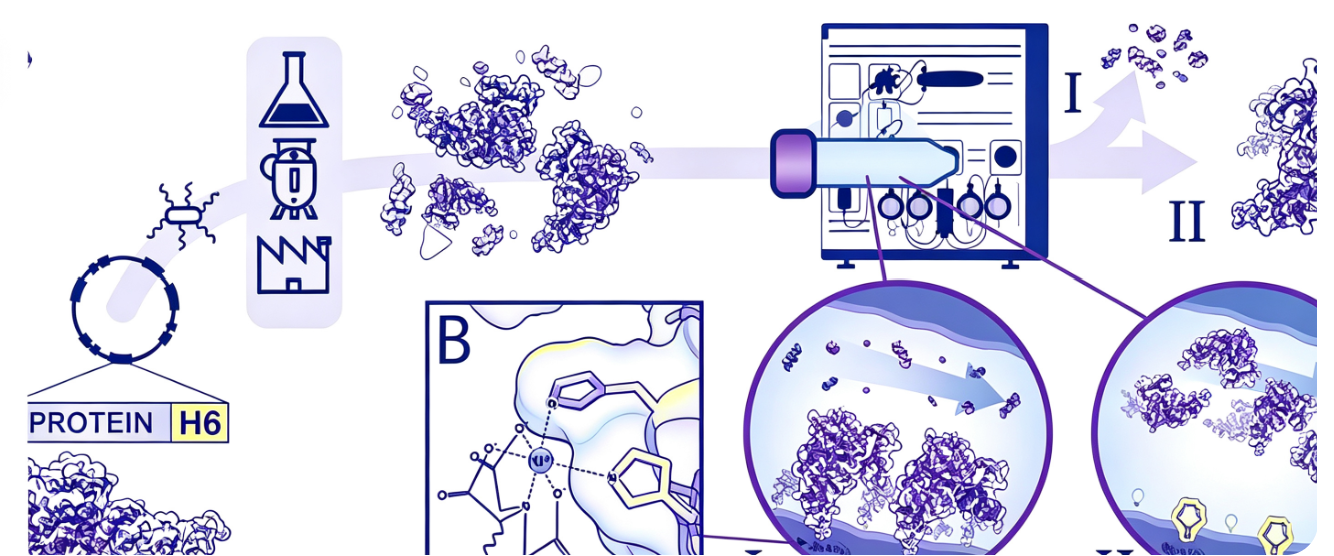
Structural and functional analysis of the G protein of Nipah virus and the application value of its His-tagged recombinant protein
2026-07-10The Nipah virus, as a highly lethal zoonotic pathogen, relies critically on its glycoprotein G for invading host cells, playing an irreplaceable role in this process. In-depth research into the structure and function of the G protein not only helps elucidate the virus's pathogenic mechanisms but also provides a vital molecular target for vaccine development and antiviral drug design. Recombinant G protein and its derivatives serve as essential research tools, demonstrating broad application prospects in virology studies and the development of immunodetection technologies.
View details
- Microbiology
- Nipah Virus Glycoprotein G His-tagged Protein
- Protein
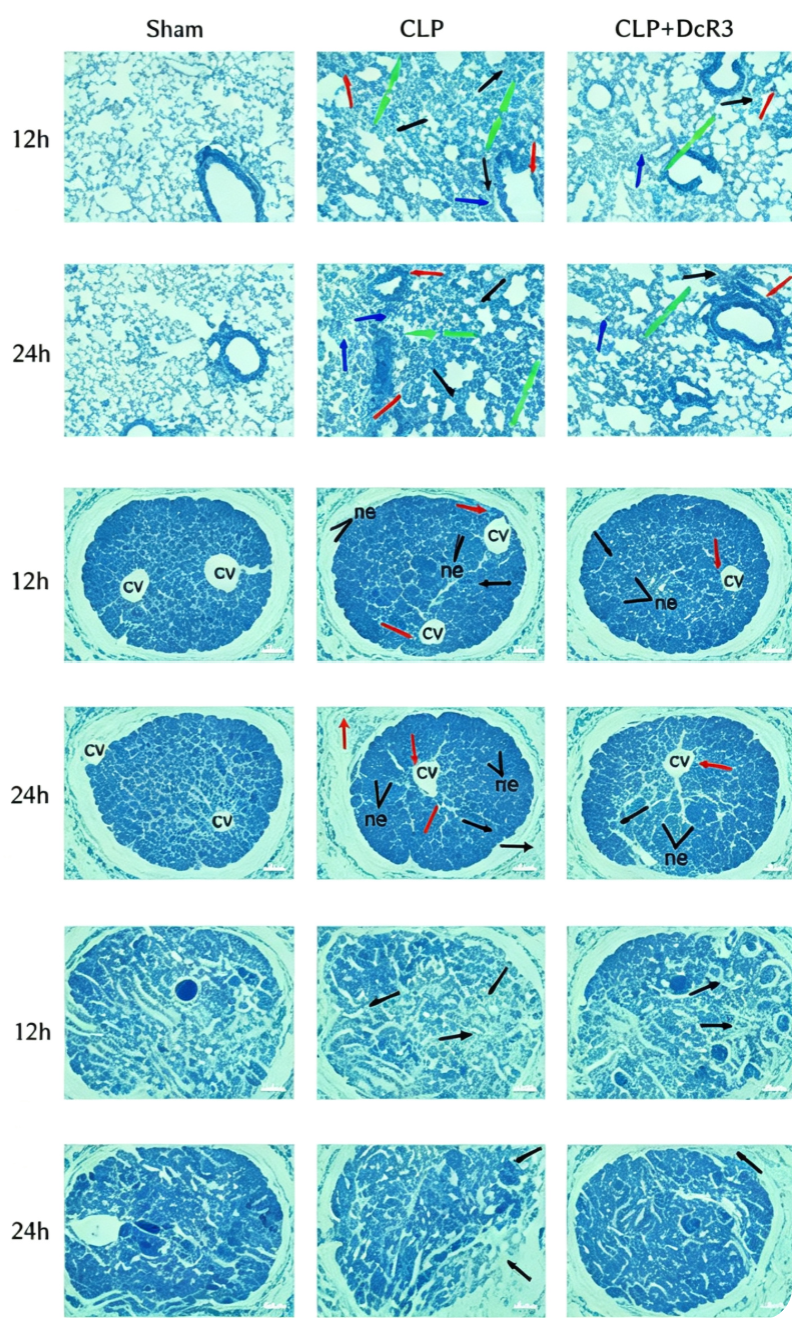
Human DcR3 His-tagged protein provides a key tool for studying the inflammatory regulation mechanism of sepsis
2026-07-09The pathological challenges of sepsis and the unique role of DcR3.
View details
- Cancer
- Human Decoy Receptor 3 (DcR3) His-tagged Protein
- Protein
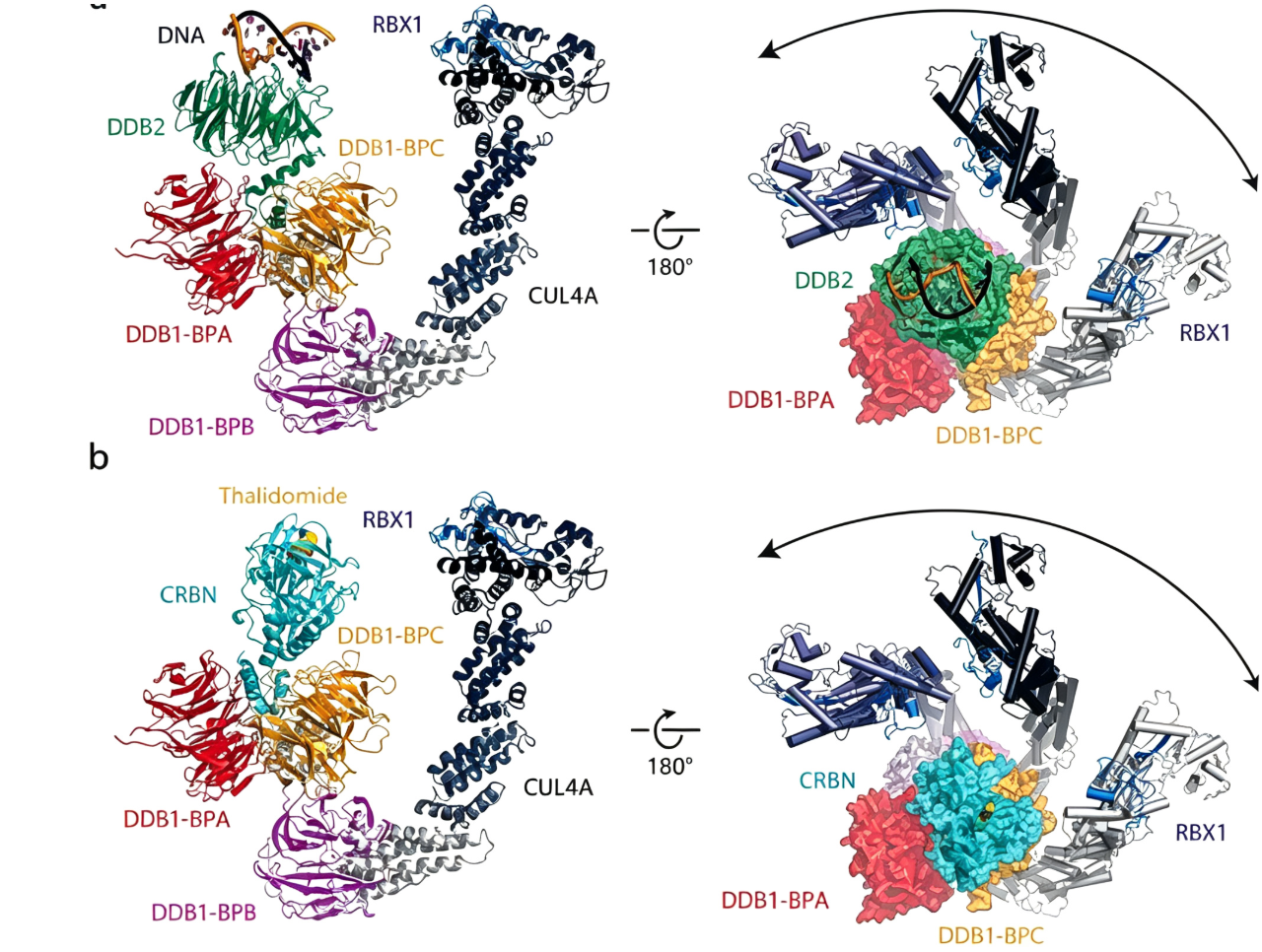
Human CRBN/DDB1 complex GST-tagged protein facilitates the elucidation of the bidirectional substrate regulatory mechanism of immunomodulatory drugs
2026-07-09The Chemical Renaissance of Thalidomide and the Research Value of the CRBN/DDB1 Complex.
View details
- Drug Research
- Human Cereblon / Damage-specific DNA-binding Protein 1 (CRBN/DDB1) Complex GST-Tagged Protein
- Protein
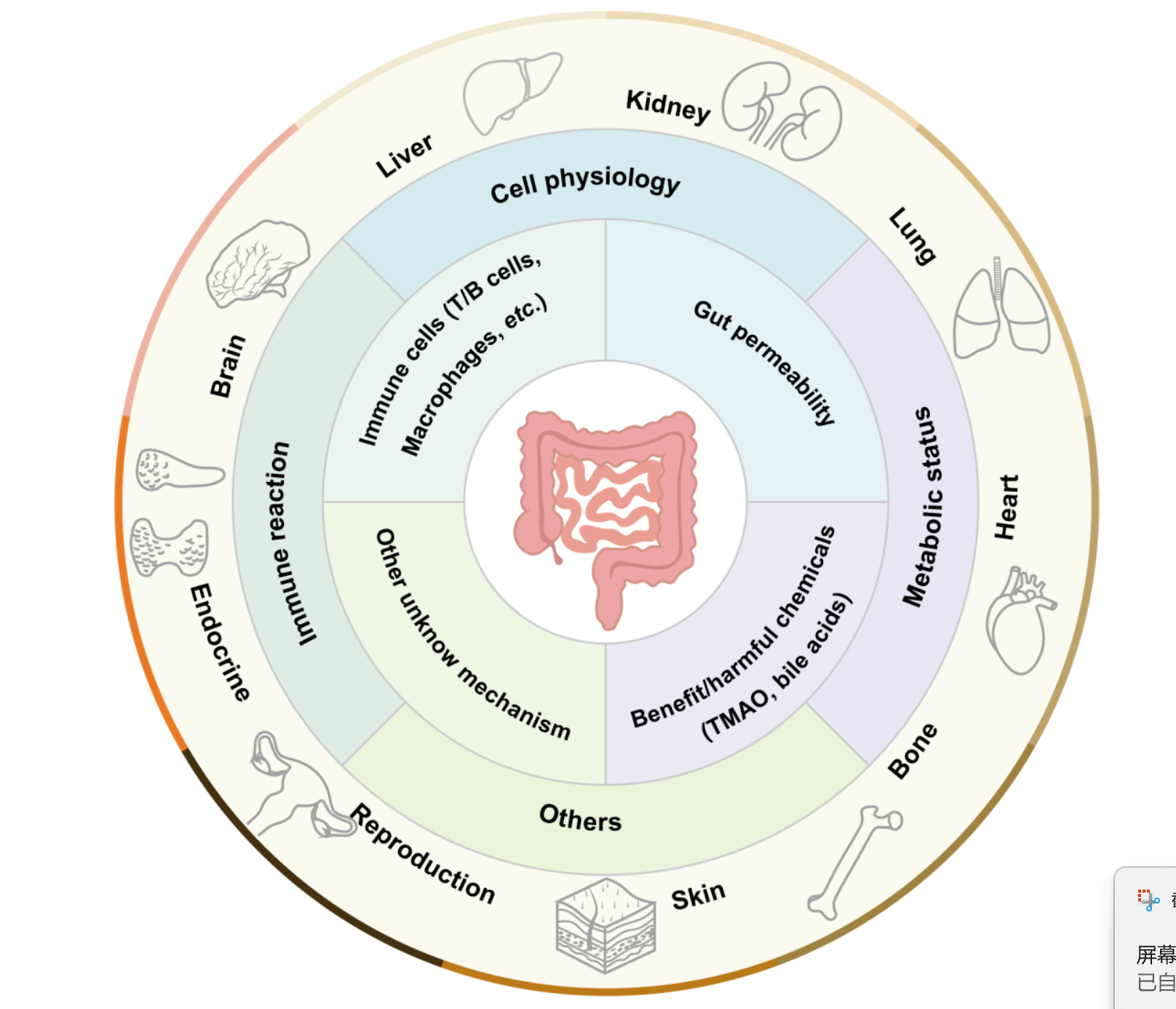
Mouse-derived NNMT His-tagged protein aids in revealing the dual pathways of metabolic regulation in alcoholic liver disease
2026-07-09The Severe Challenge of Alcoholic Liver Disease and the Research Value of NNMT.
View details
- Metabolism
- Mouse-derived Nicotinamide N-Methyltransferase (NNMT) His-tagged Protein
- Protein
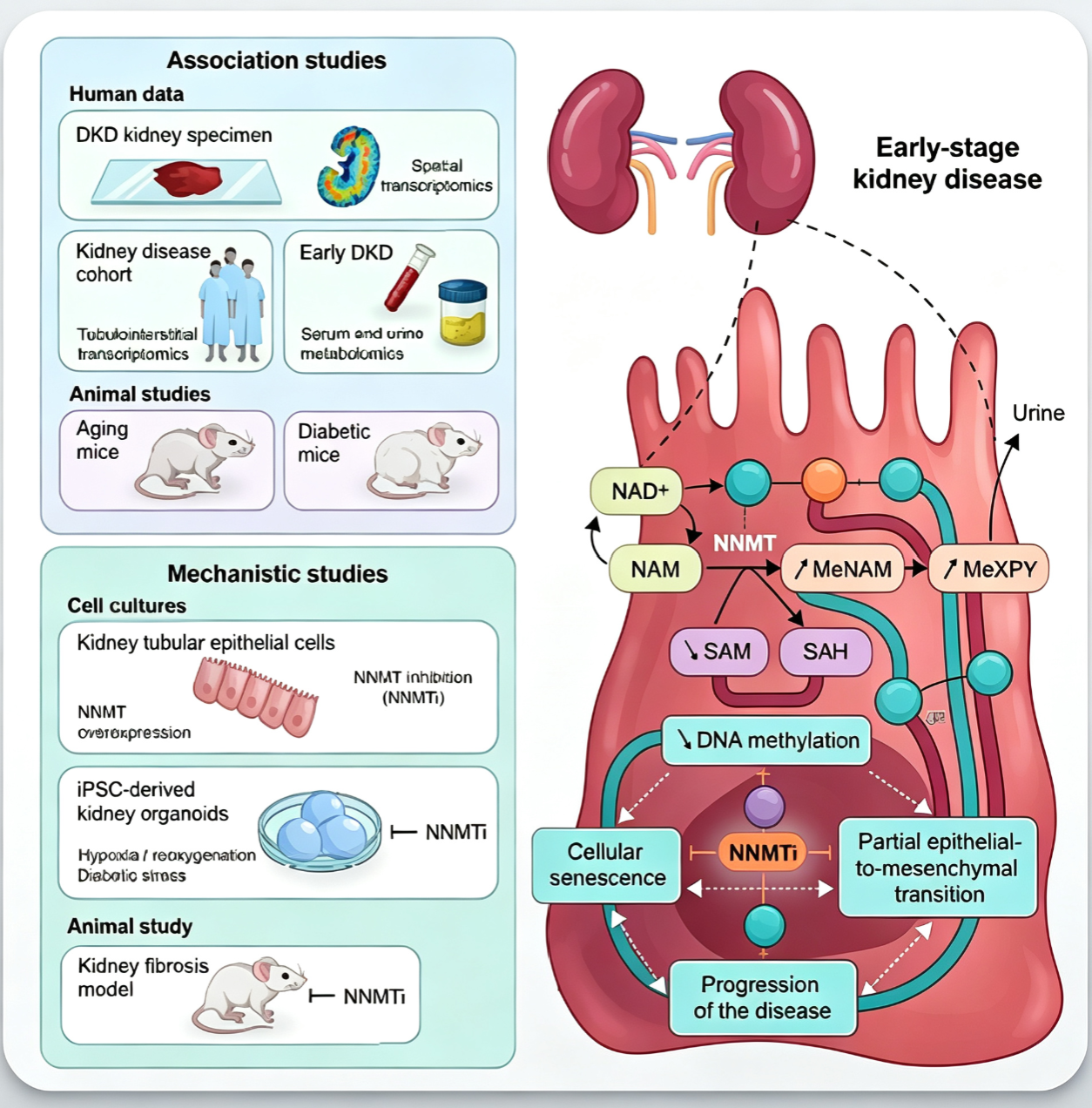
The application value of His-tagged NNMT protein from rhesus macaques in chronic kidney disease research
2026-07-09Chronic kidney disease is defined as a persistent abnormality in kidney function or structure lasting more than three months, a refractory condition whose global prevalence is rising sharply with the aging population and the spread of metabolic diseases.
View details
- Metabolism
- Rhesus monkey-derived Nicotinamide N-Methyltransferase (NNMT) His-tagged Protein
- Protein
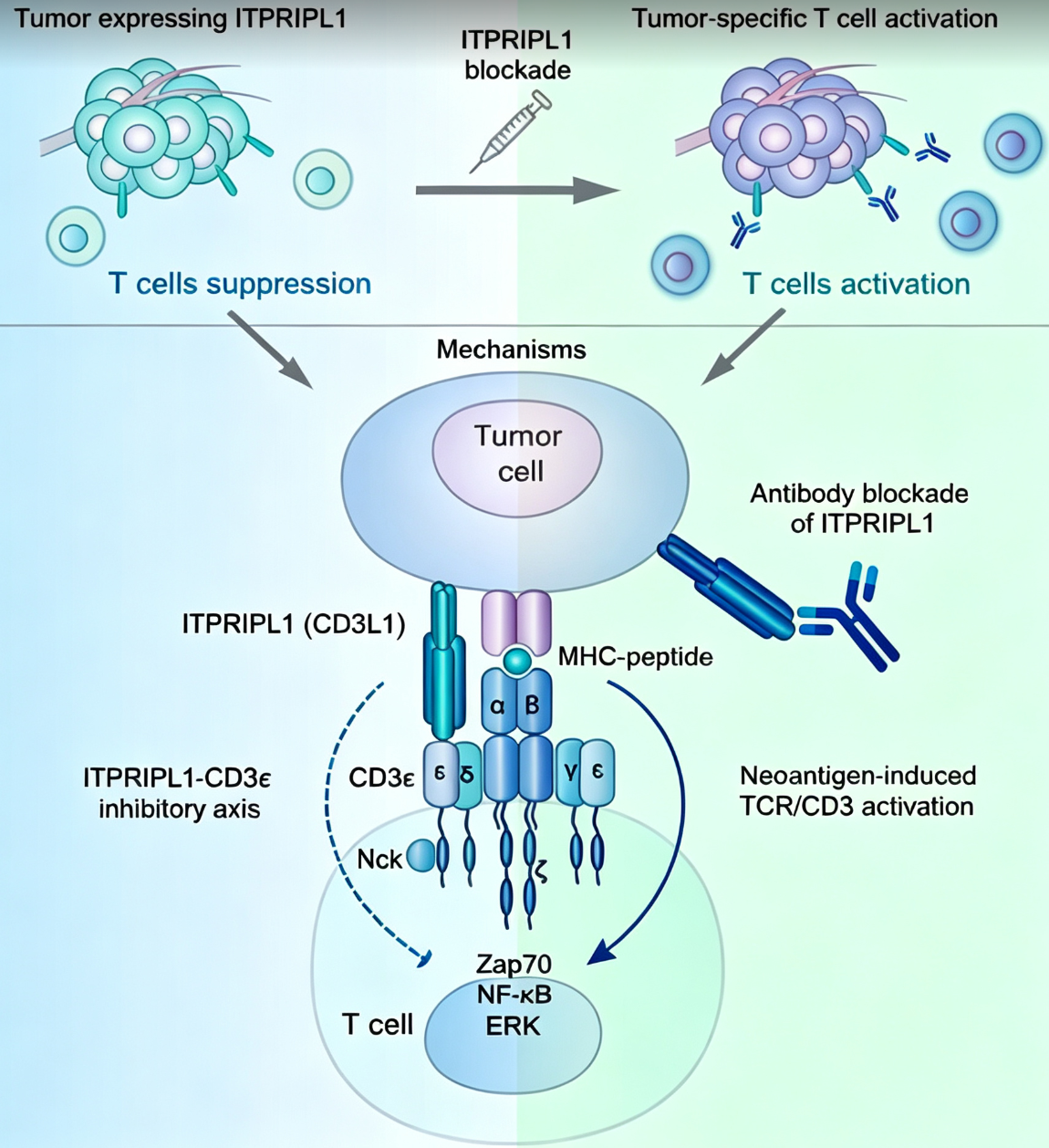
Signal transduction mechanism of the CD3-TCR complex and new discoveries in the CD3L1 immune checkpoint
2026-07-09The CD3 molecule serves as a critical signaling subunit of the T-cell receptor complex, playing a central role in T-cell antigen recognition and the initiation of immune responses.
View details
- Immunity/Inflamma
- Human CD3E & CD3G Heterodimer Fc-tagged Protein
- Protein
- 1
- 2

Link:





©2021-2026 all rights reserved UA Biotechnology Co.,Ltd.
Privacy Policy 
网站备案号 浙ICP备2022019033号-2 浙公网安备33010202004867号
 Business license (three certificates in one)
 Tel:+86-25-56221161
E-mail:order@ua-bio.com
All products sold on this website shall not be used for clinical diagnosis or treatment of humans or animals, and shall only be used for non-medical purposes such as industrial or scientific research.
