

Technical Articles
Protein degradation
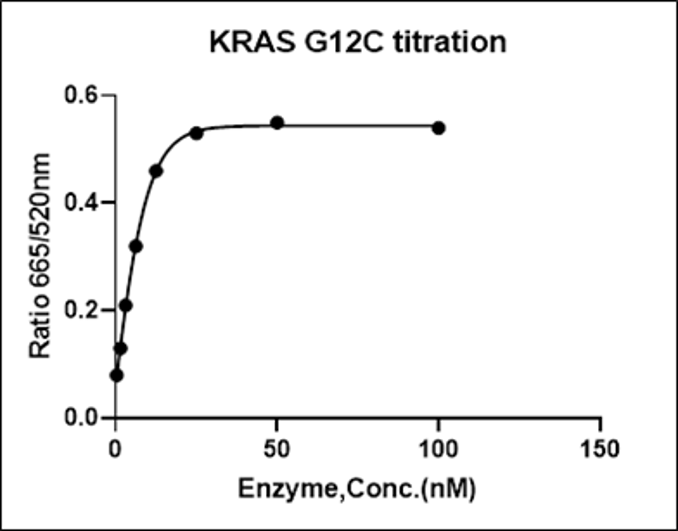
Application of KRAS G12C/CRBN PROTAC Kit Based on TR-FRET Technology in Targeted Protein Degradation Research
 2026-04-14
KRAS activating mutations are detectable in 25% to 30% of non-squamous non-small cell lung cancers, representing the most common genetic driver event in this cancer type. The Ras protein family includes three subtypes: KRAS, HRAS, and NRAS, with KRAS mutations accounting for 85% of Ras-driven cancers.
View details
- Drug Research
- TR-FRET Technology
- KRAS G12C/CRBN
- Protein Degradation
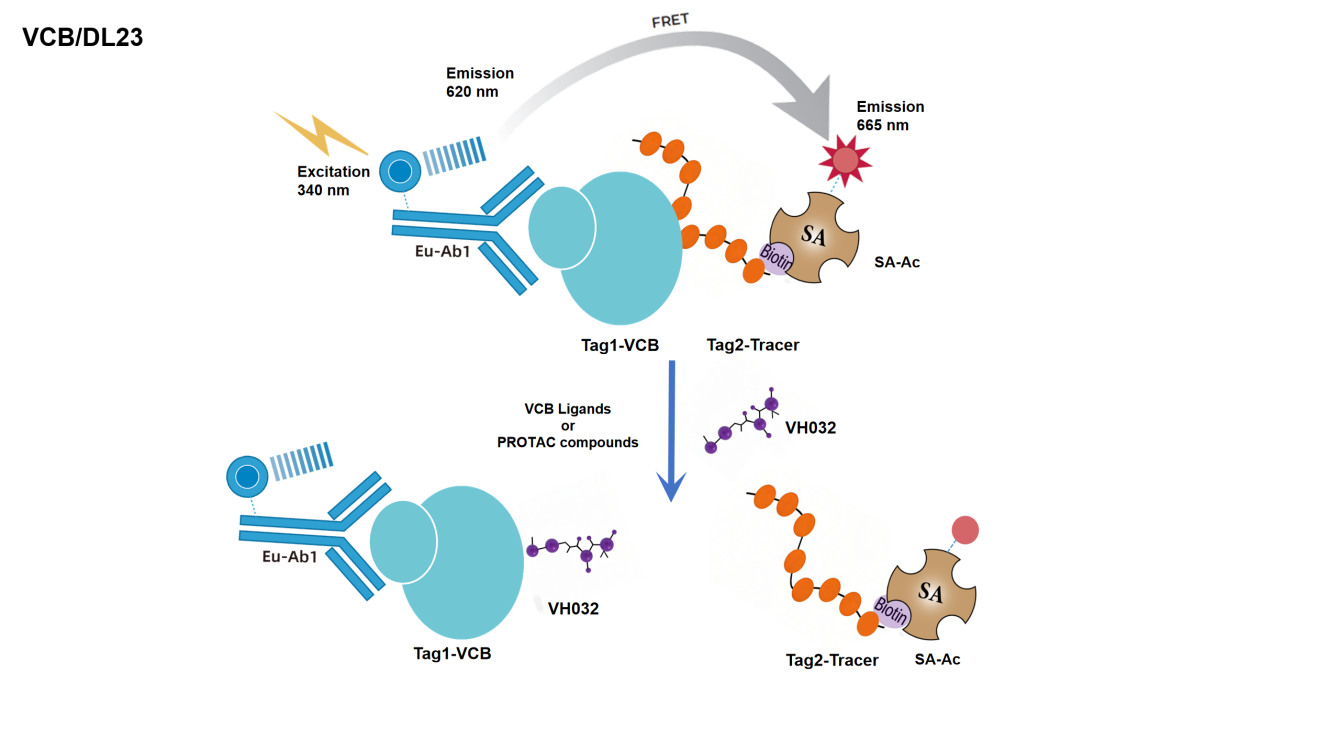
Application of VCB Complex Ligand Screening Kit Based on TR-FRET Technology in Targeted Protein Degradation Research
2026-04-13The VHL protein serves as the substrate recognition receptor of the Cullin 2 RING E3 ubiquitin ligase complex, forming the VCB complex together with Elongin B and Elongin C. This complex plays a critical role in cellular hypoxia response and protein homeostasis maintenance.
View details
- Drug Research
- TR-FRET Technology
- VCB (VHL Complex)
- Protein Degradation
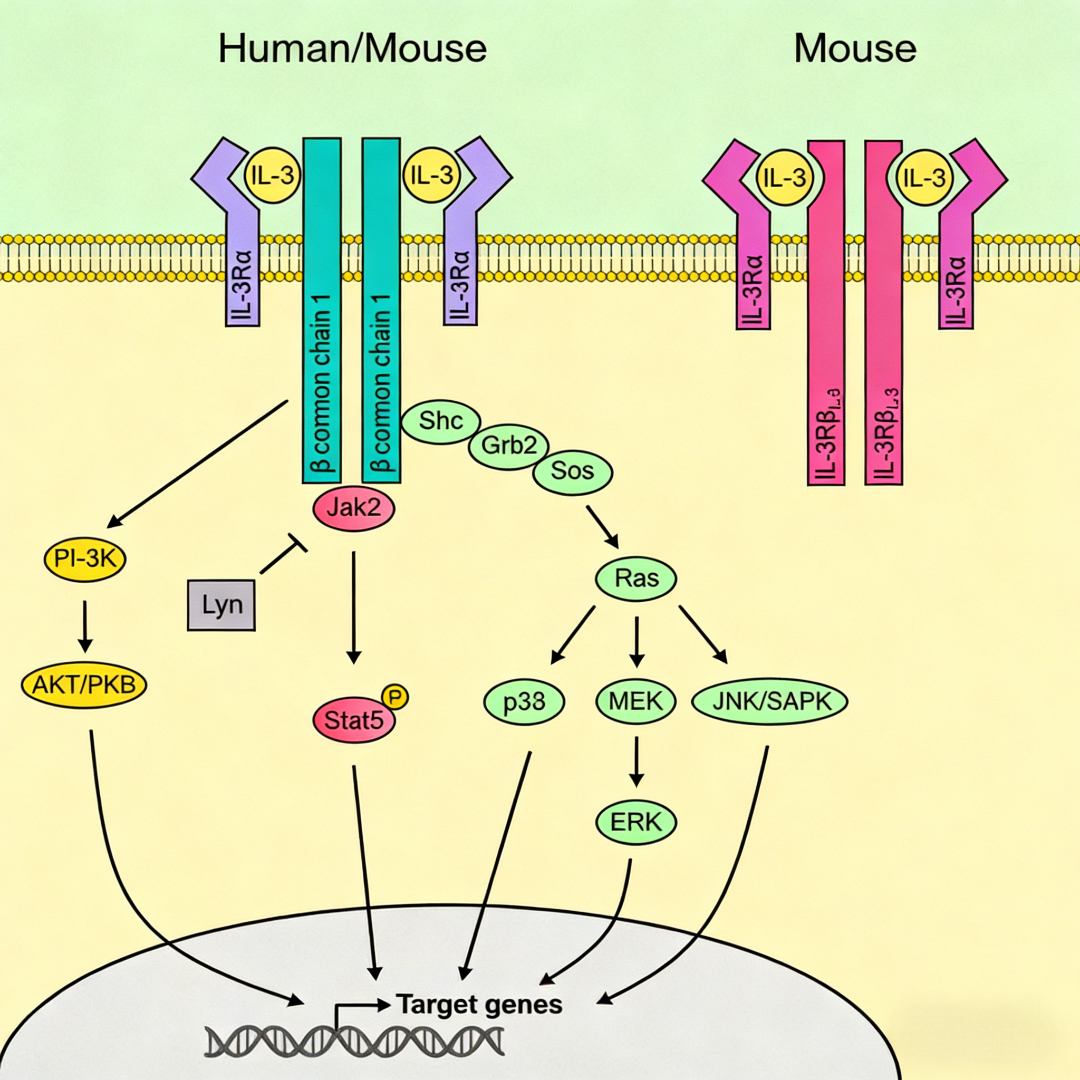
Cathepsin F His Tag Protein: A Key Tool for Structural and Functional Research
2026-02-06Cathepsin F is an important member of the lysosomal cysteine protease family and plays a crucial role in protein degradation and cellular metabolism.
View details
- Metabolism
- Cathepsin F His Tag protein
- Protein degradation
- Cellular metabolism
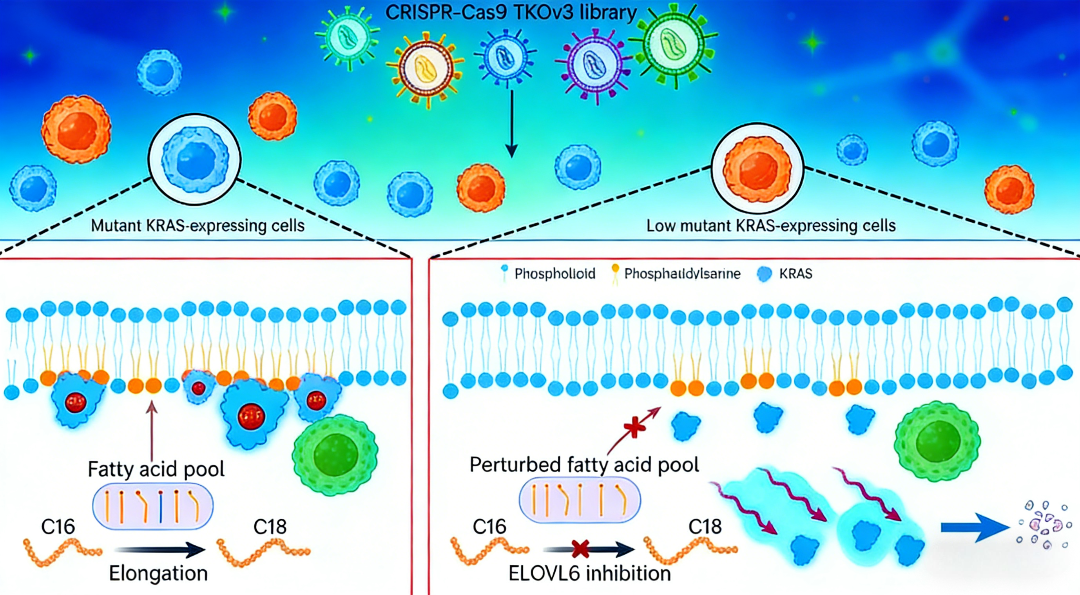
Advances in Novel TCR Therapies Targeting KRAS G12V Mutation and Prospects for Protein Degradation Strategies
2026-01-23The KRAS gene is one of the most commonly mutated driver genes in various solid tumors, with the G12V mutation being the second most frequent subtype at codon 12 after G12D, frequently occurring in malignancies such as pancreatic cancer and colorectal cancer.
View details
- Cancer
- KRAS[G12V]/CRBN PROTAC Kit
- Solid tumor
- Protein degradation
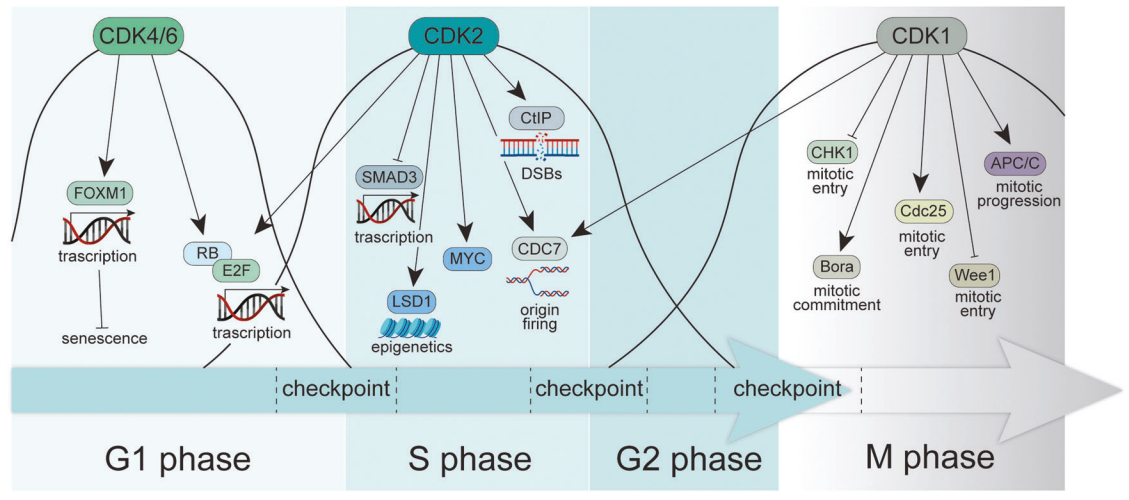
Epidemiological Characteristics of KRAS G12C Mutations in Chinese Pan-Cancer and Novel Targeted Protein Degradation Therapeutic Strategies
2026-01-22The RAS gene family is the most common oncogene in human cancers, encoding proteins that act as critical molecular switches regulating cell proliferation and survival signaling pathways.
View details
- Cancer
- KRAS[G12C]/CRBN PROTAC Kit
- Oncogene
- Protein degradation

BCL-XL/CRBN PROTAC Kit: A Standardized Tool for Advancing Tumor-Selective Protein Degradation Therapy Development
2026-01-19Proteolysis Targeting Chimeras (PROTAC) is a revolutionary drug development platform that harnesses the cell's own ubiquitin-proteasome system to selectively degrade disease-causing proteins.
View details
- Cancer
- BCL-XL/CRBN PROTAC Kit
- Tumor
- Protein degradation
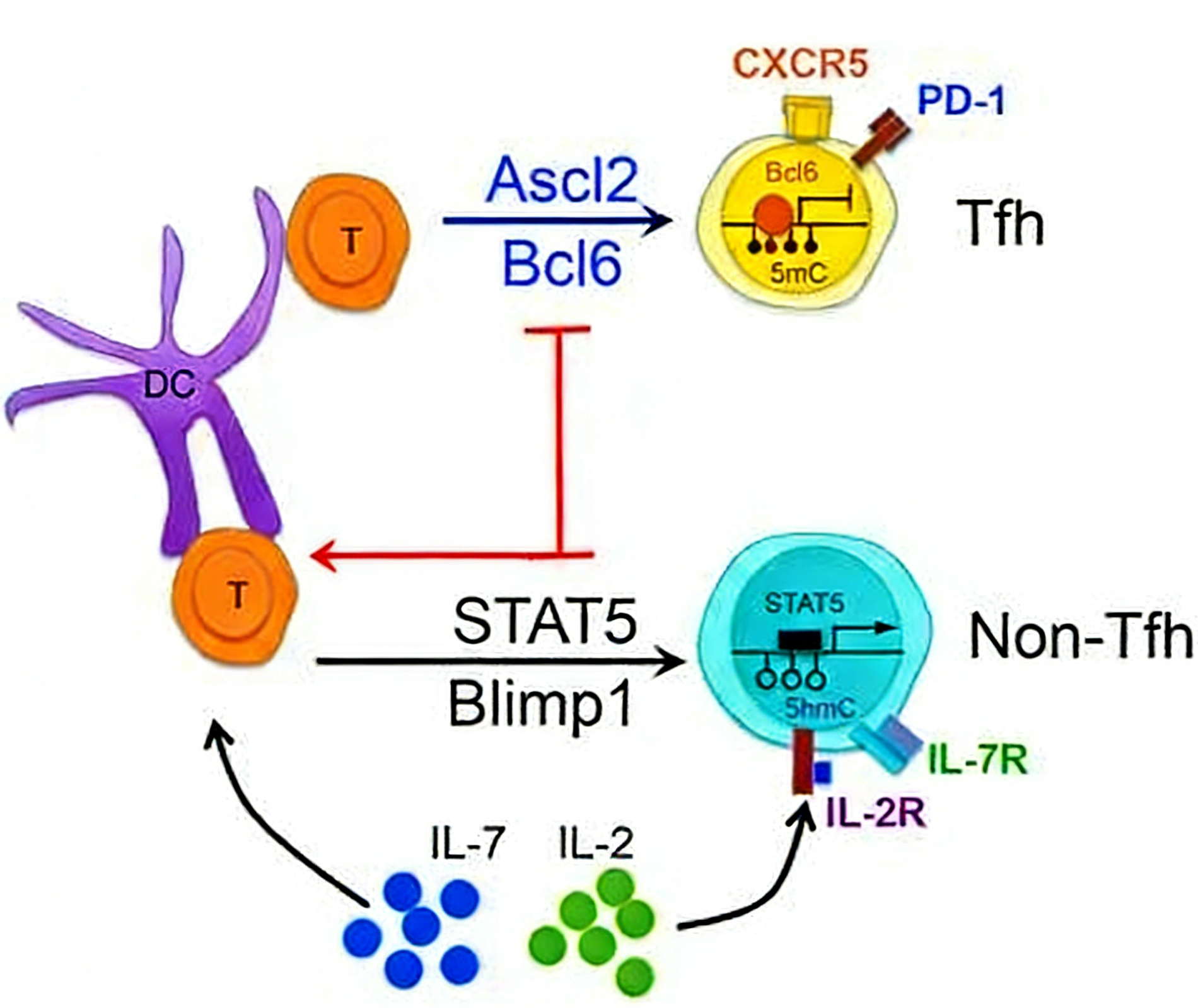
Targeting BCL6 Protein Degradation: From Key Transcription Factor to Novel Therapeutic Strategies
2026-01-16B-cell lymphoma 6 protein (BCL6) is a critical transcriptional repressor whose function plays a decisive role in the development of follicular helper T cells (Tfh).
View details
- Cancer
- Protein degradation
- BCL6/CRBN PROTAC Kit
- B cell lymphoma 6 protein
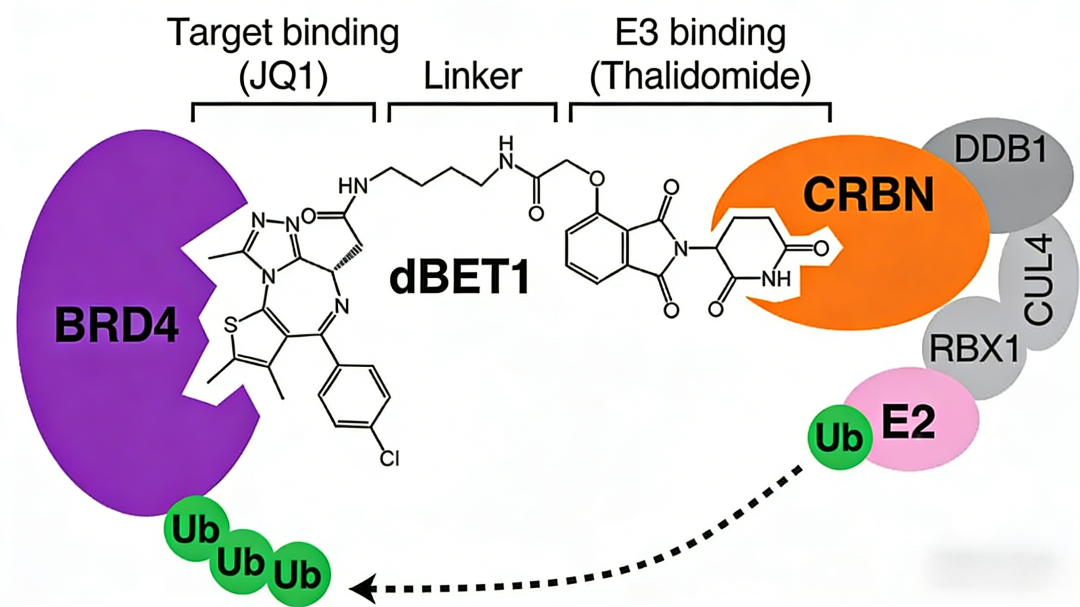
The role of CRBN ligands in targeted protein degradation technology and research progress in novel ligand development
2026-01-16Among various E3 ligases, Cereblon (CRBN) stands out as a central recruitment platform for targeted degrader design due to its unique advantages.
View details
- Drug Research
- CRBN Ligand Screening Assay Kit
- Protein degradation
- Ligand development
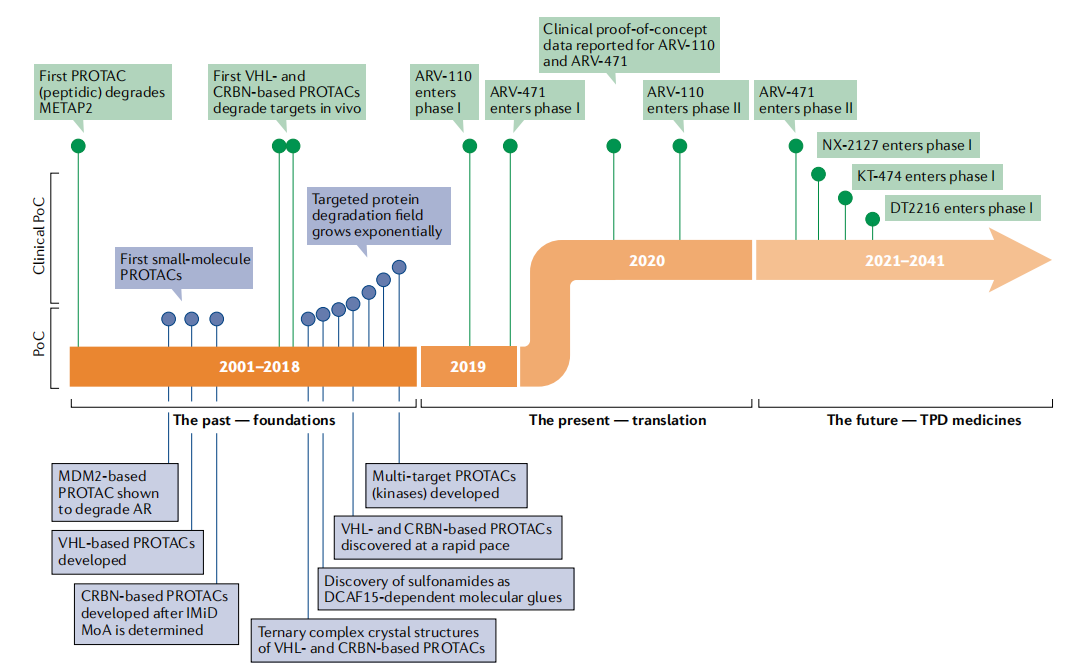
PROTAC—Unlocking the Infinite Potential of Protein Degradation!
2025-03-21In recent years, the innovative drug development technology based on Proteolysis-Targeting Chimeras (PROTACs) has sparked a revolution in the field of biomedicine. PROTACs facilitate the degradation of specific target proteins by harnessing the ubiquitin-proteasome system (UPS) within cells, enabling precise modulation of disease-related proteins. This mechanism not only overcomes the limitations of traditional small-molecule drugs but also demonstrates significant advantages in targeting "undruggable" proteins.
View details
- Drug Research
- PROTAC
- protein degradation
- 1

Link:





©2021-2026 all rights reserved UNIV Biotechnology Co.,Ltd.
Privacy Policy
网站备案号 苏ICP备2025207586号-2 浙公网安备33010202004867号
 Business license (three certificates in one)
 Tel:+86-25-56221161
E-mail:order@ua-bio.com
All products sold on this website shall not be used for clinical diagnosis or treatment of humans or animals, and shall only be used for non-medical purposes such as industrial or scientific research.