

Technical Articles
Signal transduction

Structural characteristics of TNF-α protein and its signaling transduction mechanism
 2026-04-22
Tumor necrosis factor α is a pleiotropic cytokine that acts on various cell types and has been identified as a key regulator of inflammatory responses, playing a role in the pathogenesis of numerous inflammatory and autoimmune diseases.
View details
- Signaling Pathway
- TNF-α Protein
- Signal Transduction
- Immune System
The structural and functional characteristics of TNFR-1/CD120a protein
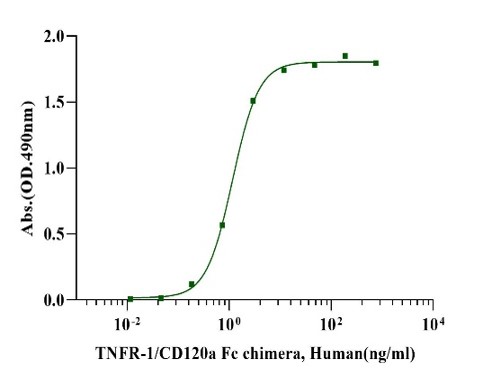
2026-04-22TNFR-1/CD120a protein is a typical member of the tumor necrosis factor receptor superfamily, and its gene is located on the short arm of human chromosome 12. This protein consists of 455 amino acid residues, with a theoretical molecular weight of approximately 55 kilodaltons, and belongs to the type I transmembrane glycoprotein.
View details
- Signaling Pathway
- TNFR-1/CD120a Protein
- Signal Transduction
- Immune Response
Structural Characteristics and Biological Functions of SCF Proteins
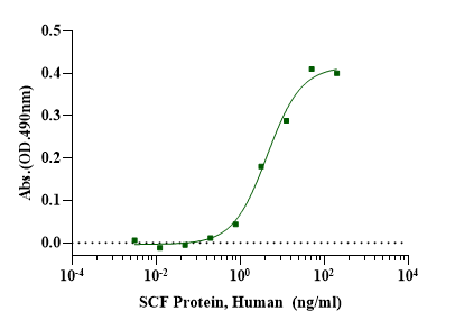
2026-04-21Stem cell factor is an important hematopoietic growth factor belonging to the type III transmembrane protein family. This protein consists of 273 amino acid residues, with a molecular weight of approximately 31 kilodaltons, and exists in two forms: membrane-bound and soluble.
View details
- Cell Biology
- SCF Protein
- Hematopoietic Growth Factor
- Signal Transduction

Structural characteristics and biological functions of RSPO3 protein
2026-04-20The RSPO3 protein is a member of the R-spondin protein family, which includes four members: RSPO1, RSPO2, RSPO3, and RSPO4. The RSPO3 protein consists of approximately 270 amino acids, has a molecular weight of about 30 kilodaltons, and is a secreted glycoprotein.
View details
- Stem Cells
- RSPO3 Protein
- Signal Transduction
- Embryonic Development
Application of cell signal transduction research based on cAMP stimulation buffer
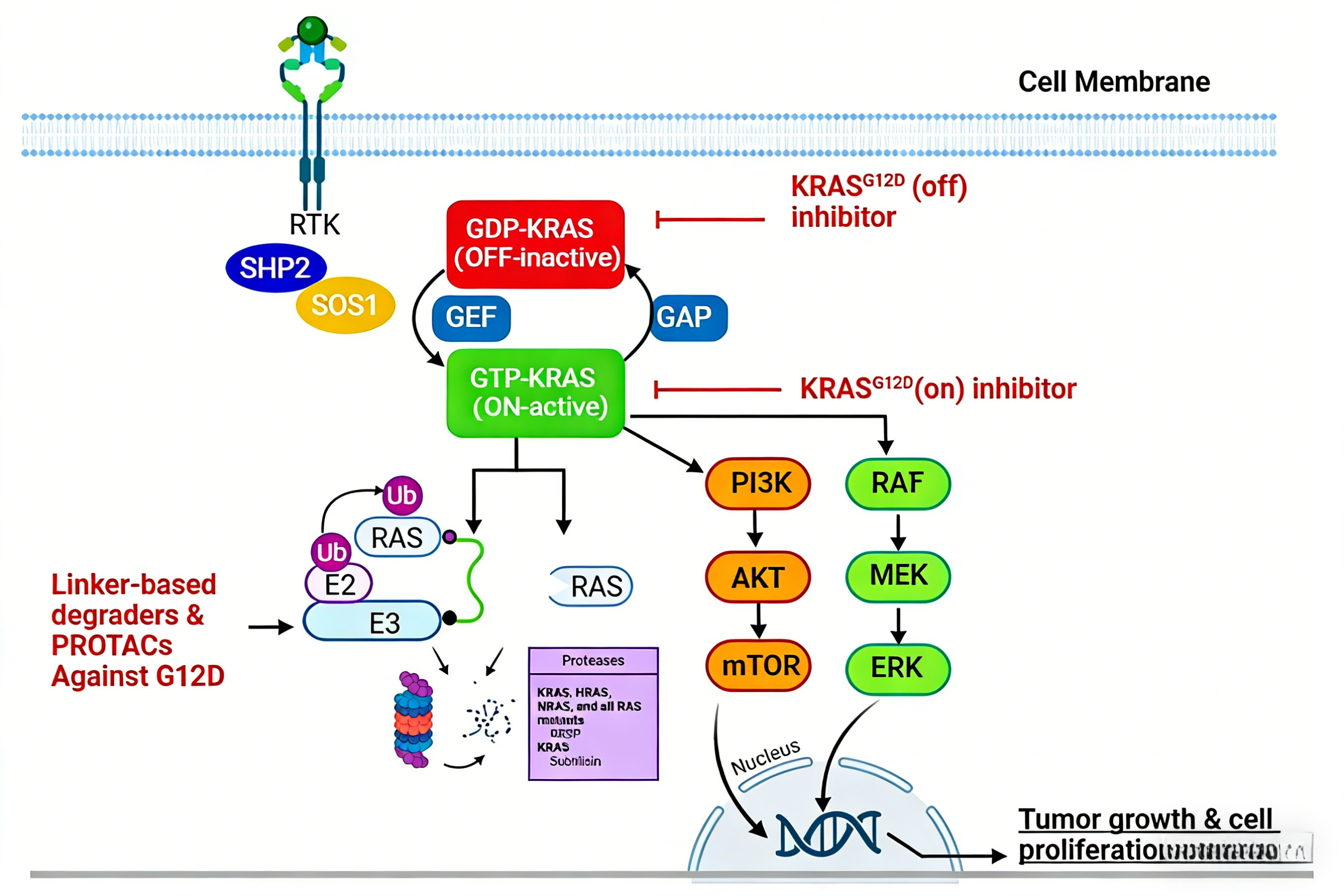
2026-04-20Cyclic adenosine monophosphate (cAMP) is one of the most important second messenger molecules in cells, involved in regulating various physiological and pathological processes. This molecule is generated from ATP by the catalysis of adenylate cyclase and hydrolyzed to AMP by phosphodiesterase.
View details
- Signaling Pathway
- Cyclic Adenosine Monophosphate (cAMP)
- Stimulation Buffer
- Signal Transduction
Application of STAT6/CRBN PROTAC Kit Based on TR-FRET Technology in Targeted Protein Degradation Research
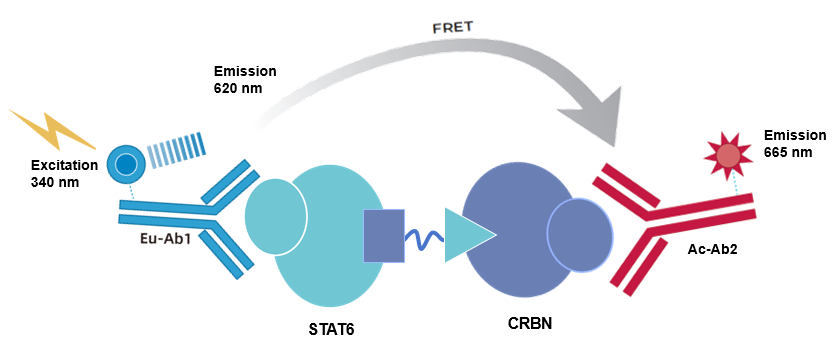
2026-04-14STAT6 is a crucial member of the signal transducer and activator of transcription (STAT) family, playing a key role in cytokine signal transduction and the regulation of immune responses. Abnormal activation of STAT6 is closely associated with the development and progression of various diseases, making it an important therapeutic target.
View details
- Immunity/Inflamma
- TR-FRET Technology
- STAT6/CRBN
- Signal Transduction
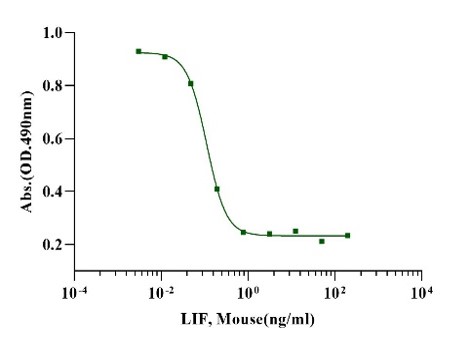
The role and clinical significance of LIF protein in paracrine signaling in pancreatic cancer
2026-04-07The prognosis of pancreatic ductal adenocarcinoma is poor, primarily due to low diagnostic efficiency and strong tumor drug resistance. The activation of pancreatic stellate cells and the formation of dense stroma are key factors contributing to the aggressive nature of this tumor.
View details
- Cancer
- LIF Protein
- Pancreatic Cancer
- Signal Transduction
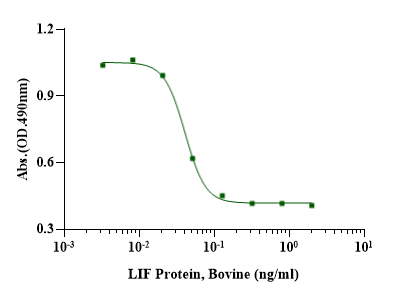
Structural Characteristics and Biological Functions of LIF Protein
2026-04-03Leukemia inhibitory factor belongs to the IL-6 cytokine family and is a multifunctional glycoprotein. This protein consists of 180 amino acid residues, with a molecular weight of approximately 20 to 25 kilodaltons, and contains seven α-helical domains, forming a typical four-helix bundle structure.
View details
- Cell Biology
- LIF Protein
- Signal Transduction
- Embryonic Development
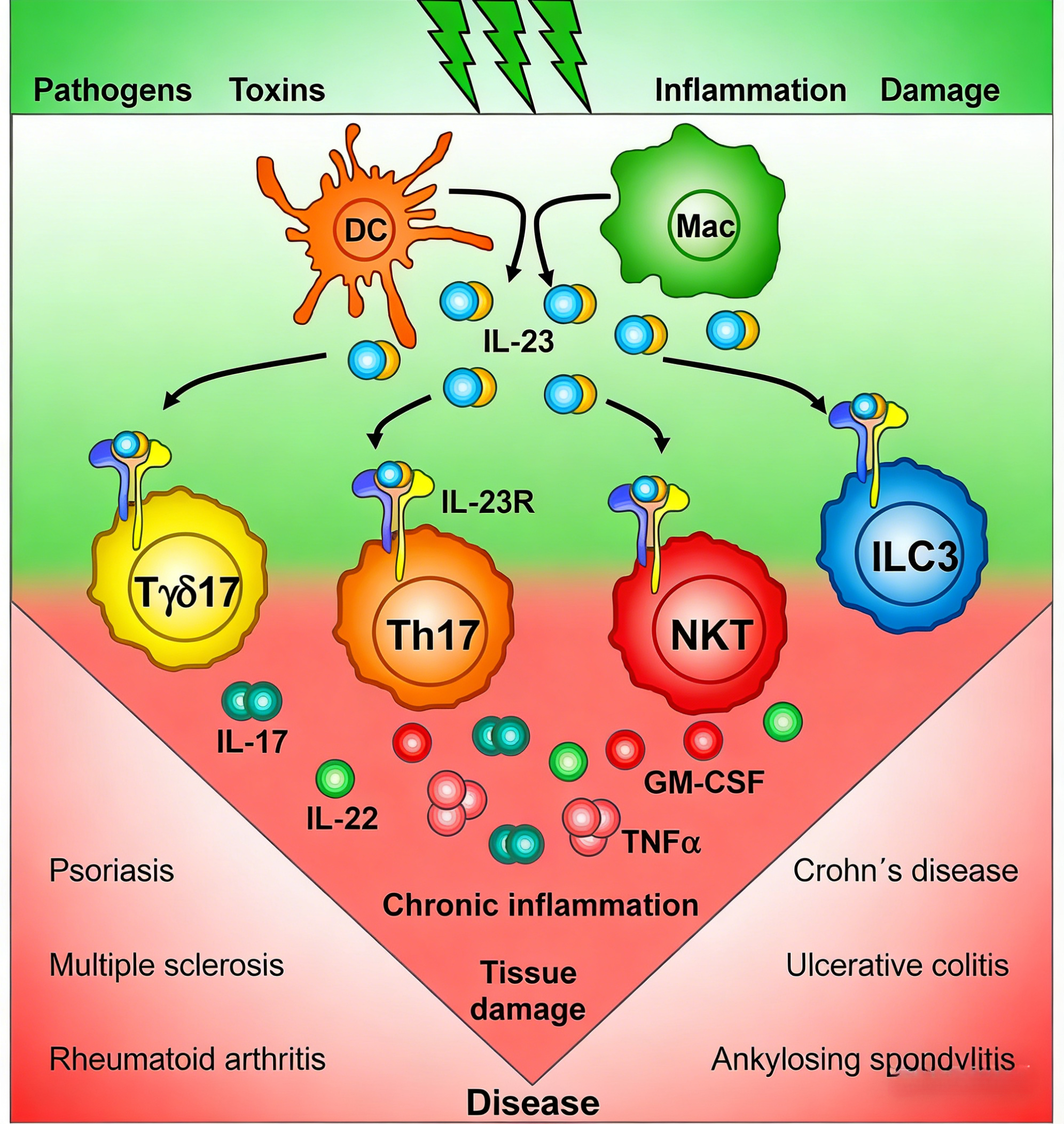
The role and clinical research progress of IL-23 protein in chronic inflammatory diseases
2026-04-03IL-23 protein is a key pro-inflammatory cytokine that plays a significant role in the development of chronic inflammatory diseases. This protein is primarily produced by activated antigen-presenting cells such as dendritic cells, macrophages, and monocytes.
View details
- Immunity/Inflamma
- IL-23 Protein
- Chronic Inflammatory Diseases
- Signal Transduction
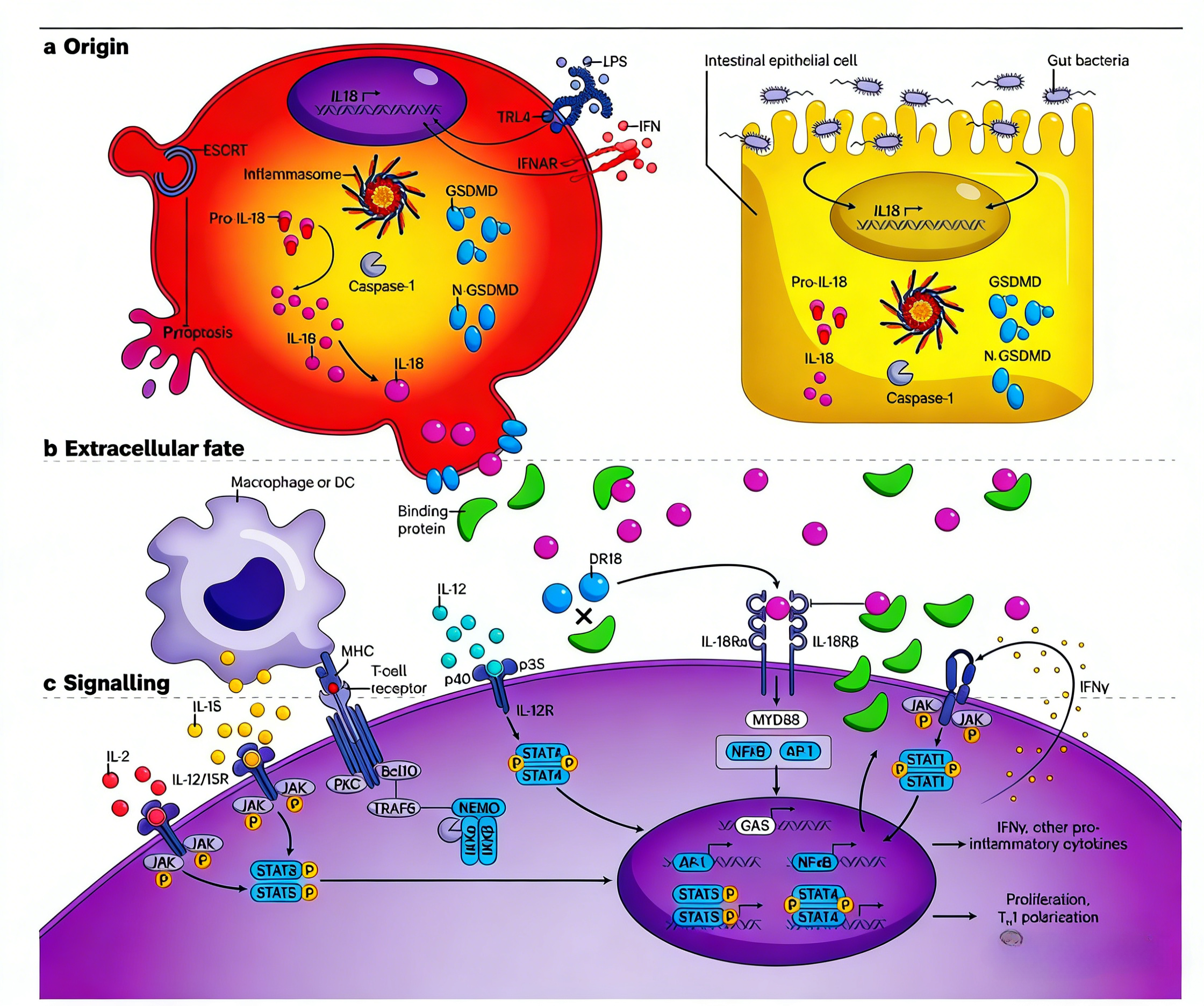
Biological characteristics and clinical significance of IL-18 protein in inflammatory diseases
2026-04-02The IL-18 protein belongs to the IL-1 family of cytokines and possesses the ability to induce interferon-γ production. Billions of years of evolution have shaped the diversity, complexity, and adaptability of immune responses, and the unique biological characteristics of the IL-18 protein in barrier maintenance, danger signal transmission, and immune response amplification are a manifestation of this evolutionary process.
View details
- Immunity/Inflamma
- IL-18 Protein
- Inflammatory Diseases
- Signal Transduction
- 1
- 2

Link:





©2021-2026 all rights reserved UNIV Biotechnology Co.,Ltd.
Privacy Policy
网站备案号 苏ICP备2025207586号-2 浙公网安备33010202004867号
 Business license (three certificates in one)
 Tel:+86-25-56221161
E-mail:order@ua-bio.com
All products sold on this website shall not be used for clinical diagnosis or treatment of humans or animals, and shall only be used for non-medical purposes such as industrial or scientific research.