Technical Articles
Stem Cells
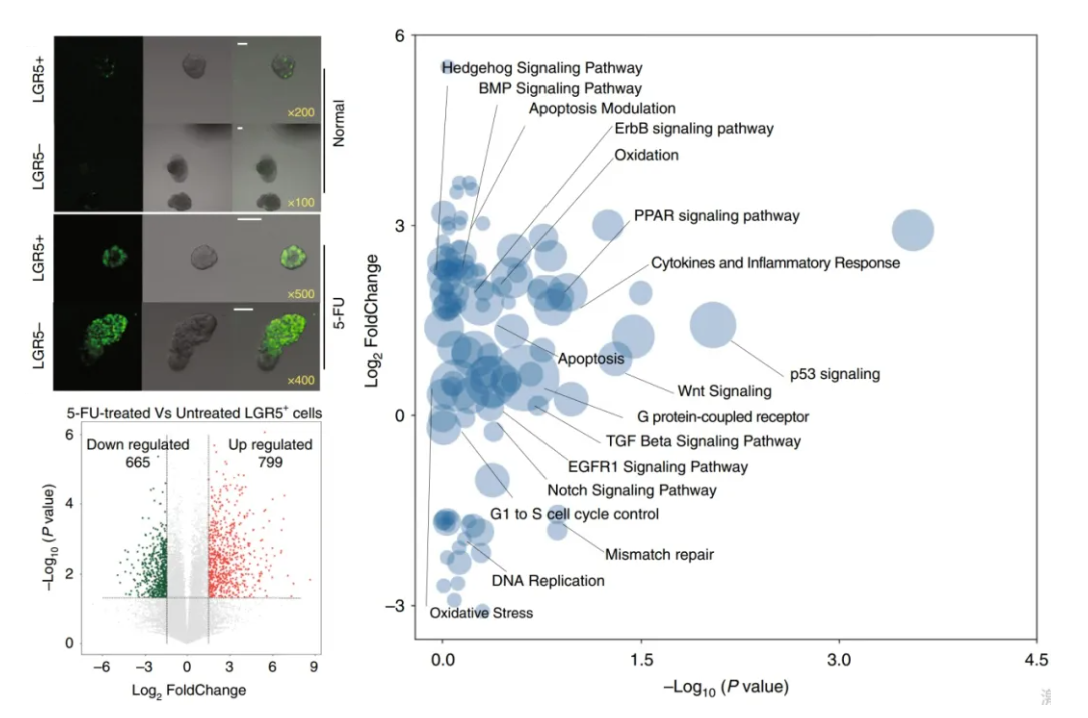
GPR49 protein is an important marker for the identification and targeted intervention of liver cancer tumor-initiating cells.
 2026-10-15
GPR49, also known as LGR5, is a Wnt signaling pathway-related receptor and an important marker of tumor-initiating cells and cancer stem cells in various tumors.
View details
- Stem Cells
- GPR49 protein
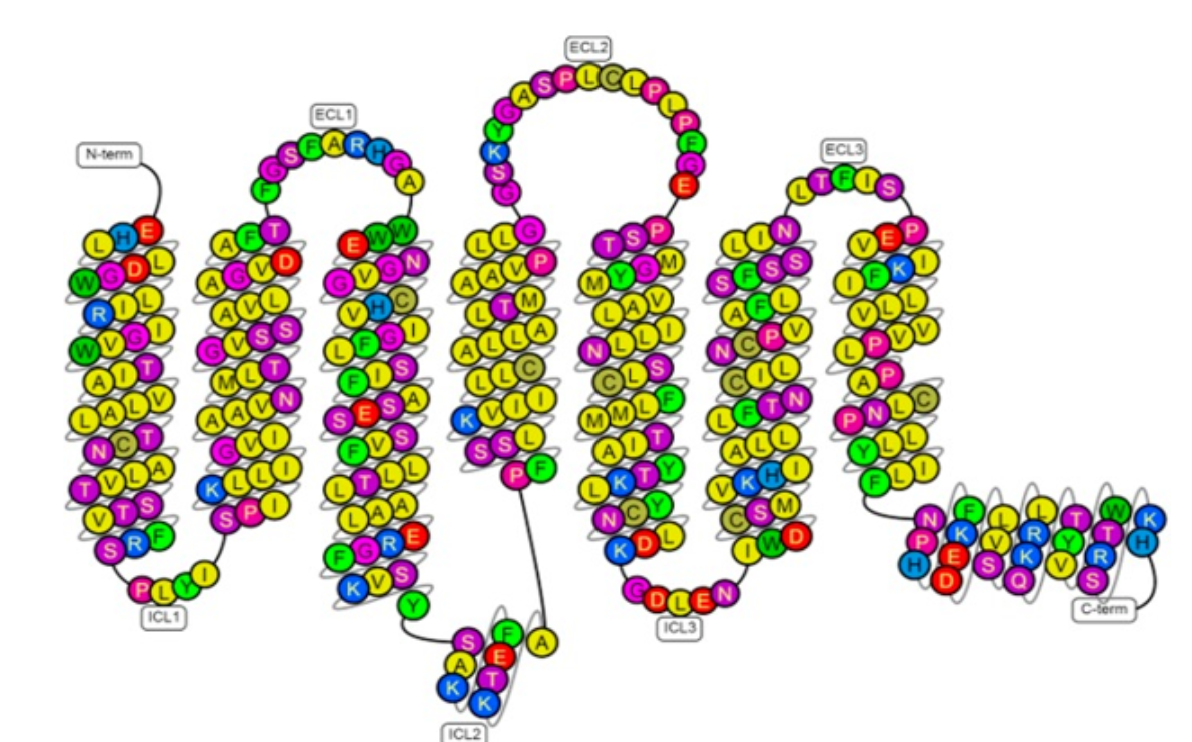
LGR5 recombinant protein is an important tool for cancer stem cell research and targeted drug development.
2026-10-15LGR5, as a key receptor of the Wnt signaling pathway and a marker of cancer stem cells in multiple tumors, plays an important role in the initiation, progression, metastasis, and drug resistance of colorectal cancer, liver cancer, breast cancer, glioblastoma, and other tumors. Structural characterization, antibody screening, receptor interaction, and functional validation centered on LGR5 recombinant proteins have become important support for the development of LGR5-targeted antibodies, ADCs, bispecific antibodies, CAR-T, and other therapeutics.
View details
- Stem Cells
- LGR5 recombinant protein
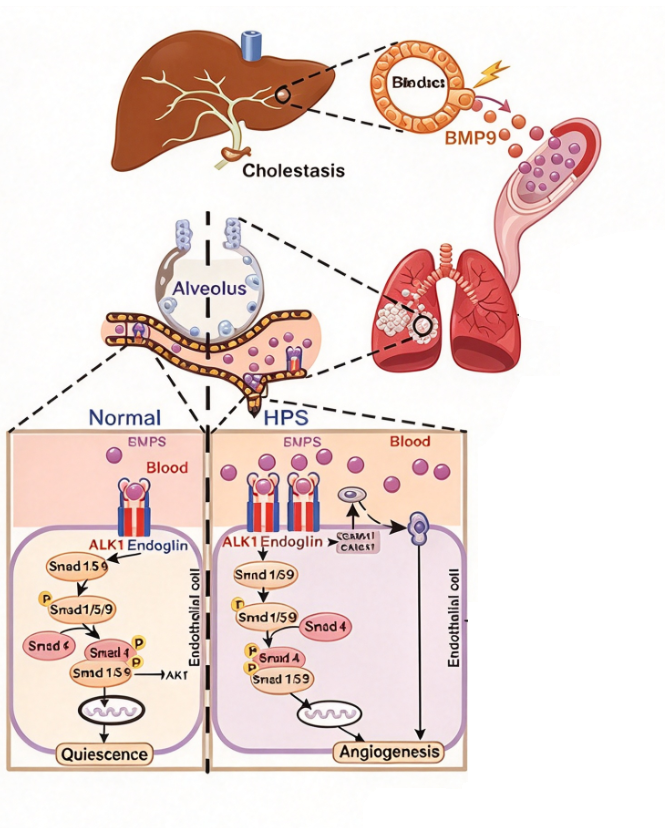
GDF-2/BMP-9 Recombinant Protein: A Core Molecule for Endothelial Protection in Pulmonary Hypertension and IL-33 Signaling Regulation
2026-10-12This article focuses on the molecular characteristics and biological functions of GDF‑2/BMP‑9. It systematically elaborates its protective mechanism in pulmonary hypertension, which neutralizes IL‑33 signaling and inhibits endothelial‑mesenchymal transition by upregulating the decoy receptor sST2, analyzes the pathological driving effect of the IL‑33 signaling pathway on pulmonary endothelial dysfunction, and discusses the translational potential of the BMP9‑sST2 axis as a novel therapeutic target for pulmonary hypertension.
View details
- Stem Cells
- GDF-2/BMP-9 Recombinant Protein

Cell differentiation: the core regulatory mechanism of genome constancy and differential gene expression
2026-09-23This paper focuses on the molecular mechanisms and regulatory principles of cell differentiation, systematically elaborating on the unique role of chromosomal structural changes in the differentiation of specific biological cells. It provides an in-depth analysis of the theoretical foundation of differential gene expression as the core mechanism of cell differentiation and explores the differential expression strategies of housekeeping genes and luxury genes.
View details
- Stem Cells
- Cell Differentiation Services

Noggin protein: A key antagonist of the BMP signaling pathway and a core support for organoid culture
2026-09-11This article systematically elaborates on the molecular characteristics and biological functions of Noggin protein, focusing on its role as an extracellular negative regulator of the TGF-β superfamily. It details the molecular mechanism by which Noggin forms a Noggin-BMP complex to block the BMP signaling pathway. Additionally, it analyzes Noggin's central role in coordinating Wnt signaling to activate stem cells, promote proliferation, and maintain long-term organoid culture.
View details
- Stem Cells
- Noggin protein
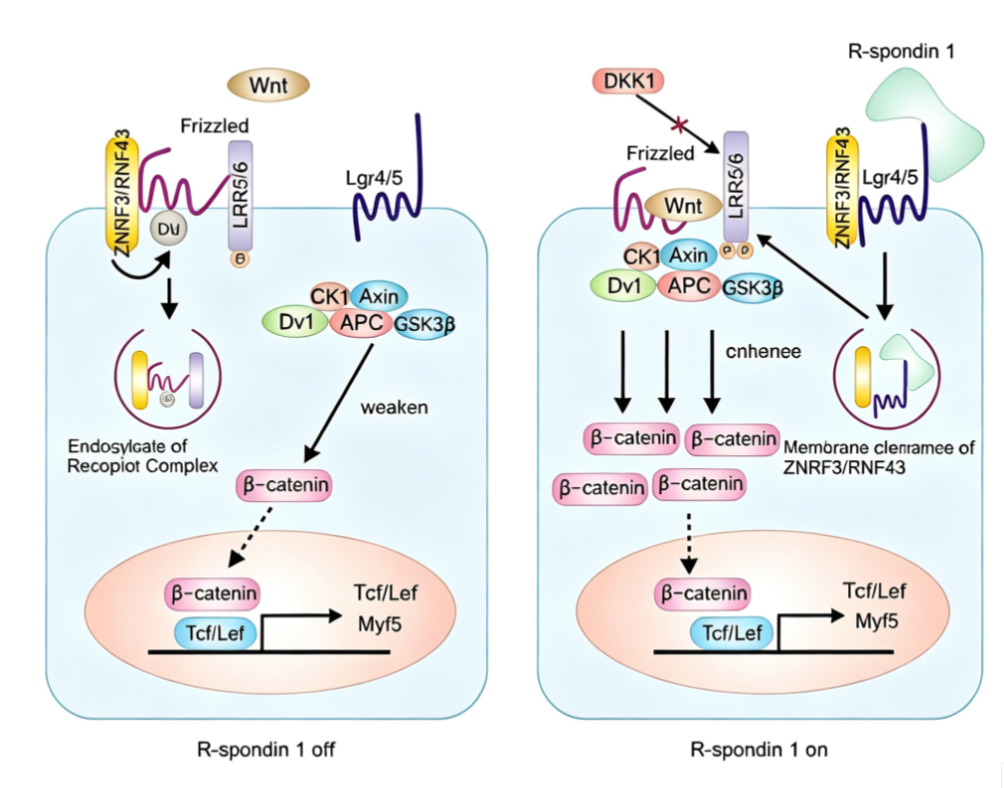
R-Spondin 1: A Core Regulator of Wnt Signaling Enhancement and a Key Support for Organoid Culture
2026-09-10This article focuses on the molecular characteristics and biological functions of R-Spondin 1 (RSPO1), systematically elaborating its domain composition as a core member of the R-spondin family, as well as its molecular mechanism of enhancing the Wnt/β-catenin signaling pathway by binding to the LGR4/5 receptors through its furin-like domain and neutralizing RNF43/ZNRF3-mediated ubiquitination degradation of Frizzled receptors. It also analyzes its critical roles in organ development, epithelial stem cell maintenance, and tumorigenesis.
View details
- Stem Cells
- R-Spondin 1(21-146) protein
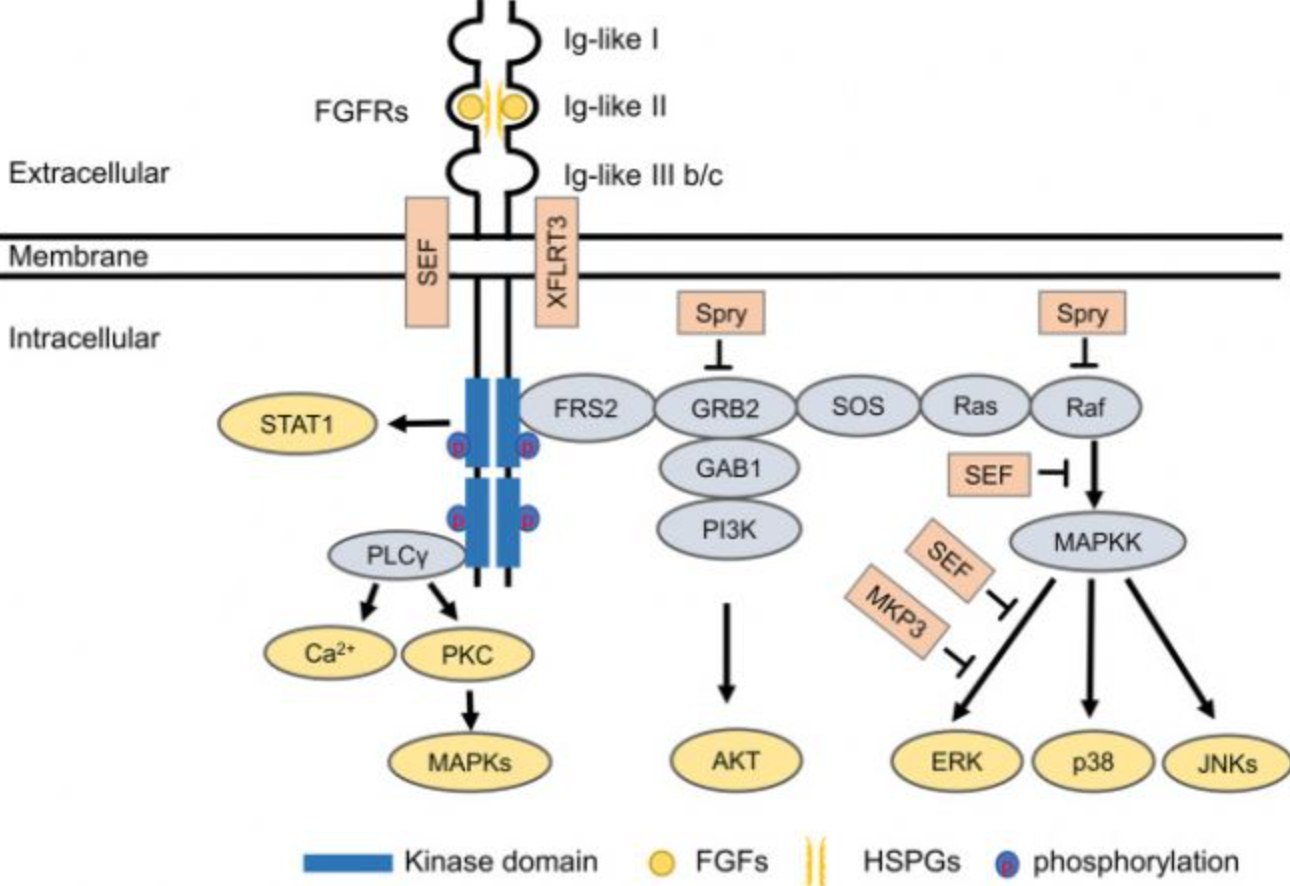
FGF-basic (154aa) protein: A multifunctional regulatory factor in stem cell culture and tissue repair
2026-09-04This article focuses on the molecular characteristics and biological functions of FGF-basic (also known as FGF-2/bFGF), systematically elaborating its key role as a core member of the FGF family in promoting the proliferation of various cells, regulating embryonic development, angiogenesis, and tissue repair. It also analyzes the molecular structure and improved thermal stability properties of its 154aa form.
View details
- Stem Cells
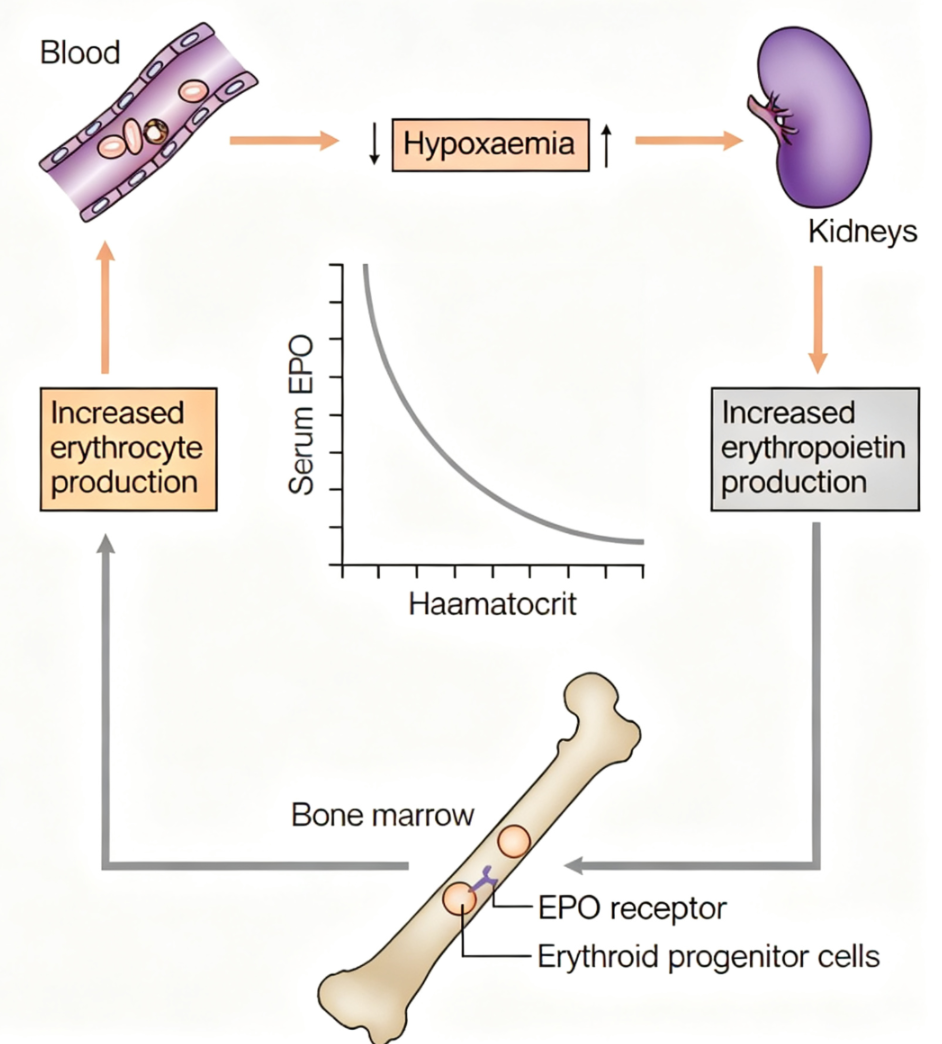
Erythropoietin: The Key Regulator from Renal Signaling to Anemia Treatment
2026-08-26This article systematically elaborates on the molecular characteristics and clinical significance of erythropoietin (EPO), focusing on its synthesis regulation in the kidneys and its core physiological function of maintaining erythrocyte homeostasis by promoting the proliferation and differentiation of erythroid progenitor cells. It also analyzes the standardized application of rhEPO in renal anemia, tumor-related anemia, and bone marrow failure disorders.
View details
- Stem Cells
- EPO protein
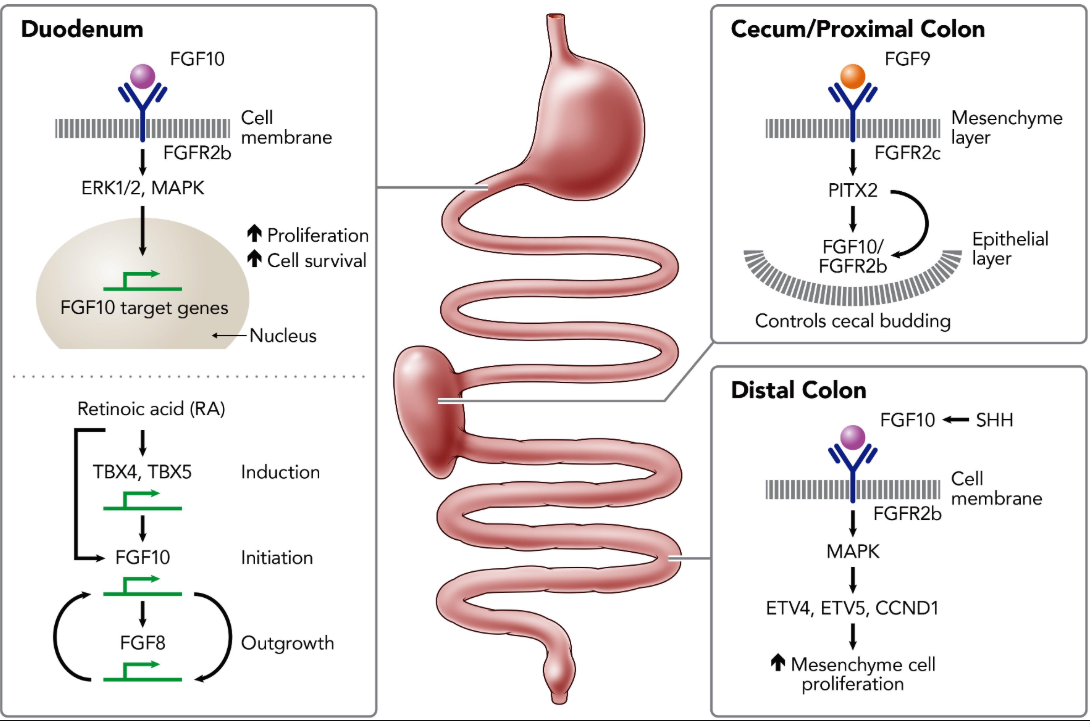
The neuroprotective and tissue-repairing functions of FGF-10 in ischemic stroke
2026-08-13This article systematically elucidates the molecular basis of the neuroprotective effects of FGF-10 in the treatment of ischemic stroke, highlighting its multiple mechanisms, including suppressing neuroinflammation, preserving blood-brain barrier integrity, and promoting angiogenesis.
View details
- Stem Cells
- FGF-10
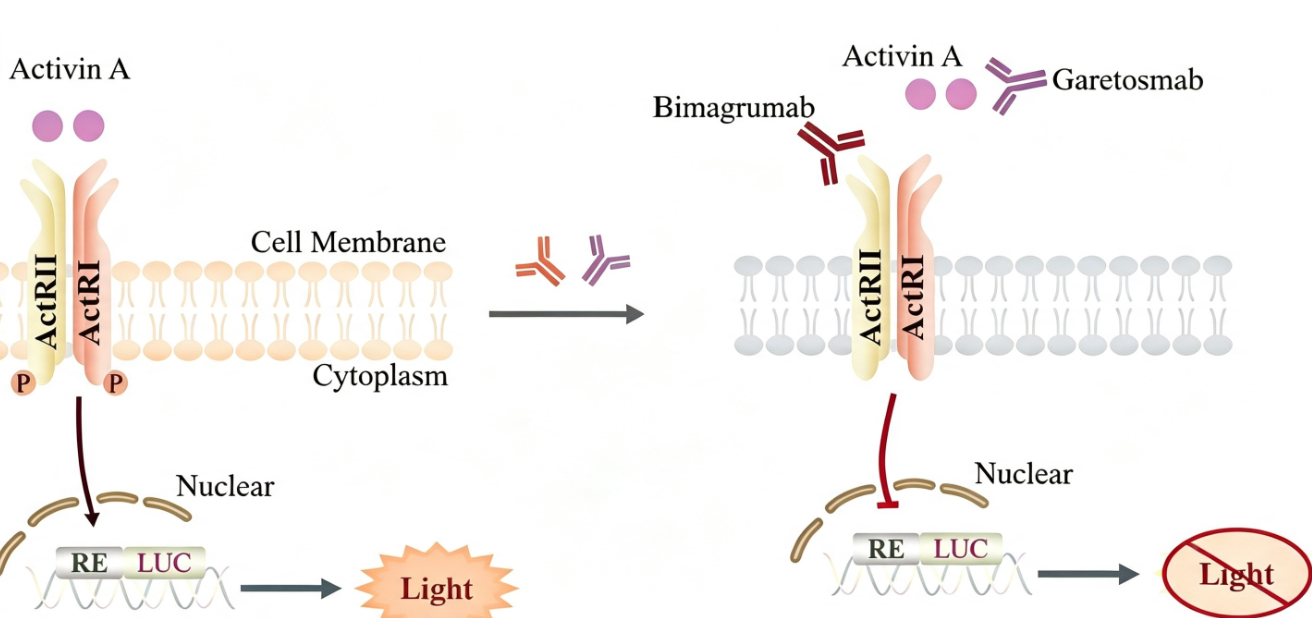
Activin A and Cancer Cachexia: Vascular Endothelial Injury as a Novel Perspective on Muscle Atrophy
2026-08-12This article systematically elucidates the central role of Activin A in the development and progression of cancer cachexia, focusing on the molecular mechanism by which this cytokine drives skeletal muscle atrophy through inhibiting PGC1α expression in vascular endothelial cells and inducing endothelial dysfunction.
View details
- Stem Cells
- Activin A protein
- 1
- 2
- 3
- 4
- 5
- 6

Link:





©2021-2026 all rights reserved UNIV Biotechnology Co.,Ltd.
Privacy Policy
网站备案号 苏ICP备2025207586号-2 浙公网安备33010202004867号
 Business license (three certificates in one)
 Tel:+86-25-56221161
E-mail:order@ua-bio.com
All products sold on this website shall not be used for clinical diagnosis or treatment of humans or animals, and shall only be used for non-medical purposes such as industrial or scientific research.