




Technical Articles
Tumor Immunity
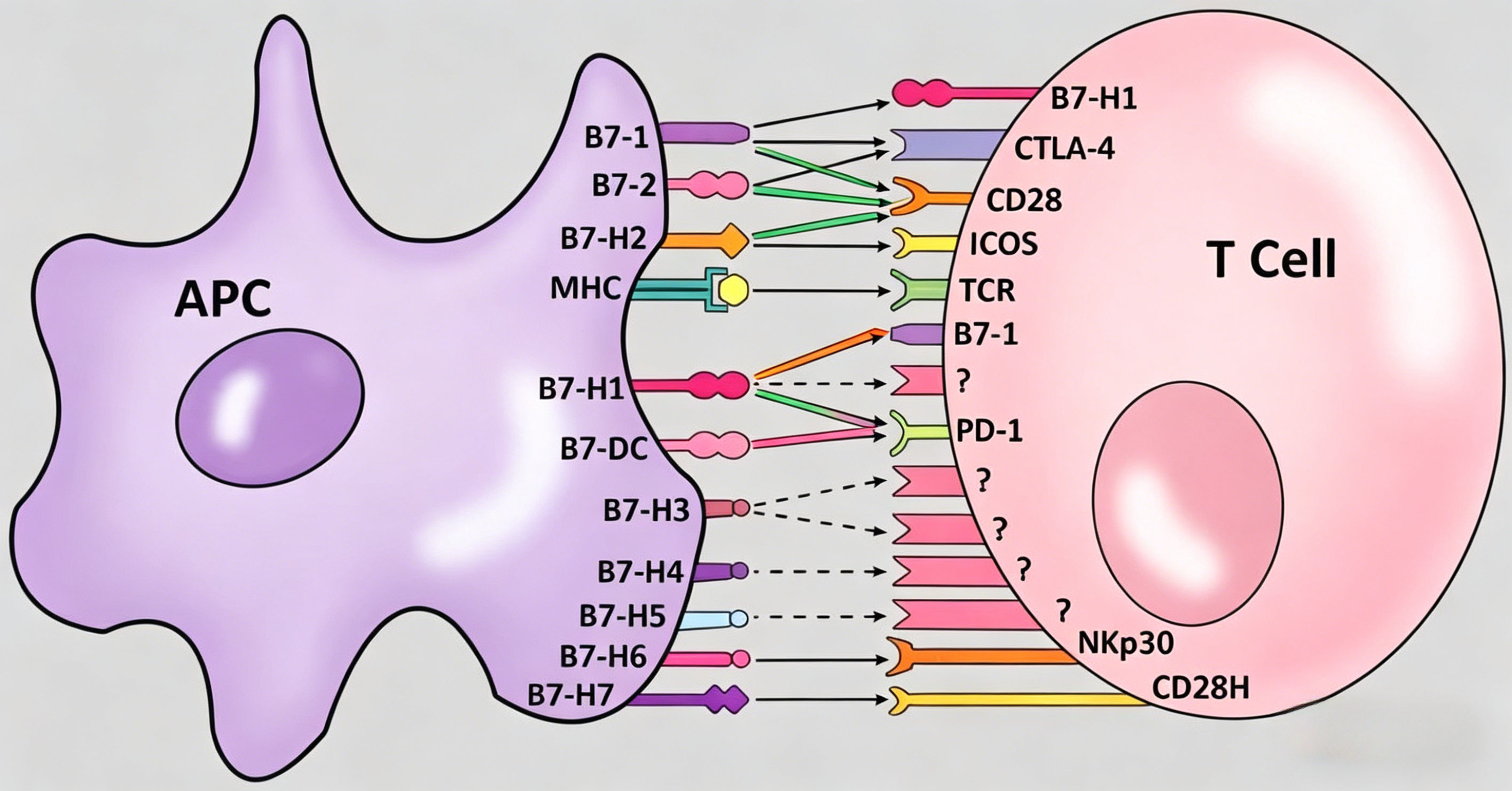
Application of Alexa Fluor 647-labeled B7-H3/CD276 Fc chimeric protein in tumor immune-targeted therapy research
 2026-04-30
B7-H3 is a newly discovered immune checkpoint in recent years, belonging to the B7 superfamily, and is a type I transmembrane glycoprotein. Human B7-H3 possesses four conserved structural cysteines, an extracellular domain composed of IgC-like and IgV-like domains, and distinct intracellular domains.
View details
- Cancer
- B7-H3/CD276
- Tumor Immunity
- Immunotherapy
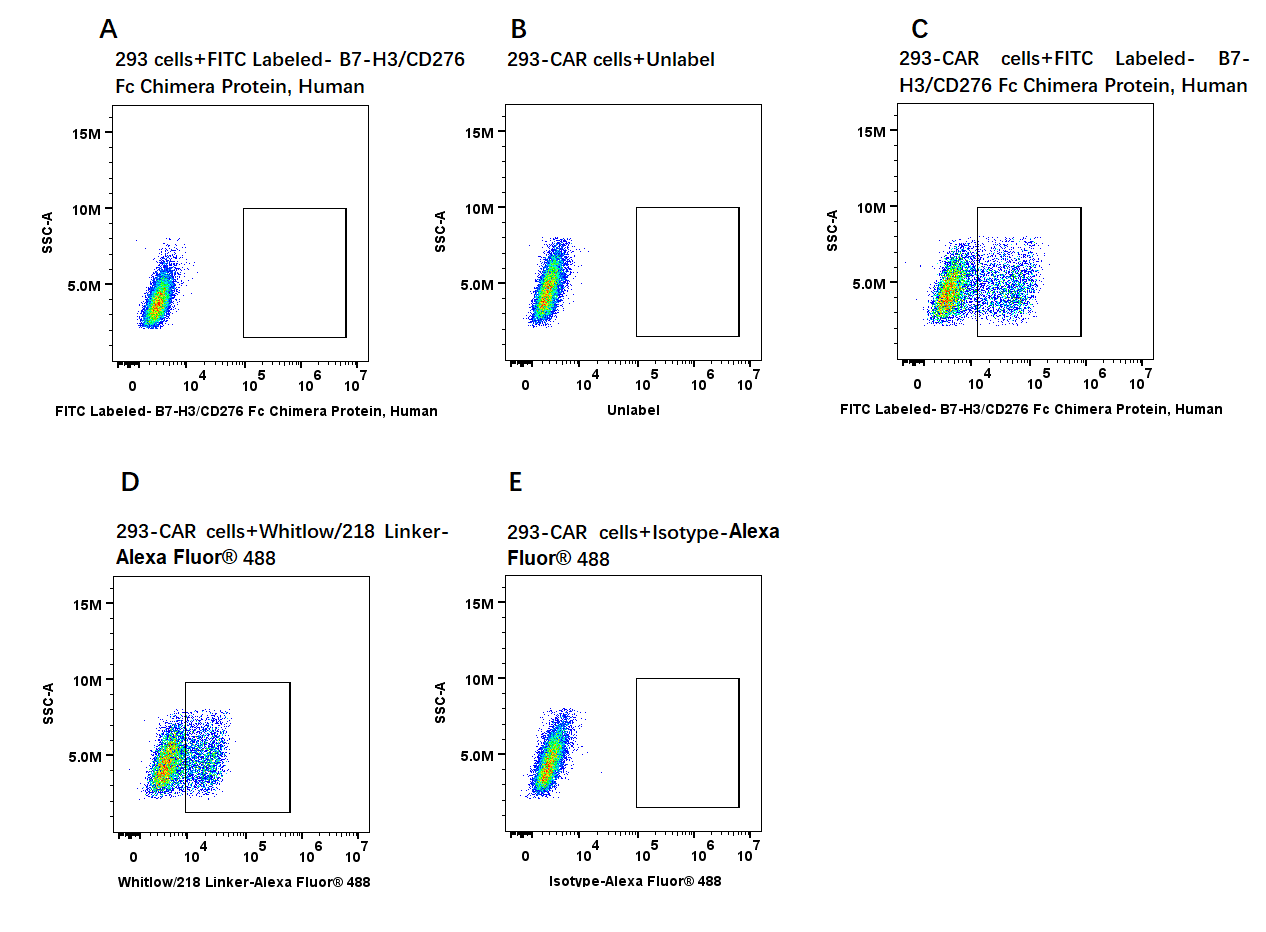
Application of FITC-labeled B7-H3/CD276 Fc chimeric protein in tumor immune-targeted therapy research
2026-04-29B7-H3 is a type I transmembrane protein belonging to the B7 family of immune co-stimulatory and co-inhibitory molecules, encoded by chromosome 15q24. It consists of an extracellular domain, a transmembrane domain, and a short intracellular domain, with no known signaling motifs.
View details
- Cancer
- B7-H3/CD276 Protein
- Tumor Immunity
- Immune Regulation
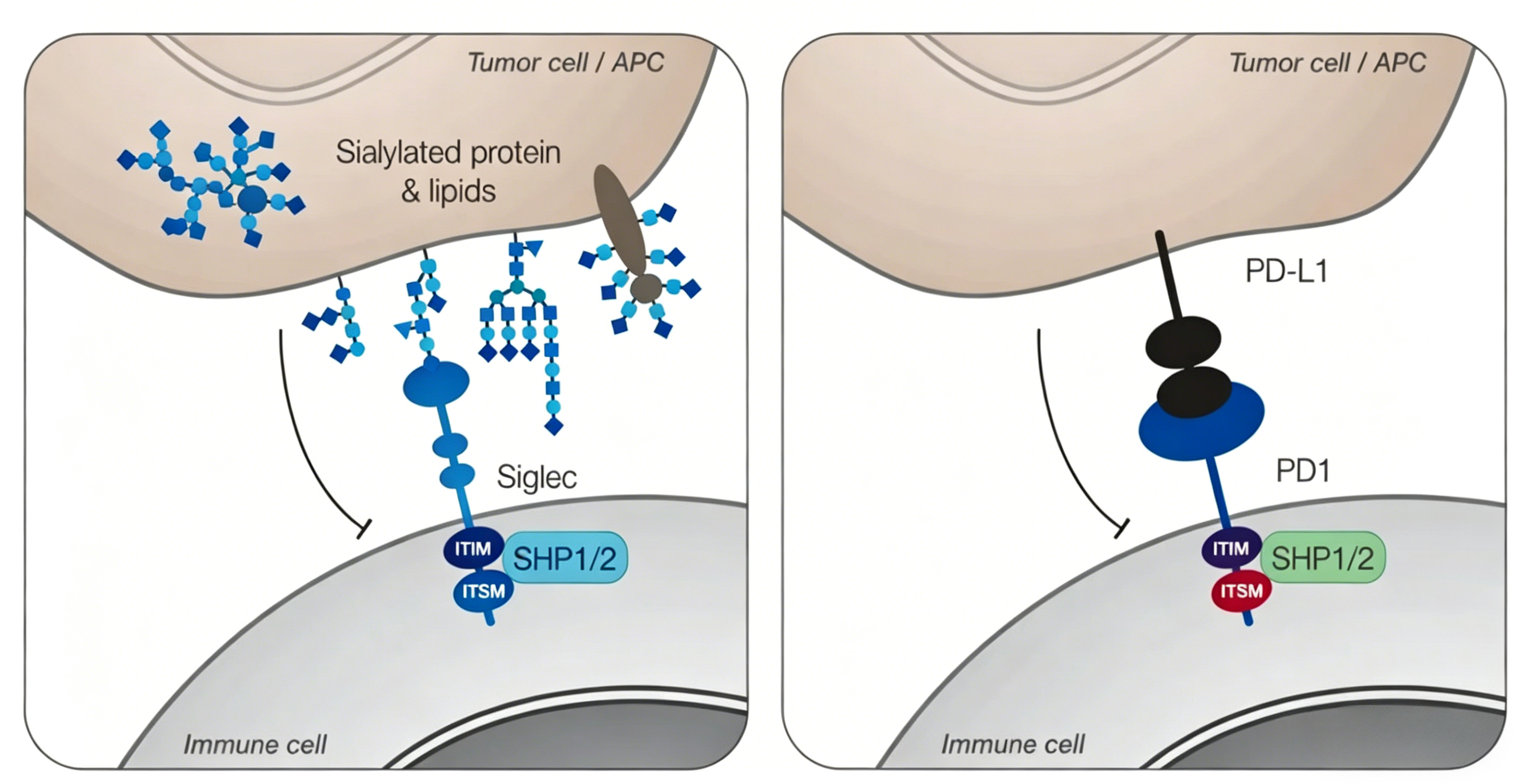
Application of FITC-labeled Siglec-2 His-tagged protein in tumor immune checkpoint research
2026-04-29Siglecs are a family of receptors that bind to sialic acid-containing glycans, belonging to the single-pass type I membrane proteins. Their extracellular region consists of 2 to 17 immunoglobulin (Ig) domains, with an N-terminal V-set Ig domain that binds sialic acid and a variable number of C2-set Ig domains.
View details
- Cancer
- Siglec-2 Protein
- Tumor Immunity
- Immune Checkpoint
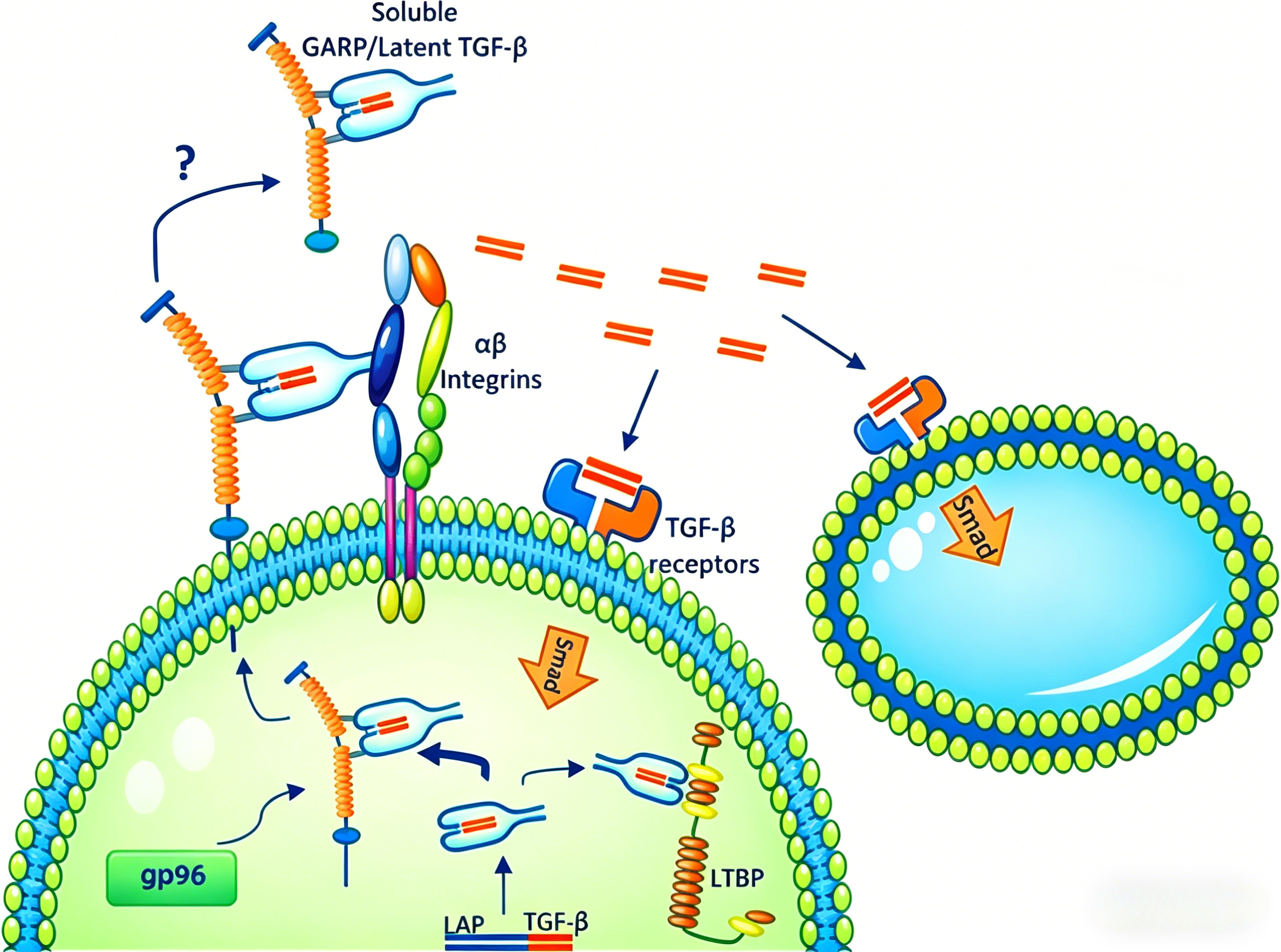
Study on the interaction between TGF-β1 protein and GARP and its role in tumor immunity
2026-04-21TGF-β1 protein is a multifunctional cytokine that plays an important role in biological processes such as cell proliferation, development, apoptosis, fibrosis, angiogenesis, wound healing, and cancer.
View details
- Cancer
- TGF-β1 Protein
- Tumor Immunity
- Embryonic Development
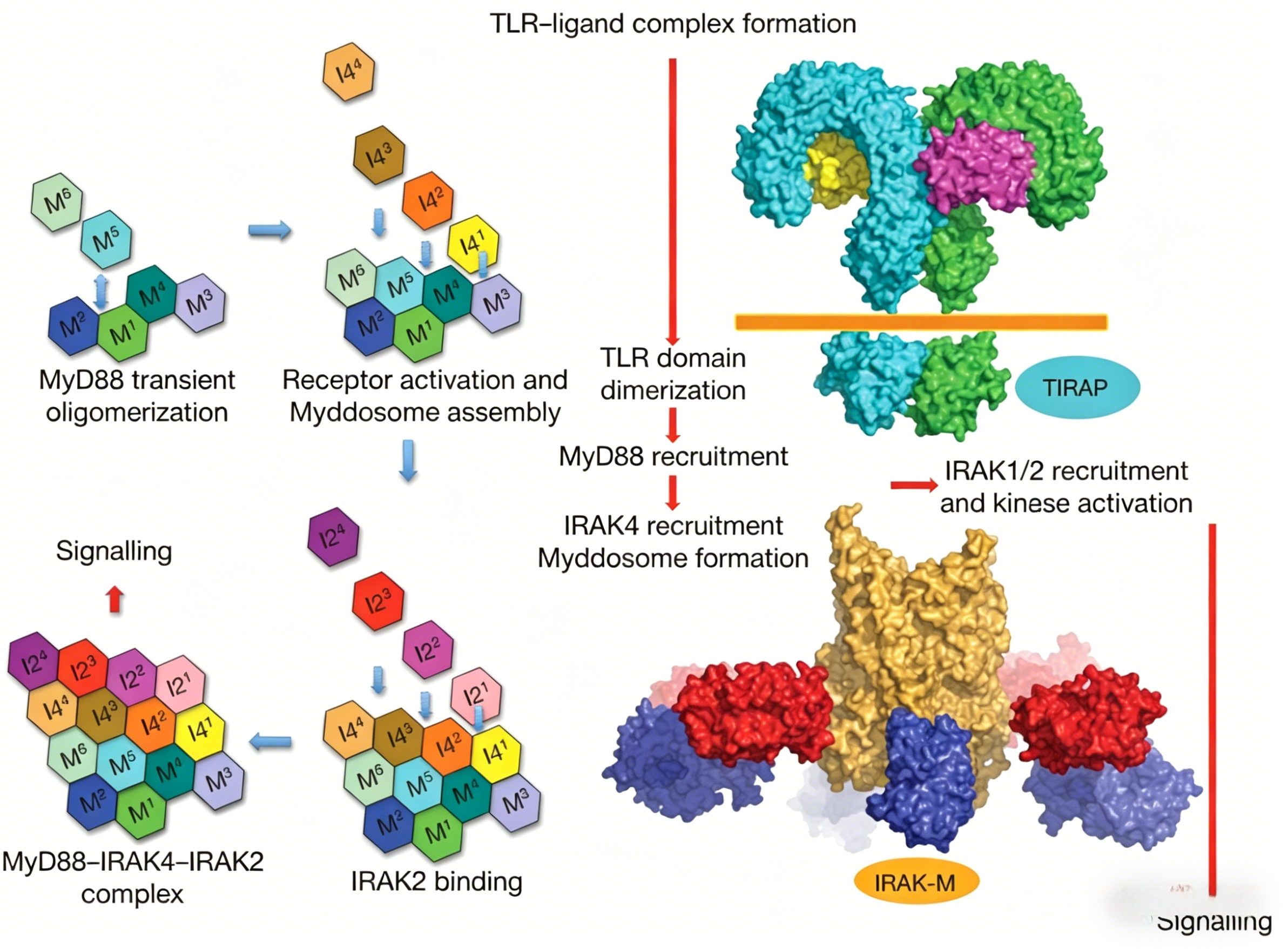
Research on IRAK4-Targeted PROTAC Degrader Screening Kit Based on TR-FRET Technology
2026-04-15IRAK4 is a key adaptor molecule in the Toll-like receptor and IL-1 receptor signaling pathways. TLR and IL-1R share conserved TIR domains and activate similar signaling pathways.
View details
- Immunity/Inflamma
- TR-FRET Technology
- Inflammatory Diseases
- Tumor Immunity
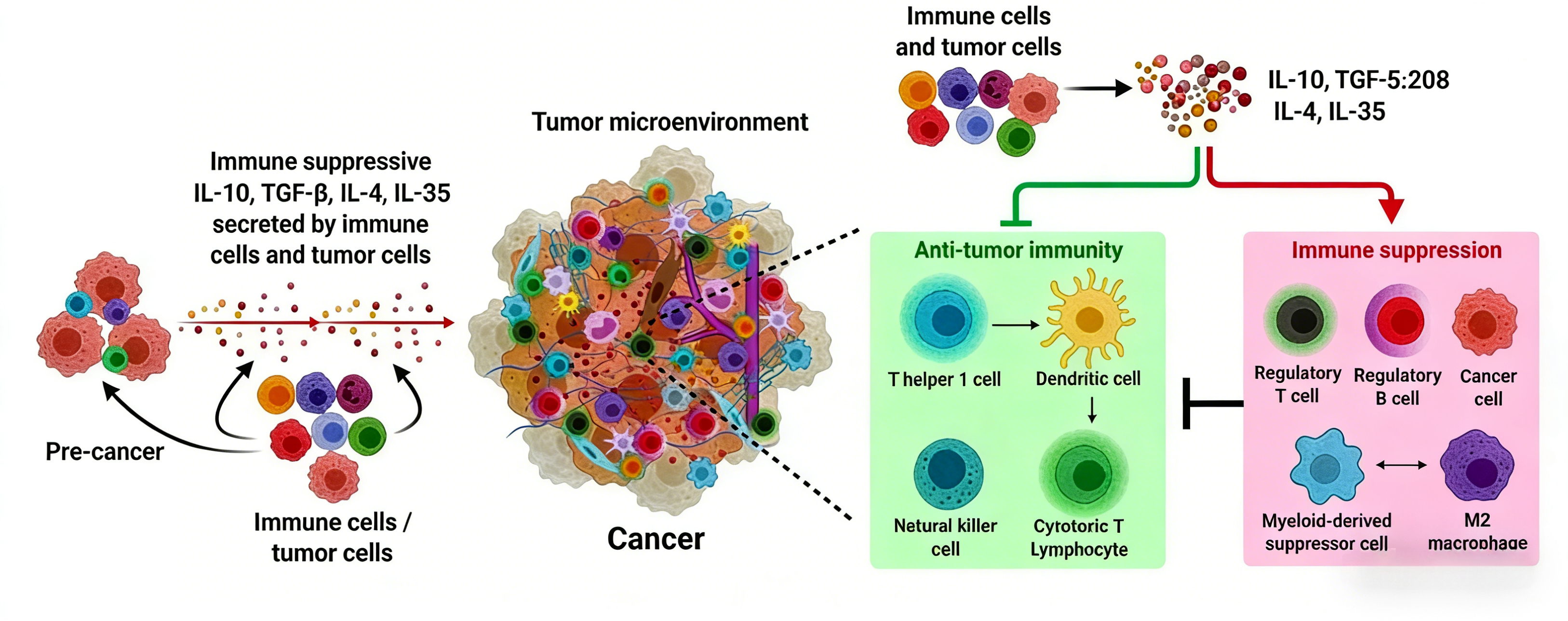
Study on the mechanism of IL-4 protein in tumor immunosuppressive myelopoiesis
2026-04-01During tumor formation, the immune system undergoes systemic changes. In myeloid cells, bone marrow progenitor populations and immunosuppressive immature monocytes and neutrophils are mobilized into the bloodstream.
View details
- Cancer
- IL-4 Protein
- Tumor Immunity
- Myeloid Cells
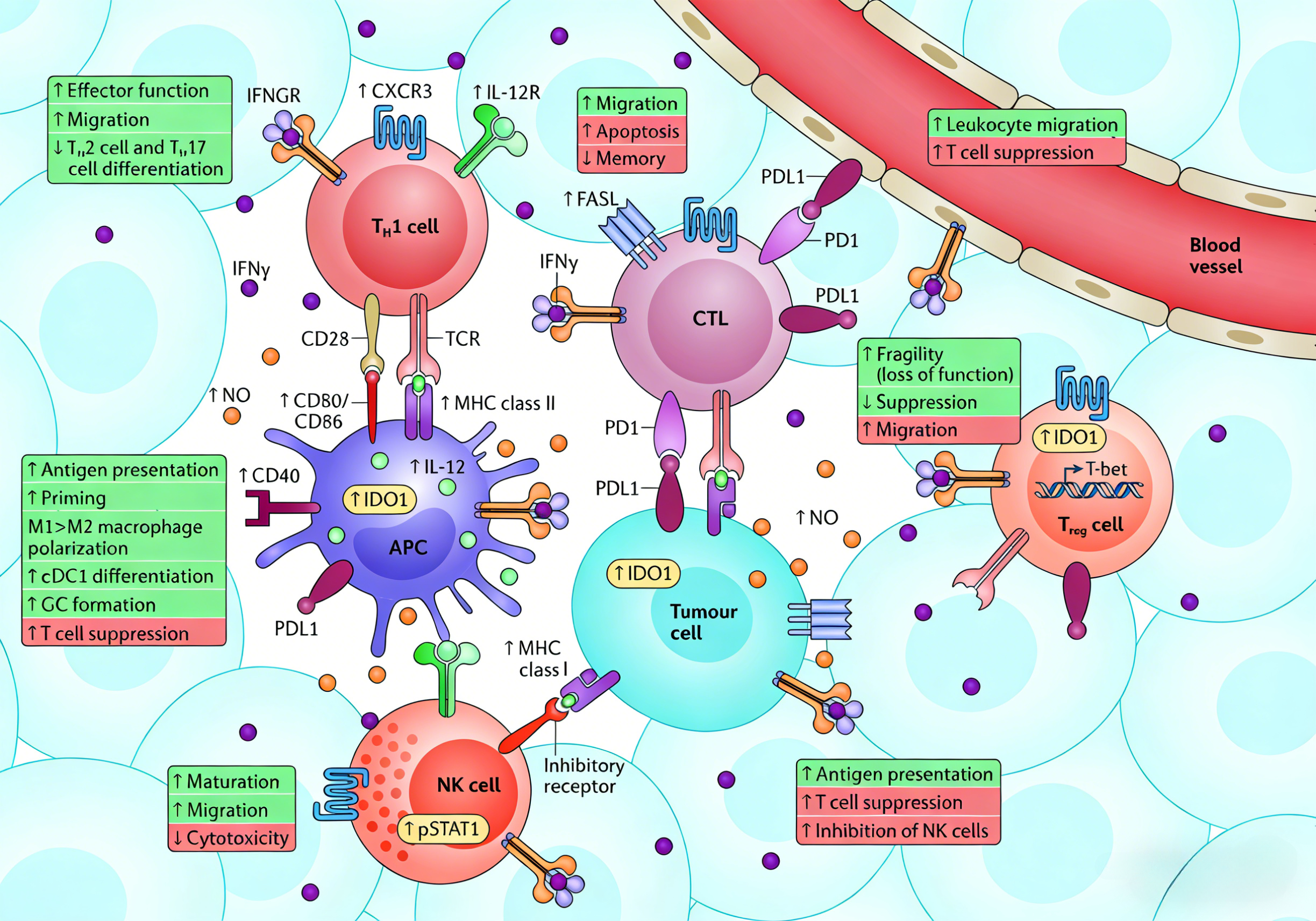
Study on the dual role mechanism of IFN-γ protein in tumor immunity
2026-03-27IFN-γ protein is the sole member of the type II interferon family, primarily produced by activated T cells, natural killer cells, and NKT cells. This protein binds to the receptor complex composed of IFNGR1 and IFNGR2 subunits on the cell surface, activating the JAK-STAT signaling pathway and regulating the expression of multiple genes.
View details
- Cancer
- IFN-γ Protein
- Tumor Immunity
- Viral Immunity
Application of UA-MHC H-2K(b)/SVYDFFVWL TRP2 tetramer-APC labeling in antigen-specific T cell detection
2026-03-23Melanoma-associated antigen-specific CD8+ T cells play a central role in anti-tumor immune responses. Tyrosinase-related protein 2 is a differentiation antigen highly expressed in melanoma cells and belongs to the tumor-associated antigen family. Its derived antigenic peptides can be presented by MHC class I molecules, eliciting specific T-cell immune responses.
View details
- Cancer
- Melanoma
- Tumor Immunity
- T Cell Detection
UA-MHC HLA-A*0201/SLLMWITQC NY-ESO-1 tetramer-PE labeled in the detection of antigen-specific T cells
2026-03-20Tumor-associated antigen-specific CD8+ T cells play a central role in tumor immune surveillance. Accurate identification and quantitative analysis of tumor antigen-specific T cells are key technical steps in elucidating anti-tumor immune mechanisms, evaluating immunotherapy efficacy, and monitoring disease progression.
View details
- Cell Biology
- T Cell Detection
- Tumor Immunity
- Immunotherapy
UA-MHC H-2D(b)/EGSRNQDWL gp100四聚体-APC标记在抗原特异性T细胞检测中的应用
2026-03-20T cell-mediated immune responses play a central role in tumor immune surveillance and autoimmune regulation. The accurate identification and quantitative analysis of antigen-specific CD8+ T cells are key technical steps in deciphering immune response mechanisms and evaluating the efficacy of immunotherapy.
View details
- Cell Biology
- T Cell Detection
- Immune Response
- Tumor Immunity
- 1
- 2

Link:





©2021-2026 all rights reserved UA Biotechnology Co.,Ltd.
Privacy Policy 
网站备案号 浙ICP备2022019033号-2 浙公网安备33010202004867号
 Business license (three certificates in one)
 Tel:+86-25-56221161
E-mail:order@ua-bio.com
All products sold on this website shall not be used for clinical diagnosis or treatment of humans or animals, and shall only be used for non-medical purposes such as industrial or scientific research.
