Technical Articles
Tumor microenvironment

TGF-β1 in Translation: Fibrosis, Tumor Microenvironment and Drug Strategies
 2026-10-14
TGF-β1 sits at the center of fibrosis and immunosuppressive tumor microenvironment research. This article reviews ALK5 inhibitors, ligand traps and translational study design around TGF-β1.
View details
- Signaling Pathway
- TGF-β1 target
- ALK5 inhibitor
- ligand trap
- tumor microenvironment
- fibrosis
- immunosuppression
- UA040172
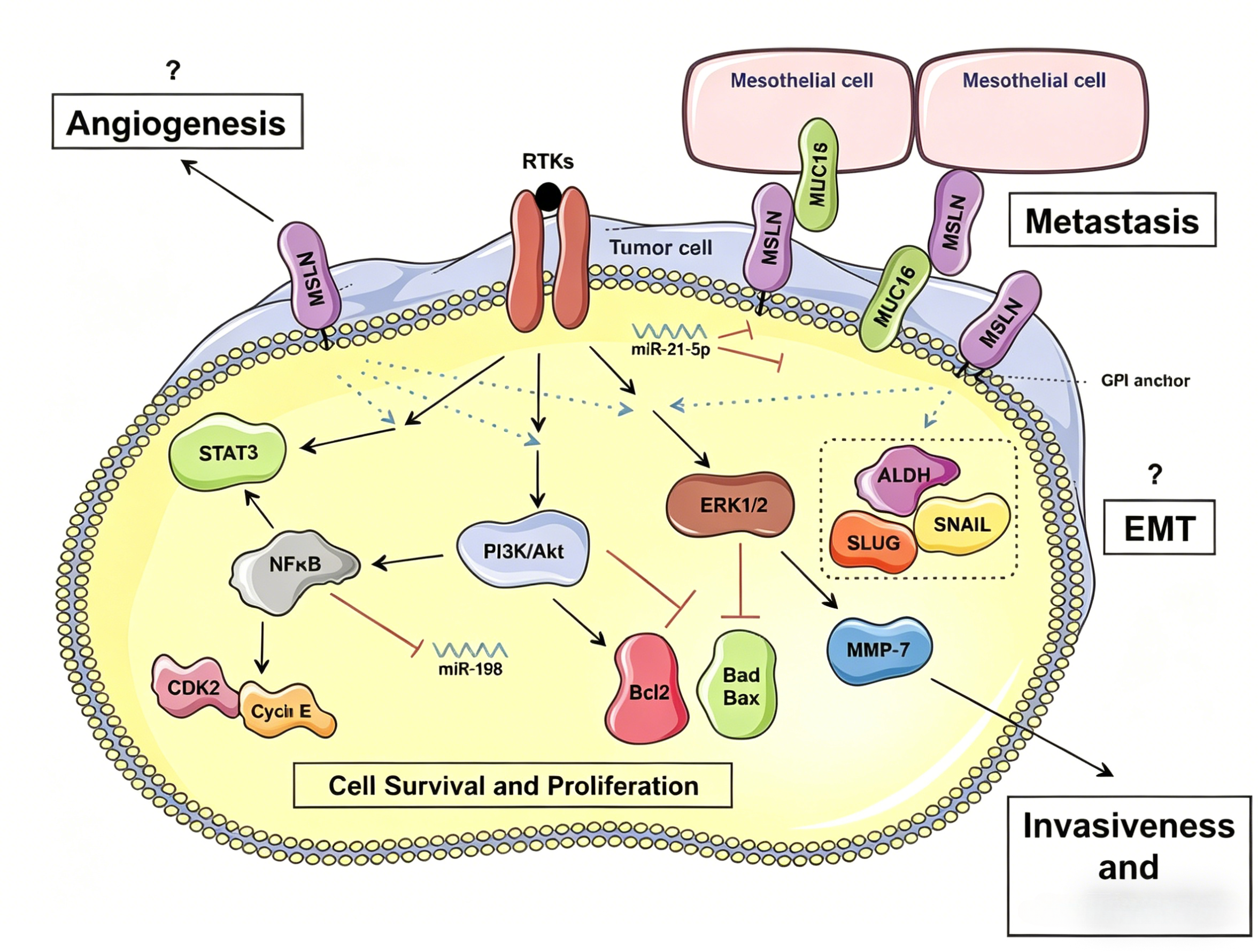
The application of FITC-labeled NKG2D/CD314 Fc chimeric protein in immuno-oncology research
2026-04-28Natural killer cells are currently at the forefront of many immunotherapy strategies, and new methods are being developed to fully harness the anti-tumor potential of NK cells. NK cells play a critical role in tumor immunity and are increasingly becoming a cutting-edge area in immunotherapy strategies.
View details
- Cancer
- NKG2D/CD314
- Immuno-Oncology
- Tumor Microenvironment
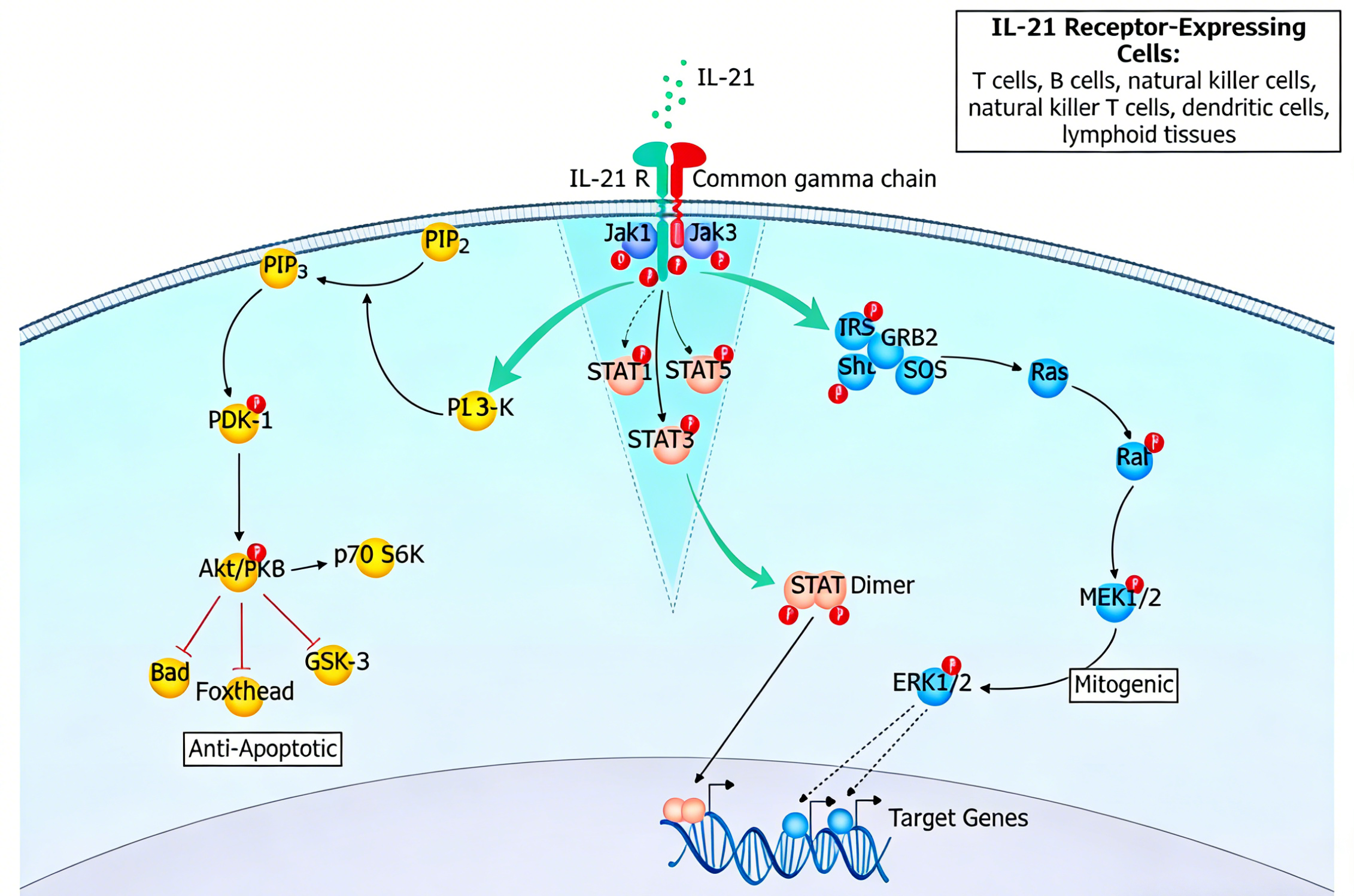
Mechanism of IL-21 Protein in Tumor-Targeted Therapy
2026-04-02The lack of functional tumor-infiltrating lymphocytes in the tumor microenvironment is a significant reason for the suboptimal efficacy of tumor immunotherapy. Even in tumor tissues rich in tumor-infiltrating lymphocytes, the presence of dysfunctional PD-1-positive Tim-3-positive CD8-positive T cells remains a major indicator of poor prognosis in cancer patients.
View details
- Cancer
- IL-21 Protein
- Tumor Microenvironment
- Immunotherapy
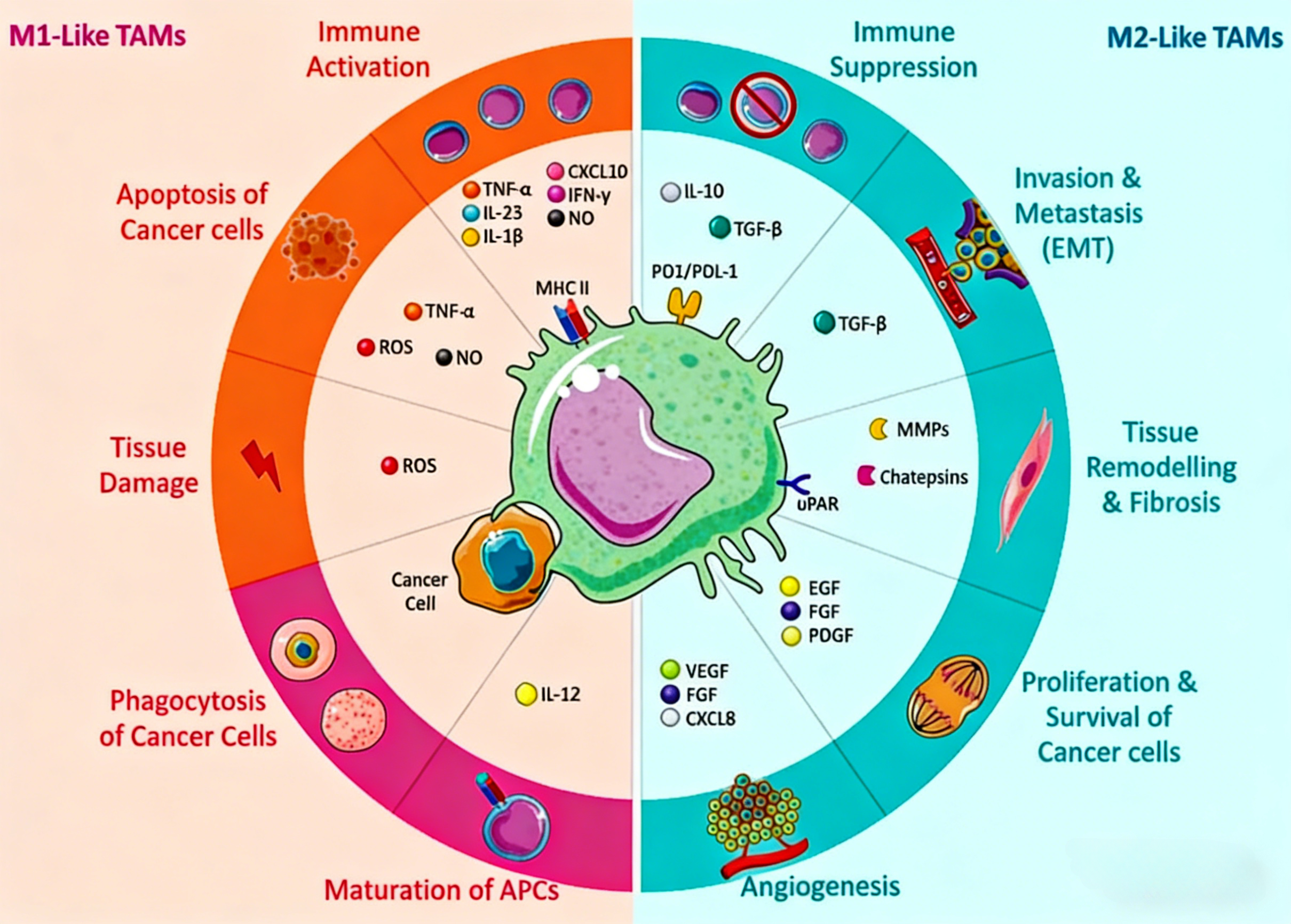
Macrophage Polarization and Its Role in the Tumor Microenvironment
2026-03-18Macrophages are highly heterogeneous immune cells with significant ontogenic differences in their origins. During embryonic development, certain tissue-resident macrophages, such as Langerhans cells in the skin, microglia in the central nervous system, Kupffer cells in the liver, and alveolar macrophages, originate from yolk sac and fetal liver precursors. These cells maintain tissue homeostasis through self-renewal.
View details
- Cancer
- Macrophages
- Tumor Microenvironment
- Embryonic Development
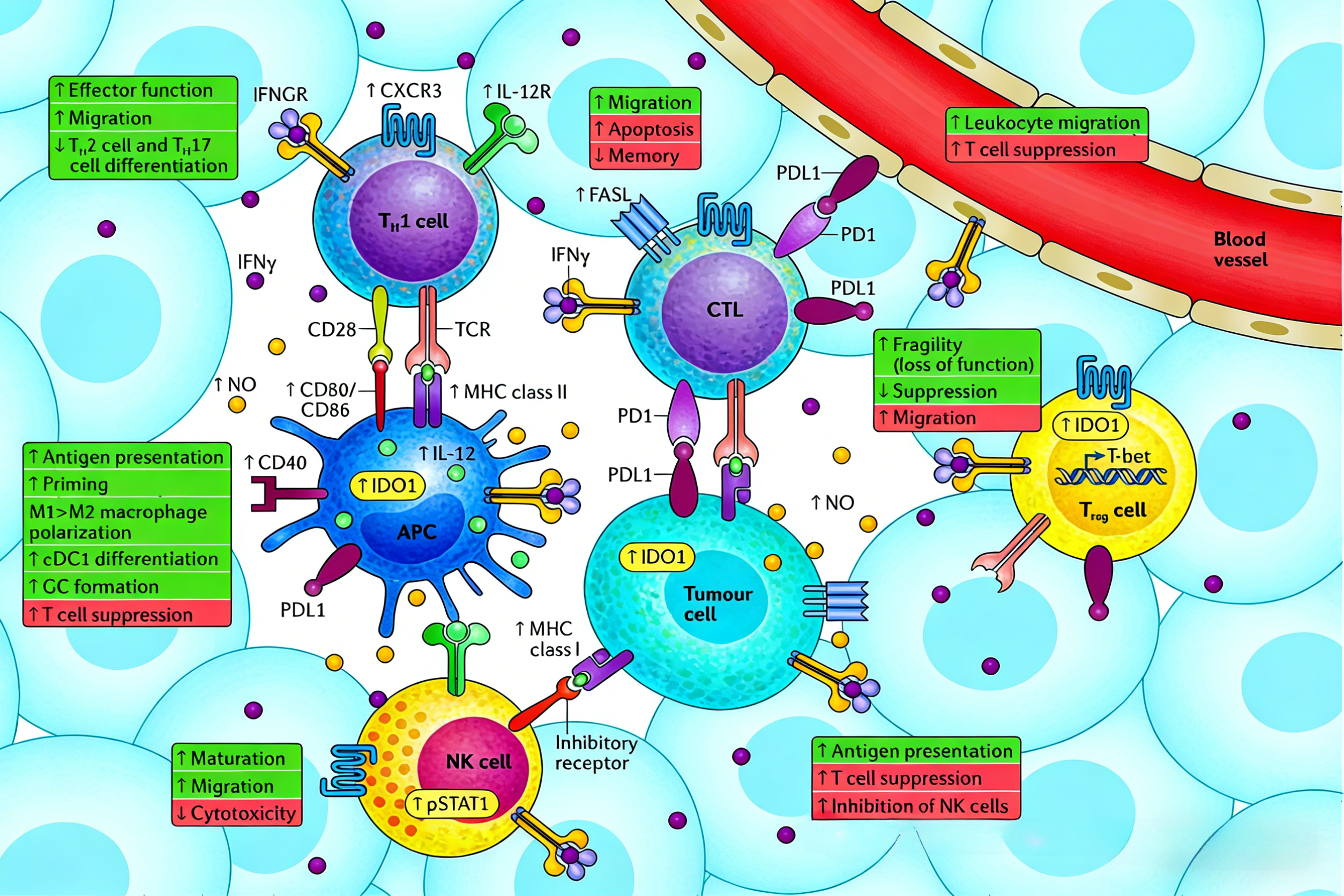
The cell-specific mechanisms of the dual role of interferon-γ in the tumor microenvironment
2026-02-25Interferon-gamma (IFN-γ), as the sole member of type II interferons, exhibits complex dual functions in tumor immune regulation.
View details
- Cancer
- Mouse IFN-γ Kit
- Tumor microenvironment
- Immunoregulation
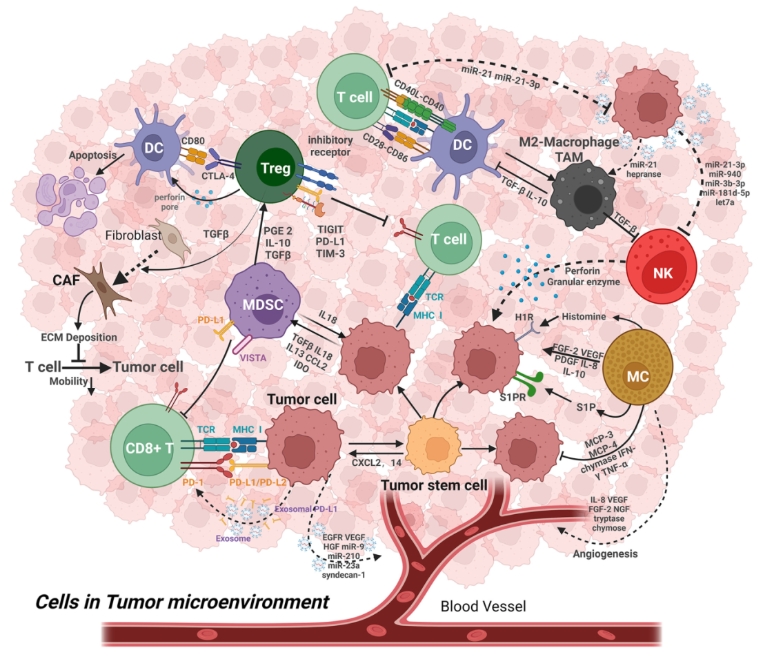
Targeting TGF-β2: Reshaping the Immunosuppressive Tumor Microenvironment to Enhance Anti-Tumor Immunity
2026-01-30Pancreatic ductal adenocarcinoma is one of the most malignant solid tumors, with an extremely poor prognosis and a poor response to various treatment modalities, including immune checkpoint inhibitors.
View details
- Cancer
- TGF-β2 protein
- Tumor microenvironment
- Tumor immunology
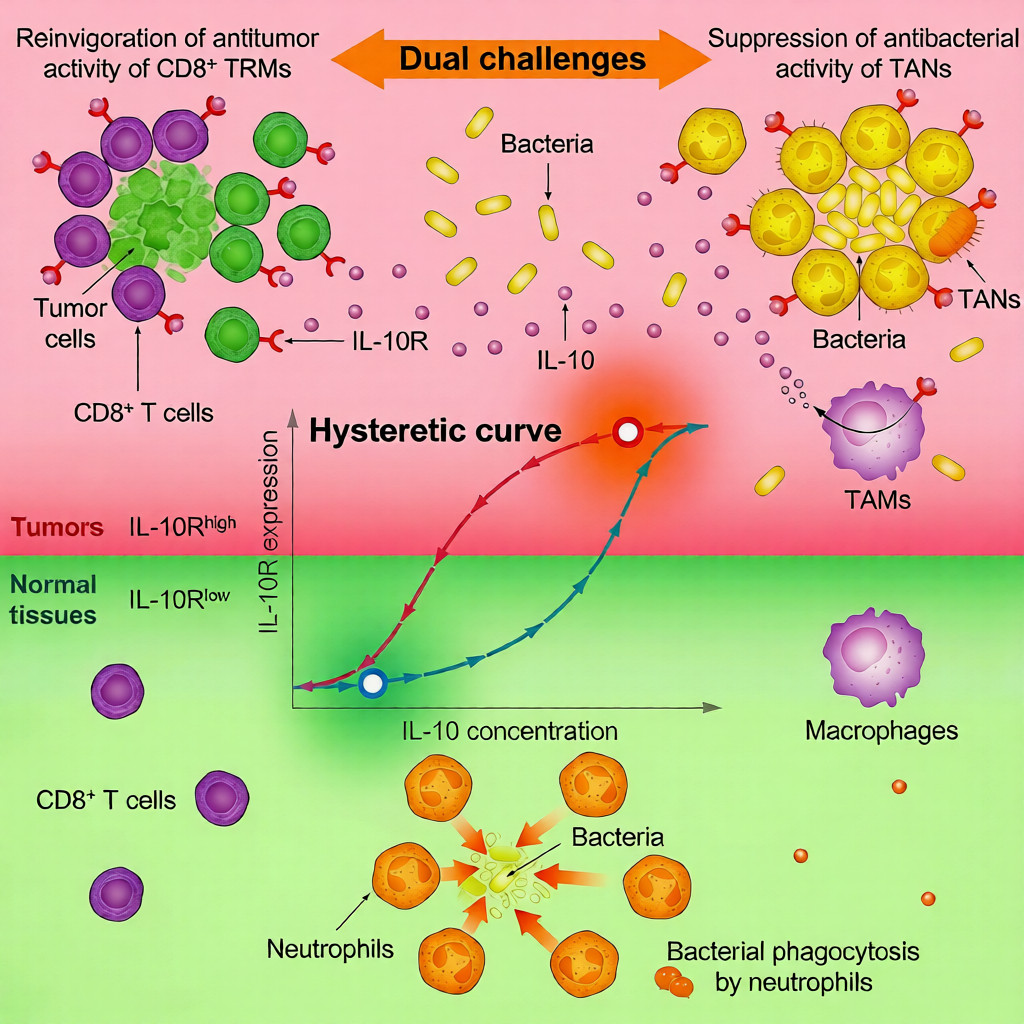
The Dual Role of IL-10 Signaling in Tumor Immunotherapy and Precision Research Strategies
2026-01-19Interleukin-10 and its receptors play a complex dual role in the tumor immune microenvironment. Traditionally, IL-10 is known for its ability to suppress antigen-presenting cell activation and the production of pro-inflammatory cytokines.
View details
- Cancer
- IL10/IL10RA Kit
- Tumor immunology
- Tumor microenvironment
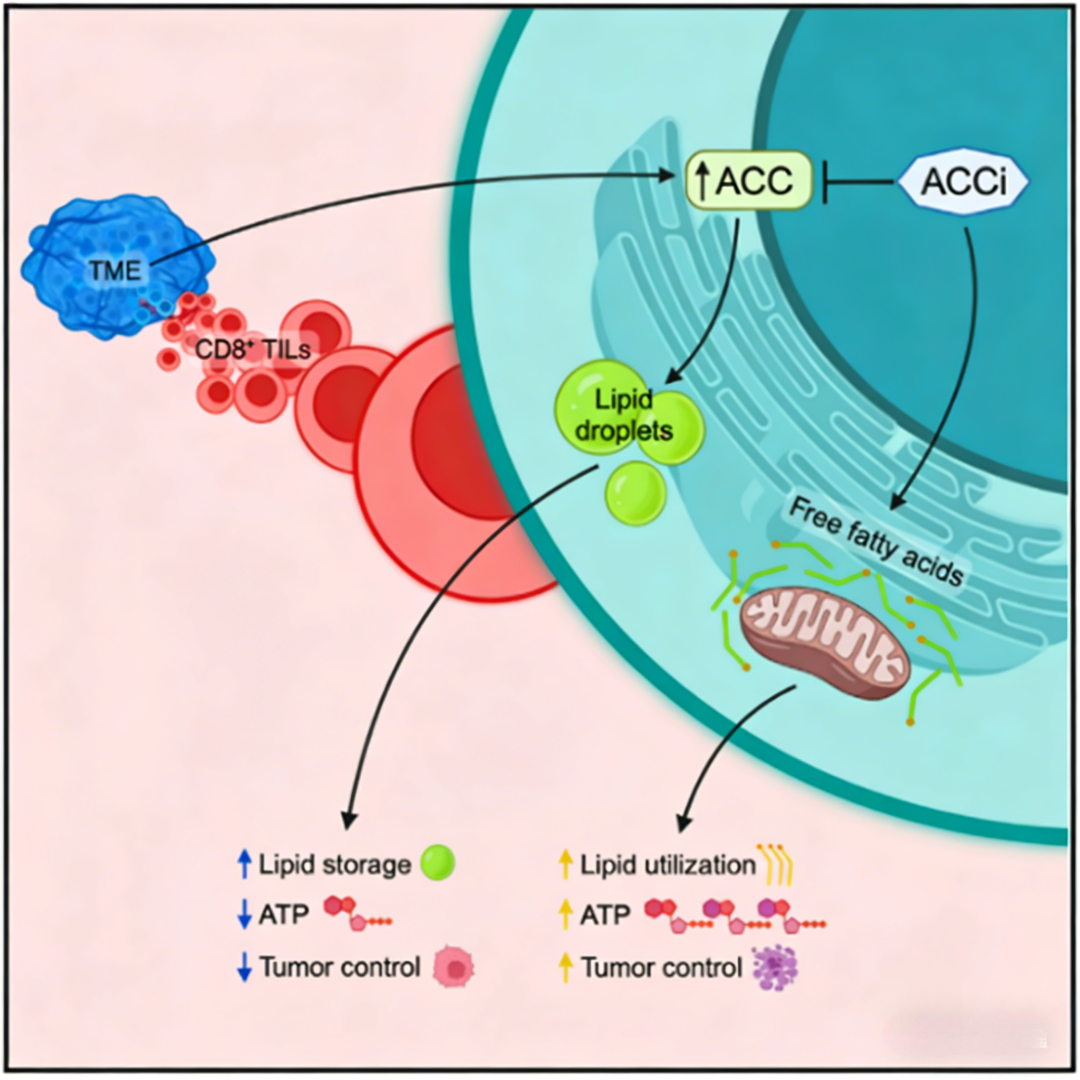
Advances in the Role of Acetyl-CoA Carboxylase in Metabolic Regulation of CD8+ T Cells in Tumors and Its Labeling Techniques
2026-01-14In the tumor microenvironment, CD8+ T cell exhaustion is closely associated with metabolic dysregulation, particularly lipid metabolism disorder.
View details
- Cancer
- Labeling Acc
- Tumor microenvironment
- CD8+ T cell
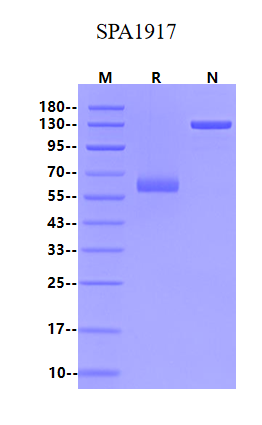
Structural Characteristics and Research Progress in Applications of BTN1A1 Fc Chimeric Protein
2026-01-13BTN1A1 (Butyrophilin Subfamily 1 Member A1) belongs to the butyrophilin family and is an important type I transmembrane protein.
View details
- Immunity/Inflamma
- BTN1A1 Fc Chimera protein
- Tumor microenvironment
- Immunomodulation
- 1

Link:





©2021-2026 all rights reserved UNIV Biotechnology Co.,Ltd.
Privacy Policy
网站备案号 苏ICP备2025207586号-2 浙公网安备33010202004867号
 Business license (three certificates in one)
 Tel:+86-25-56221161
E-mail:order@ua-bio.com
All products sold on this website shall not be used for clinical diagnosis or treatment of humans or animals, and shall only be used for non-medical purposes such as industrial or scientific research.