




Technical Articles
UA BIO

Enhancing In Vitro T Cell Expansion: Synergy in Signaling as a Pathway to Standardized Solutions
 2025-10-30
Obtaining large numbers of highly active human peripheral blood-derived T cells is a critically important technical step in immunotherapy development, oncology research, and the exploration of immune response mechanisms. Traditional T cell expansion requires researchers to independently optimize the concentrations of anti-CD3 and anti-CD28 antibodies, as well as the ratio of IL-2 - a process that is cumbersome and involves variables that are difficult to control.
View details
- Drug Research
- T cell
- CD3
- CD28
- IL-2
- recombinant protein
- UA Bio
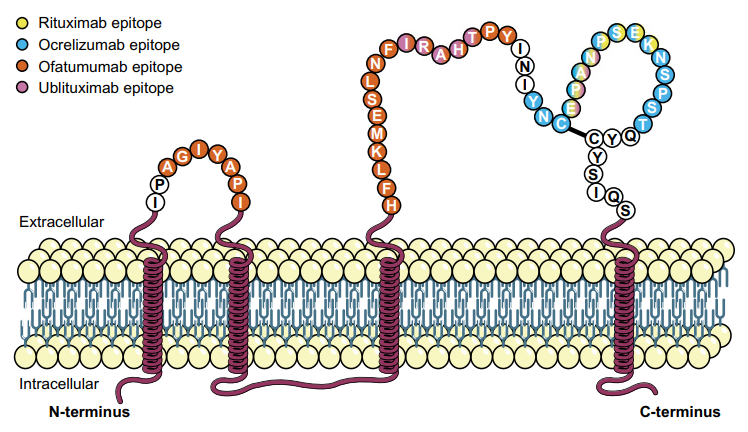
CD20: B Cells' "Beacon" and the "Evergreen Target" of Immunotherapy
2025-05-22CD20 (Cluster of Differentiation 20), also known as B-lymphocyte antigen CD20 or MS4A1, is a 33-37 kDa non-glycosylated phosphoprotein belonging to the transmembrane 4 superfamily A (MS4A) protein family. It consists of four hydrophobic transmembrane domains, one intracellular domain, and two extracellular loops, with both N- and C-termini located in the cytoplasm.
View details
- Immunity/Inflamma
- CD20-B cells
- Nanjing Youai
- UA BIO
- B lymphocytes
- CD20
- Cluster of Differentiation 20

MHC Tetramer: The 'T Cell GPS' of Immunology
2025-05-15The core of MHC tetramers lies in their unique molecular architecture. MHC molecules, responsible for presenting antigenic peptides to T cells in the immune system, are engineered into tetrameric structures through the biotin-streptavidin system. This design significantly enhances the binding affinity and stability of MHC-peptide complexes with T cell receptors (TCRs), addressing the limitations of traditional MHC-peptide monomers with low affinity and rapid dissociation rates.
View details
- Immunity/Inflamma
- MHC四聚体
- T细胞
- 南京优爱
- UA BIO
- 免疫学
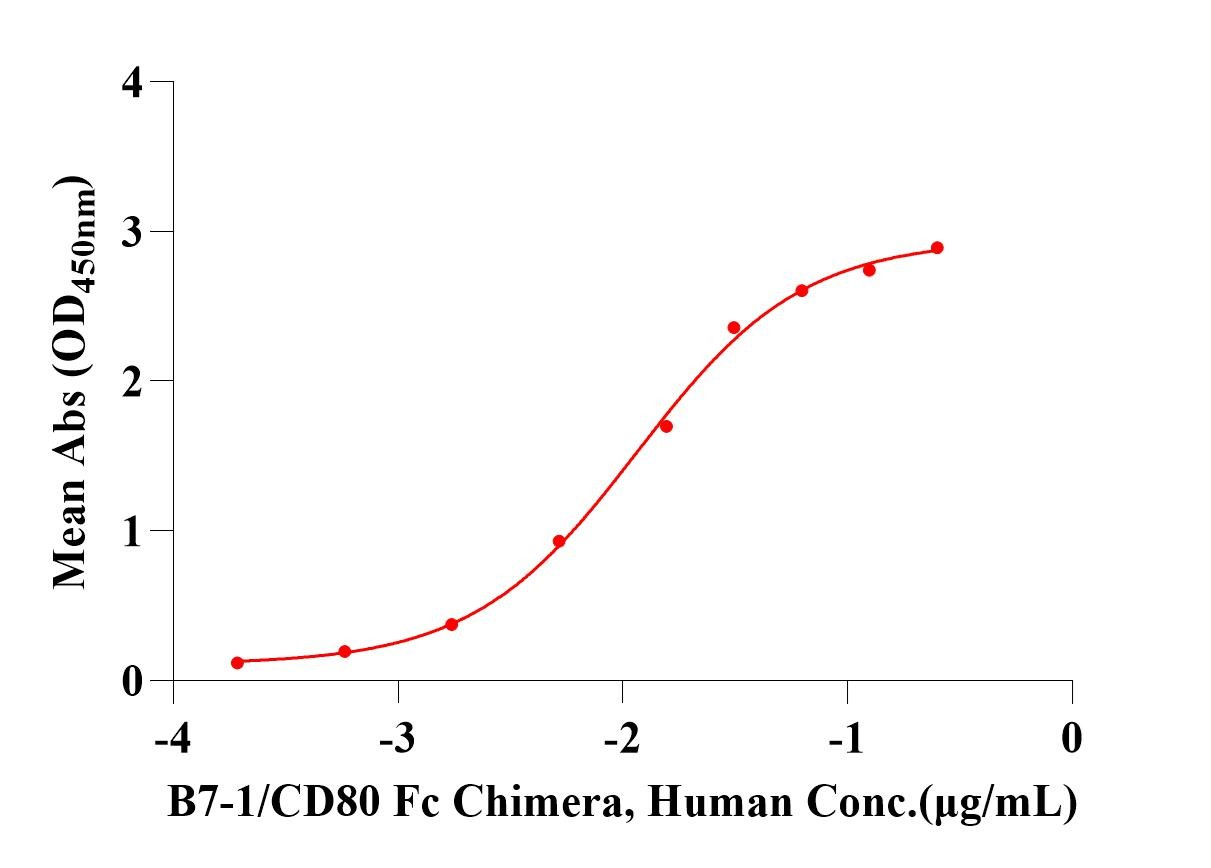
Exploring New Therapeutic Targets for Rheumatoid Arthritis: Pioneering the Future of Immunomodulation
2025-05-08Rheumatoid arthritis (RA) is a complex chronic autoimmune disease affecting approximately 0.5%-1% of the global population. RA not only causes joint inflammation and pain but also leads to various complications, significantly impacting patients' quality of life. In recent years, with a deeper understanding of the pathological mechanisms of RA, scientists have identified several key immunomodulatory target proteins, offering new possibilities for developing innovative treatment strategies.
View details
- Immunity/Inflamma
- Rheumatoid arthritis
- RA
- Nanjing Youai
- UA BIO
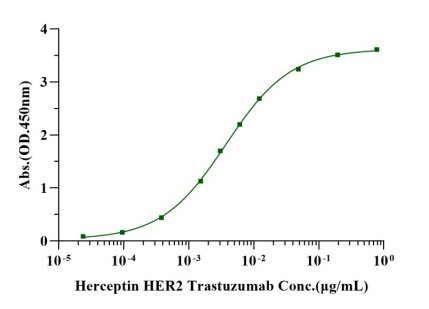
ADC Target Proteins: The "Treasure Trove" of Precision Cancer Therapy
2025-05-07On the battlefield against cancer, antibody-drug conjugates (ADCs) are emerging as a powerful weapon with "precision-guided" capabilities! Like special forces armed with toxins, they leverage monoclonal antibodies as "guidance systems" to lock onto tumor cells with pinpoint accuracy, delivering cytotoxic drugs directly into the enemy's core for lethal efficacy—all while minimizing collateral damage to healthy cells.
View details
- Cancer
- ADC target protein
- Nanjing Youai
- UA BIO
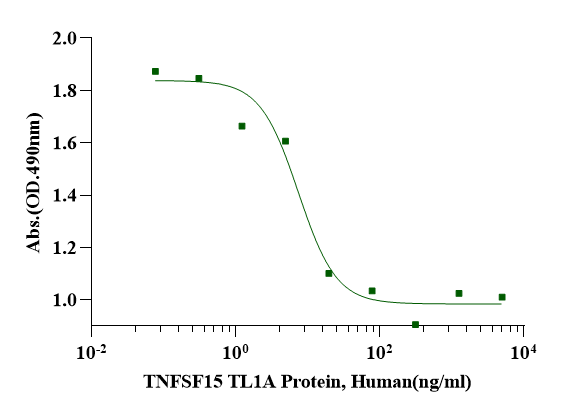
Tumor Necrosis Factor (TNF) Targets: Pioneering New Frontiers in Immunotherapy!
2025-04-27In the battleground of immunotherapy, members of the tumor necrosis factor (TNF) family shine as "superstars" in combating tumors and inflammation. Serving as the immune system's "superheroes," TNF family proteins play pivotal roles in inflammatory responses and tumor immunity.
View details
- Immunity/Inflamma
- Tumor necrosis factor
- TNF
- TNF-α
- Nanjing Youai
- UA BIO

The CDK Kinase Family: The "Super Stewards" of the Cell Cycle!
2025-04-27Cyclin-dependent kinases (CDKs), a family of serine/threonine kinases, regulate each phase of the cell cycle by forming complexes with cyclins. They are indispensable for the transition of cells from a quiescent state to a proliferative phase.
View details
- Cell Biology
- CDK kinase
- cyclin
- Nanjing Youai
- UA BIO
- 1

Link:





©2021-2026 all rights reserved UA Biotechnology Co.,Ltd.
Privacy Policy 
网站备案号 浙ICP备2022019033号-2 浙公网安备33010202004867号
 Business license (three certificates in one)
 Tel:+86-25-56221161
E-mail:order@ua-bio.com
All products sold on this website shall not be used for clinical diagnosis or treatment of humans or animals, and shall only be used for non-medical purposes such as industrial or scientific research.
