




Technical Articles
cancer treatment

TNFR-1/CD120a: The "Master Switch" of Inflammation and Cell Death – How It Becomes a Core Target for Autoimmune Disease and Cancer Therapy
 2025-11-25
TNFR-1, also known as CD120a, is one of the most important receptors for tumor necrosis factor. It serves as a "master switch" for inflammation and cell death programs, playing a central role in immune defense, tissue homeostasis, and disease development.
View details
- Immunity/Inflamma
- TNFR-1
- Cancer treatment
- Autoimmune diseases
- Cytokine.
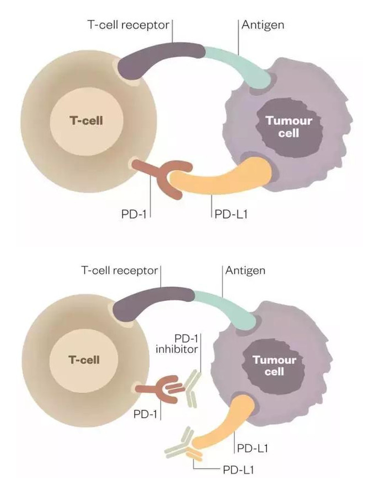
Immune checkpoints: new hope for cancer treatment
2025-04-30Immune checkpoints play a vital role in the human immune system. They are a class of proteins on immune cells that can regulate the activity of immune cells and maintain the balance of the immune system.
View details
- Immunity/Inflamma
- Immune checkpoint
- cancer treatment
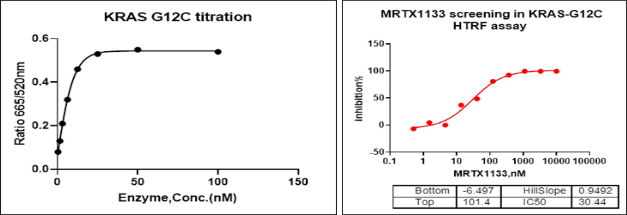
Ulove Protein: A "Hardcore Boost" for KRAS-Targeted Therapies
2025-04-22On the battlefield of cancer treatment, KRAS gene mutations have long been a "tough adversary." Frequently implicated in pancreatic cancer, colorectal cancer, and non-small cell lung cancer (NSCLC), these mutations enable tumor cells to grow uncontrollably. However, the lack of binding pockets on the KRAS protein surface made it resistant to traditional drugs, once rendering it an "undruggable" target. In recent years, the emergence of KRAS G12C inhibitors has broken this impasse. The approvals of sotorasib and adagrasib have brought new hope to patients with advanced NSCLC. These drugs lock the KRAS G12C mutant in an inactive state by binding to its cysteine residue, thereby inhibiting downstream signaling pathways. Clinical trial results have been encouraging, demonstrating high objective response rates (ORRs) and disease control rates (DCRs).
View details
- Cancer
- Yoai protein
- KRAS targeted therapy
- cancer treatment
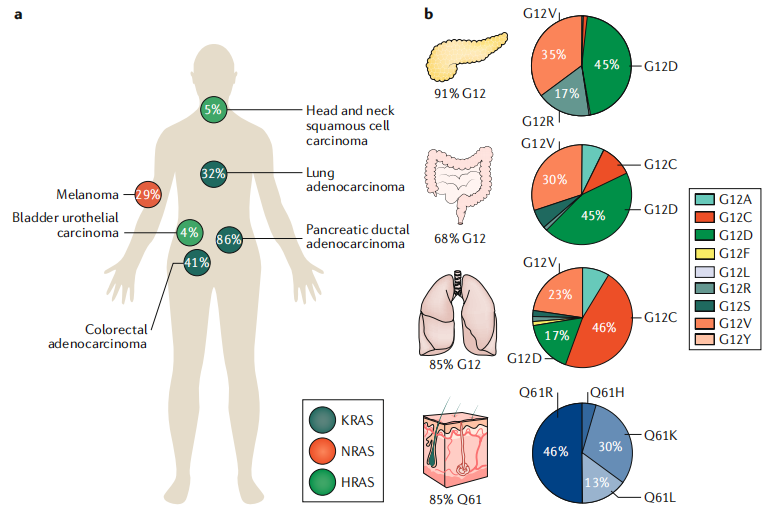
KRAS-Targeted Therapies: Breakthroughs and Future Prospects
2025-04-21Mutations in the KRAS gene represent a significant challenge in cancer treatment, particularly in pancreatic cancer, colorectal cancer, and non-small cell lung cancer (NSCLC). These mutations result in the constitutive activation of the KRAS protein, leading to hyperactivation of downstream signaling pathways and promoting tumor cell growth. However, the lack of binding pockets on the KRAS protein surface has made it difficult for traditional small-molecule drugs to directly target KRAS, rendering it once deemed an "undruggable" target.
View details
- Cancer
- KRAS
- Targeted therapy
- cancer treatment
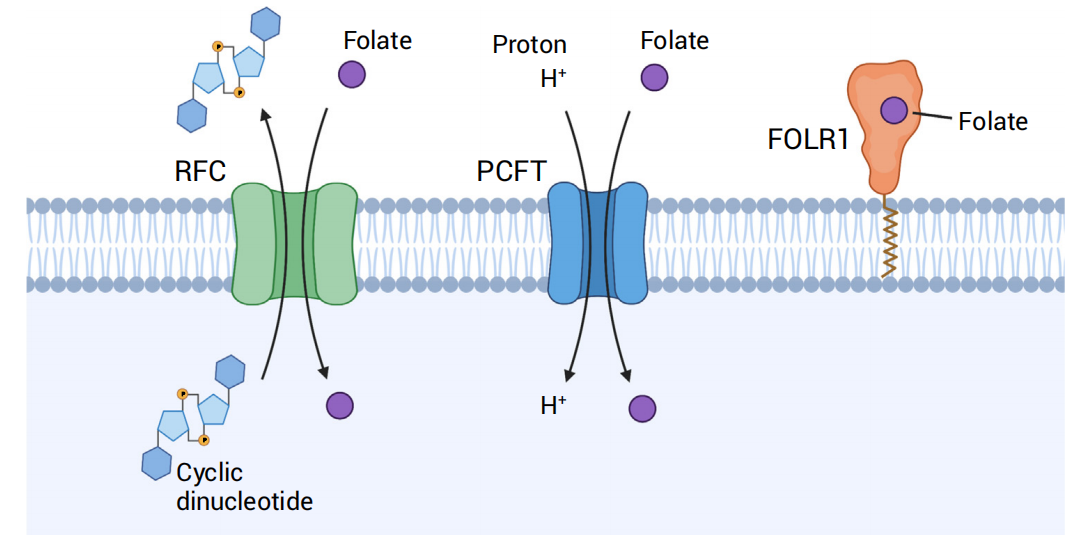
FOLR1 (Folate Receptor Alpha): A Promising Target for Cancer Therapy with a Bright Future
2025-03-20FOLR1, also known as folate receptor alpha, is a glycoprotein widely expressed on the surface of human cells. It primarily facilitates the transport and metabolism of folate within cells, playing a critical role in cell growth and division. However, in various cancer cells, the expression level of FOLR1 is frequently aberrantly elevated, rendering it a potential therapeutic target for cancer treatment.
View details
- Cancer
- FOLR1
- cancer treatment
- 1

Link:





©2021-2026 all rights reserved UA Biotechnology Co.,Ltd.
Privacy Policy 
网站备案号 浙ICP备2022019033号-2 浙公网安备33010202004867号
 Business license (three certificates in one)
 Tel:+86-25-56221161
E-mail:order@ua-bio.com
All products sold on this website shall not be used for clinical diagnosis or treatment of humans or animals, and shall only be used for non-medical purposes such as industrial or scientific research.
