Technical Articles
cell apoptosis
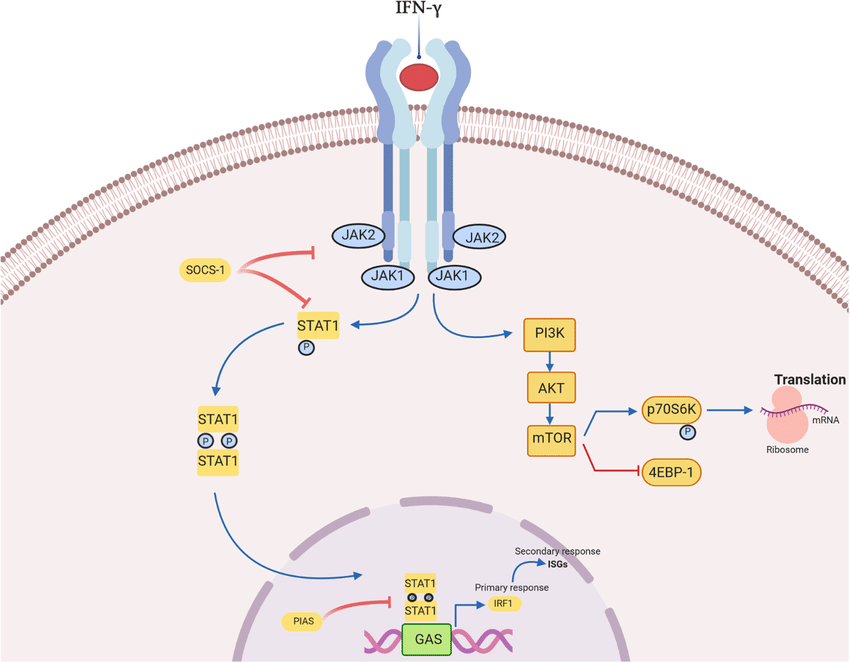
Annexin V-FITC/7-AAD Apoptosis Detection Kit: Standard dual-staining protocol for quantitative analysis of apoptosis and necrosis by flow cytometry
 2026-01-04
The Annexin V-FITC/7-AAD Apoptosis Detection Kit is a classic method based on flow cytometry for quantitatively distinguishing and detecting live cells, early apoptotic cells, late apoptotic cells, and necrotic cells.
View details
- Cancer
- Annexin V-FITC/7-AAD
- cell apoptosis
- detection kit
- flow cytometry.

Unveiling the Life and Death of Cells: How Caspase-3/7 Assay Kits Illuminate the Pathway of Apoptosis
2025-11-18In the fields of life sciences and medical research, understanding why and how cells die is just as important as understanding how they survive. Among these processes, apoptosis is a highly programmed and precisely regulated cellular "suicide" mechanism. In this cascade of cellular self-destruction, Caspase-3 and Caspase-7 are regarded as the key "executioners." The Caspase-3/7 assay kit serves as a "molecular probe" for scientists to accurately capture this critical step.
View details
- Metabolism
- Cell apoptosis
- detection kit
- cell experiments
- UA Protein
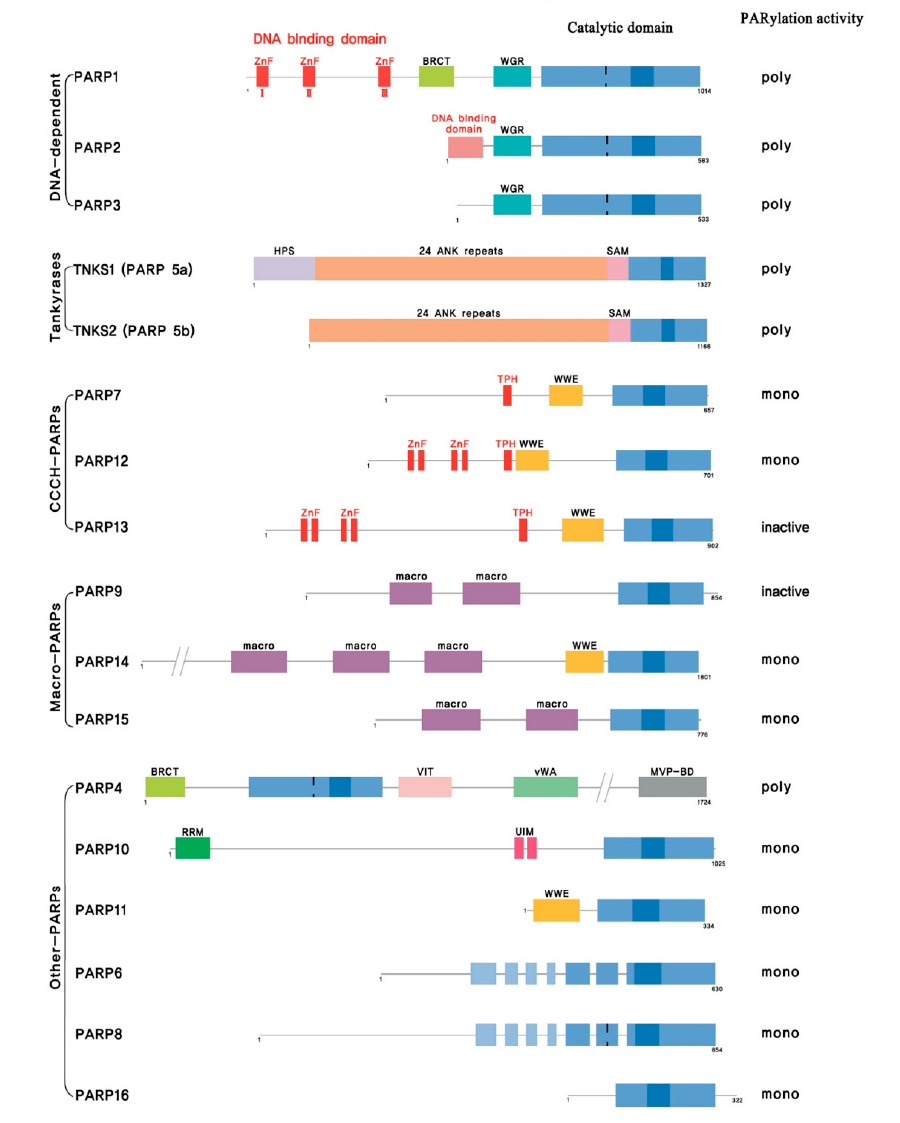
DNA Repair Enzymes PARPs: A Comprehensive Analysis from Molecular Mechanisms to Clinical Applications
2025-03-21In the intricate world of cells, DNA repair enzymes known as PARPs (Poly ADP-Ribose Polymerases) play a pivotal role. These enzymes are not only critical participants in DNA damage repair but also exert significant functions in processes such as apoptosis, gene transcription, and DNA synthesis. This article delves into the functions, mechanisms of action, and biomedical applications of DNA repair enzyme PARPs.
View details
- Drug Research
- DNA repair enzymes PARPs
- cell apoptosis
- gene transcription
- 1

Link:





©2021-2026 all rights reserved UNIV Biotechnology Co.,Ltd.
Privacy Policy
网站备案号 苏ICP备2025207586号-2 浙公网安备33010202004867号
 Business license (three certificates in one)
 Tel:+86-25-56221161
E-mail:order@ua-bio.com
All products sold on this website shall not be used for clinical diagnosis or treatment of humans or animals, and shall only be used for non-medical purposes such as industrial or scientific research.