




Technical Articles
immune
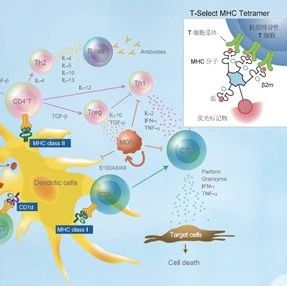
Exploring MHC IIb tetramer technology: unlocking new dimensions of non classical CD4 ⁺ T cell immune response
 2025-08-25
The MHC IIb molecule belongs to the non classical MHC class II subtype, and its gene localization, protein structure, and antigen presentation mechanism differ significantly from the classical MHC IIa molecule. These types of molecules (such as H2-O and H2-M in mice and HLA-DM and HLA-DO in humans) do not directly participate in the exogenous presentation of antigen peptides, but indirectly affect the activation and immune response intensity of CD4 ⁺ T cells by regulating the peptide loading, editing, and exchange processes of classical MHC-II molecules.
View details
- Immunity/Inflamma
- MHC IIb tetramer technology
- CD4 ⁺ T cells
- immune
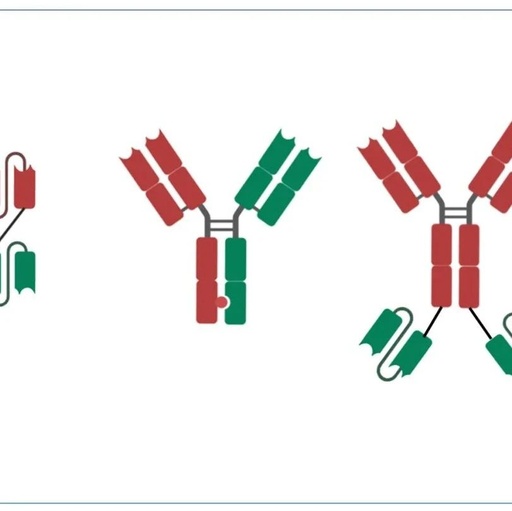
Exploring MHC IIa tetramer technology: how to reveal the immune secrets of CD4 ⁺ T cells
2025-08-25MHC IIa molecules are a classic subtype of the major histocompatibility complex class II, primarily expressed on the surface of specialized antigen-presenting cells such as dendritic cells and B cells. Unlike MHC-I, which is primarily responsible for endogenous antigen presentation, MHC-IIa specifically presents exogenous antigen peptides to CD4 ⁺ T helper cells to initiate and regulate adaptive immune responses.
View details
- Immunity/Inflamma
- MHC IIa tetramer technology
- CD4 ⁺ T cells
- immune
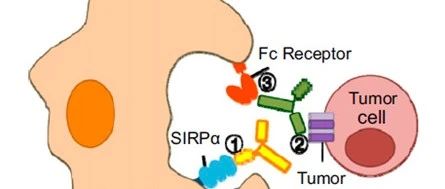
SHPS1 targeting: a differentiated new pathway for CD47 axis tumor immunotherapy
2025-08-15Since the innovation of PD-1/PD-L1 inhibitors in tumor treatment, the search for innate immune regulatory targets has become a key direction to overcome the limitations of existing therapies. The CD47 signaling regulatory protein alpha (SIRP alpha, also known as SHPS1) axis is considered a potential target in the field of tumor immunity due to its regulation of the "self recognition" function of innate immune cells such as macrophages.
View details
- Cancer
- SHPS1
- CD47 axis
- tumor
- immune
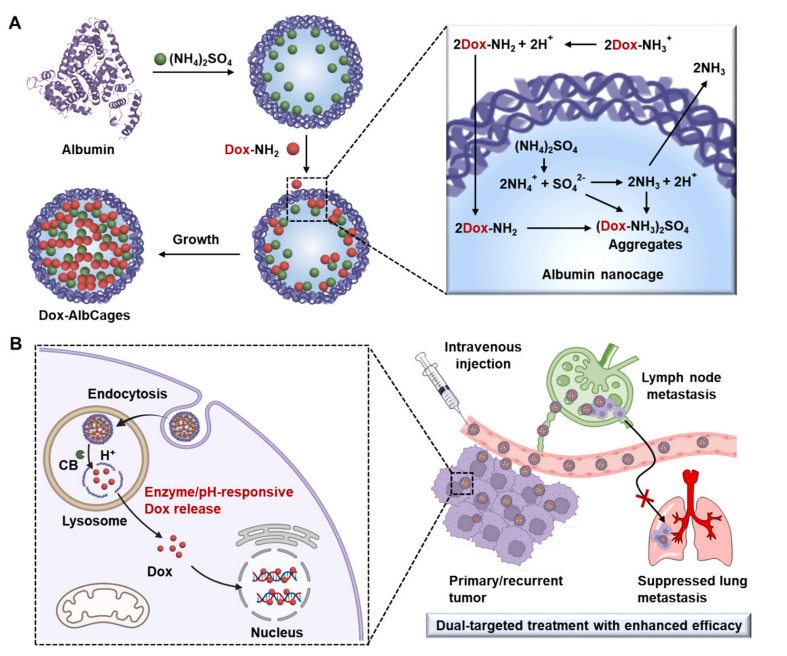
Multidimensional Functions and Research Progress of MFR Protein
2025-04-17MFR protein (Macrophage Fusion Receptor), a transmembrane protein playing a crucial role in the immune system, exhibits significant differences in structural features and functional mechanisms between animals and plants. In animals, MFR protein (also known as SIRPα, CD172a) is composed of multiple subunits. Its extracellular segment contains immunoglobulin-like domains, while its intracellular segment contains immunoreceptor tyrosine-based inhibitory motifs (ITIMs).
View details
- Immunity/Inflamma
- MFR protein
- immune
- 1

Link:





©2021-2026 all rights reserved UA Biotechnology Co.,Ltd.
Privacy Policy 
网站备案号 浙ICP备2022019033号-2 浙公网安备33010202004867号
 Business license (three certificates in one)
 Tel:+86-25-56221161
E-mail:order@ua-bio.com
All products sold on this website shall not be used for clinical diagnosis or treatment of humans or animals, and shall only be used for non-medical purposes such as industrial or scientific research.
