




Technical Articles
inflammation
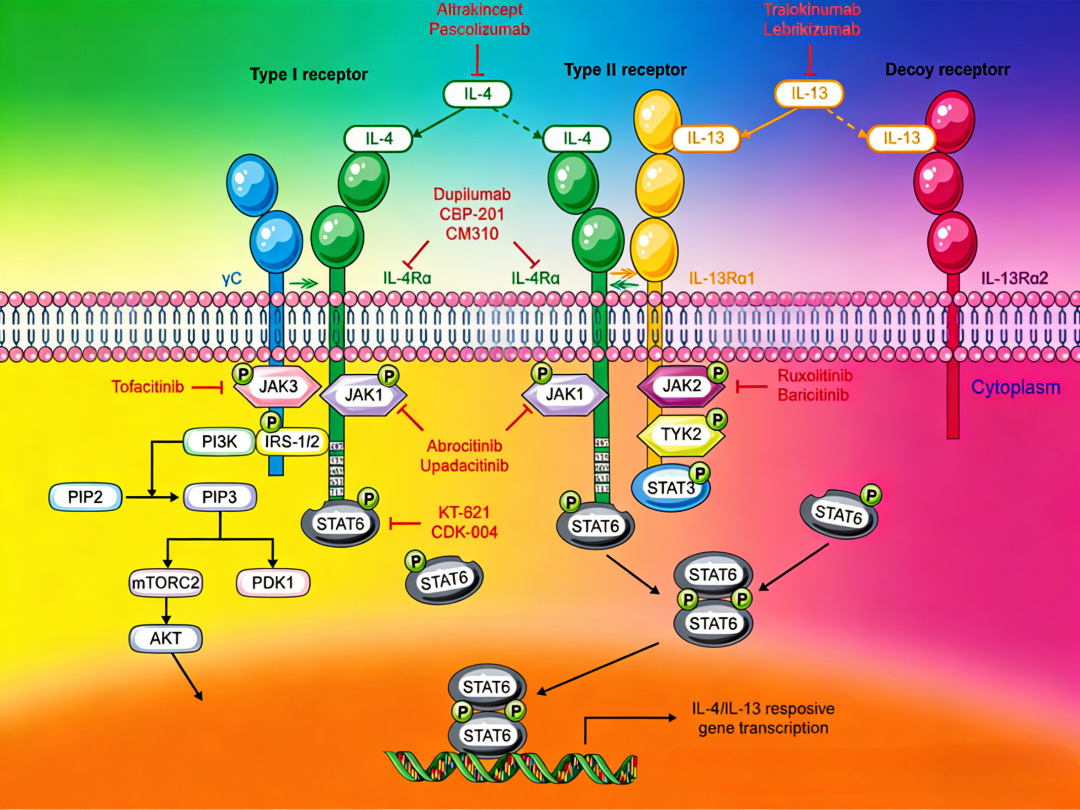
Targeting the IL-4/IL-13 signaling pathway in chronic rhinosinusitis with nasal polyps: mechanisms and therapeutic advances
 2026-01-28
Chronic rhinosinusitis with nasal polyps (CRSwNP) is an upper respiratory disease characterized by chronic inflammation of the sinus mucosa and the formation of polyps.
View details
- Signaling Pathway
- IL-13 protein
- Chronic rhinosinusitis with nasal polyps
- Inflammation

STAT6 Protein: The "Command Center" of Immune Response and a Novel Therapeutic Target for Th2-Related Diseases
2025-12-02Signal transducer and activator of transcription 6 is a key member of the JAK-STAT signaling pathway family, serving as a central effector for interleukin-4 and interleukin-13 signaling, and plays a decisive role in allergic responses, parasitic immunity, and shaping specific tumor microenvironments.
View details
- Cancer
- STAT6
- Interleukins
- PROTAC
- Inflammation
- Immune Response
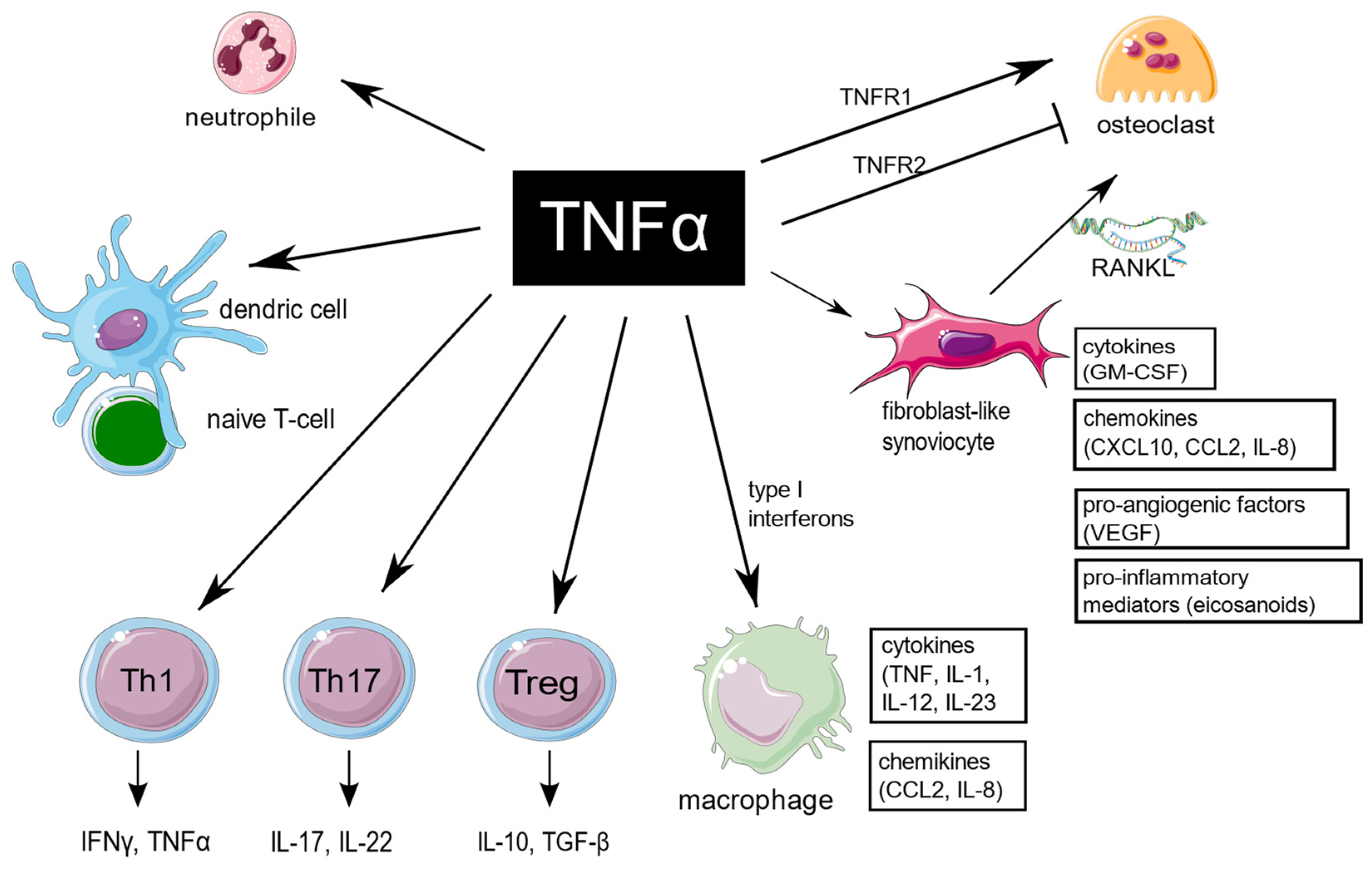
TNF-α: The "Core Commander" of the Inflammatory World and a Revolutionary Target for Disease Treatment
2025-11-23The full name of TNF-α is tumor necrosis factor-α, primarily produced by activated immune cells such as macrophages and T cells. As a pleiotropic cytokine, it plays a dual role in the human body: both as a defender against infections and as a promoter of tissue damage.
View details
- Cancer
- TNF-α
- Inflammation
- T cells
- Pleiotropic cytokine.
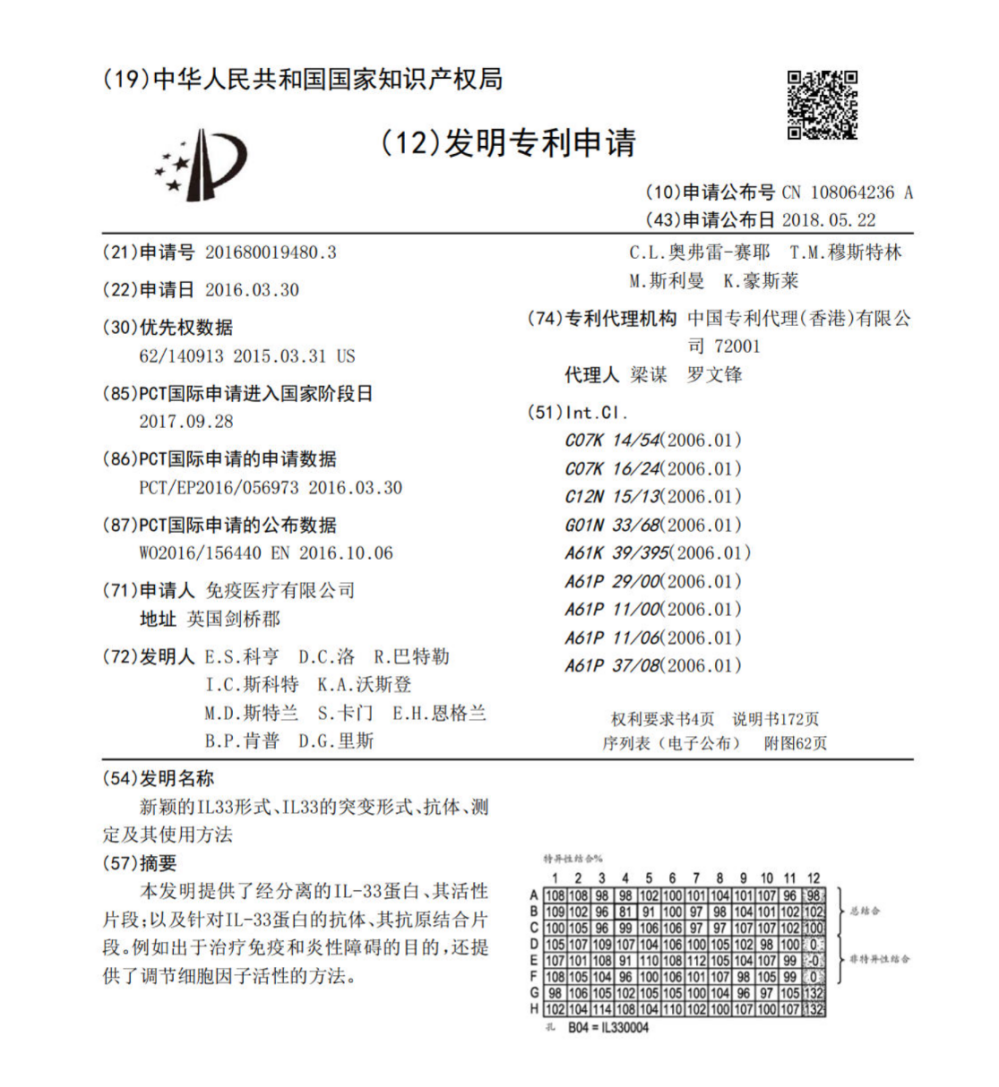
Rewriting the Rules: Harnessing IL-33 with Novel Antibodies to Treat Inflammation
2025-10-21Interleukin-33 (IL-33) is a key "alarmin" cytokine that plays a central role in immune defense and tissue homeostasis.
View details
- Immunity/Inflamma
- IL-33
- antibodies
- inflammation
- patents
- and cytokines.

The role of GM-CSF in immune, inflammatory, and therapeutic applications
2025-08-27Granulocyte macrophage colony-stimulating factor (GM-CSF) is a glycoprotein initially identified as a hematopoietic growth factor that promotes the differentiation of bone marrow progenitor cells into granulocytes and macrophages. With the deepening of research, it has been found that its biological function goes far beyond hematopoietic function.
View details
- Immunity/Inflamma
- GM-CSF
- Immunity
- Inflammation
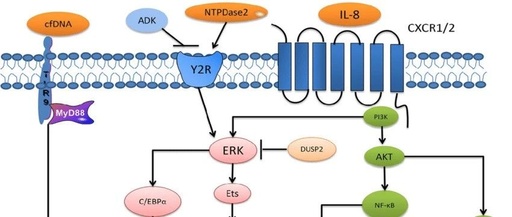
Molecular characteristics of IL-8 and its research progress in inflammation related diseases
2025-07-17 文档 图片 88/1000 实时翻译 文档图片88/1000实时翻译划译在复杂的炎症调节网络中,白细胞介素-8(IL-8)作为CXC趋化因子家族的重要成员,通过特异性趋化中性粒细胞参与炎症反应,在宿主防御和炎症性疾病的发生发展中起着核心作用。 划译 In the complex inflammatory regulatory network, interleukin-8 (IL-8), as an important member of the CXC chemokine family, participates in the inflammatory response by specifically chemotactic neutrophils and plays a central role in host defense and the occurrence and development of inflammatory diseases.
View details
- Immunity/Inflamma
- IL-8
- inflammation
The pathological role and targeted therapy research progress of IL-6 signaling pathway in immune inflammatory skin diseases
2025-07-16Interleukin-6 (IL-6) is a multifunctional cytokine composed of 174 amino acids, with a molecular weight of approximately 21-28 kDa, and is a typical representative of the IL-6 family of cytokines.
View details
- Immunity/Inflamma
- IL-6
- Immunity
- inflammation
- skin diseases
Dual Roles of Interleukin-1β in Tumor Immune Regulation and Its Therapeutic Potential
2025-07-14In the field of tumor immunology, the complex regulatory network of inflammation and immune response has always been a research hotspot. Interleukin-1 β (IL-1 β), as a key pro-inflammatory cytokine, plays a "double agent" role in the interaction between the immune system and the tumor microenvironment. On the one hand, IL-1 β activates anti-tumor immune mechanisms by inducing acute inflammatory responses, directly or indirectly killing cancer cells; On the other hand, under specific conditions, it may accelerate tumor progression by promoting angiogenesis, tumor cell proliferation, and other pathways. The duality of this function makes it a highly controversial and promising target in tumor immunotherapy research.
View details
- Immunity/Inflamma
- IL-1β
- Inflammation
- immune response
- 1

Link:





©2021-2026 all rights reserved UA Biotechnology Co.,Ltd.
Privacy Policy 
网站备案号 浙ICP备2022019033号-2 浙公网安备33010202004867号
 Business license (three certificates in one)
 Tel:+86-25-56221161
E-mail:order@ua-bio.com
All products sold on this website shall not be used for clinical diagnosis or treatment of humans or animals, and shall only be used for non-medical purposes such as industrial or scientific research.
