




Technical Articles
kinase
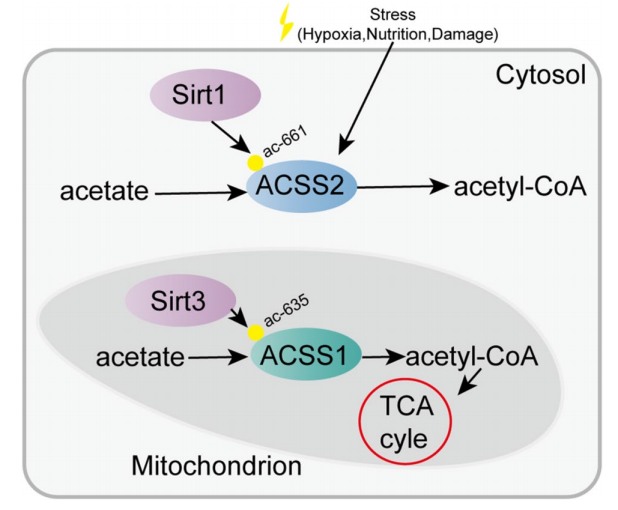
Exploring the CDK2 Target: Unveiling New Horizons in Cell Cycle Regulation and Disease Treatment
 2026-05-18
CDK2 binds to different cyclins (such as Cyclin E and Cyclin A) to form active complexes that drive the transition of key cell cycle checkpoints. During the transition from G1 phase to S phase, the CDK2-Cyclin E complex plays a critical role. It phosphorylates a series of substrates, such as the retinoblastoma protein (Rb), releasing the transcription factor E2F, thereby initiating the transcription of DNA replication-related genes and promoting the cell's entry into S phase for DNA synthesis.
View details
- Cancer
- CDK2
- UA Bio Protein
- Kinase
- Cell Cycle
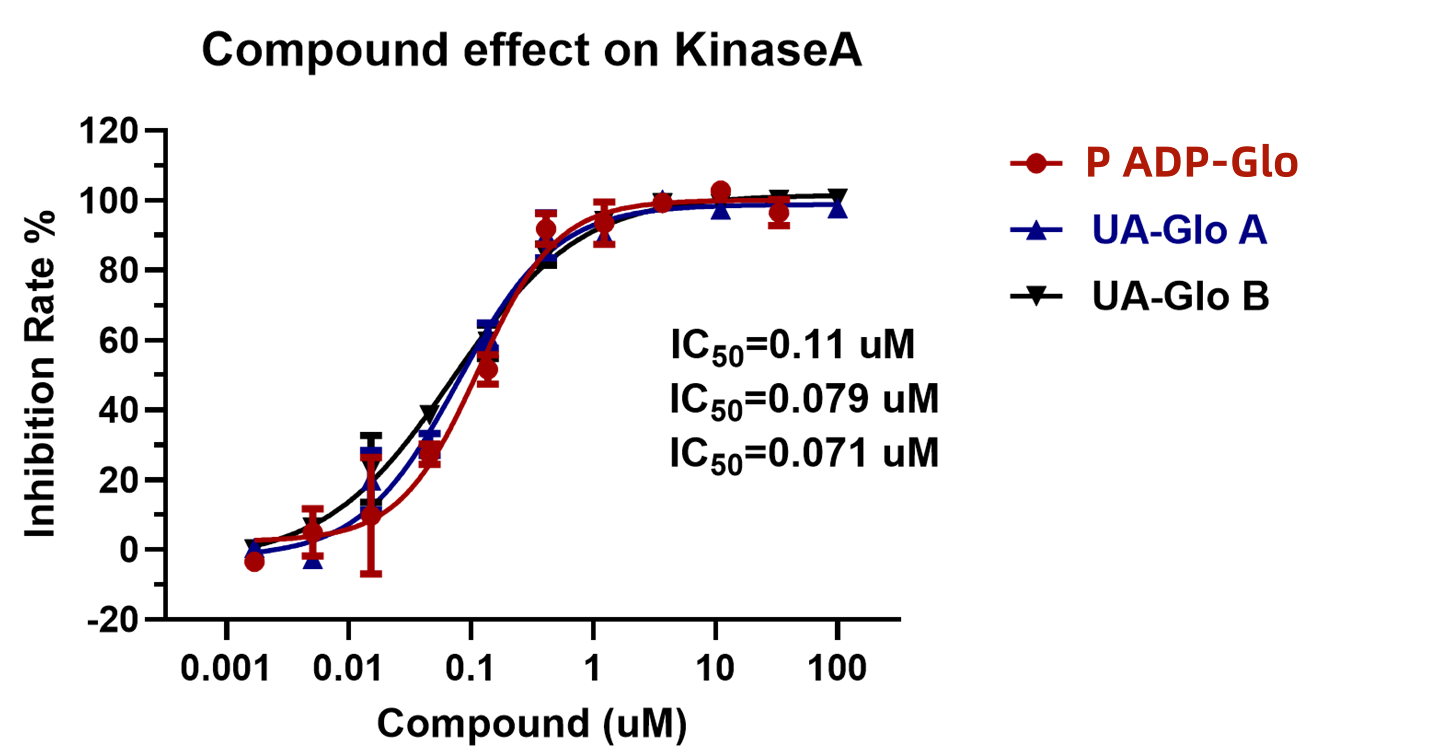
Technical Analysis of Kinase ADP Assay Kit
2026-03-11Kinases play a central role in cellular signal transduction, metabolic regulation, and the development of various diseases. Research on the regulatory mechanisms of kinase activity and the screening of inhibitors are key aspects of modern drug development.
View details
- Metabolism
- Kinase
- Signal transduction
- Metabolic regulation
- Drug discovery
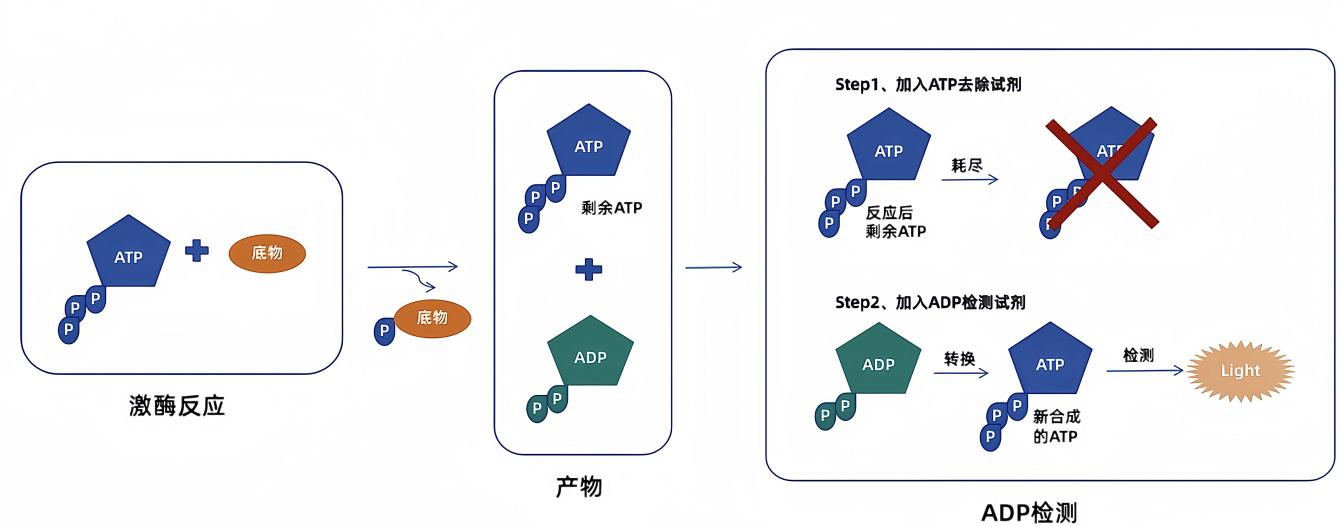
"Universal Key" for Kinase Assays! ADP-Glo™ Kinase Assay, the Gold Standard in Homogeneous Luminescent Technology for High-Throughput Screening
2025-11-19In the field of biomedical research, kinases, as key regulators of cellular signal transduction, play a critical role in fundamental biomedical research, drug development, and clinical translation by detecting their activity.
View details
- Signaling Pathway
- Kinase
- ADP-Glo Kinase Assay
- High-throughput screening
- Activity detection
- UA Protein
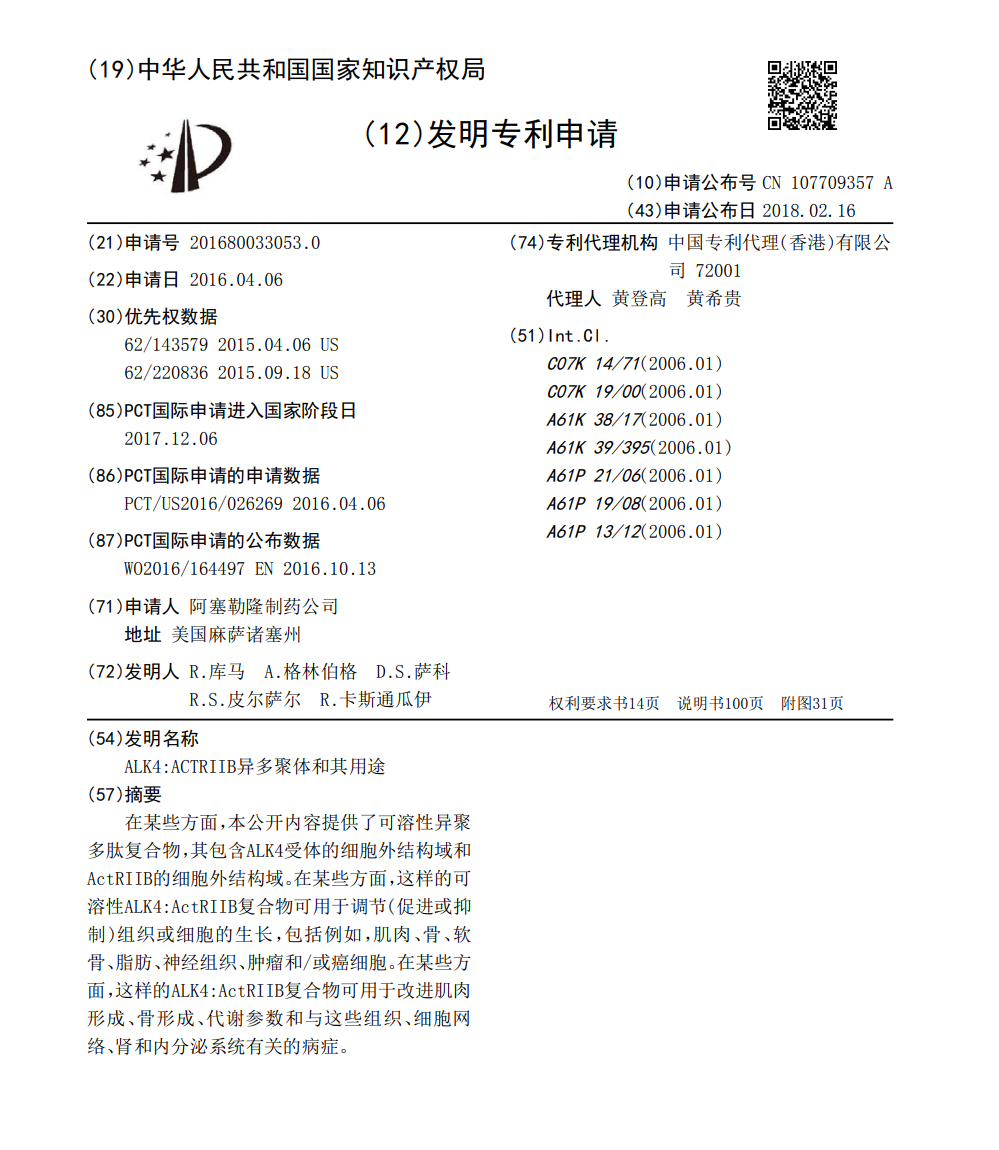
ALK4:ActRIIB heterodimer signaling axis, its cooperative inhibition mechanism, and its application in ligand-selective trapping.
2025-10-21ALK4 and ActRIIB are a functionally coupled pair of type I and type II transmembrane serine/threonine kinase receptors within the transforming growth factor-beta (TGF-β) superfamily signaling pathway. ActRIIB, as the type II receptor, features an extracellular domain that binds with high affinity to various ligands, including activin, GDF8 (myostatin), and GDF11, and possesses constitutive kinase activity. In contrast, ALK4, as the type I receptor, is strictly dependent on the type II receptor for its activation. Together, in the presence of ligand, they form a stable heterotetrameric signal transduction complex.
View details
- Signaling Pathway
- ALK4
- ActRIIB
- ActRIIA
- kinase
- and TGF-β.
- 1

Link:





©2021-2026 all rights reserved UA Biotechnology Co.,Ltd.
Privacy Policy 
网站备案号 浙ICP备2022019033号-2 浙公网安备33010202004867号
 Business license (three certificates in one)
 Tel:+86-25-56221161
E-mail:order@ua-bio.com
All products sold on this website shall not be used for clinical diagnosis or treatment of humans or animals, and shall only be used for non-medical purposes such as industrial or scientific research.
