Technical Articles
lung cancer
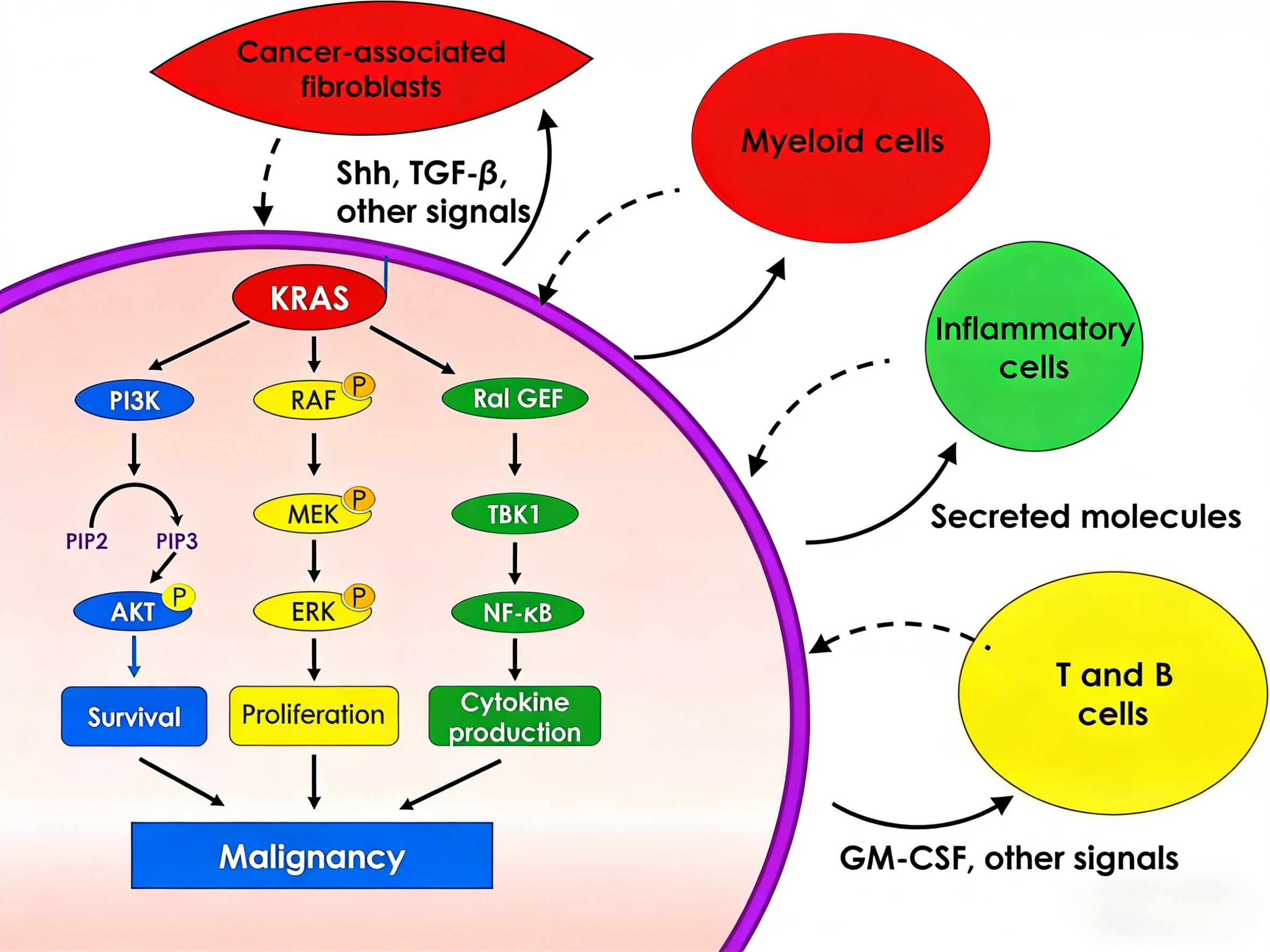
Advances in KRAS Target Research and Therapeutic Breakthroughs
 2026-03-06
The KRAS gene is one of the most common oncogenes in human cancers, frequently mutated in various solid tumors such as pancreatic cancer, colorectal cancer, and lung cancer.
View details
- Cancer
- KRAS gene
- KRAS G12D
- Pancreatic cancer
- Lung cancer
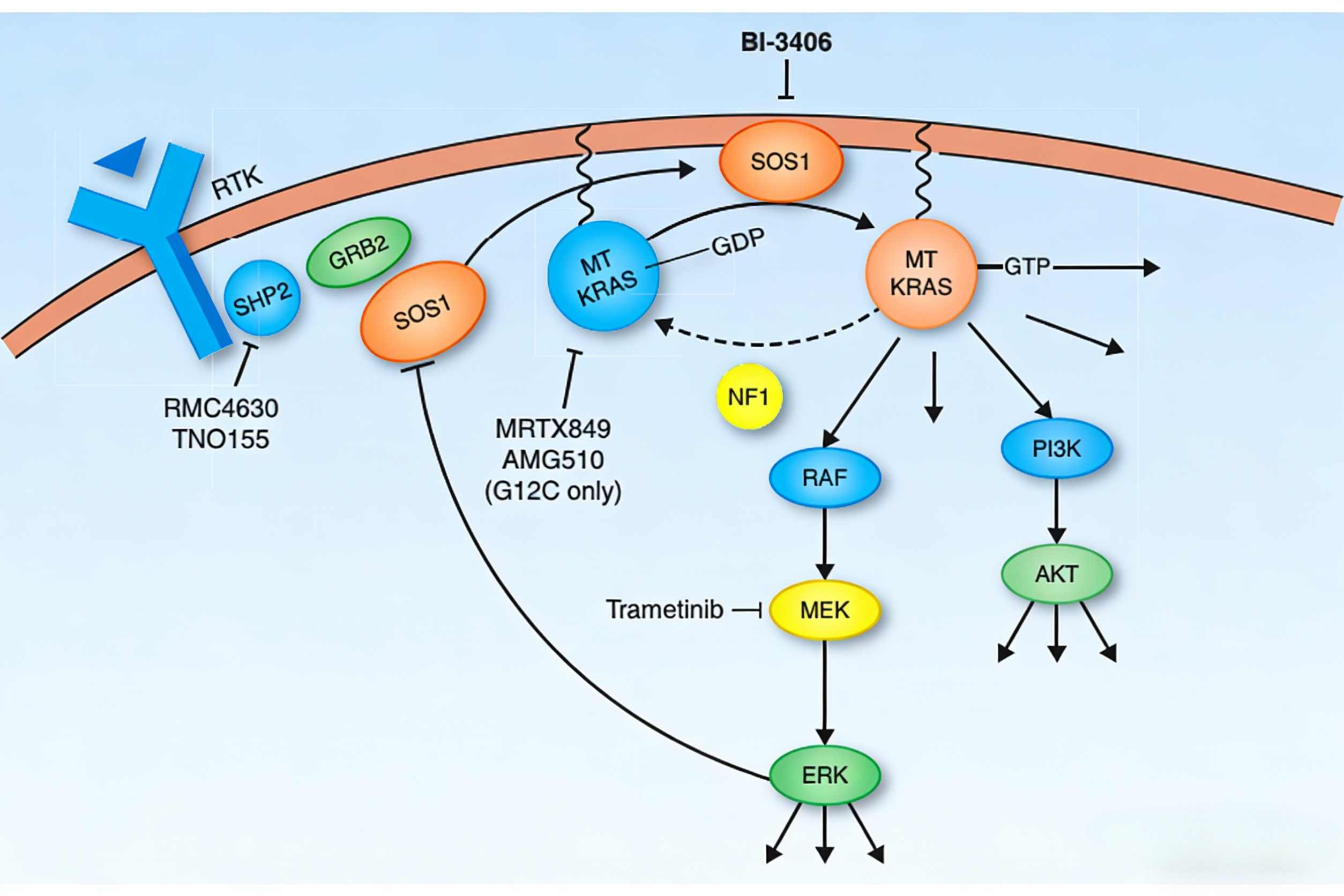
Application of KRAS G12V & SOS1 Binding Assay Kit in T Cell Recognition Mechanism Research
2026-03-04The KRAS G12V mutation is one of the most common driver mutations in refractory tumors such as pancreatic cancer and lung cancer. Due to the intracellular localization of the KRAS protein, traditional antibody drugs struggle to directly target it, making this target a long-standing therapeutic challenge.
View details
- Drug Research
- KRAS G12V & SOS1 Binding Kit (GDP load)
- Pancreatic cancer
- Lung cancer

Mouse Lung Organoids: Model Construction, Disease Research, and Application Prospects
2025-12-12Mouse Lung Organoids, as an emerging three-dimensional in vitro model system, are becoming an important tool for respiratory disease research and drug screening.
View details
- Cancer
- Mouse lung organoids
- 3D culture
- disease modeling
- lung cancer
- cystic fibrosis (CF).
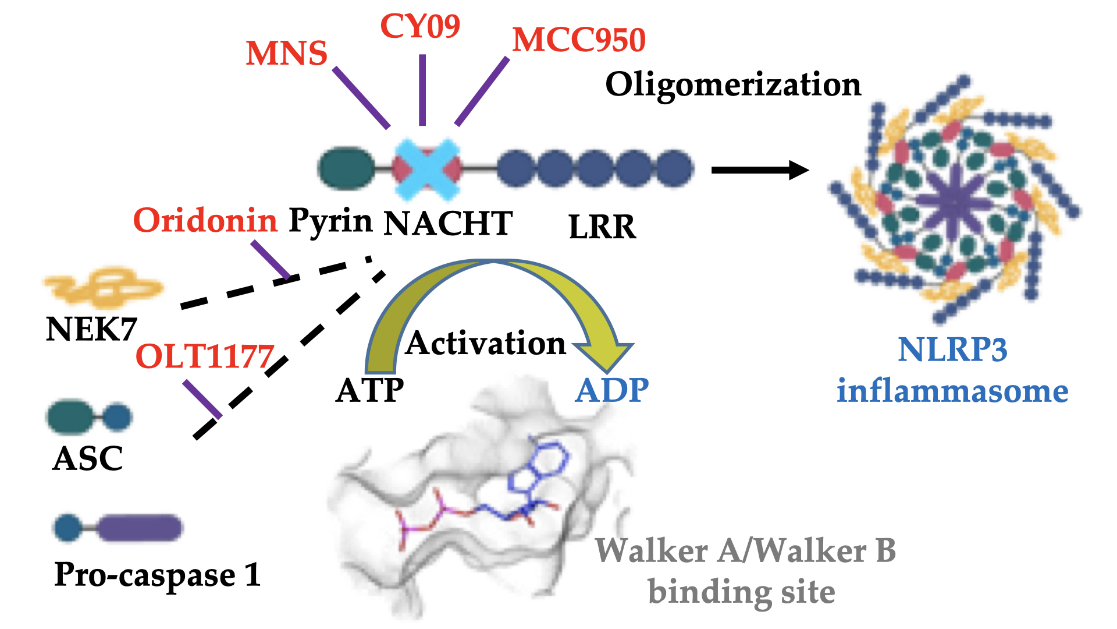
PE-Labeled CEACAM-5/CD66e Fc&Avi Tag Protein: An Innovative Tool for Illuminating Precision Diagnosis and Treatment of Epithelial-Derived Tumors
2025-11-26PE-Labeled CEACAM-5/CD66e Fc&Avi Tag Protein is a high-performance fluorescently labeled fusion protein that plays a significant role in the research and therapeutic development of various epithelial-derived tumors, including colorectal cancer, gastric cancer, and lung cancer.
View details
- Cancer
- Epithelial-derived tumors
- Gastric cancer
- Lung cancer
- PE-Labeled CEACAM-5/CD66e Fc & Avi Tag

Biological characteristics and clinical significance of NRG1 fusion as a novel target for lung cancer
2025-07-25Neuroregulatory protein 1 (NRG1) fusion, as a rare oncogenic driving mechanism, has received widespread attention in research on non-small cell lung cancer (NSCLC) in recent years. NRG1 fusion promotes tumor occurrence and development by abnormally activating the epidermal growth factor receptor (EGFR) family signaling pathway, providing a new direction for precision treatment of lung cancer
View details
- Cancer
- NRG1
- lung cancer
- 1

Link:





©2021-2026 all rights reserved UNIV Biotechnology Co.,Ltd.
Privacy Policy
网站备案号 苏ICP备2025207586号-2 浙公网安备33010202004867号
 Business license (three certificates in one)
 Tel:+86-25-56221161
E-mail:order@ua-bio.com
All products sold on this website shall not be used for clinical diagnosis or treatment of humans or animals, and shall only be used for non-medical purposes such as industrial or scientific research.