




Product Application
cytokine
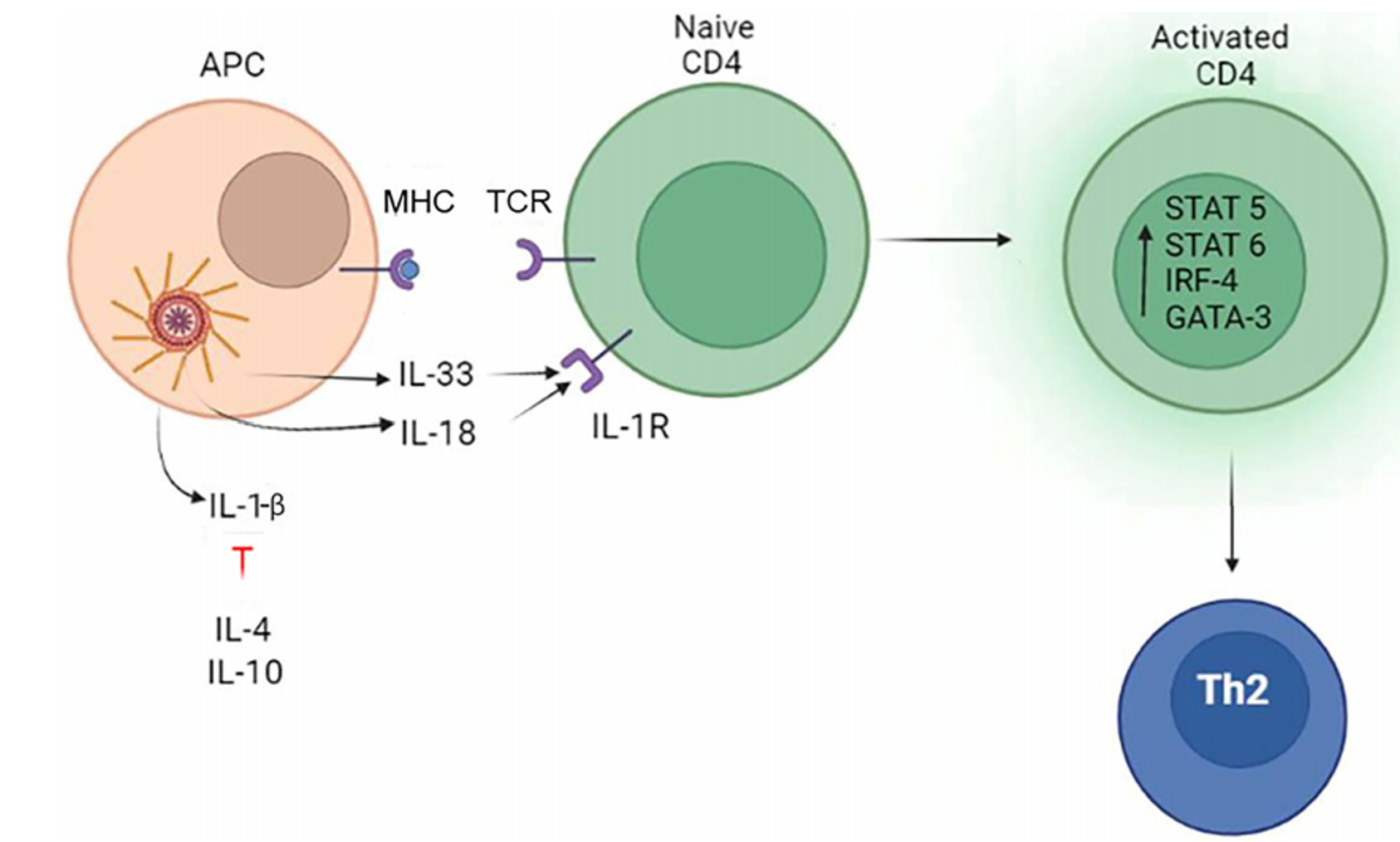
Th2 Cell Polarization: A Comprehensive Analysis from Basic Mechanisms to In Vitro Experimental Protocols
 2026-07-13
Helper T cell 2 (Th2) is a crucial functional subset of CD4⁺ T cells, playing a central role in humoral immune responses, allergic reactions, and anti-parasitic infections. Naive CD4⁺ T cells (Th0) can differentiate into Th2 cells under the guidance of specific cytokine signals, a process known as "Th2 polarization." Whether studying allergic diseases such as asthma and atopic dermatitis, exploring anti-parasitic immune mechanisms, or developing novel immunotherapies, mastering in vitro Th2 cell polarization techniques is essential.
View details
- Th2 Polarization
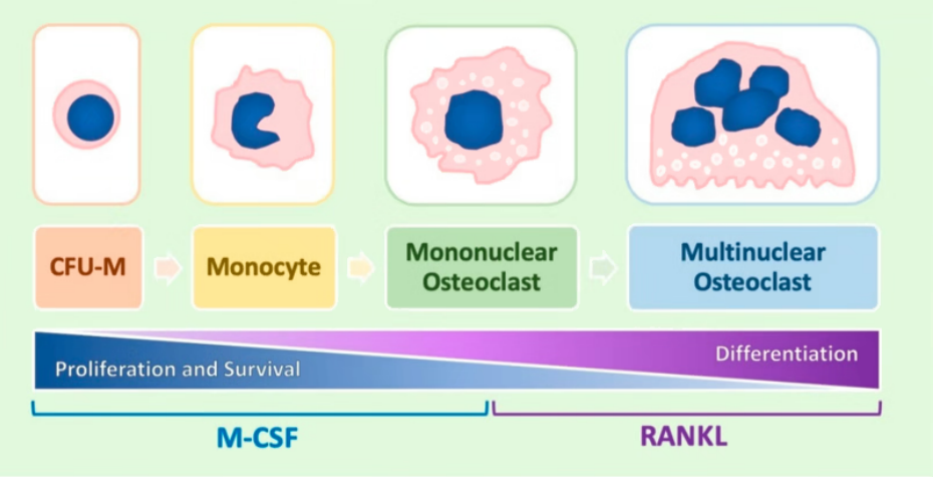
New Product Launch|Human Monocyte-Induced Osteoclast Differentiation Cytokine Kit, Efficient Osteoclast Induction!
2026-05-20U-Ai Biotech proudly introduces the Human Monocyte-Induced Osteoclast Differentiation Cytokine Kit, meticulously equipped with the two core factors M-CSF and RANKL. Featuring standardized ratios and high activity, it ensures accelerated and efficient osteoclast induction!
View details
- Human monocyte-induced osteoclast differentiation
- cytokines
- UA Bio proteins
- M-CSF
- RANKL
- osteoclast differentiation mechanism
- bone remodeling regulation
- pathological mechanism of bone metabolic diseases
- anti-resorptive drugs
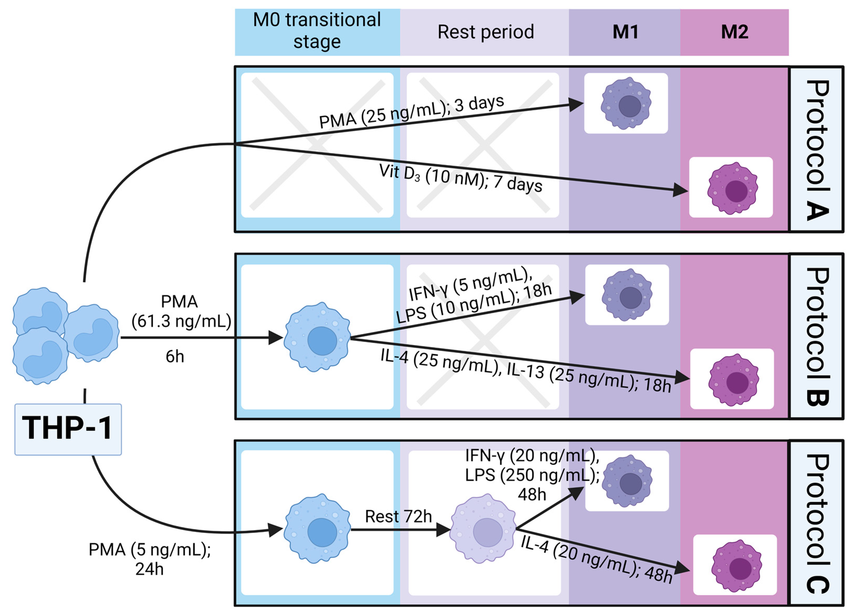
THP-1 Polarization Practical Guide: From M0 to M1/M2, Step-by-Step Tips to Avoid Pitfalls!
2026-03-12In immunology, research on inflammatory mechanisms, and drug screening, the functional state of macrophages is one of the key research focuses. The human THP-1 cell line, due to its stable origin and consistent genetic background, is widely used in vitro studies of monocyte-macrophage polarization. However, how to efficiently and stably induce THP-1 cells into M1-type (classically activated) or M2-type (alternatively activated) macrophages remains critical for experimental success.
View details
- THP‑1 polarization
- polarization factor
Osteoclast Differentiation in RAW264.7 and BMMs: Principles and Application Guide
2026-01-29Osteoclasts (OCs) are the only multinucleated giant cells in bone tissue capable of bone resorption, and their abnormal differentiation and function are closely associated with various diseases such as osteoporosis, rheumatoid arthritis, and bone tumors. Establishing a stable and efficient in vitro induction model for osteoclast differentiation is fundamental to bone metabolism research.
View details
- Mouse Raw264.7
- BMMs osteoclast differentiation
- osteoclast
- cytokines
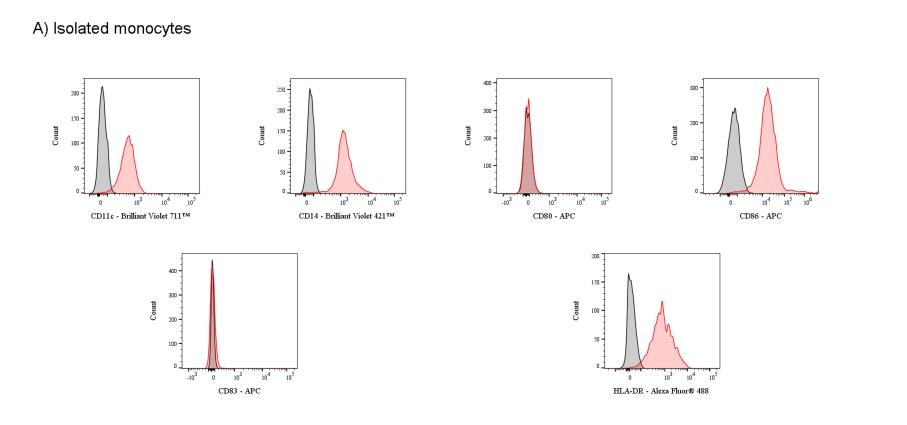
One-click unlocking of the MO-DC efficient induction protocol
2026-01-22In tumor immunology, vaccine development, and autoimmune disease research, the importance of dendritic cells (DCs) as the "immune commanders" is self-evident.
View details
- Tumor Immunity
- Dendritic Cells
- Autoimmunity
- Cytokines
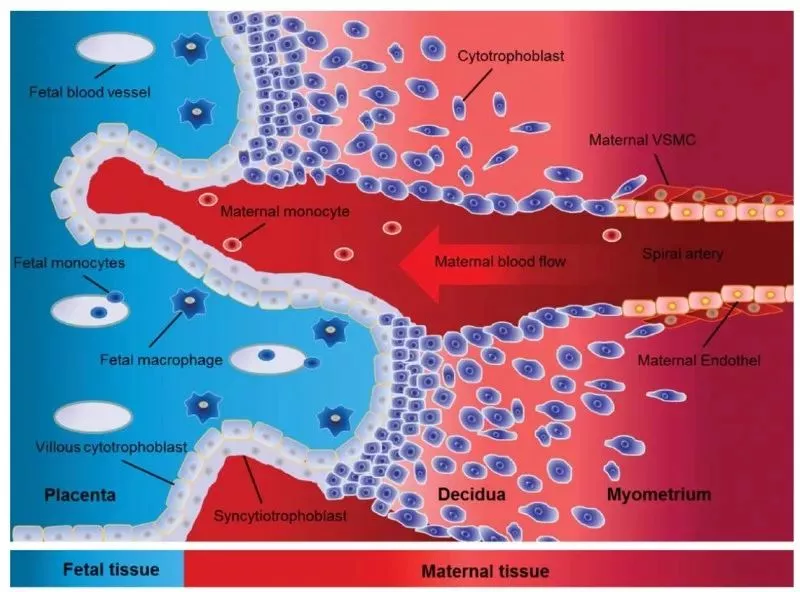
CD74: Unveiling the mysterious link between placental macrophages and preeclampsia
2025-05-14During pregnancy, the harmonious coexistence between mother and fetus is the key to maintaining a healthy pregnancy. However, there is a disease that often breaks this balance and poses a serious threat to pregnant women and fetuses, and that is preeclampsia (PE).
View details
- CD74
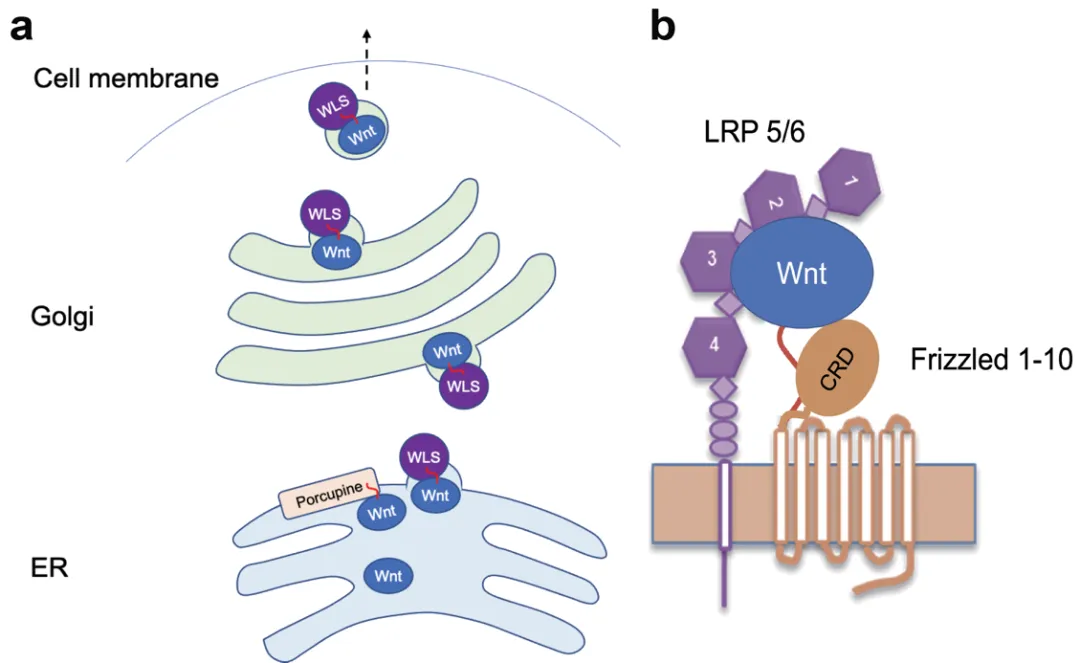
Unlocking the "key" of cell signaling: the secret of Wnt protein and cancer
2025-04-29Wnt protein is an important class of signaling molecules that play an indispensable role in cell growth, differentiation, migration and tissue homeostasis maintenance.
View details
- Wnt protein
- Cell Signaling
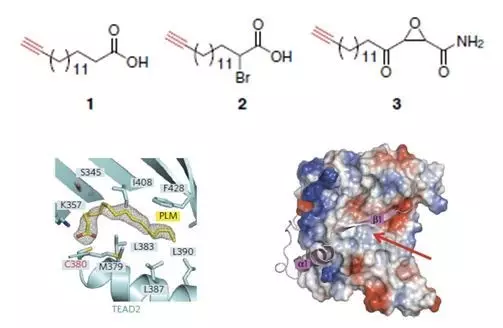
Exploring the "regulatory code" in cells: the palmitoylation of TEAD proteins and the mystery of cancer
2025-04-29the palmitoylation of TEAD proteins is a very important regulatory mechanism in cells. It not only affects the normal function of the Hippo pathway, but also has a close relationship with the occurrence of cancer.
View details
- TEAD
- Hippo
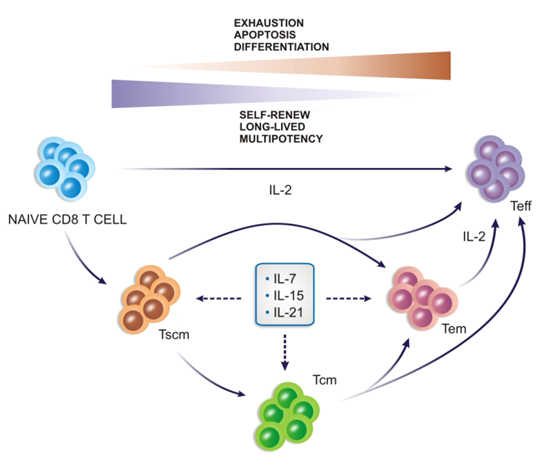
The Synergistic Magic of Cytokines in CAR-T Cell Cultivation
2025-03-21Chimeric Antigen Receptor T-Cell (CAR-T) therapy represents a revolutionary approach in cancer treatment, involving the engineering of a patient's own T cells to recognize and attack cancer cells. Although CAR-T therapy has demonstrated remarkable efficacy in treating certain hematologic malignancies, its application in solid tumors remains fraught with numerous challenges. Cytokines play a pivotal role in the expansion, survival, and functional modulation of CAR-T cells.
View details
- CAR-T
- cytokine

Colony-Stimulating Factors (CSFs): The Conductor of Cell Proliferation and Differentiation
2025-03-20Colony-Stimulating Factors (CSFs) are a class of proteins that play a crucial role in biological systems. Their primary function is to stimulate and regulate the proliferation and differentiation of hematopoietic progenitor cells, thereby contributing to the process of hematopoiesis.
View details
- Colony stimulating factor (CSF)
- cell proliferation
- differentiation
- 1
- 2

Link:





©2021-2026 all rights reserved UA Biotechnology Co.,Ltd.
Privacy Policy 
网站备案号 浙ICP备2022019033号-2 浙公网安备33010202004867号
 Business license (three certificates in one)
 Tel:+86-25-56221161
E-mail:order@ua-bio.com
All products sold on this website shall not be used for clinical diagnosis or treatment of humans or animals, and shall only be used for non-medical purposes such as industrial or scientific research.
