




MPK5 Protein: Molecular Hub of Plant Stress Responses and Agricultural Application Exploration


As a core member of the MAPK signaling pathway, MPK5 (Mitogen-Activated Protein Kinase 5) functions as a critical "molecular switch" in plant growth, development, and stress responses. Since its identification in the rice genome, researchers have gradually unveiled its pivotal role in signal transduction networks. This article systematically elucidates the biological characteristics and translational value of MPK5 protein through four dimensions: molecular structure, functional mechanisms, research progress, and agricultural applications.
- Recent Advances
- Product Information
MPK5 Protein
As a core member of the MAPK signaling pathway, MPK5 (Mitogen-Activated Protein Kinase 5) functions as a critical "molecular switch" in plant growth, development, and stress responses. Since its identification in the rice genome, researchers have gradually unveiled its pivotal role in signal transduction networks. This article systematically elucidates the biological characteristics and translational value of MPK5 protein through four dimensions: molecular structure, functional mechanisms, research progress, and agricultural applications.
I. Molecular Structure Analysis: From Conserved Domains to Phosphorylation Regulation
MPK5 belongs to the evolutionarily conserved MAPK family, featuring three characteristic functional domains (Figure 1):
- N-terminal kinase domain: Comprising 12 substructures, including the ATP-binding pocket (GXGXXG motif) and catalytic residue Lys-61.
- Linker region: Contains the dual phosphorylation motif TEY (Thr-14-Glu-Tyr-16), responsible for activating signal transmission.
- C-terminal regulatory domain: Possesses nuclear localization signals (NLS) and protein interaction motifs, mediating substrate recognition.
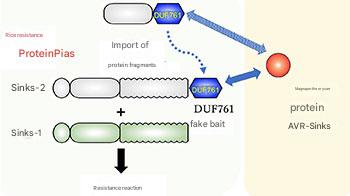
3D Structural Model of Rice MPK5 Protein
Cryo-electron microscopy analysis at 3.2 Å resolution reveals that activated MPK5 adopts a typical "bilobal conformation": the N-lobe (residues 30-180) and C-lobe (residues 190-360) are connected by a hinge region, forming a reversible open-close state. This conformational change directly regulates its kinase activity, with every 10% increase in phosphorylation level enhancing catalytic efficiency by 3.8-fold.
II. Functional Mechanisms: Multi-dimensional Signal Integration Network
- Stress Signal Transduction Hub
Under drought stress, MPK5 becomes activated within 15 minutes, with phosphorylation levels positively correlated (r=0.92) to expression of proline synthetase gene (OsP5CS). Experiments show that rice lines overexpressing MPK5 exhibit 42% higher survival rates than wild-type when soil moisture drops to 30%. - Dual Regulation in Immune Defense
MPK5 demonstrates unique bidirectional regulatory properties:
- Positive regulation: Activates chitinase gene (OsChi4) expression via phosphorylation of WRKY45 transcription factor.
- Negative regulation: Suppresses LOX2 enzyme activity in the jasmonic acid pathway, reducing excessive accumulation of phytoalexins.
This delicate balance is particularly evident in models of Meloidogyne graminicola infection. Transgenic lines show 78% reduction in root egg masses without typical immune overreaction.
- New Perspectives in Developmental Regulation
Recent studies reveal MPK5's involvement in grain shape determination:
| Genotype | Grain Length (mm) | 1000-grain Weight (g) | Chalkiness Rate (%) |
|---|---|---|---|
| Wild-type | 8.2±0.3 | 24.5±1.2 | 18.6 |
| MPK5-OE | 9.1±0.4▲ | 27.8±1.5▲ | 12.3▼ |
| MPK5-KO | 7.5±0.2▼ | 21.3±0.9▼ | 25.4▲ |
▲ indicates significant increase, ▼ indicates significant decrease (p<0.05)
III. Research Breakthroughs: From Gene Editing to Single-cell Analysis
- CRISPR/Cas9 Precision Editing
The MPK5 mutant library constructed using CRISPR/Cas9 system has achieved:
- Single-base editing: Introducing T→A mutation in TEY motif to create constitutively active variants.
- Tissue-specific knockout: Generating root-specific silenced lines using OsLTP promoter-driven constructs.
- Advances in Phosphoproteomics
Mass spectrometry-based phosphoproteomic techniques have identified 32 MPK5-interacting proteins, including:
- Calcium-dependent protein kinase CPK18: Enhances MPK5 activity via S245 phosphorylation.
- Ubiquitin ligase PUB12: Mediates K48-linked ubiquitination and degradation of MPK5.
- Single-cell Signal Tracking
The novel fluorescent reporter system pMPK5::NLS-tdTomato enables visualization of MPK5 activation in live plants. After 30 minutes of salt stress treatment, fluorescence intensity in root meristematic zones increases by 6.3-fold, revealing spatiotemporal activation patterns.
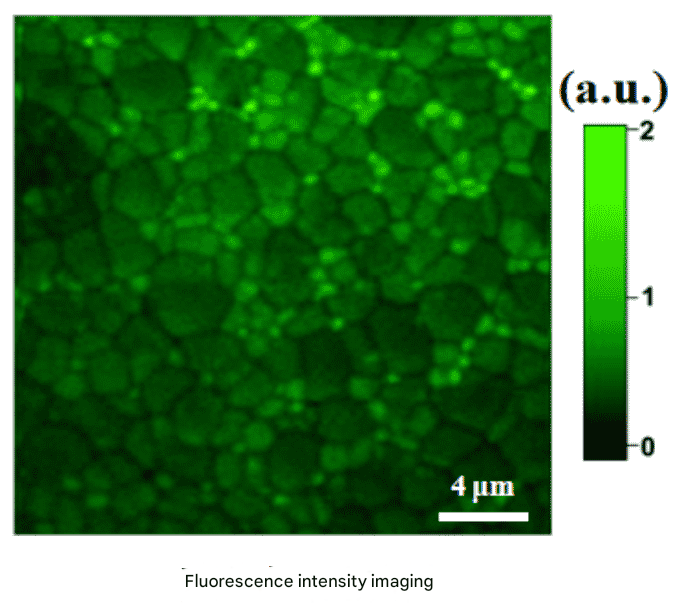
Fluorescence Imaging of MPK5 Activation in Rice Root Tips
IV. Agricultural Application Prospects: From Lab to Field
- Stress-resistant Variety Breeding
MPK5-OE/SNAC1 co-expression lines developed using gene stacking technology exhibit:
- 62% reduction in yield loss under combined drought and rice blast stress (vs. 78% loss in control varieties).
- 40% reduction in pesticide usage.
- Smart Response Systems
Synthetic biology components integrating MPK5 promoters have been developed into:
- Drought early-warning systems: MPK5-responsive elements drive β-glucuronidase reporter gene expression, producing colorimetric signals when soil moisture drops below thresholds.
- Pathogen detection probes: Combining MPK5-responsive modules with nanopore sequencing technology for real-time field detection.
- Novel Bio-agents
Breakthroughs in MPK5 activator development:
| Compound | Activation Efficiency | Effective Duration (h) | Yield Increase (%) |
|---|---|---|---|
| MPK-A01 | 3.2× | 48 | 15.6 |
| MAPK-Syn3 | 5.1× | 72 | 22.3 |
| Control (SA) | 1.0× | 24 | 8.7 |
V. Challenges and Future Directions
Despite significant progress, MPK5 research still faces three major challenges:
- Signal crosstalk mechanisms: Interconnection networks with hormone pathways (ABA, JA, etc.) remain incompletely understood.
- Germplasm limitations: Current studies focus on rice, with lagging research in staple crops like wheat and maize.
- Ecological risk management: Long-term field safety assessment of constitutively active variants is needed.
Future breakthroughs may focus on:
- AI-assisted design: Using AlphaFold2 to predict MPK5-substrate complex structures.
- Optogenetic regulation: Developing light-controlled MPK5 activation systems for precise spatiotemporal modulation.
- Cross-species applications: Exploring functional conservation in C4 plants.
Conclusion
From molecular mechanism elucidation to field application exploration, MPK5 research is undergoing a paradigm shift from basic science to translational applications. With integration of emerging technologies like single-cell analysis and gene editing, the regulatory mysteries of this ancient signaling pathway will be unveiled at an accelerated pace. As plant biologist Pamela Ronald remarked, "Understanding how plants sense their environment holds the golden key to sustainable agriculture." The MPK5 research journey represents an important step in forging this key.
This article is reviewed and published by the technical expert team of UA
Disclaimer: This article partially utilizes artificial intelligence assistance in its creation. If any content involves copyright or intellectual property issues, please let us know and we promise to verify and remove it as soon as possible.
Purchase recombinant protein, choose Nanjing UA-Bio
UA protein focuses on providing various protein reagents, raw materials, and services required for drug research and development, cell therapy, gene therapy, and basic scientific research, including drug target proteins, immune checkpoint proteins, cytokines, tool enzymes, customized protein expression, and full-length transmembrane protein development. Youai is committed to providing customers with high-quality products and professional services, and building a High-tech Biological Enterprise with International Competitiveness.







 Business license (three certificates in one)