




Ulove Protein: A "Hardcore Boost" for KRAS-Targeted Therapies


On the battlefield of cancer treatment, KRAS gene mutations have long been a "tough adversary." Frequently implicated in pancreatic cancer, colorectal cancer, and non-small cell lung cancer (NSCLC), these mutations enable tumor cells to grow uncontrollably. However, the lack of binding pockets on the KRAS protein surface made it resistant to traditional drugs, once rendering it an "undruggable" target. In recent years, the emergence of KRAS G12C inhibitors has broken this impasse. The approvals of sotorasib and adagrasib have brought new hope to patients with advanced NSCLC. These drugs lock the KRAS G12C mutant in an inactive state by binding to its cysteine residue, thereby inhibiting downstream signaling pathways. Clinical trial results have been encouraging, demonstrating high objective response rates (ORRs) and disease control rates (DCRs).
- Recent Advances
- Product Information
Ulove Protein: A "Hardcore Boost" for KRAS-Targeted Therapies
On the battlefield of cancer treatment, KRAS gene mutations have long been a "tough adversary." Frequently implicated in pancreatic cancer, colorectal cancer, and non-small cell lung cancer (NSCLC), these mutations enable tumor cells to grow uncontrollably. However, the lack of binding pockets on the KRAS protein surface made it resistant to traditional drugs, once rendering it an "undruggable" target.
In recent years, the emergence of KRAS G12C inhibitors has broken this impasse. The approvals of sotorasib and adagrasib have brought new hope to patients with advanced NSCLC. These drugs lock the KRAS G12C mutant in an inactive state by binding to its cysteine residue, thereby inhibiting downstream signaling pathways. Clinical trial results have been encouraging, demonstrating high objective response rates (ORRs) and disease control rates (DCRs).
Riding this wave of promising research, Ulove Protein leverages its exceptional R&D capabilities to introduce KRAS wild-type and multiple mutant proteins. Rigorous validation through SDS-PAGE, SPR/TR-FRET platforms ensures reliable purity and activity. Below are validation data for select KRAS proteins:
1.KRAS-G12C
KRAS-G12C is a mutation at codon 12 where glycine is replaced by cysteine.
Related Drugs: ARS-1620, ARS-853, Sotorasib, JDQ443, JAB-21822, etc.
Associated Diseases: Colon cancer, colorectal cancer, lung cancer, NSCLC, multiple myeloma, cutaneous squamous cell carcinoma, etc.
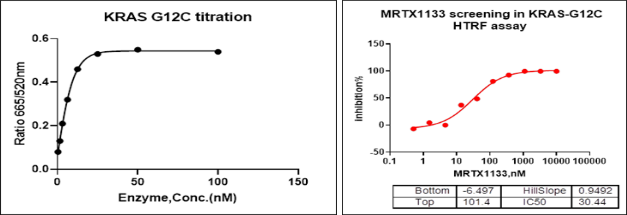
Figure 1. TR-FRET Assay for KRAS-G12C Activity Detection
2.KRAS-G12D
KRAS-G12D introduces an aspartate substitution at codon 12.
Related Drugs: MRTX1133, JAB-22000, RMC-9805 (RM-036), etc.
Associated Diseases: Colon cancer, colorectal cancer, hairy cell leukemia, lung cancer, NSCLC, melanoma, multiple myeloma, ovarian cancer, pancreatic cancer, pancreatic ductal adenocarcinoma, cutaneous squamous cell carcinoma, thyroid cancer, exocrine pancreatic tumors, etc.
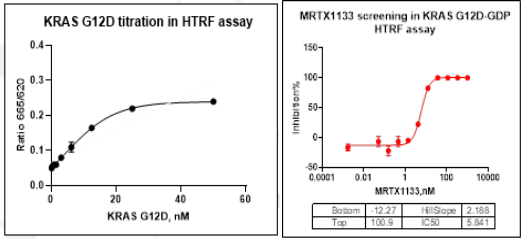
Figure 2. TR-FRET Assay for KRAS-G12D Activity Detection
3.KRAS-G12V
Related Drugs: JAB-23000, K27-SPOP, etc.
Associated Diseases: Cancer, colon cancer, colorectal cancer, lung cancer, NSCLC, etc.
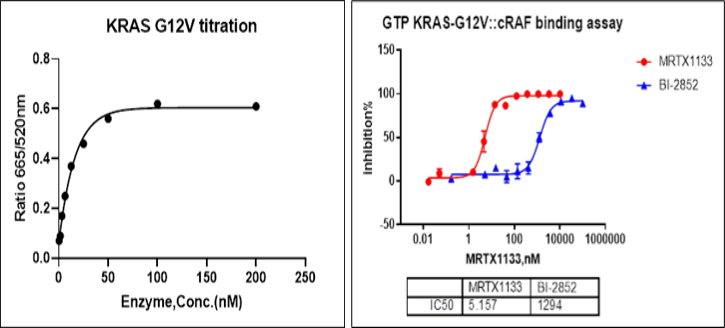
Figure 3. TR-FRET Assay for KRAS-G12V Activity Detection
4.KRAS-G13C
Related Drugs: RMC-8839, etc.
Associated Diseases: Colorectal cancer, NSCLC, etc.
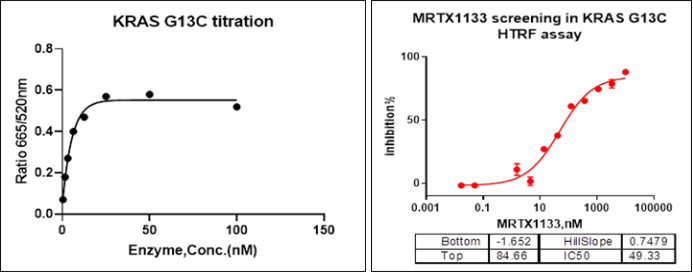
Figure 4. TR-FRET Assay for KRAS-G13C Activity Detection
5.KRAS Q61H
KRAS Q61H is a mutation where glutamine at codon 61 is replaced by histidine.
Related Drugs: K27-SPOP, etc.
Associated Diseases: Colorectal cancer, lung cancer, NSCLC, etc.
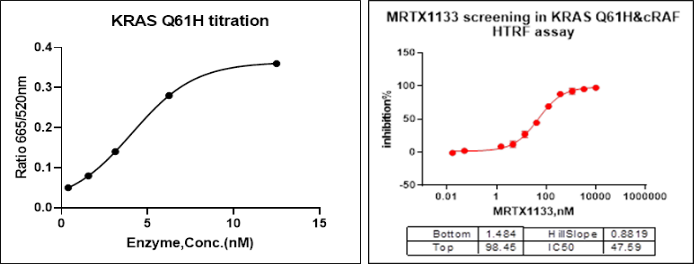
Figure 5. TR-FRET Assay for KRAS Q61H Activity Detection
6.KRAS WT
Related Drugs: Panitumumab, etc.
Associated Diseases: Colorectal cancer, etc.
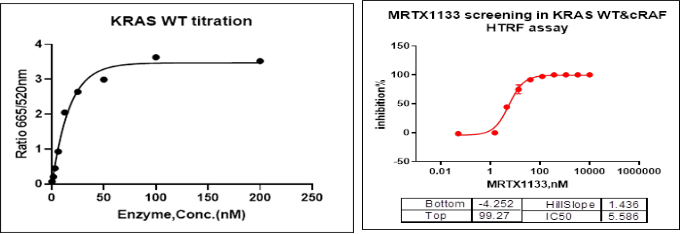
Figure 6. TR-FRET Assay for KRAS WT Activity Detection
Ulove Protein's KRAS protein products boast high purity, robust activity, and rigorous validation, ensuring reliable performance in experiments. Whether you require KRAS wild-type or various mutants, Ulove Protein delivers premium-quality products to support your scientific journey. Together, let's explore new horizons in cancer therapy!
This article is reviewed and published by the technical expert team of UA
Disclaimer: This article partially utilizes artificial intelligence assistance in its creation. If any content involves copyright or intellectual property issues, please let us know and we promise to verify and remove it as soon as possible.
Purchase recombinant protein, choose Nanjing UA-Bio
UA protein focuses on providing various protein reagents, raw materials, and services required for drug research and development, cell therapy, gene therapy, and basic scientific research, including drug target proteins, immune checkpoint proteins, cytokines, tool enzymes, customized protein expression, and full-length transmembrane protein development. Youai is committed to providing customers with high-quality products and professional services, and building a High-tech Biological Enterprise with International Competitiveness.







 Business license (three certificates in one)