




Unlocking the Secrets of Receptor Tyrosine Kinases: Pioneering New Frontiers in Cancer Therapy


At the forefront of cancer treatment, receptor tyrosine kinases (RTKs) are emerging as hotspots for research and development. These remarkable molecules, acting as "signal beacons" on the cell surface, regulate cellular growth, differentiation, and survival.
- Recent Advances
- Product Information
Unlocking the Secrets of Receptor Tyrosine Kinases: Pioneering New Frontiers in Cancer Therapy
At the forefront of cancer treatment, receptor tyrosine kinases (RTKs) are emerging as hotspots for research and development. These remarkable molecules, acting as "signal beacons" on the cell surface, regulate cellular growth, differentiation, and survival. However, when they malfunction, they can trigger cancer. Fortunately, scientists have developed drugs known as tyrosine kinase inhibitors (TKIs) that can precisely "repair" these signal beacons, offering new hope for cancer treatment.
Uprotein is committed to providing you with high-quality receptor tyrosine kinase proteins to support your scientific exploration. Our rigorously validated products cover a wide range of popular RTK targets, including EGFR, HER2, VEGFR, MET, PDGFR, ROR1, TRKA, DDR1, ALK, TIE1, and others. These proteins play pivotal roles in cancer treatment and serve as essential tools for researching and developing novel TKIs.
Uprotein's Validation Data
-
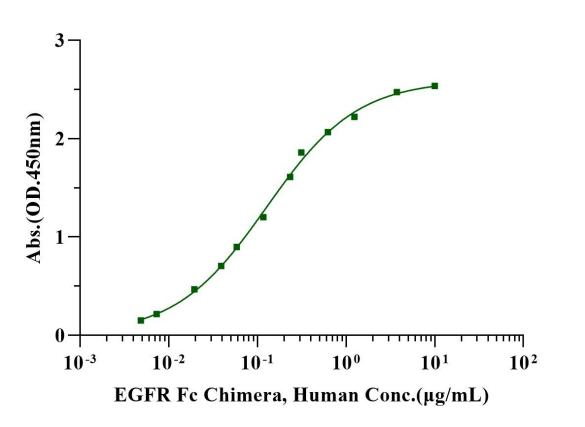
EGFR (Epidermal Growth Factor Receptor): Overexpressed or mutated in various cancers, such as lung, breast, and colorectal cancers, EGFR-TKIs like Gefitinib and Erlotinib are widely used in clinical practice, significantly improving patient survival rates.
-
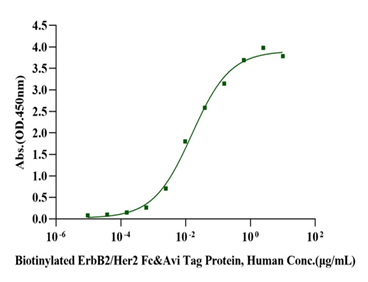
HER2 (Human Epidermal Growth Factor Receptor 2): Overexpressed in breast and gastric cancers, HER2 is an important therapeutic target. Trastuzumab (Herceptin) has significantly improved the prognosis of HER2-positive breast cancer patients by targeting HER2.
-
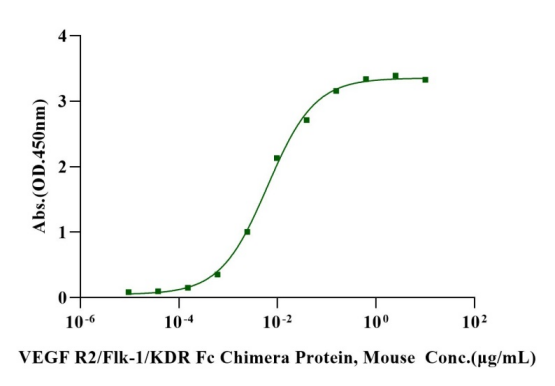
VEGFR2 (Vascular Endothelial Growth Factor Receptor 2): VEGFR2 plays a critical role in tumor angiogenesis. Bevacizumab effectively inhibits tumor blood supply and delays tumor growth by targeting VEGFR2.
-
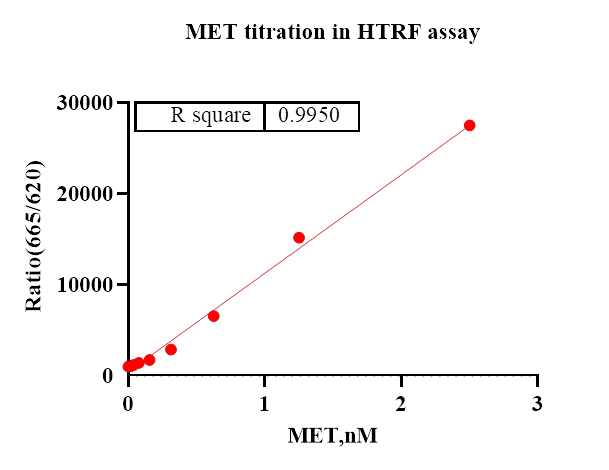
MET (Mesenchymal-Epithelial Transition Factor): Abnormally activated in various cancers, MET is closely associated with tumor invasion and metastasis. MET inhibitors like Capmatinib have demonstrated promising anti-tumor activity.
-
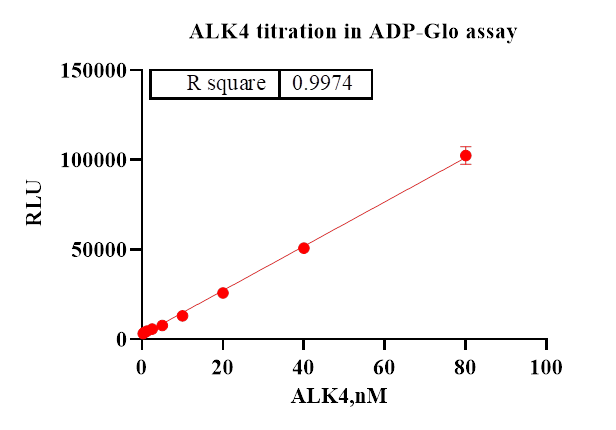
ALK (Anaplastic Lymphoma Kinase): Rearranged or mutated in non-small cell lung cancer and other malignancies, ALK is an important therapeutic target. Crizotinib significantly improves survival rates in ALK-positive lung cancer patients by targeting ALK.
-
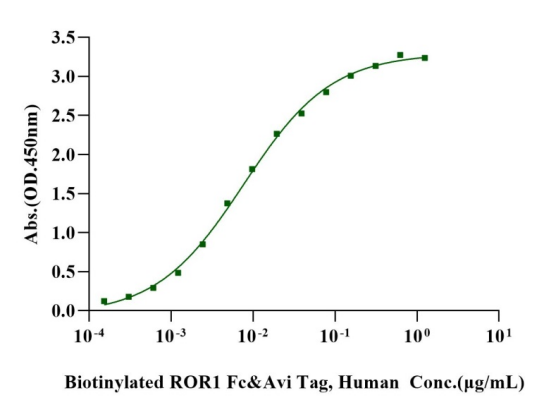
ROR1 and ROR2: Abnormally expressed in various cancers, ROR1 and ROR2 are involved in cell proliferation and survival. ROR1 inhibitors are showing promising anti-tumor potential in clinical trials.
Choose Uprotein, Embark on a New Scientific Journey
Research into receptor tyrosine kinases and their inhibitors is continuously deepening, bringing new hope to cancer treatment. Uprotein provides you with high-quality RTK proteins to support your scientific exploration. Whether for fundamental research or clinical application development, Uprotein is equipped to meet your needs.
Join us in exploring the mysteries of RTKs and contributing to the fight against cancer!
Currently Available Products:
|
Product Code |
Product |
|
UA010174 |
EGFR Fc Chimera Protein, Human |
|
UA011015 |
Biotinylated ErbB2/Her2 Fc&Avi Tag Protein, Human |
|
UA010876 |
VEGF R2/Flk-1/KDR Fc Chimera Protein, Mouse |
|
UA080110 |
MET Protein |
|
UA080038 |
ALK4 Protein |
|
UA010830 |
Biotinylated ROR1 Fc&Avi Tag Protein, Human |
|
ROR2 His Tag Protein, Human |
|
|
Biotinylated Her3 His&Avi Tag Protein, Human |
|
|
Biotinylated Her2 His&Avi Tag Protein, Human |
|
|
UA010273 |
Her4 His Tag Protein, Human |
|
CD140b/PDGFRB Fc Chimera Protein, Human |
|
|
TrkA/NTRK1 His Tag Protein, Human |
|
|
PTK7/CCK4 His Tag Protein, Human |
|
|
DDR1 Fc Chimera Protein, Human |
|
|
ALK-1/ACVRL1 Fc Chimera Protein, Human |
|
|
Axl His Tag Protein, Human |
|
|
EphA10 His Tag Protein, Human |
This article is reviewed and published by the technical expert team of UA
Disclaimer: This article partially utilizes artificial intelligence assistance in its creation. If any content involves copyright or intellectual property issues, please let us know and we promise to verify and remove it as soon as possible.
Purchase recombinant protein, choose Nanjing UA-Bio
UA protein focuses on providing various protein reagents, raw materials, and services required for drug research and development, cell therapy, gene therapy, and basic scientific research, including drug target proteins, immune checkpoint proteins, cytokines, tool enzymes, customized protein expression, and full-length transmembrane protein development. Youai is committed to providing customers with high-quality products and professional services, and building a High-tech Biological Enterprise with International Competitiveness.







 Business license (three certificates in one)