




COVID-19 Animal Models: Exploring the Mysteries of Viruses and Hosts


In the global challenge of fighting COVID-19, reliable animal models are key tools for vaccine development, drug testing, and understanding viral pathogenic mechanisms. Animal models can simulate the process of human infection with COVID-19, helping scientists study the spread of the virus, infection mechanisms, and evaluate potential treatments.
- Recent Advances
- Product Information
COVID-19 Animal Models: Exploring the Mysteries of Viruses and Hosts
In the global challenge of fighting COVID-19, reliable animal models are key tools for vaccine development, drug testing, and understanding viral pathogenic mechanisms. Animal models can simulate the process of human infection with COVID-19, helping scientists study the spread of the virus, infection mechanisms, and evaluate potential treatments. This article will introduce several major COVID-19 animal models and their research progress.
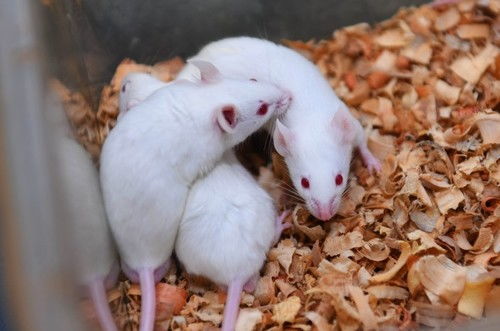
Mouse model
Mice are commonly used model animals for studying disease mechanisms and drug screening, but the weak binding ability of ACE2 receptors on the surface of mouse cells to SARS-CoV-2 limits the efficiency of viral infection. To overcome this obstacle, scientists have developed a variety of strategies to enhance the susceptibility of mice to SARS-CoV-2.
Syrian hamster model
Syrian hamsters are small mammals that have been used to study other respiratory viruses. In COVID-19 studies, Syrian hamsters showed infection characteristics similar to those of humans, including weight loss, difficulty breathing, and lung lesions. In addition, the infection symptoms were more severe in elderly hamsters and male hamsters, which is consistent with the sex and age differences observed in humans. The Syrian hamster model can be used not only to study the pathogenesis of the virus, but also to evaluate the effects of vaccines and therapeutic drugs.
Ferret model
Ferrets are classic model animals for studying human respiratory viruses (such as influenza viruses). Studies have shown that ferrets are highly susceptible to SARS-CoV-2 and that the virus replicates mainly in the upper respiratory tract. The ferret model can be used to study the pathogenesis of upper respiratory tract infections and to evaluate vaccines and therapeutic drugs for preventing upper respiratory tract infections.
Non-human primate model
Non-human primates (such as rhesus monkeys and crab-eating macaques) are important models for studying COVID-19 because their physiology and immune systems are highly similar to those of humans. These models can be used to evaluate the safety and efficacy of vaccines and therapeutic drugs, as well as to study the transmission and pathogenicity of the virus.
Other animal models
Mink: Minks are highly susceptible to SARS-CoV-2, show severe lung lesions after infection, and the virus can spread widely in their population.
Cats: Cats are susceptible to SARS-CoV-2, but most have mild symptoms after infection.
Dogs: Dogs are less susceptible to SARS-CoV-2, but their antibody detection can be used for epidemiological studies.
Pigs: Pigs are less susceptible to SARS-CoV-2, but bat beta coronaviruses show good infectivity in pigs.
Fruit bats: Experimental infection of fruit bats helps simulate the physiological and pathological changes of the virus in the host.
Research progress and application
On September 25, 2020, Hongjing Gu et al. published a study on mouse models in Science, reporting that the mutant strain MASCp6 for vaccine effect testing was developed by modifying the SARS-CoV-2 strain to adapt it to mice. This study provides an important basis for preclinical research on COVID-19 vaccines.
In addition, the research published by David Baker's research group in Science demonstrated the technology of achieving precise targeting of cell surface antigens through protein design algorithms. This technology can be used to develop specific therapeutic drugs for COVID-19.
Conclusion
Animal models play an irreplaceable role in COVID-19 research. Through these models, scientists can gain a deeper understanding of the virus's infection mechanism, transmission characteristics, and pathogenic process, thus providing strong support for the development of vaccines and therapeutic drugs. As research continues to deepen, these animal models will continue to make important contributions to the fight against COVID-19.
This article is reviewed and published by the technical expert team of UA
Disclaimer: This article partially utilizes artificial intelligence assistance in its creation. If any content involves copyright or intellectual property issues, please let us know and we promise to verify and remove it as soon as possible.
Purchase recombinant protein, choose Nanjing UA-Bio
UA protein focuses on providing various protein reagents, raw materials, and services required for drug research and development, cell therapy, gene therapy, and basic scientific research, including drug target proteins, immune checkpoint proteins, cytokines, tool enzymes, customized protein expression, and full-length transmembrane protein development. Youai is committed to providing customers with high-quality products and professional services, and building a High-tech Biological Enterprise with International Competitiveness.







 Business license (three certificates in one)