





- Recent Advances
- Product Information
CD79b: A new key to unlock B cell therapy
B cells play a vital role in the human immune system. They are the main force of humoral immunity and resist the invasion of foreign pathogens by secreting antibodies. However, abnormal function of B cells may also cause a variety of diseases, such as B cell chronic lymphoma, autoimmune diseases (such as lupus erythematosus), and certain neuroimmune diseases. In recent years, scientists have discovered that the molecule CD79b plays a key role in the recognition, differentiation and occurrence of B cells, and has become an important target in the field of immunotherapy.
CD79b: The "signal hub" of B cells
CD79b is an important molecule on the surface of B cells and belongs to the immunoglobulin superfamily (IgSF). Together with CD79a, it is connected to the membrane immunoglobulin (mIg) on the surface of B cells through non-covalent bonds to form a B cell receptor (BCR) complex. The BCR complex is a key structure for B cells to recognize antigens. When antigens bind to mIg, CD79a/CD79b initiates signal transduction, activates B cells, and causes them to differentiate and secrete antibodies. Therefore, CD79b plays a vital role in the activation and functional regulation of B cells.
CD79b: "Scavenger" of abnormal proliferation of B cells
Due to the characteristic expression of CD79b on B cells, it has become an ideal target for abnormal proliferation of B cells. In diseases such as B cell lymphoma, disordered proliferation of B cells can lead to tumor formation. By targeting CD79b, drugs can directly act on abnormally proliferating B cells, inhibit their growth and survival, and thus achieve the effect of treatment. This precise targeted treatment method can not only effectively remove diseased cells, but also reduce damage to normal cells, and improve the safety and effectiveness of treatment.
The rise of CD79b antibody drugs
In recent years, the research and development of antibody drugs targeting CD79b has made significant progress. According to statistics from the global database, there are currently 19 antibody drugs targeting CD79b in the research and development stage. Among them, antibody-drug conjugates (ADC) and bispecific antibodies (bispecific antibodies) are hot research and development directions. ADC drugs can accurately deliver drugs to diseased cells by combining antibodies with cytotoxic drugs, exerting a powerful killing effect. Bispecific antibodies can simultaneously target CD79b and molecules on other immune cells, enhancing the immune system's anti-tumor ability.
Successful cases: opening a new era of treatment
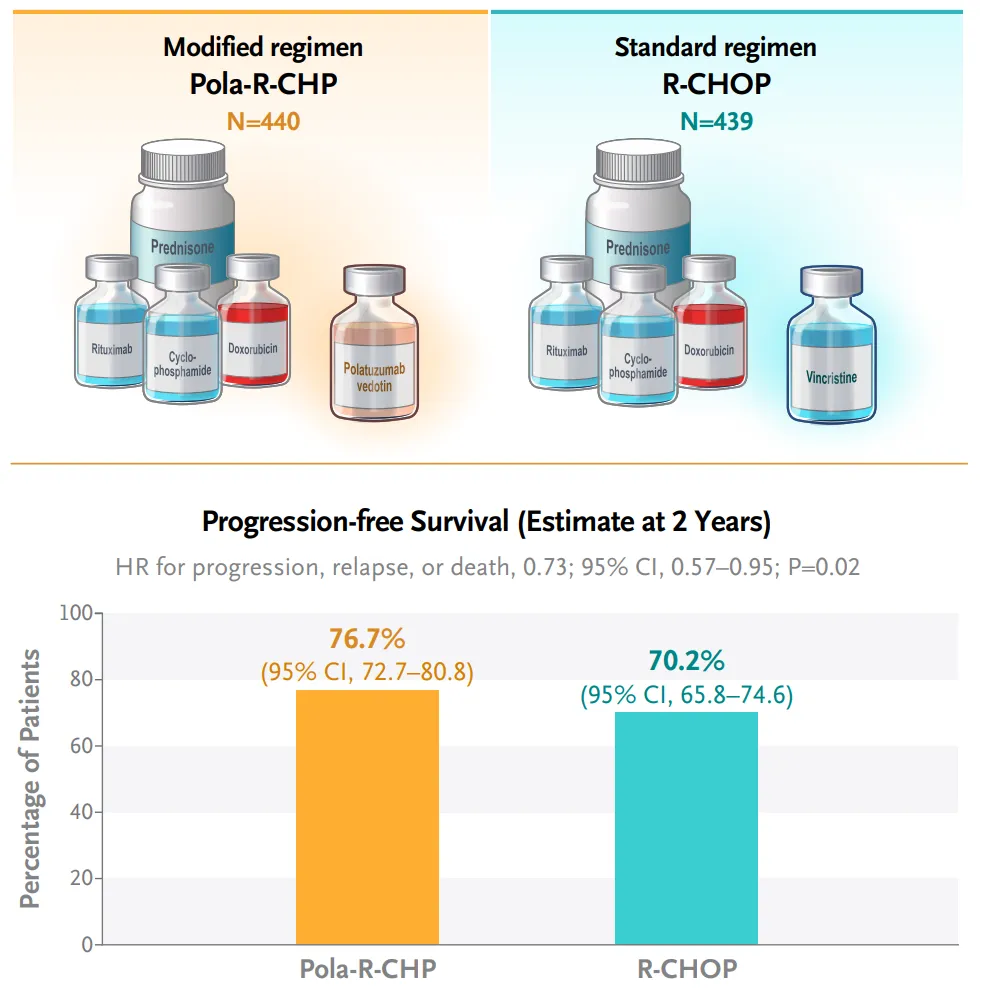
In 2019, an ADC drug targeting CD79b was approved by the U.S. Food and Drug Administration (FDA) for the treatment of relapsed or refractory diffuse large B-cell lymphoma (DLBCL). This drug targets CD79b and accurately delivers cytotoxic drugs to diseased B cells, significantly improving the therapeutic effect. In subsequent clinical trials, the drug was combined with other treatment options to further prolong the patient's progression-free survival, setting a new benchmark for the treatment of DLBCL.
From tumors to autoimmune diseases: the multifaceted nature of CD79b
In addition to its application in tumor treatment, CD79b also shows great potential in the treatment of autoimmune diseases. Some research teams are exploring the use of CD79b antibody drugs to inhibit the overactivation of B cells, thereby reducing the production of autoantibodies and alleviating disease symptoms. For example, in diseases such as systemic lupus erythematosus, by targeting CD79b, it is expected to achieve precise regulation of B cell function and bring new treatment options to patients.
Future Outlook: More Possibilities Are on the Way
With the in-depth study of the function of CD79b, and the development of more antibody drugs and the advancement of clinical trials, CD79b is expected to play an important role in more disease areas. From tumors to autoimmune diseases, from single targets to combined treatments, the development of CD79b antibody drugs not only brings new hope to patients, but also opens up new paths in the field of immunotherapy.
In future medical research, CD79b will continue to be an important target for B cell therapy, attracting the attention of scientists. Through continuous exploration and innovation, we look forward to more CD79b antibody drugs being successfully launched, providing patients with more effective and safer treatment options, improving their quality of life, and prolonging their lives.
This article is reviewed and published by the technical expert team of UA
Disclaimer: This article partially utilizes artificial intelligence assistance in its creation. If any content involves copyright or intellectual property issues, please let us know and we promise to verify and remove it as soon as possible.
Purchase recombinant protein, choose Nanjing UA-Bio
UA protein focuses on providing various protein reagents, raw materials, and services required for drug research and development, cell therapy, gene therapy, and basic scientific research, including drug target proteins, immune checkpoint proteins, cytokines, tool enzymes, customized protein expression, and full-length transmembrane protein development. Youai is committed to providing customers with high-quality products and professional services, and building a High-tech Biological Enterprise with International Competitiveness.







 Business license (three certificates in one)