




FGF-2: The "magic messenger" of life repair and regeneration


In the microscopic world of our body, there is an unknown but vital "magic messenger" - FGF-2, also known as basic fibroblast growth factor (bFGF) and FGF-β. It is like a skilled "architect" and "repairer", playing a key role in many physiological processes of the body.
- Recent Advances
- Product Information
FGF-2: The "magic messenger" of life repair and regeneration
In the microscopic world of our body, there is an unknown but vital "magic messenger" - FGF-2, also known as basic fibroblast growth factor (bFGF) and FGF-β. It is like a skilled "architect" and "repairer", playing a key role in many physiological processes of the body.
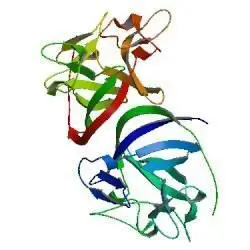
FGF-2 is a member of the fibroblast growth factor family. This family is now known to have 24 "members", each of which has unique abilities and cooperates with four specific receptors (FGFR) to jointly regulate cell growth and differentiation. And FGF-2 is like a "all-rounder" in this family, widely present in various cells, accurately regulating the proliferation and differentiation of specific types of cells.
In the field of body repair and regeneration, FGF-2 can be called a "star". It has a strong angiogenic effect, just like building a smooth "life channel" for various parts of the body, allowing blood and nutrients to arrive smoothly, providing sufficient "raw materials" for cell growth and repair. At the same time, it can stimulate the growth of smooth muscle cells, promote wound healing and tissue regeneration. Imagine that when we are accidentally injured, FGF-2 will act quickly to accelerate wound healing and restore the skin and tissue to their original state as soon as possible. This magical wound healing effect makes FGF-2 a potential therapeutic agent with great commercial value, and it is expected to shine in the medical field in the future.
In addition to its outstanding performance in wound healing, FGF-2 also plays an important role in the differentiation and function of the nervous system, and the regeneration of eyes and bones. During the development of the nervous system, it is like a "mentor", guiding the differentiation and maturation of nerve cells to ensure the normal function of the nervous system. In the regeneration of eyes and bones, FGF-2 is like a "catalyst", accelerating cell proliferation and differentiation, and promoting tissue repair and regeneration.
Structurally, FGF-2 is a globular protein composed of a single polypeptide with a molecular weight of 18kDa. The molecule contains four cysteine residues, but does not form intramolecular disulfide bonds. Through research, researchers have discovered its unique crystal structure, which consists of 12 antiparallel β-folds to form a triangular pyramid structure. FGF family members can bind to heparin or heparan sulfate, which not only affects the structure of FGF-2, but also promotes the formation of its dimers and higher oligomers. Moreover, the interaction between FGF-2 and heparin can protect it from heat shock, denaturation in acidic media, and proteolysis.
However, obtaining FGF-2 is not easy. Purifying FGF-2 from animal tissues is not only difficult but also very expensive due to its extremely low content. It was not until 1986 that humans successfully cloned and characterized the gene encoding FGF-2, and then obtained recombinant FGF-2 through Escherichia coli cells. However, the yield of FGF-2 directly expressed in bacterial strains is low, but scientists continue to explore and improve the expression method and protein structure to increase the yield and activity of FGF-2.
FGF-2 is like a tireless "life guardian", working silently in every corner of the body. With the continuous deepening of research, it is believed that its application prospects in the medical field will be broader and bring more benefits to human health.
This article is reviewed and published by the technical expert team of UA
Disclaimer: This article partially utilizes artificial intelligence assistance in its creation. If any content involves copyright or intellectual property issues, please let us know and we promise to verify and remove it as soon as possible.
Purchase recombinant protein, choose Nanjing UA-Bio
UA protein focuses on providing various protein reagents, raw materials, and services required for drug research and development, cell therapy, gene therapy, and basic scientific research, including drug target proteins, immune checkpoint proteins, cytokines, tool enzymes, customized protein expression, and full-length transmembrane protein development. Youai is committed to providing customers with high-quality products and professional services, and building a High-tech Biological Enterprise with International Competitiveness.







 Business license (three certificates in one)