Adeno-associated virus (AAV) vector-based gene therapy has emerged as a transformative approach for treating monogenic diseases, including hemophilia, spinal muscular atrophy, and inherited retinal disorders. Its favorable safety profile, low immunogenicity, and ability to mediate long-term transgene expression have positioned it as a leading platform in the field. However, the widespread prevalence of pre-existing neutralizing antibodies (NAbs) against AAV capsids in the general population, coupled with the induction of persistent NAbs post-treatment, poses significant challenges to therapeutic efficacy and repeat dosing. Recent studies by Spark Therapeutics, published in Nature Medicine, highlight the potential of IgG-cleaving endopeptidase (IdeS) as a targeted strategy to transiently eliminate AAV NAbs, thereby restoring vector transduction efficiency and enabling repeat administration. This review synthesizes the scientific rationale, preclinical evidence, and translational potential of IdeS in overcoming antibody-mediated barriers in AAV gene therapy.
AAV, a non-enveloped parvovirus, exhibits broad tissue tropism and minimal pathogenicity, making it an ideal gene delivery vector. However, its ubiquity in the environment (e.g., in soil, water, and respiratory tract) leads to natural exposure in humans, resulting in the formation of NAbs. Epidemiological data reveal striking seroprevalence of AAV NAbs across different serotypes: 67% for AAV1, 72% for AAV2, 40% for AAV5, 46% for AAV6, 30% for AAV8, and 47% for AAV9 in healthy individuals. These NAbs bind to AAV capsids, blocking vector attachment to target cell receptors, inhibiting internalization, and reducing transgene expression—effectively excluding a large proportion of patients from AAV therapy.
Post-treatment, AAV vectors further trigger adaptive immune responses, with high-titer NAbs persisting for years. This poses a critical challenge for repeat dosing, which is increasingly recognized as necessary: therapeutic efficacy may wane over time (e.g., in hemophilia, where factor levels decline gradually), and pediatric patients, treated during infancy, may require re-administration as they outgrow the initial vector dose. Current strategies to circumvent NAbs, such as immunosuppressive regimens (e.g., rituximab, corticosteroids), are limited by poor efficiency in clearing pre-existing antibodies and risks of systemic immunosuppression. Thus, a targeted, transient approach to neutralize NAbs is urgently needed.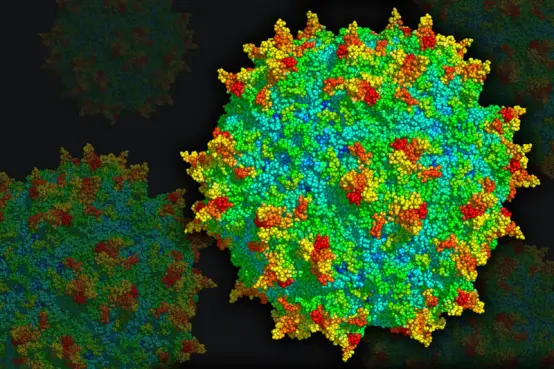
IdeS (Imlifidase), a cysteine endopeptidase derived from Streptococcus pyogenes, has emerged as a promising tool to address antibody-mediated barriers. Its mechanism of action is well-characterized: it cleaves human IgG at a conserved site in the hinge region, generating F(ab’)₂ fragments (retaining antigen-binding capacity but losing effector functions) and Fc fragments (mediating immune effector responses). This cleavage is highly specific to IgG and occurs within hours, with effects lasting 3–7 days—after which IgG levels gradually recover as new antibodies are synthesized.
Clinically, IdeS has demonstrated safety and efficacy in treating antibody-mediated conditions, including desensitization in organ transplantation and heparin-induced thrombocytopenia. For AAV gene therapy, its unique properties offer three key advantages:
Transience: The short window of antibody depletion (hours to days) aligns with the critical period required for AAV vectors to transduce target cells. Once internalized, vectors are shielded from extracellular antibodies, eliminating the need for prolonged immune suppression.
Specificity: By targeting only IgG, IdeS avoids broad disruption of the immune system, reducing risks of infection or autoimmunity.
Efficacy: Preclinical and clinical data confirm its ability to rapidly reduce IgG titers, including NAbs, without off-target effects on other immunoglobulin classes (e.g., IgA, IgM).
Spark Therapeutics’ preclinical studies, spanning rodent models, non-human primates (NHPs), and human plasma, provide compelling evidence for IdeS-mediated enhancement of AAV transduction.
In a mouse model of passive immunity—where animals were intravenously injected with intravenous immunoglobulin (IVIg) containing AAV NAbs—pretreatment with IdeS resulted in a 90% reduction in NAb titers within 24 hours. This was accompanied by a 10-fold increase in liver transduction efficiency (assessed via GFP reporter gene expression) and a 15-fold elevation in transgene (human factor IX) levels compared to controls. Importantly, IdeS did not alter vector biodistribution, confirming that improved transduction was solely due to NAb clearance rather than off-target vector trafficking.
NHPs, which naturally harbor AAV NAbs (mimicking the human immune landscape), were used to evaluate IdeS in a more clinically relevant setting. In rhesus macaques with pre-existing AAV8 NAbs, a single dose of IdeS (2 mg/kg) administered 24 hours before AAV8-mediated factor IX gene transfer led to:
A 75% reduction in NAb titers, with levels remaining below the neutralizing threshold for 72 hours.
A 6-fold increase in liver-specific transgene expression, with factor IX activity reaching 30% of normal levels (therapeutic range for hemophilia B).
Successful repeat dosing: When re-administered 12 weeks later with AAV8 vector, IdeS-pretreated NHPs showed a 5-fold higher transduction efficiency compared to animals receiving vector alone, demonstrating its potential to enable repeat therapy.
Notably, IdeS administration was well-tolerated, with no significant changes in liver enzymes, hematological parameters, or signs of toxicity—supporting its safety profile in large animals.
Ex vivo experiments using human plasma—including samples from patients previously treated with AAV gene therapy—confirmed IdeS’s ability to degrade AAV NAbs. In plasma with high titers of AAV2 or AAV8 NAbs (≥1:160), IdeS treatment reduced neutralizing activity by >95% within 4 hours, restoring vector transduction in hepatocyte-like cell lines. This finding is critical, as patient-derived plasma reflects the complexity of human antibody repertoires, including affinity-matured NAbs induced by prior vector exposure.
Unexpectedly, IdeS also modulated de novo antibody responses induced by AAV vectors. In NHPs, IdeS pretreatment reduced post-treatment AAV-specific IgG titers by 60% compared to controls, without affecting IgM levels. This suggests that IdeS may not only clear pre-existing NAbs but also dampen adaptive immune responses to the vector, potentially extending the durability of transgene expression. The mechanism underlying this effect is unclear but may involve Fc fragment-mediated regulation of B-cell activation or antigen-presenting cell function—areas warranting further investigation.
While IdeS holds promise, several hurdles must be addressed before clinical application:
Dose Optimization: The optimal timing and dose of IdeS relative to vector administration need refinement. Preclinical data suggest a 24-hour interval between IdeS and AAV delivery, but human studies will be required to determine the window for maximum transduction.
Serotype Specificity: AAV NAbs are serotype-specific; IdeS must be validated across clinically relevant serotypes (e.g., AAV8, AAV9, AAV-LK03).
Long-Term Safety: Although short-term safety is established, long-term effects of repeated IdeS administration—particularly on immune memory and response to pathogens—require evaluation.
Regulatory Considerations: Integrating IdeS into clinical trial design will require collaboration with regulatory bodies to define endpoints for NAb reduction and transduction efficiency.
IdeS-mediated IgG cleavage represents a paradigm shift in overcoming antibody barriers in AAV gene therapy. Its transient, specific, and effective depletion of NAbs addresses both pre-existing immunity and repeat dosing challenges, potentially expanding the patient population eligible for treatment and enhancing long-term efficacy. Spark Therapeutics’ preclinical data, spanning multiple models, provide a strong foundation for clinical translation. As GLP-toxicology studies and early-phase trials progress, IdeS may emerge as a critical adjuvant, unlocking the full potential of AAV vectors in monogenic and acquired diseases. Ultimately, this strategy underscores the importance of immune modulation in gene therapy, paving the way for more robust and accessible treatments.













 Business license (three certificates in one)