




Technical Principle and Applications of UA-Glo® Luminescent Cell Viability Assay Kit


Cell viability assay is a fundamental experimental technique in cell biology research, drug screening, and toxicity evaluation. Accurately, rapidly, and reproducibly assessing cell viability is crucial for understanding cellular physiological states, compound effects, and environmental influences.
- Recent Advances
- Product Information
I. Introduction
Cell viability assays are fundamental experimental tools in cell biology research, drug screening, and toxicity evaluation. Accurate, rapid, and reproducible assessment of cell viability is crucial for understanding cellular physiological states, compound effects, and environmental influences. Traditional methods such as trypan blue staining, MTT assay, or CCK-8 assay, while widely used, have limitations including cumbersome procedures, limited sensitivity, or narrow linear ranges. The UA-Glo® Luminescent Cell Viability Assay Kit, based on ATP bioluminescence technology, provides a standardized solution with high sensitivity, broad linear range, and simplified operation. This article systematically elaborates on the technical principles, core components, operational procedures, performance characteristics, and application value of this kit.
II. Biological Basis of Cell Viability Assays
Cell viability is a core indicator reflecting the physiological state of a cell population, closely related to metabolic activity, membrane integrity, and proliferative capacity. In living cells, ATP, as a direct participant in energy metabolism, exhibits a positive correlation between its concentration and cellular metabolic state and quantity. When cells undergo apoptosis, necrosis, or metabolic dysfunction, ATP levels rapidly decline; conversely, when cells proliferate actively, ATP levels increase accordingly. Therefore, ATP levels serve as a reliable biochemical marker for assessing cell viability.
ATP-based cell viability assays are grounded in the following theoretical principles: cell death or metabolic inhibition leads to reduced ATP synthesis or accelerated degradation, resulting in decreased intracellular ATP levels; cell proliferation or metabolic activation leads to increased ATP levels. By quantitatively detecting the relative ATP content in a culture system, the number of viable cells and their functional state can be accurately assessed.
III. Detection Principle
The UA-Glo® Luminescent Cell Viability Assay Kit is designed based on the luciferase-luciferin bioluminescence reaction principle. The detection reagent contains thermostable luciferase, luciferin substrate, and an optimized reaction buffer. When the detection reagent is added directly to the cell culture well, the lysis components rapidly disrupt cell membranes, releasing intracellular ATP into the reaction system.
The released ATP, in the presence of magnesium ions, participates as a substrate in the luciferase-catalyzed oxidation reaction:
ATP + Luciferin + O2 → Oxyluciferin + AMP + PPi + CO2 + Light
The bioluminescent signal intensity generated by the reaction is proportional to the ATP concentration, thereby reflecting the number of viable cells in the sample. The luminescent signal reaches peak intensity rapidly after reagent addition and remains relatively stable, facilitating batch detection.
This detection system is highly specific, recognizing only ATP without interference from other nucleotides. The luciferase has been engineered for enhanced thermostability and catalytic efficiency, ensuring stable and reproducible results.
IV. Core Components of the Kit
The UA-Glo® Luminescent Cell Viability Assay Kit includes the following core components:
Cell Lysis/Detection Mix: A premixed solution containing recombinant luciferase, luciferin substrate, cell lysis components, and reaction buffer. This component is optimized for simultaneous cell lysis and luminescence detection in a single step.
ATP Standard: A solution of known ATP concentration for constructing a standard curve for absolute quantification. Provided in lyophilized form, reconstituted before use.
Reaction Buffer: Used for sample dilution or adjusting the reaction system to maintain optimal pH and ionic conditions.
Microplate: Optional white opaque 96-well or 384-well plates to minimize well-to-well signal interference.
All components undergo rigorous quality control with minimal batch-to-batch variation, ensuring reliable and comparable results.
V. Operational Procedure
The UA-Glo® Luminescent Cell Viability Assay features a streamlined workflow, including the following steps:
Cell Culture and Treatment: Seed cells in white opaque culture plates and perform drug treatments, genetic manipulations, or other interventions as per experimental design. Transparent plate bottoms allow microscopic observation, while white walls reduce signal crosstalk.
Reagent Preparation: Thaw the cell lysis/detection mix at room temperature for 10-15 minutes. Mix gently before use to avoid bubbles.
Reagent Addition: Add an equal volume of detection reagent (typically 50-100 µL) to each well. Mix on a plate shaker for 1-2 minutes to ensure complete cell lysis.
Incubation and Reading: Incubate at room temperature for 5-10 minutes for signal stabilization. Measure luminescence with an integration time of 0.25-1 second/well.
Data Analysis: Luminescence intensity directly correlates with viable cell count. For absolute quantification, use ATP standards to convert readings to ATP concentration. For relative comparisons, luminescence values represent relative cell viability.
The entire process can be completed in 15-20 minutes, suitable for high-throughput 96-well or 384-well formats.
VI. Summary and Outlook
The UA-Glo® Luminescent Cell Viability Assay Kit, based on ATP bioluminescence, provides a standardized tool with high sensitivity, broad linear range, and simplified operation, playing a vital role in basic research, drug screening, and biopharmaceutical development. With advancements in cell therapy, precision medicine, and high-throughput screening, the demand for cell viability assays will continue to grow. Future directions include adapting the assay for 3D cultures and organoids, integrating multiparameter cell function analyses, and expanding into clinical sample testing. Continuous optimization and innovation of this technology will further empower life science research.
VII. Manufacturers Offering the UA-Glo® Luminescent Cell Viability Assay Kit
Nanjing UA-BioTech Co., Ltd. (UA-Bio) has independently developed the "UA-Glo® Luminescent Cell Viability Assay", a high-performance bioluminescence platform specifically designed for cell viability assessment and drug toxicity evaluation. This kit, based on ATP quantification, delivers precise and efficient measurement of viable cell count and viability changes, providing a stable and reliable standardized solution for drug screening, cytotoxicity analysis, and oncology research.
| Core Advantages |
|---|
| High Sensitivity and Broad Dynamic Range: The kit employs an optimized luciferase reaction system to quantify cell viability via ATP detection, offering exceptional sensitivity and a wide linear range. It can detect signals from as few as tens of cells while accommodating high-density samples, making it ideal for proliferation analysis, cytotoxicity assessment, and high-throughput screening. |
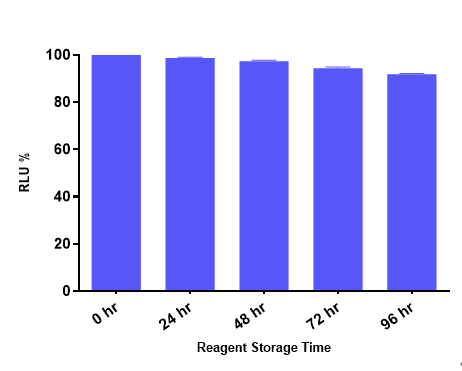
| Exceptional Batch Consistency and Stability: Leveraging an internationally advanced luminescence platform and standardized production processes, coupled with stringent QC, the kit ensures high purity, long-term stability, and minimal batch variation, providing robust support for long-term drug screening and mechanistic studies. |
| Homogeneous, No-Wash, Flexible Workflow: The kit features a simple "add-mix-measure" homogeneous protocol, eliminating separation or washing steps. The streamlined process reduces handling time and errors, while its optimized formulation supports automation in 96/384-well formats for high-throughput drug screening, cytotoxicity testing, and tumor cell drug sensitivity assays. |
| Stable and Prolonged Luminescence: Specially formulated for uniform "glow-type" signals with a half-life of hours, enabling large-scale batch processing and automation with reliable reproducibility. |
| Comprehensive Solutions and Expert Support: Includes validated protocols, standard dose-response curves, and detailed interpretation guides for rapid method establishment. Nanjing UA-Bio's technical team offers end-to-end support for experimental design, optimization, and data analysis. |
Nanjing UA-BioTech Co., Ltd. is committed to delivering cutting-edge, high-quality reagents and tools for immunology, cell therapy, and drug discovery. For detailed specifications (Catalog #UA070103), validation data, or application support, please contact us.
This article is reviewed and published by the technical expert team of UA
Disclaimer: This article partially utilizes artificial intelligence assistance in its creation. If any content involves copyright or intellectual property issues, please let us know and we promise to verify and remove it as soon as possible.
Purchase recombinant protein, choose Nanjing UA-Bio
UA protein focuses on providing various protein reagents, raw materials, and services required for drug research and development, cell therapy, gene therapy, and basic scientific research, including drug target proteins, immune checkpoint proteins, cytokines, tool enzymes, customized protein expression, and full-length transmembrane protein development. Youai is committed to providing customers with high-quality products and professional services, and building a High-tech Biological Enterprise with International Competitiveness.







 Business license (three certificates in one)