




Research on the Biological Characteristics and Immunomodulatory Functions of LIGHT Protein (TNFSF14)


LIGHT (Lymphotoxin-like, exhibits inducible expression and competes with HSV glycoprotein D for HVEM) protein is the 14th member of the tumor necrosis factor superfamily (TNFSF). Research on LIGHT began in the late 20th century with the exploration of TNF family ligand-receptor systems. In 1998, researchers first identified this secreted protein with unique immunomodulatory functions through gene screening. Its name reflects its property of competing with the herpes simplex virus glycoprotein D (gD) for binding to the HVEM receptor.
- Recent Advances
- Product Information
Research on the Biological Characteristics and Immunomodulatory Functions of LIGHT Protein (TNFSF14)
I. Discovery and Basic Characteristics of LIGHT Protein
LIGHT (Lymphotoxin-like, exhibits inducible expression and competes with HSV glycoprotein D for HVEM) protein is the 14th member of the tumor necrosis factor superfamily (TNFSF). Research on LIGHT began in the late 20th century with the exploration of TNF family ligand-receptor systems. In 1998, researchers first identified this secreted protein with unique immunomodulatory functions through gene screening. Its name reflects its property of competing with the herpes simplex virus glycoprotein D (gD) for binding to the HVEM receptor.
In terms of molecular structure, LIGHT protein consists of 240 amino acids and exhibits typical characteristics of a type II membrane protein: the N-terminal 37 amino acids form the intracellular domain, the middle 22 amino acids constitute the transmembrane region, and the C-terminal 181 amino acids comprise the extracellular functional domain. Notably, LIGHT can be proteolytically cleaved to form a soluble active form, allowing it to participate in both local cell-to-cell signaling and systemic immune regulation.
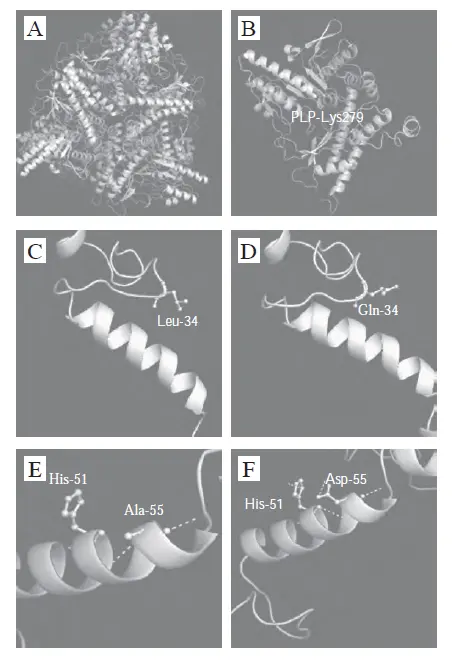
Three-dimensional structure diagram of LIGHT protein
II. Molecular Interaction Network and Signal Transduction Mechanism
2.1 Receptor System
LIGHT protein exerts its biological effects through a dual receptor system:
HVEM (Herpesvirus entry mediator): Primarily expressed on the surface of T cells and dendritic cells
LTβR (Lymphotoxin β receptor): Widely distributed on stromal cells, epithelial cells, and some tumor cells
This dual receptor system enables LIGHT to mediate direct communication between immune cells (HVEM pathway) and interactions between immune cells and the microenvironment (LTβR pathway). Notably, the HVEM receptor also participates in regulating BTLA (B and T lymphocyte attenuator) co-inhibitory signals, forming a complex immunomodulatory network.
2.2 Signal Transduction Pathways
Upon binding to its receptors, LIGHT activates the following key signaling pathways:
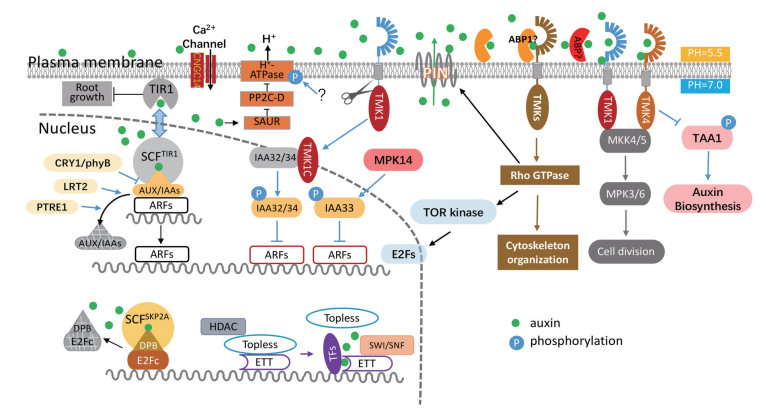
Canonical NF-κB pathway: Mediated by TRAF2/5-induced activation of the IKK complex, promoting pro-inflammatory cytokine expression
Non-canonical NF-κB pathway: Activated via NIK kinase to form p52/RelB dimers, involved in lymphoid organ development
MAPK pathway: Regulating the balance between cell proliferation and apoptosis
Diagram of LIGHT signaling pathways
III. Analysis of Immunomodulatory Functions
3.1 Adaptive Immune Regulation
In T cell immunity, LIGHT provides co-stimulatory signals through HVEM, significantly enhancing the activation and proliferation of CD4+ and CD8+ T cells. Experimental data show that LIGHT stimulation can increase T cell IL-2 secretion by 3-5 times and promote the formation of memory T cells. It is important to note that this activation effect is dose-dependent, with excessively high concentrations of LIGHT potentially inducing activation-induced cell death (AICD).
3.2 Involvement in Innate Immunity
In natural killer (NK) cells, LIGHT stimulates IFN-γ secretion through the LTβR pathway, with potency reaching 8-10 times the basal level. This activation effect, combined with the synergistic action of NKG2D receptors, forms a dual defense mechanism against viruses and tumors. Additionally, LIGHT can enhance the antigen-presenting capacity of dendritic cells, promoting the expression of co-stimulatory molecules such as CD80/CD86.
3.3 Bidirectional Regulation of Inflammation
LIGHT exhibits unique bidirectional regulatory properties in inflammatory responses:
Pro-inflammatory effects: Inducing the secretion of IL-6, TNF-α, and other inflammatory cytokines by monocytes via LTβR
Anti-inflammatory actions: Maintaining immune homeostasis by inducing the expansion of regulatory T cells (Tregs) in chronic inflammation
This characteristic makes it exhibit complex modes of action in autoimmune diseases such as rheumatoid arthritis and inflammatory bowel disease.
IV. Antitumor Mechanisms
4.1 Remodeling of the Tumor Microenvironment
LIGHT can alter the tumor immune microenvironment through the following pathways:
Promoting the formation of tertiary lymphoid structures (TLS) and increasing the density of tumor-infiltrating lymphocytes (TIL)
Inhibiting the immunosuppressive effects of myeloid-derived suppressor cells (MDSC)
Remodeling the tumor vasculature to enhance immune cell infiltration
Preclinical studies have shown that local overexpression of LIGHT can extend the survival of melanoma model mice by 40%-60%.
4.2 Direct Antitumor Effects
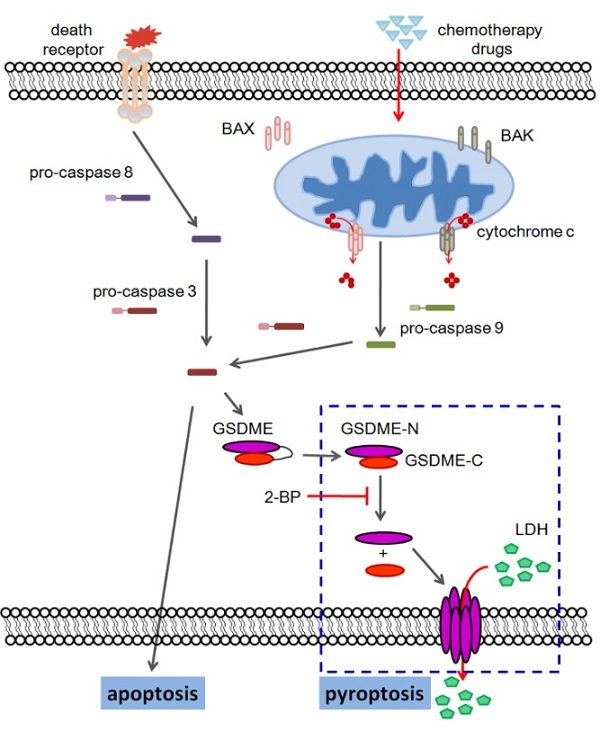
Through LTβR signaling, LIGHT can induce caspase-dependent apoptosis in various solid tumor cells (such as colon cancer and lung cancer). The mechanism involves:
Decrease in mitochondrial membrane potential
Imbalance in Bcl-2 family protein ratios
Significant increase in ROS levels
Diagram of LIGHT-induced tumor cell apoptosis
4.3 Synergistic Therapeutic Potential
In CAR-T therapy, co-expression of LIGHT can significantly enhance the tumor infiltration capacity and persistence of effector cells. Animal experiments have demonstrated that this modified CAR-T exhibits a 2-3 times higher tumor clearance efficiency and can effectively overcome the immunosuppressive microenvironment.
V. Research Progress and Translational Prospects
5.1 Basic Research Breakthroughs
Recent studies have revealed several new functions of LIGHT protein:
Regulation of metabolic reprogramming: Affecting the glycolytic pathway in T cells
Epigenetic regulation: Influencing immune memory formation through miRNA networks
Microbiome interactions: Regulating the dynamic balance between the gut microbiota and the immune system
5.2 Clinical Translation Directions
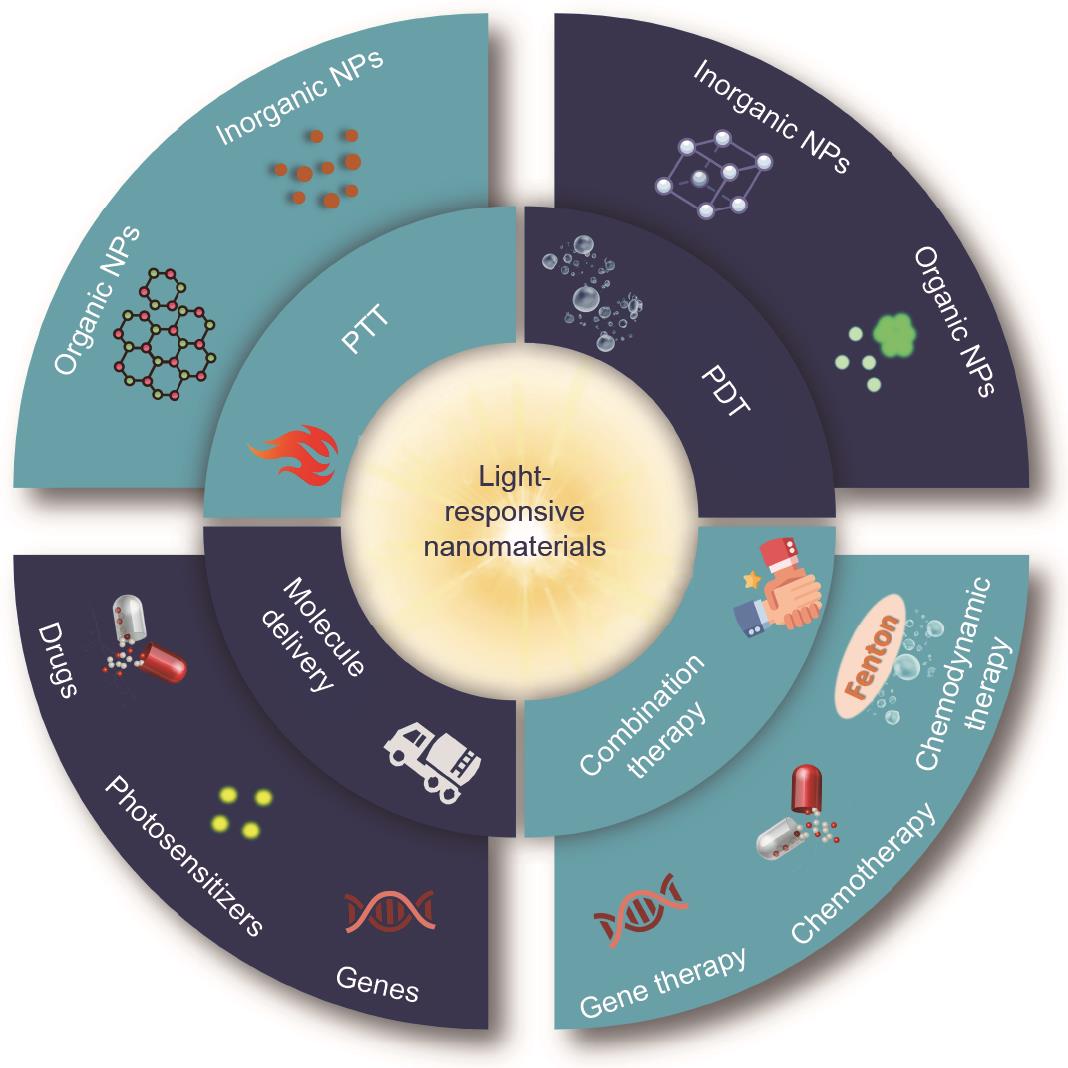
Current translational research focuses on the following directions:
Development of local drug delivery systems for recombinant LIGHT protein
Design of bispecific antibodies based on LIGHT signaling pathways
Combination therapy strategies with immune checkpoint inhibitors (such as PD-1 antibodies)
Clinical application strategy diagram of LIGHT protein
VI. Challenges and Prospects
Despite the broad clinical application prospects of LIGHT protein, several key scientific issues remain to be addressed:
Control of systemic toxicity: Systemic LIGHT activation may induce cytokine storms
Regulation of receptor selectivity: Balancing HVEM and LTβR signaling
Development of biomarkers: Screening molecular markers for predicting treatment response
Future research needs to combine new technologies such as single-cell sequencing and organoid models to deeply analyze the spatial and temporal dynamic characteristics of LIGHT signaling. With a deeper understanding of the biological characteristics of LIGHT, this molecule is expected to become a core target for next-generation immunotherapy, providing new paradigms for the precise treatment of tumors and autoimmune diseases.
This article is reviewed and published by the technical expert team of UA
Disclaimer: This article partially utilizes artificial intelligence assistance in its creation. If any content involves copyright or intellectual property issues, please let us know and we promise to verify and remove it as soon as possible.
Purchase recombinant protein, choose Nanjing UA-Bio
UA protein focuses on providing various protein reagents, raw materials, and services required for drug research and development, cell therapy, gene therapy, and basic scientific research, including drug target proteins, immune checkpoint proteins, cytokines, tool enzymes, customized protein expression, and full-length transmembrane protein development. Youai is committed to providing customers with high-quality products and professional services, and building a High-tech Biological Enterprise with International Competitiveness.







 Business license (three certificates in one)