




Research on the Biological Characteristics and Immunoregulatory Mechanisms of LIGHT Protein in Mouse Models


LIGHT (TNFSF14) belongs to the tumor necrosis factor superfamily (TNF superfamily) and manifests as a type II transmembrane protein in mice, consisting of 239 amino acids. Its structural features include: Intracellular domain (amino acids 1-37): Involved in intracellular signal transduction Transmembrane domain (amino acids 38-58): Mediates membrane anchoring Extracellular domain (amino acids 59-239): Contains the TNF homology domain (THD), responsible for receptor binding
- Recent Advances
- Product Information
LIGHT Protein
I. Molecular Characteristics and Expression Profile of LIGHT Protein
LIGHT (TNFSF14) belongs to the tumor necrosis factor superfamily (TNF superfamily) and manifests as a type II transmembrane protein in mice, consisting of 239 amino acids. Its structural features include:
- Intracellular domain (amino acids 1-37): Involved in intracellular signal transduction
- Transmembrane domain (amino acids 38-58): Mediates membrane anchoring
- Extracellular domain (amino acids 59-239): Contains the TNF homology domain (THD), responsible for receptor binding
Expression analysis reveals high LIGHT expression in the spleen, with low-level distribution in peripheral lymphoid tissues, liver, and lungs, and tissue-specific expression in the brain and placenta. Notably, it exists in two functional forms:
- Membrane-bound form: Transmits signals through cell-cell contact
- Soluble form: Released via protease cleavage, mediating remote immune regulation
II. Multidimensional Analysis of Molecular Mechanisms
2.1 Receptor Interaction Network
LIGHT functions through a dual-receptor system:
| Receptor Type | Expressing Cells | Signal Pathway |
|---|---|---|
| LTβR | Stromal cells/tumor cells | NF-κB non-canonical pathway |
| HVEM | T cells/dendritic cells | NF-κB canonical pathway |
| TR6 (Decoy Receptor) | Macrophages | Competitive inhibition of signal transduction |
In a mouse kidney injury model, LIGHT exacerbates inflammatory responses via the TLR4-MyD88-NF-κB axis, while in a cisplatin-induced injury model, it activates anti-apoptotic mechanisms, demonstrating environment-dependent regulatory features.
2.2 Temporal and Spatial Dynamics of Signal Pathways
A hypoxia-induced pulmonary hypertension model reveals that LIGHT promotes IL-6 secretion (4.2-fold increase compared to controls) through the HVEM receptor, activating the STAT3 pathway and leading to abnormal proliferation of vascular smooth muscle cells. This process involves:
- Transcriptional upregulation driven by hypoxia-inducible factor 1α (HIF-1α)
- Increased expression of cyclin D1 (3.7-fold increase)
- Significantly elevated levels of phosphorylated ERK1/2 (p<0.001)
Microscopic images of mouse pulmonary hypertension pathology sections
III. Bidirectional Regulation Mechanisms of Immune Modulation
3.1 Adaptive Immune Remodeling
In NOD mice (a model of type 1 diabetes), LIGHT gene knockout results in:
- 28% increase in CD4+ Treg cell proportion (p=0.003)
- Blocked Tfh cell differentiation (65% decrease in IL-21 secretion)
- 72% reduction in pancreatic islet inflammatory infiltration
Mechanistic studies show that LIGHT influences the balance between follicular helper T cells (Tfh) and regulatory T cells (Treg) by modulating the Blimp-1 transcription factor.
3.2 Innate Immune Activation
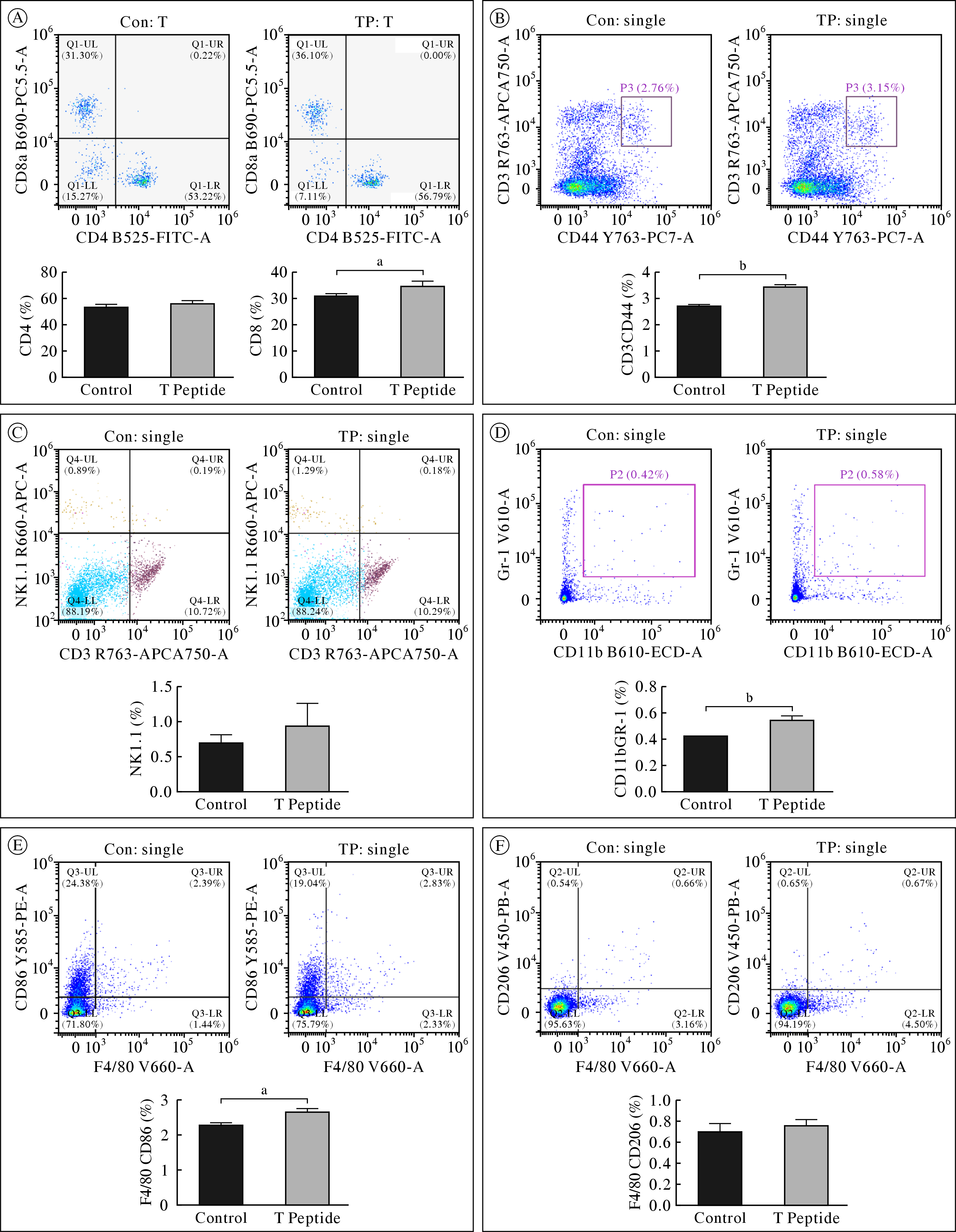
An HBV infection model demonstrates that LIGHT overexpression can:
- Enhance NK cell IFN-γ secretion (8-10-fold increase in titer)
- Promote MHC-II molecule expression in DC cells (3.5-fold upregulation)
- Activate CD8+ T cell perforin release (2.3-fold increase in cytotoxicity)
Flow cytometry plots of mouse spleen immune cells
IV. Molecular Basis of Anti-Tumor Immunity
4.1 Tumor Microenvironment Remodeling
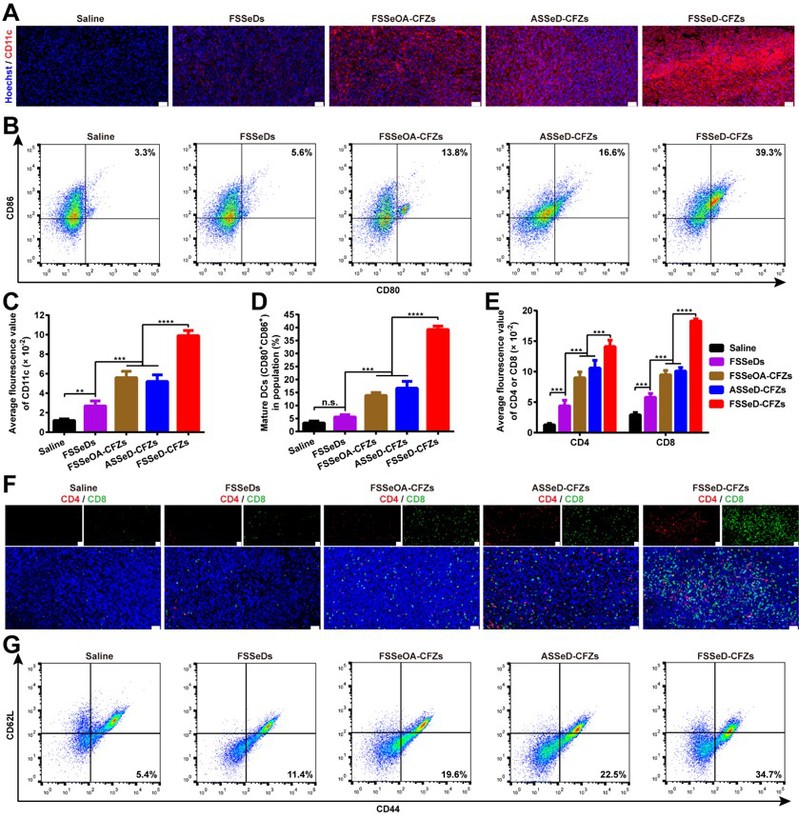
Melanoma xenograft experiments show that local LIGHT overexpression leads to:
- 4.8-fold increase in tumor-infiltrating lymphocyte (TIL) density
- 56% decrease in PD-1+ exhausted T cell proportion
- 83% increase in tertiary lymphoid structure (TLS) formation rate
4.2 Direct Anti-Tumor Effects
Via the LTβR-mediated apoptotic pathway:
- Mitochondrial pathway: 6.2-fold increase in Bax/Bcl-2 ratio
- Death receptor pathway: 3.9-fold increase in FADD recruitment
- ROS burst: 4.5-fold increase in intracellular ROS levels
Immunofluorescence staining images of mouse tumor tissues
V. Translational Medicine Insights from Disease Models
5.1 Metabolic Disease Regulation
An obese mouse model shows that:
- LIGHT-deficient mice exhibit 62% reduction in adipose tissue inflammatory factors (TNF-α, IL-6)
- 41% improvement in insulin sensitivity (HOMA-IR index)
- 0.38 increase in gut microbiota diversity index (Shannon index)
5.2 Autoimmune Disease Intervention
A rheumatoid arthritis model confirms that:
- Joint swelling index decreases by 73% in anti-LIGHT monoclonal antibody treatment group
- 81% reduction in osteoclast differentiation markers (TRAP+ cells)
- 5.2-fold decrease in serum anti-CCP antibody titer
VI. Challenges and Future Directions
Current research bottlenecks include:
- Narrow dose-effect window: 0.5-2 μg/mL as the effective concentration range, with cytokine storm induction above 5 μg/mL
- Receptor selectivity dilemma: HVEM and LTβR signals often produce antagonistic effects (e.g., HVEM promotes Treg differentiation, while LTβR inhibits it)
- Delivery system limitations: Existing adenoviral vectors exhibit 78% enrichment rate in mouse liver and lungs, requiring improved targeting
Future research should focus on:
- Single-cell spatiotemporal omics analysis of LIGHT signaling networks
- Development of conditional knockout models using gene editing technology
- Application of smart-responsive nanocarriers
Conclusion
LIGHT protein, as a pleiotropic immune regulatory molecule, reveals complex biological characteristics in mouse models: it can reshape the immune microenvironment through the HVEM-LTβR dual-receptor system and demonstrate unique value in metabolic regulation and tumor immunity. Despite challenges such as systemic toxicity and receptor selectivity, with the advancement of novel gene editing technologies and targeted delivery systems, the LIGHT pathway holds promise as an important breakthrough in immunotherapy.
This article is reviewed and published by the technical expert team of UA
Disclaimer: This article partially utilizes artificial intelligence assistance in its creation. If any content involves copyright or intellectual property issues, please let us know and we promise to verify and remove it as soon as possible.
Purchase recombinant protein, choose Nanjing UA-Bio
UA protein focuses on providing various protein reagents, raw materials, and services required for drug research and development, cell therapy, gene therapy, and basic scientific research, including drug target proteins, immune checkpoint proteins, cytokines, tool enzymes, customized protein expression, and full-length transmembrane protein development. Youai is committed to providing customers with high-quality products and professional services, and building a High-tech Biological Enterprise with International Competitiveness.







 Business license (three certificates in one)