Reconstitute full-length C1q to be truly "full"-functional


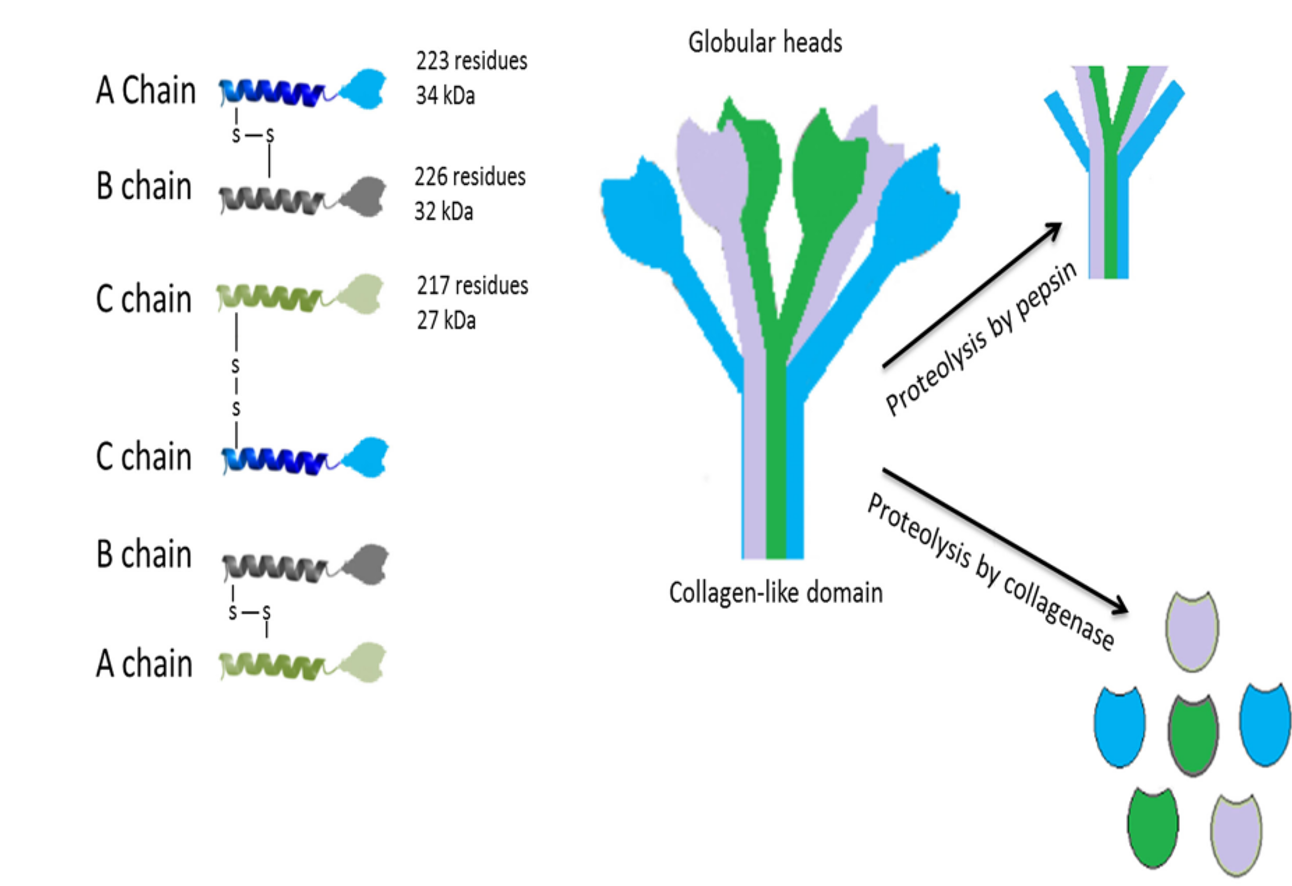
Complement component C1q is a key molecule in the human immune system. As the initiator of the classical complement activation pathway, it can recognize pathogens, immune complexes, and altered self-components, and trigger downstream immune cascades by activating its associated proteases C1r and C1s. However, C1q itself is an extremely complex protein—it is assembled from 18 polypeptide chains. This complexity has long hindered in-depth research into its functional mechanisms, while the purification of native C1q from serum poses limitations in terms of reproducibility and biosafety. The breakthrough in recombinant full-length C1q protein technology has provided scientists with a powerful tool, greatly advancing research in complement biology and related diseases.
- Recent Advances
- Product Information
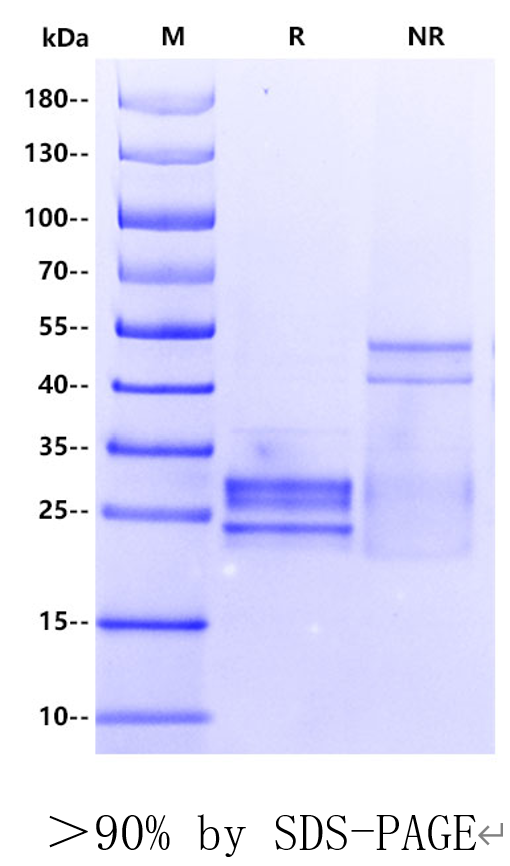
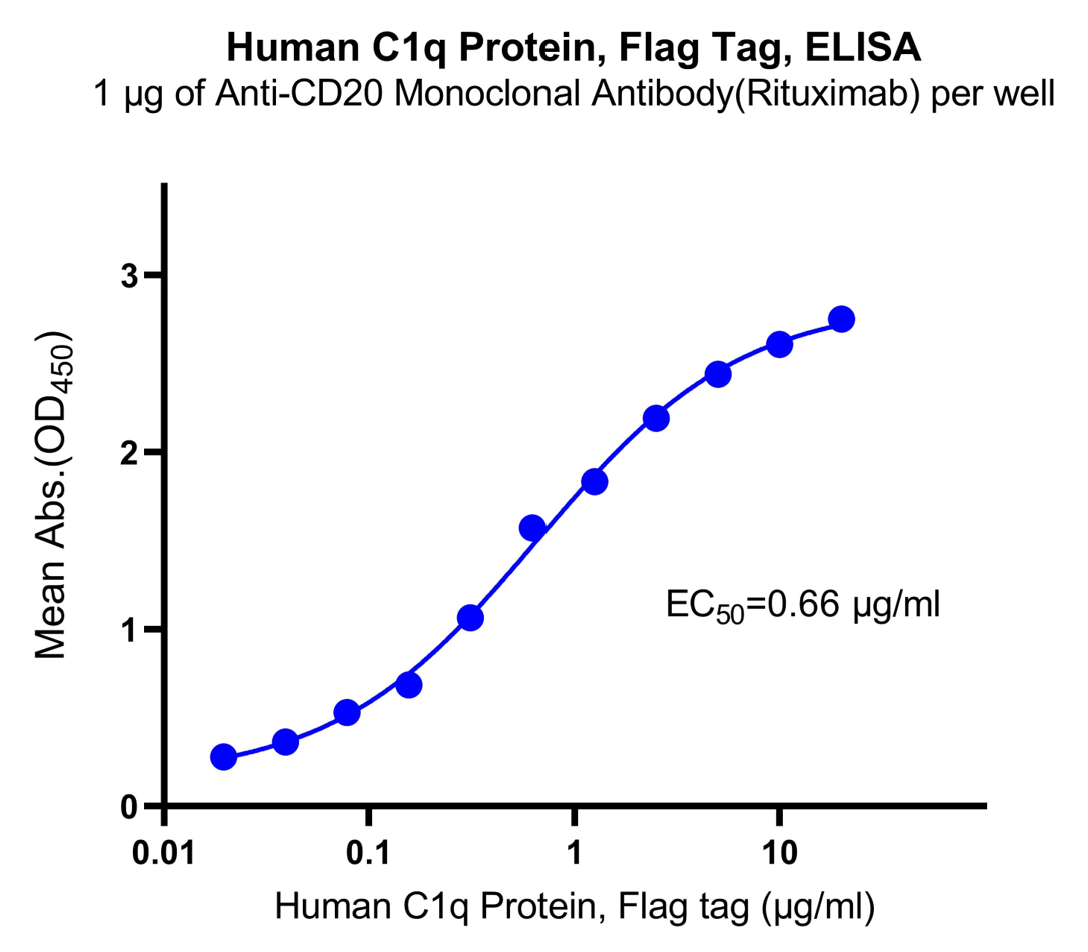
C1q Flag Tag Full Length Protein, Human(UA016164)
This is the most direct and powerful application of recombinant C1q. Using site-directed mutagenesis, researchers can introduce amino acid substitutions at specific positions in recombinant C1q and observe the functional consequences, thereby precisely identifying critical functional sites.
The full-length recombinant C1q platform also enables the creation of C1q variants with tailored functionalities. Researchers have successfully designed and produced single-chain forms of the C1q globular head (ghC1q). Through rational design and yeast surface display screening, ghC1q variants with enhanced IgM-binding capacity have been obtained. These engineered variants effectively inhibit complement activation in competition assays, highlighting the potential of engineered C1q as potent inhibitors or activators of the classical complement pathway.
Recombinant C1q technology is also extending into disease research and therapy. For instance, researchers have successfully developed humanized C1Q mouse models (B-hC1Q mice) by replacing the mouse C1qa, C1qb, and C1qc genes with their human counterparts, providing a more human-relevant model for preclinical studies of antibody-mediated complement-dependent cytotoxicity (CDC) therapies.
This article is reviewed and published by the technical expert team of UA
Disclaimer: This article partially utilizes artificial intelligence assistance in its creation. If any content involves copyright or intellectual property issues, please let us know and we promise to verify and remove it as soon as possible.
Purchase recombinant protein, choose 
UA protein focuses on providing various protein reagents, raw materials, and services required for drug research and development, cell therapy, gene therapy, and basic scientific research, including drug target proteins, immune checkpoint proteins, cytokines, tool enzymes, customized protein expression, and full-length transmembrane protein development. Nanjing Univ is committed to providing customers with high-quality products and professional services, and building a High-tech Biological Enterprise with International Competitiveness.







 Business license (three certificates in one)