




Systematic Analysis of MFR Recombinant Proteins: From Molecular Construction to Biomedical Applications


MFR (Multifunctional Recombinant Protein) is a protein molecule engineered via genetic recombination, characterized by integrating functional domains from diverse origins to achieve multiplex biological activities. Its construction relies on precise gene-editing techniques to manipulate DNA sequences, with scalable production achieved through host cell expression systems .
- Recent Advances
- Product Information
Systematic Analysis of MFR Recombinant Proteins
I. Definition and Molecular Structural Features
MFR (Multifunctional Recombinant Protein) is a protein molecule engineered via genetic recombination, characterized by integrating functional domains from diverse origins to achieve multiplex biological activities. Its construction relies on precise gene-editing techniques to manipulate DNA sequences, with scalable production achieved through host cell expression systems . Key molecular features include:
- Modular Functional Domains: MFR proteins typically comprise independent domains such as receptor-binding, enzyme-catalytic, or signal-transduction domains. This modular design enables simultaneous participation in complex processes like transmembrane signaling, cell adhesion, and immune regulation.
- Affinity Tag Integration: To enhance purification efficiency, MFR proteins often incorporate tags like His-tag or GST-tag. For instance, His-tag enables one-step purification via nickel-affinity chromatography with >95% purity.
- 3D Conformational Stability: MFR activity is highly dependent on spatial conformation. Techniques like molecular dynamics simulations and cryo-electron microscopy optimize folding pathways to prevent activity loss from misfolding.
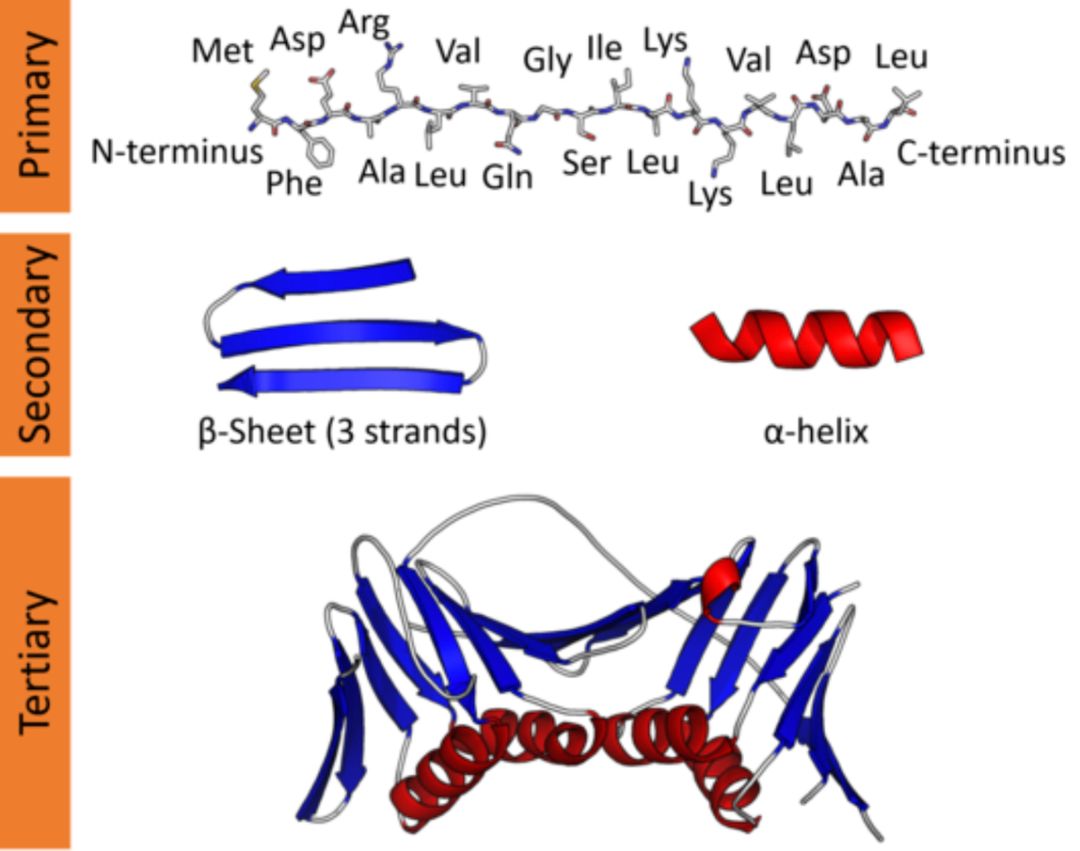
3D Structural Diagram of MFR Recombinant Protein
II. Functional Mechanisms and Biological Significance
The functional diversity of MFR proteins stems from precise structural design. For example, in immunomodulation, immunoglobulin-like domains bind to CD28 receptors on T-cells, activating downstream pathways to modulate immune responses. In neuroscience, integrating nerve growth factor (NGF) domains promotes neuronal synaptogenesis, providing models for neurodegenerative disease research.
Core Mechanisms:
- Molecular Intermediation: MFR acts as a "molecular bridge" mediating cell-matrix adhesion, such as participating in epithelial-mesenchymal transition (EMT) during metastasis.
- Bidirectional Signaling Control: Some MFR proteins possess dual kinase/phosphatase activities, switching functional states in different microenvironments (e.g., inhibiting PD-L1 in tumor microenvironments).
III. Diversified Applications
-
Biopharmaceutical Development
MFR proteins serve dual roles in drug R&D: as therapeutic agents (e.g., monoclonal antibody delivery vehicles) and drug-screening tools. For instance, HER2-receptor-bearing MFR proteins are widely used in breast cancer drug efficacy evaluations, shortening development cycles. -
Precision Diagnostics
MFR's high specificity makes it ideal for biomarker detection. MFR-based ELISA kits detect trace tumor antigens (e.g., CA125) in blood, enabling early ovarian cancer screening with 3x higher sensitivity than traditional methods. -
Basic Research Innovation
MFR provides standardized protein samples for structural biology. X-ray crystallography of MFR structures elucidated β-amyloid aggregation mechanisms in Alzheimer's disease, aiding therapeutic target discovery.
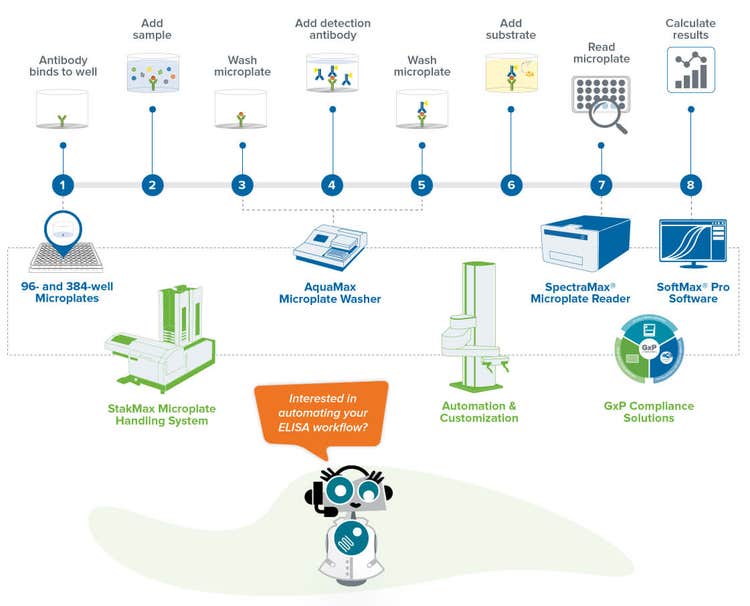
ELISA Detection Workflow Based on MFR
IV. Research Advances and Future Challenges
-
Technological Breakthroughs Driving Industrialization
Optimized CHO cell systems now yield >10 g/L MFR, reducing costs by 60%. AI-powered design platforms (e.g., AlphaFold) predict active sites, shortening rational design cycles from months to weeks. -
Market and Policy Tailwinds
China's recombinant protein market is projected to exceed $120B by 2025, with cancer immunotherapy products >40%. The national "14th Five-Year Bioeconomy Plan" prioritizes recombinant proteins, promoting academia-industry synergy. -
Future Directions
- Intelligent Manufacturing: Integrate microfluidic chips with perfusion culture for on-demand MFR synthesis.
- Personalized Medicine: Develop patient-specific MFR proteins for customized cancer vaccines or autoimmune therapies.
V. Irreplaceable Role in Academic Research
At the fundamental science level, MFR proteins act as "probes" for dissecting molecular mechanisms. Fluorescently labeled MFR, for example, enables real-time observation of GPCR endocytosis, elucidating G-protein signaling dynamics. In translational medicine, MFR accelerates bench-to-bedside transitions. A 2024 study using MFR to mimic SARS-CoV-2 spike protein conformational changes developed broad-spectrum neutralizing antibodies, highlighting cross-disciplinary value.
Conclusion and Outlook
As a core tool in biotechnology, MFR recombinant proteins reflect the convergence of synthetic biology and medicine. Future advancements in gene editing and AI modeling will expand their functional complexity and applications. However, challenges persist in industrialization, such as precise post-translational modification control and clinical batch quality assurance. Resolving these issues requires interdisciplinary collaboration to propel MFR from labs to broader healthcare markets.
This article is reviewed and published by the technical expert team of UA
Disclaimer: This article partially utilizes artificial intelligence assistance in its creation. If any content involves copyright or intellectual property issues, please let us know and we promise to verify and remove it as soon as possible.
Purchase recombinant protein, choose Nanjing UA-Bio
UA protein focuses on providing various protein reagents, raw materials, and services required for drug research and development, cell therapy, gene therapy, and basic scientific research, including drug target proteins, immune checkpoint proteins, cytokines, tool enzymes, customized protein expression, and full-length transmembrane protein development. Youai is committed to providing customers with high-quality products and professional services, and building a High-tech Biological Enterprise with International Competitiveness.







 Business license (three certificates in one)