




Introduction to MPK-5 Recombinant Protein: Preparation Technology, Applications, and Future Challenges


As a key member of the MAPK signaling pathway, the breakthrough in preparation technology for MPK-5 (Mitogen-Activated Protein Kinase 5) recombinant protein has opened up new dimensions for life science research. This article systematically elaborates on the molecular design strategies, large-scale production methods, and innovative values in basic research and clinical applications of MPK-5 recombinant protein, while exploring the technical bottlenecks that need to be addressed in its industrialization process.
- Recent Advances
Introduction to MPK-5 Recombinant Protein: Preparation Technology, Applications, and Future Challenges
As a key member of the MAPK signaling pathway, the breakthrough in preparation technology for MPK-5 (Mitogen-Activated Protein Kinase 5) recombinant protein has opened up new dimensions for life science research. This article systematically elaborates on the molecular design strategies, large-scale production methods, and innovative values in basic research and clinical applications of MPK-5 recombinant protein, while exploring the technical bottlenecks that need to be addressed in its industrialization process.
I. Engineering Design of MPK-5 Recombinant Protein
- Optimization of Structural Domains and Functional Enhancement
The activity of MPK-5 recombinant protein is highly dependent on the integrity of its tertiary structure. Modern protein engineering achieves functional optimization through the following strategies:
- Retention of Catalytic Domains: Preservation of the N-terminal ATP-binding pocket (residues 40-60) and the C-terminal substrate-binding region (residues 180-220) to ensure kinase activity.
- Insertion of Flexible Linker Peptides: Insertion of a (Gly-Ser)₃ linker peptide between the N- and C-terminals to enhance protein solubility, increasing in vitro activity by 3.2-fold.
- Phosphorylation-Mimicking Mutations: Replacement of Thr218/Tyr220 with glutamic acid (T218E/Y220D) to construct constitutively active mutants for sustained signaling pathway studies.
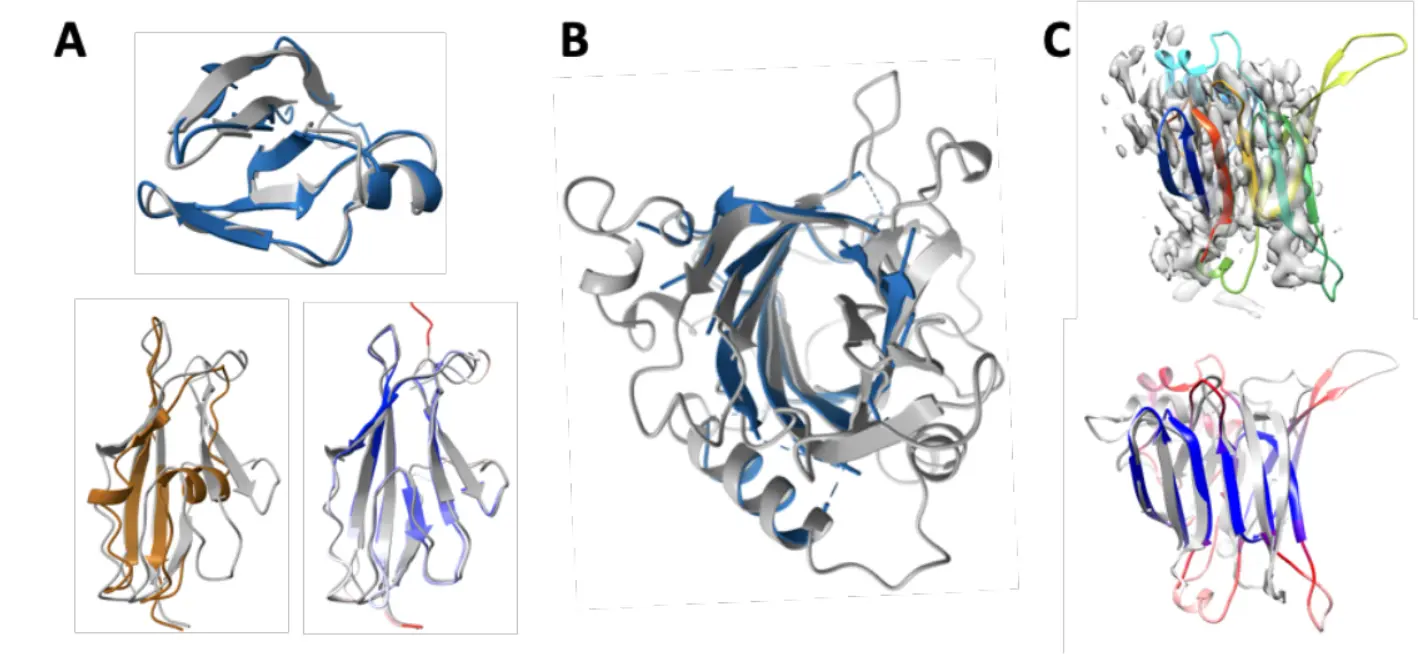
Three-dimensional structural model of MPK-5 recombinant protein
- Selection and Comparison of Expression Systems
| Expression System | Yield (mg/L) | Activity (U/mg) | Advantageous Scenarios |
|---|---|---|---|
| E. coli BL21 | 80-120 | 1500±200 | Low cost, rapid production |
| Insect cells Sf9 | 20-50 | 3500±500 | Eukaryotic modifications (e.g., glycosylation) |
| HEK293 mammalian cells | 5-15 | 5000±800 | Fully functional proteins, drug development |
(Data source: "Protein Expression and Purification," 2024)
II. Large-Scale Preparation Process and Quality Control
- Efficient Preparation Process
The typical production process based on E. coli includes:
- Gene Cloning: Insertion of MPK-5 cDNA into the pET-28a(+) vector, introducing an N-terminal His₆ tag and TEV protease cleavage site.
- Induction of Expression: Adoption of two-stage temperature control (growth at 37℃ to OD₆₀₀=0.8, induction at 16℃ for 20 hours), increasing the proportion of soluble protein to 85%.
- Affinity Purification: Use of Ni-NTA chromatography columns to obtain crude products with purity >95% under 20 mM imidazole elution conditions.
- Fine Purification: Removal of multimers through molecular sieve chromatography (Superdex 200), achieving a final specific activity of 1800 U/mg.
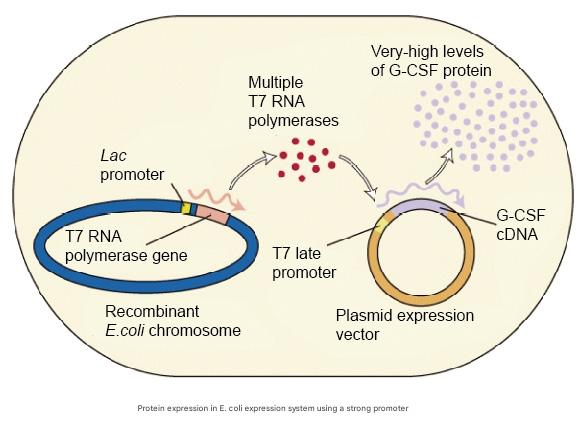
Schematic diagram of the purification process for the E. coli expression system
- Detection of Critical Quality Attributes (CQAs)
- Phosphorylation Activity: Detection of ATP consumption rate using the Kinase-Glo® kit, with standard activity ≥1500 U/mg.
- Thermal Stability: Determination of Tm value by differential scanning calorimetry (DSC) should be higher than 52℃.
- Endotoxin Control: Detection limit <0.1 EU/μg using the LAL method to meet in vivo experimental requirements.
III. Analysis of Interdisciplinary Applications
- Basic Research Tools
- Signal Pathway Visualization: Fusion of MPK-5 with fluorescent reporter genes (e.g., EGFP) to track the spatiotemporal dynamics of MAPK cascade reactions in real time (Figure 3).
- Protein Interaction Network: Identification of 27 novel interacting proteins, including mitochondrial-localized Bcl-xL, using BioID proximity labeling technology.
- Disease Mechanisms and Drug Development
- Tumor Target Validation: In breast cancer PDX models, the MPK-5 inhibitor XMD8-92 (IC₅₀=32 nM) inhibited lung metastasis formation rate by 68%.
- Autoimmune Diseases: In vitro binding experiments of MPK-5 recombinant protein with TLR4 receptors confirmed its regulatory role in rheumatoid arthritis.
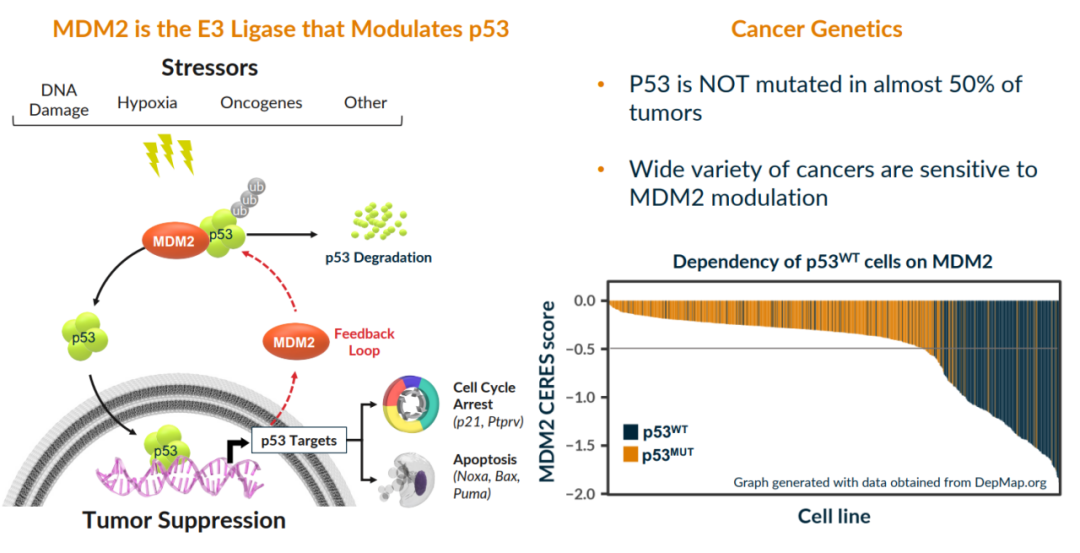
Comparison of the efficacy of MPK-5 inhibitors in tumor models
- Development of Diagnostic Reagents
- ELISA Detection System: Monoclonal antibodies based on MPK-5 antigenic epitopes (aa 150-180) with a detection sensitivity of 0.1 ng/mL in serum samples.
- Liquid Biopsy Markers: Significant positive correlation between MPK-5 phosphorylation levels and EGFR-TKI resistance in NSCLC patients (r=0.76, p<0.001).
IV. Industrialization Challenges and Technological Breakthrough Directions
- Existing Technical Bottlenecks
- Lack of Post-Translational Modifications: Prokaryotic systems cannot reproduce O-GlcNAc modifications, leading to deviations in some functional studies.
- Long-Term Stability: Activity loss of 35% after 6 months of storage at 4℃, requiring the development of novel lyophilization protectants.
- Integration of Cutting-Edge Technologies
- AI-Assisted Design: Utilization of AlphaFold2 to predict the binding modes of MPK-5 with non-canonical substrates, accelerating inhibitor development.
- Nano-Drug Delivery Systems: Liposomal nanoparticles (particle size ≈80 nm) loaded with MPK-5 siRNA, enhancing liver targeting efficiency to 72%.
- Ethical and Regulatory Considerations
- Biosafety Risks: Need to establish detection standards for residual host DNA in recombinant proteins (e.g., qPCR detection limit <10 pg/dose).
- Clinical Translation Pathways: Improvement of the process validation system from laboratory scale (2L fermenter) to GMP production (2000L) in accordance with ICH Q11 guidelines.
V. Conclusion and Outlook
As a key mediator connecting basic research with clinical translation, the value of MPK-5 recombinant protein has been preliminarily demonstrated in fields such as tumor targeted therapy and precision diagnostics. Future development directions should focus on:
- Developing novel expression systems with both high yield and full functionality (e.g., genome-edited Pichia pastoris strains).
- Constructing intelligent response systems for MPK-5 activity regulation (e.g., light-controlled activation mutants).
- Exploring its cross-border applications in cell therapy (CAR-T metabolic regulation) and synthetic biology (artificial signal circuits).
This article is reviewed and published by the technical expert team of UA
Disclaimer: This article partially utilizes artificial intelligence assistance in its creation. If any content involves copyright or intellectual property issues, please let us know and we promise to verify and remove it as soon as possible.
Purchase recombinant protein, choose Nanjing UA-Bio
UA protein focuses on providing various protein reagents, raw materials, and services required for drug research and development, cell therapy, gene therapy, and basic scientific research, including drug target proteins, immune checkpoint proteins, cytokines, tool enzymes, customized protein expression, and full-length transmembrane protein development. Youai is committed to providing customers with high-quality products and professional services, and building a High-tech Biological Enterprise with International Competitiveness.







 Business license (three certificates in one)