




SHPS1: The key "signal switch" for macrophages to regulate tumor immunity - from basic mechanisms to therapeutic breakthroughs


SHPS1 (SHP substrate 1), also known as SIRPα (Signal Regulatory Protein α), is a member of the immunoglobulin superfamily and is mainly expressed on the surface of myeloid cells such as macrophages and dendritic cells. Its intracellular segment contains an immunoreceptor tyrosine inhibitory motif (ITIM), which can recruit tyrosine phosphatases SHP-1 and SHP-2 to regulate downstream signaling pathways.
- Recent Advances
- Product Information
SHPS1: The key "signal switch" for macrophages to regulate tumor immunity - from basic mechanisms to therapeutic breakthroughs
I. Biological characteristics and functions of SHPS1
SHPS1 (SHP substrate 1), also known as SIRPα (Signal Regulatory Protein α), is a member of the immunoglobulin superfamily and is mainly expressed on the surface of myeloid cells such as macrophages and dendritic cells. Its intracellular segment contains an immunoreceptor tyrosine inhibitory motif (ITIM), which can recruit tyrosine phosphatases SHP-1 and SHP-2 to regulate downstream signaling pathways.
The core function of SHPS1 is to transmit the "don't eat me" signal by binding to the ligand CD47. Under normal physiological conditions, CD47 is highly expressed on the surface of healthy cells such as red blood cells. By binding to macrophage SHPS1, it inhibits the phagocytosis of macrophages and avoids accidental injury to self-tissues. However, tumor cells hijack this mechanism and evade immune clearance by disguising themselves as "healthy cells" by overexpressing CD47. This process is called the classic pathway of "immune escape".
II. The role of SHPS1/CD47 axis in tumor immunosuppression
1. Inhibition of macrophage phagocytosis
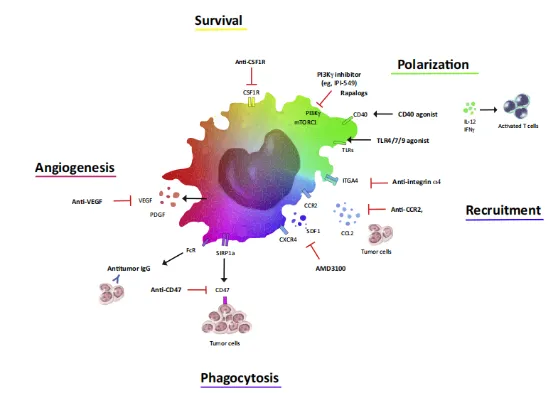
After CD47 highly expressed by tumor cells binds to macrophage SHPS1, it activates SHP-1/SHP-2 phosphatase, resulting in the obstruction of myosin IIA aggregation at phagocytic synapses, thereby inhibiting phagocytosis. Studies have shown that blocking the CD47/SHPS1 pathway can significantly enhance the phagocytic ability of macrophages to tumor cells. For example, the MAGE system developed by the Zhejiang University team knocked down macrophage SIRPα (SHPS1) through RNA editing technology, successfully eliminated the "don't eat me" signal, and promoted anti-tumor immunity.
2. Regulating immunosuppression in the tumor microenvironment
SHPS1 not only affects phagocytosis, but also participates in immunosuppression by regulating the polarization state of TAMs (tumor-associated macrophages). For example, SHP-1 (a downstream molecule that binds to SHPS1) reduces the expression of liver cancer cell migration-related proteins MMP2/9 by inhibiting HOXA10 and TGFβ2 signals, while inhibiting macrophage M2 polarization. M2 TAMs secrete factors such as IL-10 and VEGF, promote angiogenesis and inhibit T cell activity, which is closely related to poor prognosis of patients.
3. Synergistic effect with checkpoint inhibitors
Preclinical studies have shown that targeting the SHPS1/CD47 pathway can produce synergistic effects with PD-1/PD-L1 inhibitors. For example, inhibiting CD47 can enhance the antigen presentation ability of macrophages and activate CD8+ T cells; while blocking PD-1 further relieves the functional inhibition of T cells, forming "double immune activation". Currently, a number of monoclonal antibodies or small molecule inhibitors targeting CD47/SHPS1 (such as Magrolimab) have entered the clinical trial stage.
III. Therapeutic strategies and challenges targeting SHPS1
1. Antibody and inhibitor development
- CD47 monoclonal antibody: By blocking the binding of CD47 to SHPS1, phagocytic inhibition is relieved. For example, IBI188 (anti-CD47 monoclonal antibody) shows potential in hematological tumors and solid tumors, but its toxicity to red blood cells should be noted.
- SHP-1/SHP-2 inhibitors: Jiang Linjia's team found that inhibiting SHP-1 can reverse the immune escape of leukemia stem cells through metabolic reprogramming and enhance chemotherapy sensitivity. SHP2 allosteric inhibitor SHP099 directly kills tumors by inhibiting the RAS pathway and reduces immunosuppressive myeloid cells.
2. Gene editing and cell therapy
- CAR-macrophages: Genetically modifying macrophages to express chimeric receptors (CARs) targeting tumor antigens, while knocking out SHPS1 or overexpressing pro-phagocytic signaling molecules can break through the inhibition of the tumor microenvironment.
- RNA delivery system: For example, the MAGE system developed by Zhejiang University uses nanocarriers to target and deliver CasRx RNA editors to macrophages, specifically knocking down SIRPα and significantly enhancing the anti-tumor effect.
3. Combined therapy and metabolic regulation
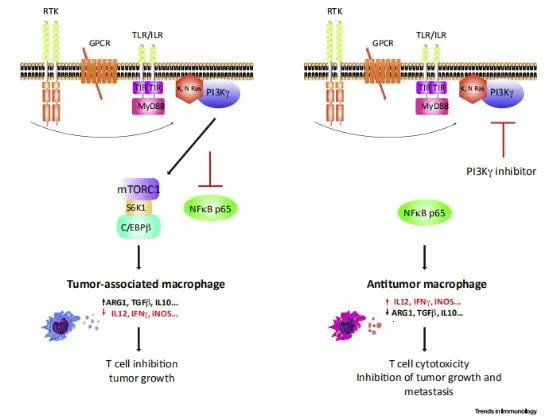
Metabolites in the tumor microenvironment (such as lactate) can promote M2 polarization of TAMs, and SHPS1 signals may participate in metabolic regulation through pathways such as mTOR. The combined use of PI3Kγ inhibitors (such as IPI-549) and SHPS1 targeted drugs can simultaneously reverse immunosuppression and metabolic abnormalities and enhance efficacy.
IV. Future Outlook
Although the strategy of targeting SHPS1 is promising, it still faces the following challenges:
1. Toxicity management: CD47 is widely expressed in normal cells, and drug design needs to be optimized to reduce side effects such as anemia.
2. Resistance mechanism: Some tumors may develop resistance by upregulating other immune checkpoints (such as PD-L1) or recruiting alternative suppressor cells (such as MDSCs).
3. Personalized treatment: The heterogeneity of the SHPS1 pathway in different tumor types requires screening of beneficiaries through biomarkers (such as CD47 expression levels).
Conclusion
SHPS1 is a key molecule connecting innate immunity and tumor microenvironment, and its regulatory mechanism provides a new perspective for cancer treatment. From blocking the "don't eat me" signal to reprogramming macrophage metabolism, multidimensional intervention strategies are rewriting the landscape of tumor immunotherapy. With the deepening of basic research and the acceleration of clinical transformation, breakthrough therapies based on the SHPS1 target may be available in the future, bringing longer survival benefits to patients.
This article is reviewed and published by the technical expert team of UA
Disclaimer: This article partially utilizes artificial intelligence assistance in its creation. If any content involves copyright or intellectual property issues, please let us know and we promise to verify and remove it as soon as possible.
Purchase recombinant protein, choose Nanjing UA-Bio
UA protein focuses on providing various protein reagents, raw materials, and services required for drug research and development, cell therapy, gene therapy, and basic scientific research, including drug target proteins, immune checkpoint proteins, cytokines, tool enzymes, customized protein expression, and full-length transmembrane protein development. Youai is committed to providing customers with high-quality products and professional services, and building a High-tech Biological Enterprise with International Competitiveness.







 Business license (three certificates in one)